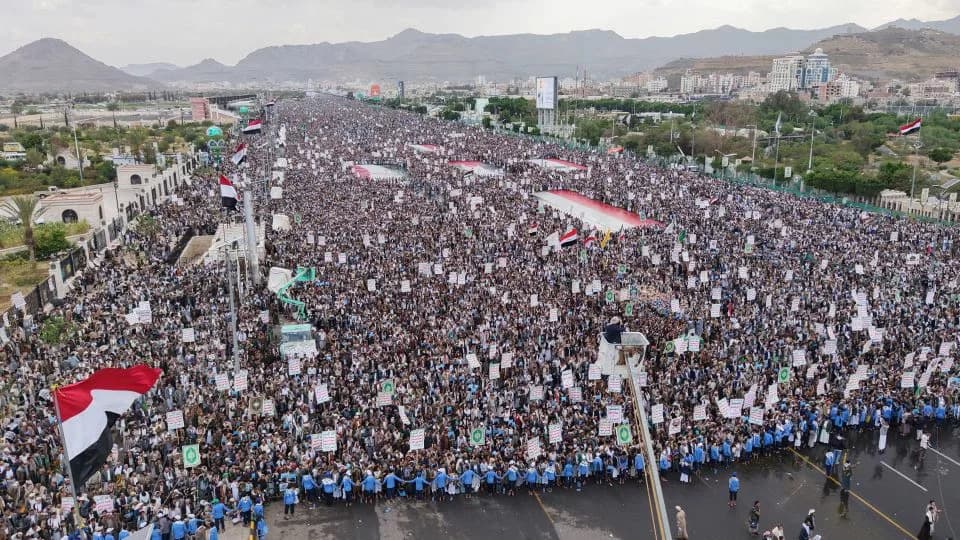
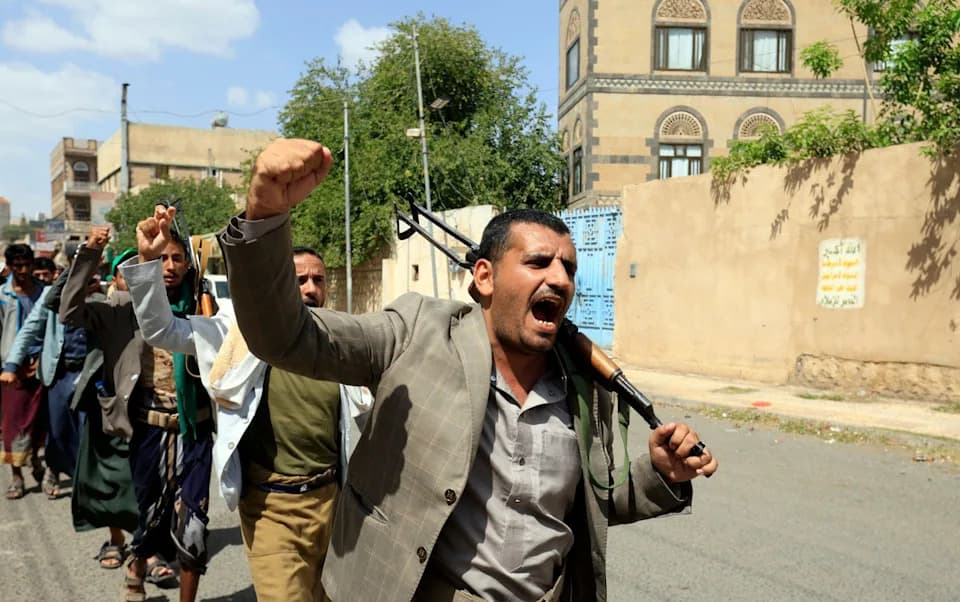
Saudi Arabia is reportedly planning a large-scale operation, possibly within weeks, to expel Houthi rebels from Yemen's Red Sea coast. Plans include a focused push around the Bab el-Mandeb or a wider multi-front assault, with more than 100,000 troops potentially mobilised and US intelligence support but no US combat role. The offensive follows Houthi gains at Mokha and Perim and comes amid a worsening humanitarian crisis: 18.3 million people face severe food insecurity and tens of thousands have been displaced.
Saudi Arabia Readies Large-Scale Offensive To Evict Houthis From Red Sea Coast
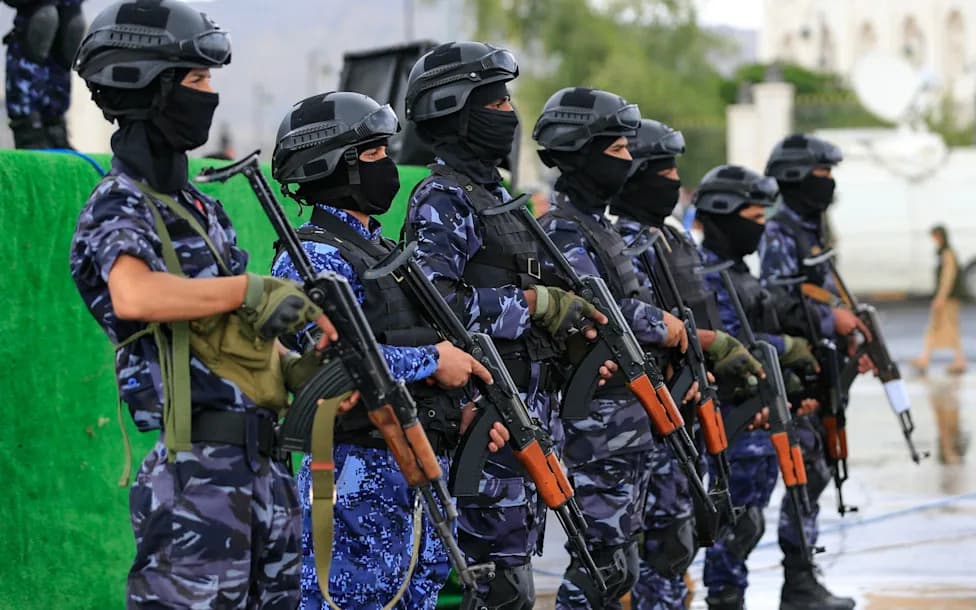
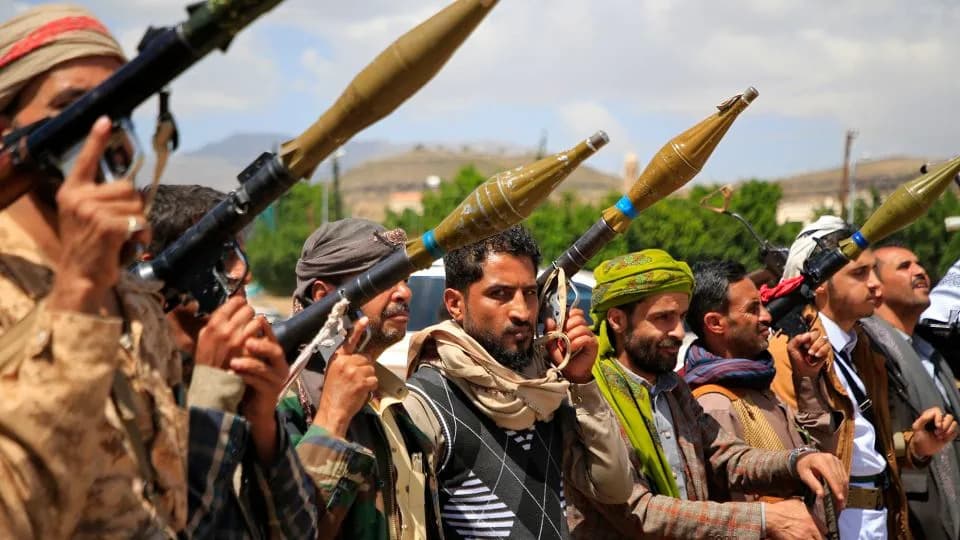
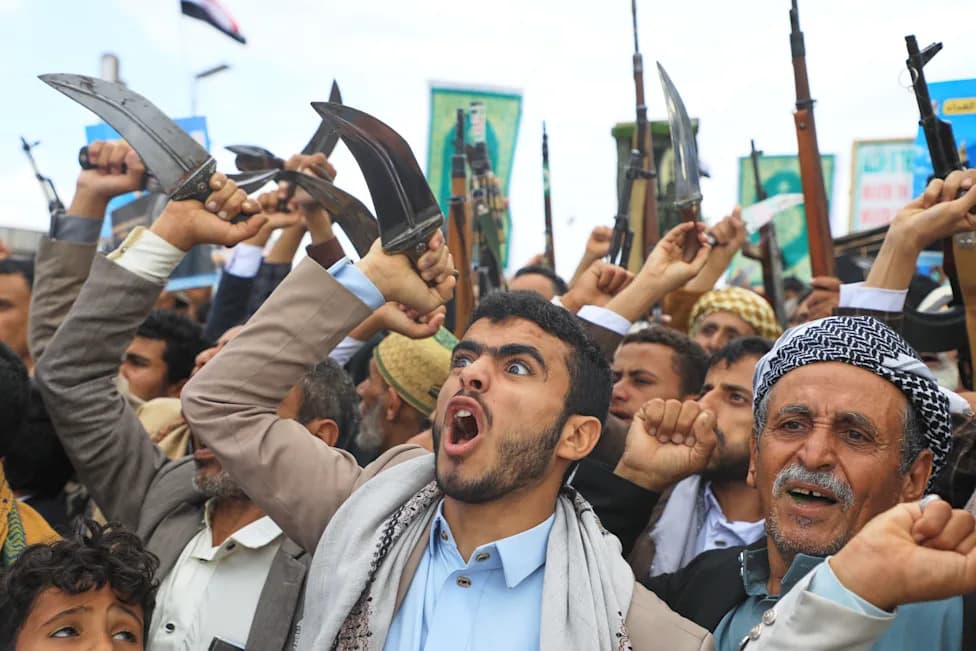
The Saudis could mobilise more than 100,000 troops against the Houthis, according to reports - Mohammed Huwais/AFP
Saudi Arabia is reportedly preparing a major military operation to dislodge Houthi rebels from Yemen's Red Sea coastline, officials told Reuters. The plan — expected to be launched within weeks if approved — would place Yemeni ground forces under Saudi command, backed by Saudi air strikes and US intelligence assistance, though Washington would stop short of committing combat forces.
Operational Options and Forces
Saudi planners are weighing either a narrow, focused thrust around the Bab el-Mandeb strait or a broader, multi-front assault. Regional and Western officials cited by Reuters say Riyadh could mobilise more than 100,000 troops, though The Telegraph said it could not independently verify the details.
Recent Houthi Gains and Strategic Stakes
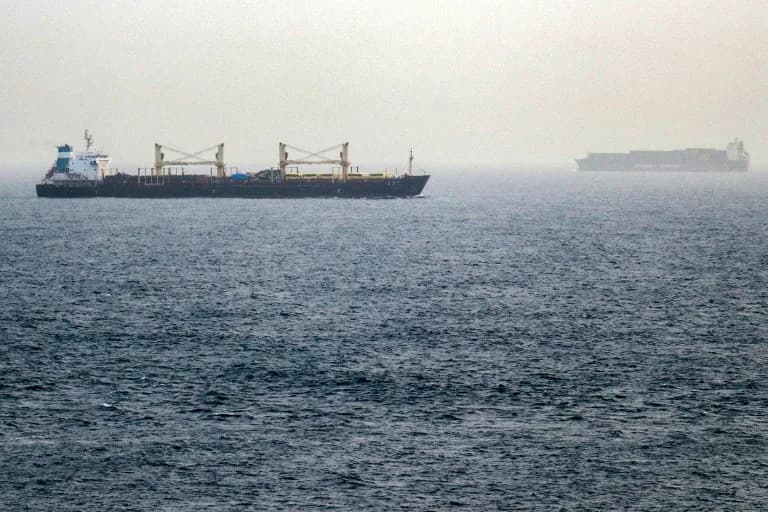
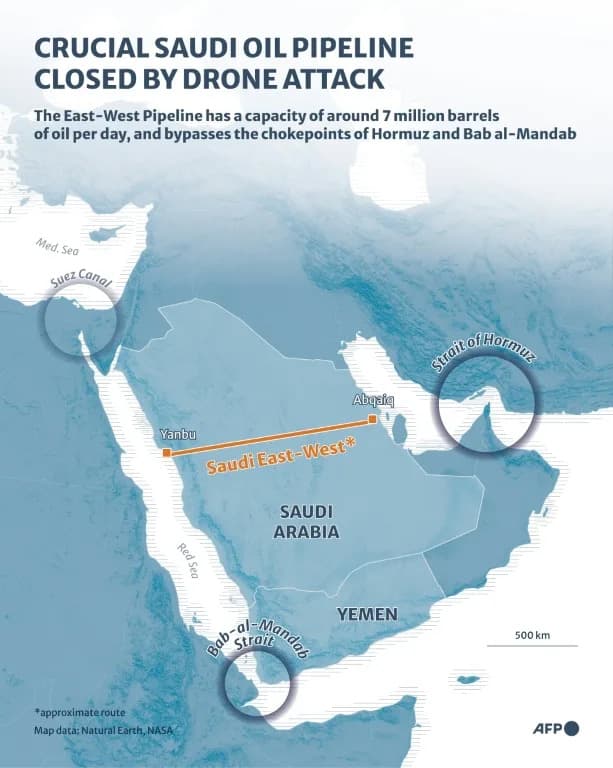
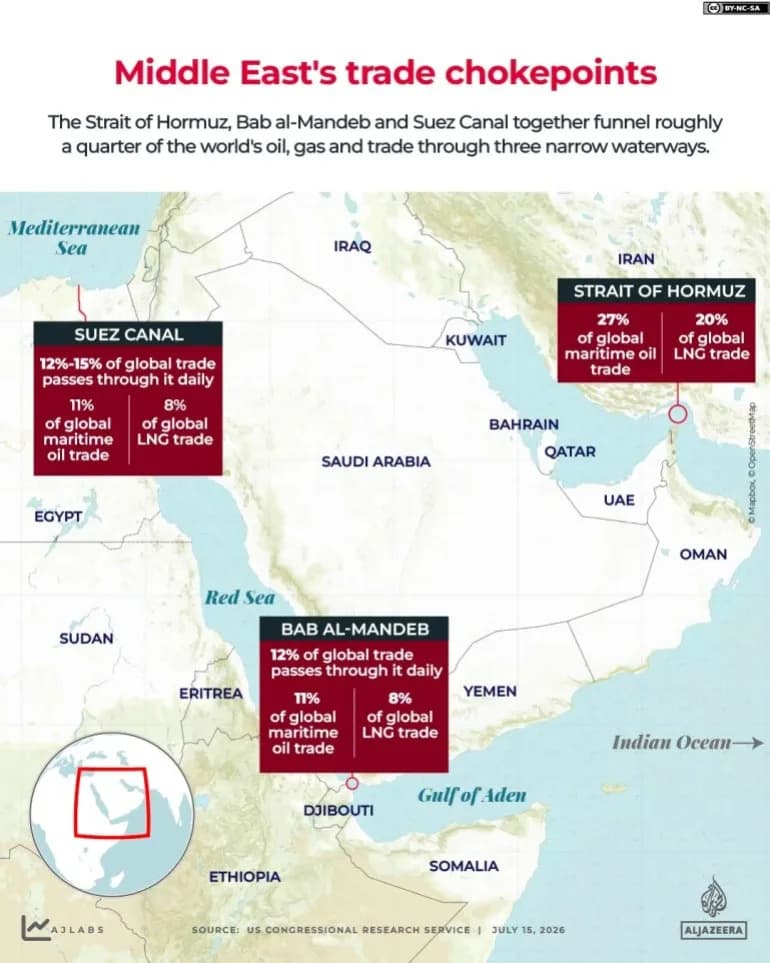
Last month the Houthis seized the port of Mokha and captured Perim Island in the Bab el-Mandeb, and they have conducted strikes deep into Saudi territory. Control of Bab el-Mandeb, the southern gateway to the Red Sea, has taken on heightened importance this year as an alternative shipping route to the Strait of Hormuz, which has been constrained by regional tensions involving Iran.
International Involvement
Washington has declined requests from Riyadh for direct US strikes on Houthi positions, though the US is providing intelligence support. Turkey and Pakistan have reportedly supplied drones and equipment, and France is sending defensive systems to protect the port of Yanbu.
Diplomatic and Military Implications
The recent Houthi advance offered the first real test of the Mecca joint defence pact signed in August by Saudi Arabia, Pakistan and Turkey. The agreement uses language modelled on NATO's Article 5, declaring an armed attack on any signatory to be considered an attack on all.
Frontline Fighting and Terrain Challenges
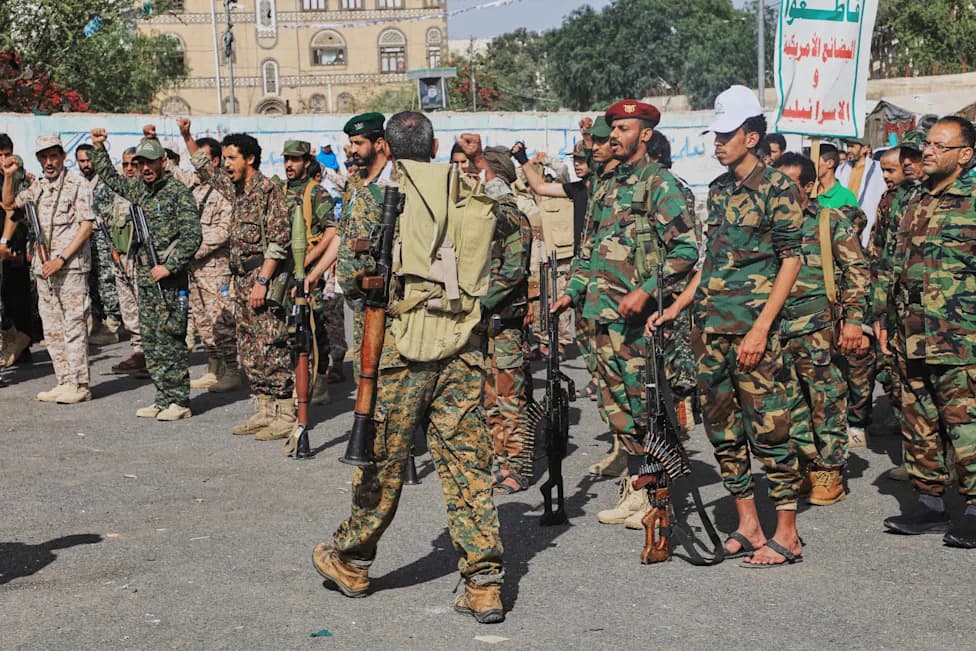
On the ground, Houthi forces launched intense assaults across Taiz governorate this week as they tried to expand the advance that secured parts of the Red Sea coast. Government-aligned forces reported more than 400 air, drone and artillery strikes on Houthi positions within a 24-hour period. Analysts say Yemen's rugged terrain and heavier government firepower have so far blunted the Houthi push; although the rebels hold stretches of coastline, they still lack control of the high ground that overlooks the strait — a key factor in securing maritime access.
Propaganda and Morale
The Houthis have used battlefield finds for propaganda. In a nearly hour-long video released last week, fighters toured captured areas and highlighted items left behind by retreating opponents, including bottles of blended whisky. The group uses such images to portray the internationally recognised government as corrupt and un-Islamic.
Humanitarian Toll
'The latest flare-up threatens to be absolutely devastating,' said Matthew Hollingworth, a senior WFP official.
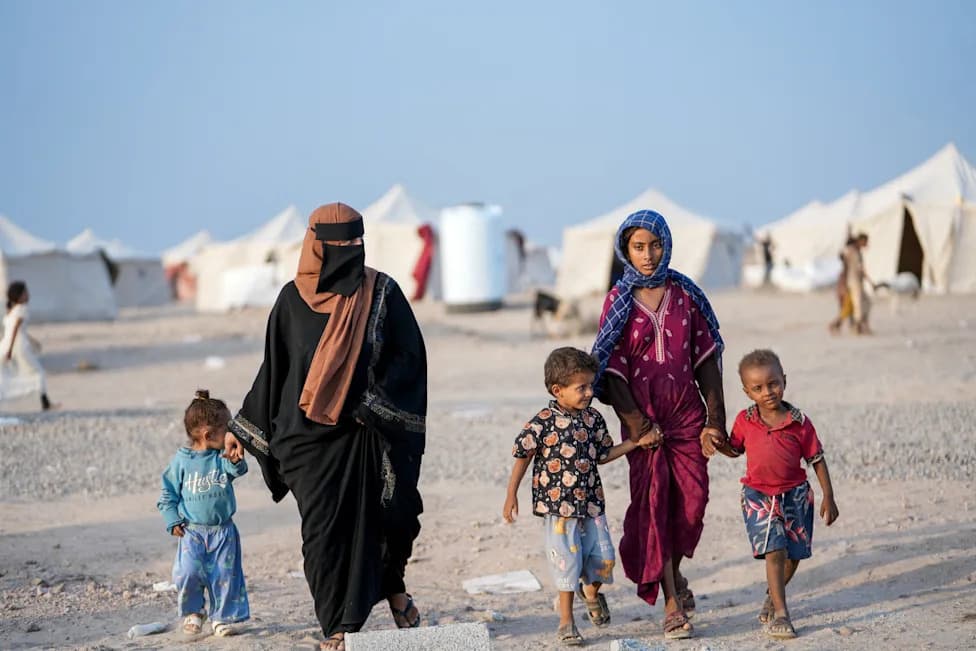
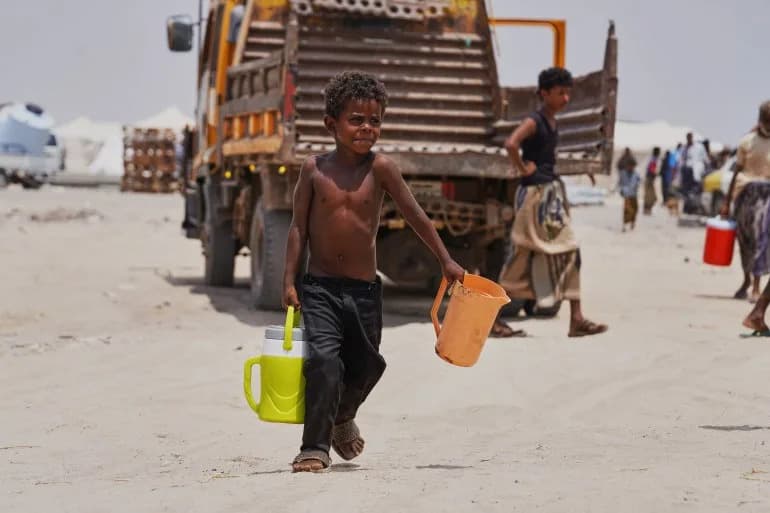
The United Nations World Food Programme warns that hunger is accelerating: about 74% of households in areas it can access are currently unable to meet basic food needs, the highest proportion recorded this year. Across Yemen, 18.3 million people face severe food insecurity, including 2.2 million children under five who are acutely malnourished. The International Organization for Migration reports that more than 149,000 people were displaced by the latest fighting and over 3,700 crossed the strait to Djibouti.
Historical Context
Any Saudi-led offensive would be aimed at a group that has withstood larger campaigns. A Saudi-led Arab coalition intervened in Yemen in 2015 and reached a bloody stalemate with the Houthis. The group has also survived repeated strikes by the US and Israel and still controls significant portions of Yemen and, increasingly, key points along the strait.
Risks: Analysts warn the operation could trigger wider regional escalation and cause further civilian suffering if not accompanied by robust humanitarian safeguards.
Reporting based on Reuters and regional sources; The Telegraph said it could not independently verify the plans.
Help us improve.