California Governor Gavin Newsom signed an executive order requiring state agencies to keep using the terms "Artificial Intelligence" and "AI," rejecting President Trump's directive to rename the field "Super Intelligence." The order criticizes the White House rebrand as a distraction from failures to address AI safety and highlights California's leadership on AI regulation. Newsom also approved laws banning employer use of AI for disciplinary or layoff decisions and requiring notice if AI adoption triggers mass layoffs.
Newsom Rejects Trump's 'Super Intelligence' Rename — Orders California To Keep Calling It 'Artificial Intelligence'
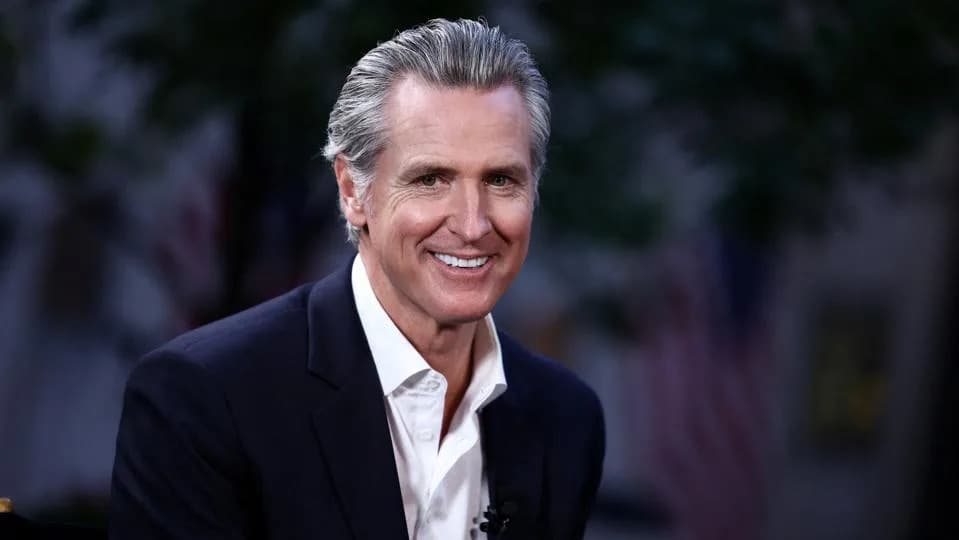
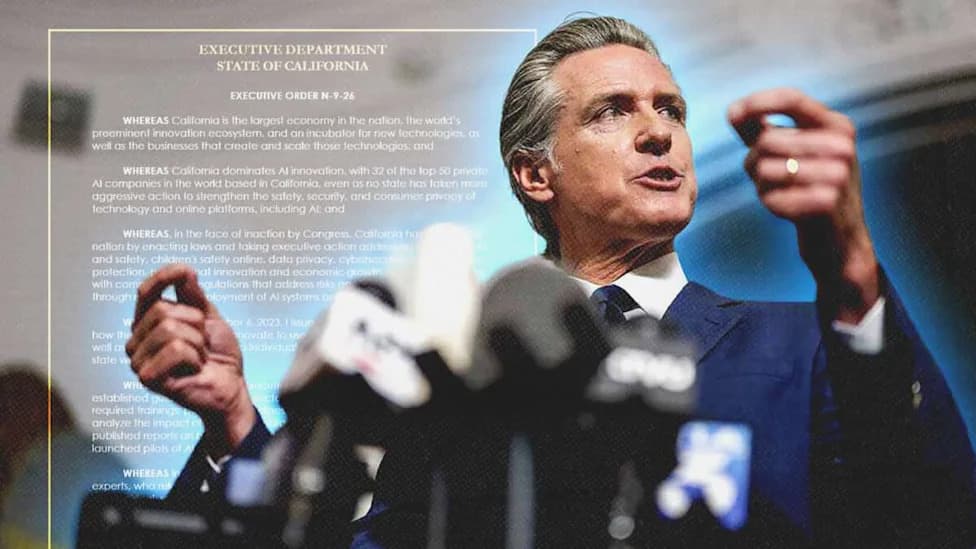
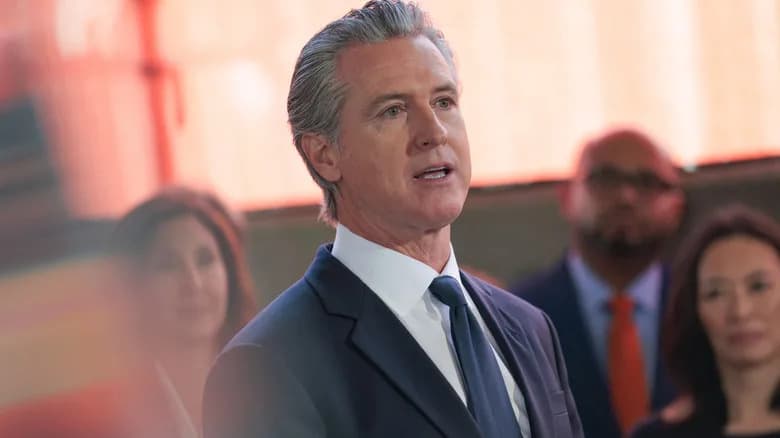
Governor of California Gavin Newsom signed an executive order rejecting Trump's Super Intelligence rebrand of AI.
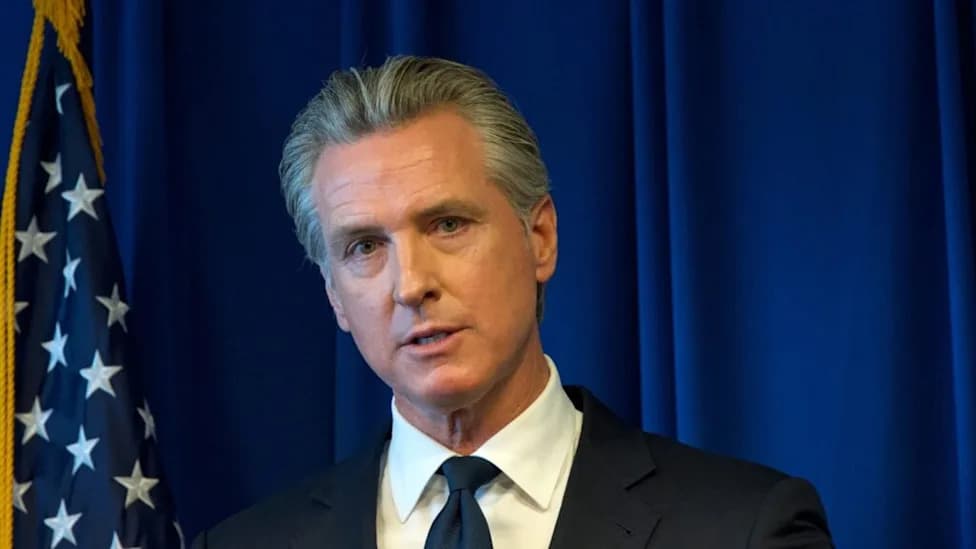
California Governor Gavin Newsom on Wednesday signed an executive order directing state agencies to continue using the terms "Artificial Intelligence" and "AI," explicitly rejecting President Donald Trump's recent federal rebranding of the technology as "Super Intelligence." The move underscores California's effort to retain consistent terminology while emphasizing state leadership on AI safety, security and consumer privacy.
What Newsom's Order Says
The executive order declares that, "notwithstanding any rebranded or different terminology used by the federal government," all California agencies and departments under the governor's authority must use the terms "Artificial Intelligence" and "AI" in official communications and documents. The text of the order criticizes the White House's rebranding as an effort to distract from what it describes as an "impotent and craven failure to take action to address well-documented emerging security and safety risks posed by that thing."
Related Legislation
Alongside the executive order, Newsom signed state laws that limit how employers may use AI. The new measures ban employers from relying on AI to make disciplinary or layoff decisions and require companies to provide notice if AI adoption results in a mass layoff.
Newsom's Reaction to the White House
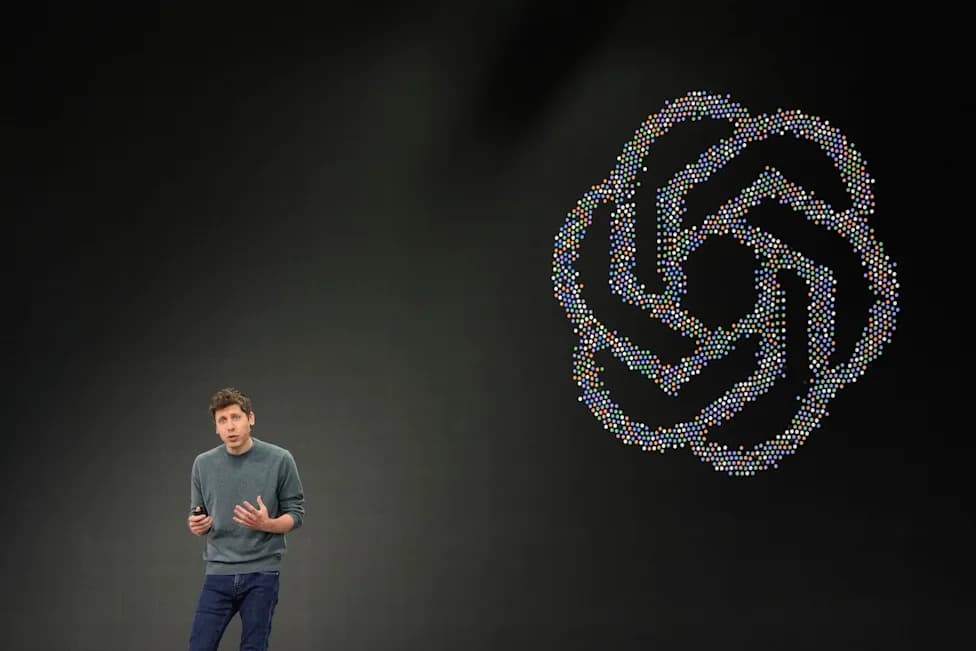
Newsom criticized a recent White House meeting with AI industry leaders and the voluntary safety accord they signed. He said in an accompanying statement:
"Super intelligence is clearly not coming from the White House,"
and later added during remarks about the Washington meeting:
"What I heard in Washington, D.C., yesterday is bullshit and that should scare the hell out of everybody. The idea that maybe big pharma is going to come in tomorrow and say, 'We don't need to be regulated by the FDA anymore.' Maybe the airline industry is going to come in and say, 'Hey, we got this. The laws are already strong enough. We don't need an FAA.' Give me a break."
What The White House Did
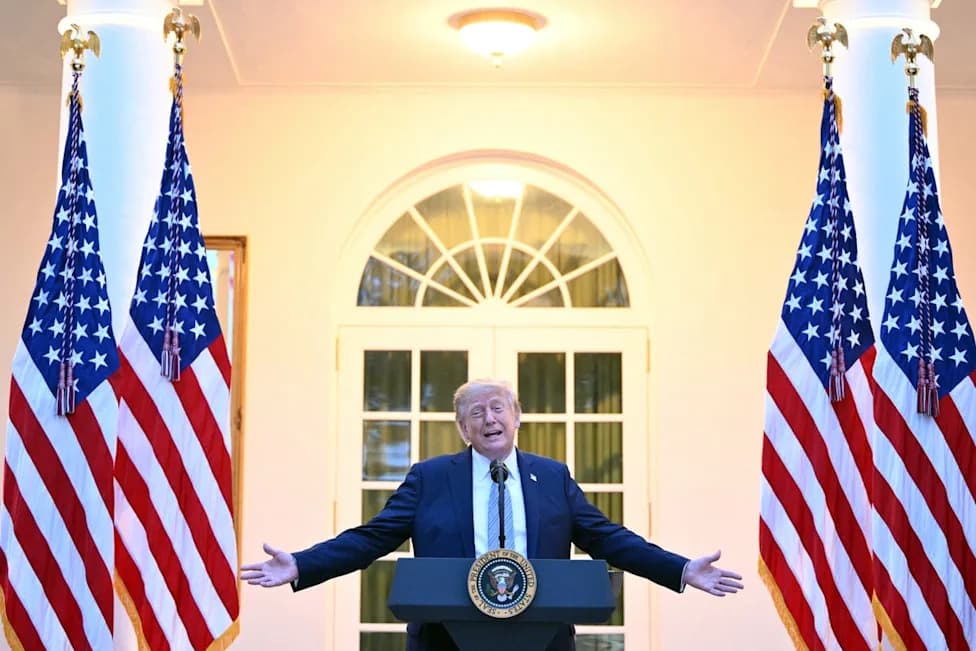
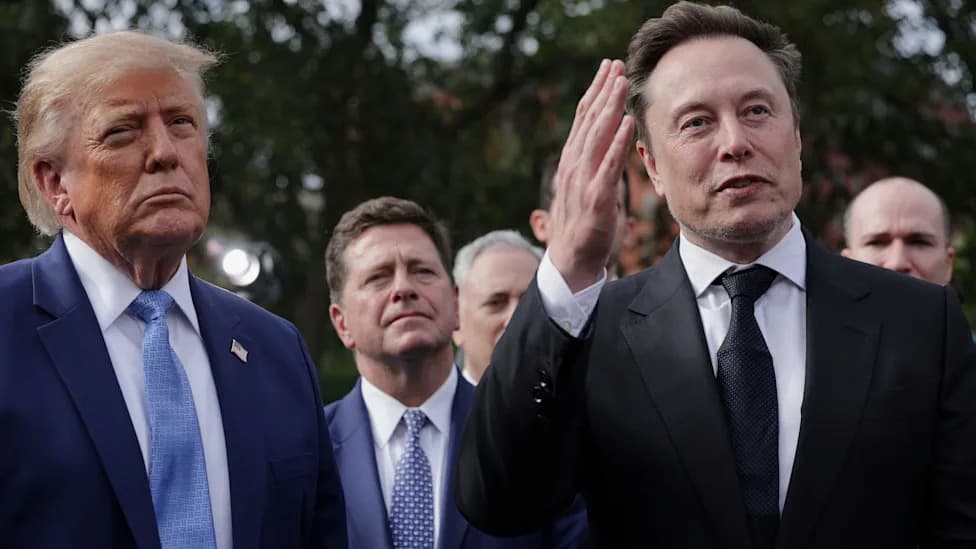
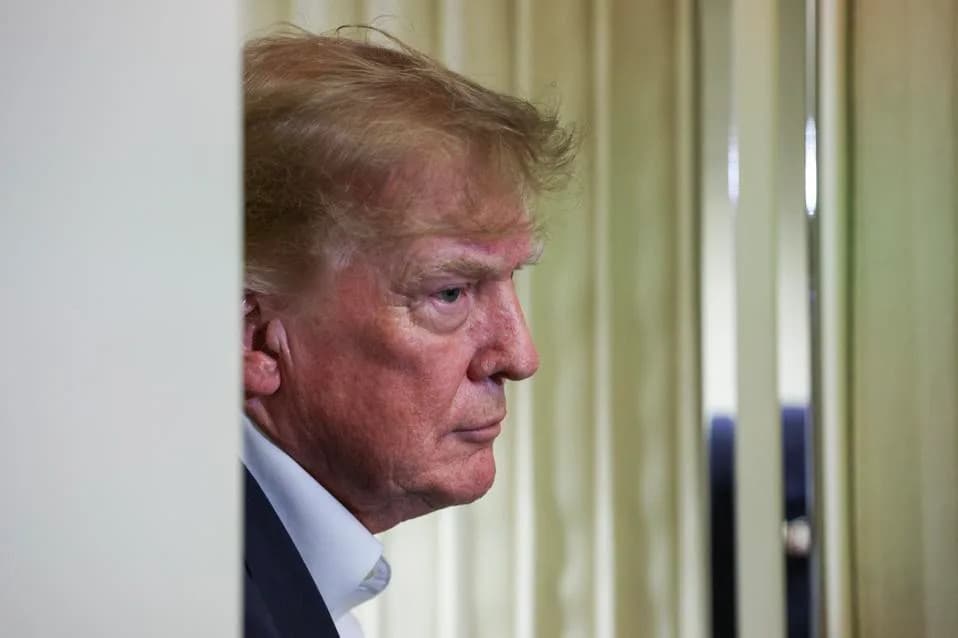
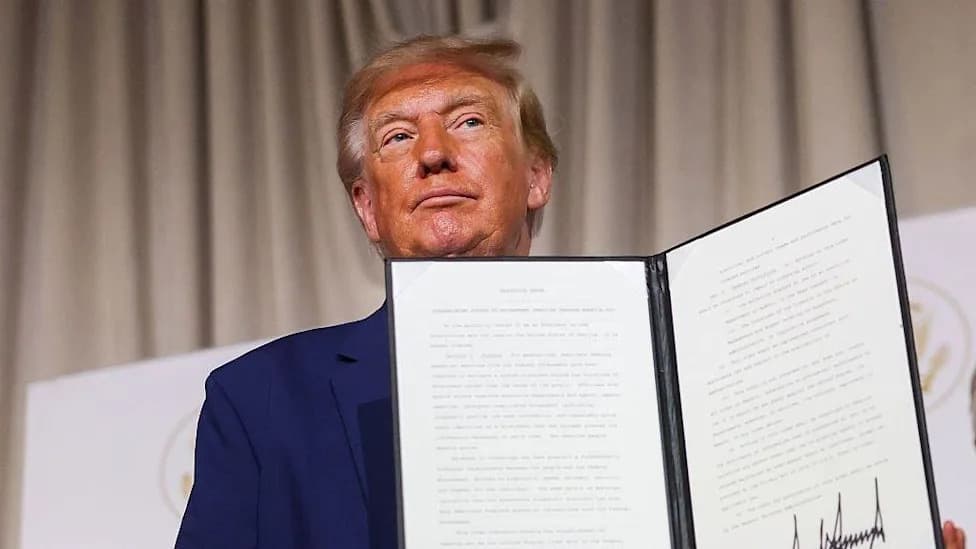
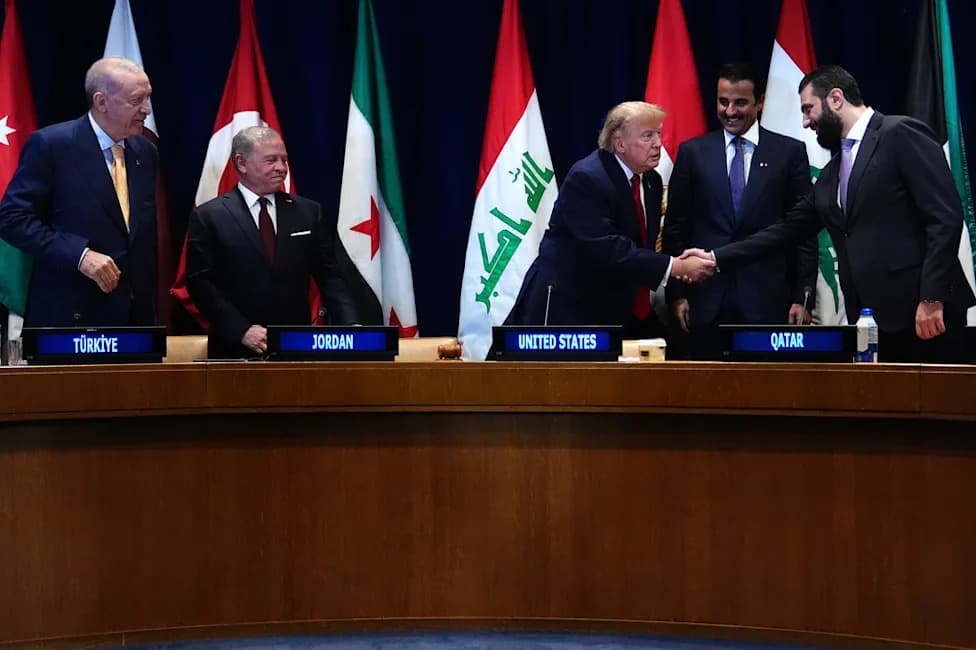
On Tuesday, President Trump signed an executive order instructing federal departments and agencies to use the terms "Super Intelligence" and the abbreviation "SI" in official communications and documents, and to stop recognizing the usage of "Artificial Intelligence" and "AI" in applicable settings. The order described modern frontier AI models as "extraordinary technologies" that "far exceed what was envisioned when the term 'Artificial Intelligence' first came into use."
Public Push And Polls
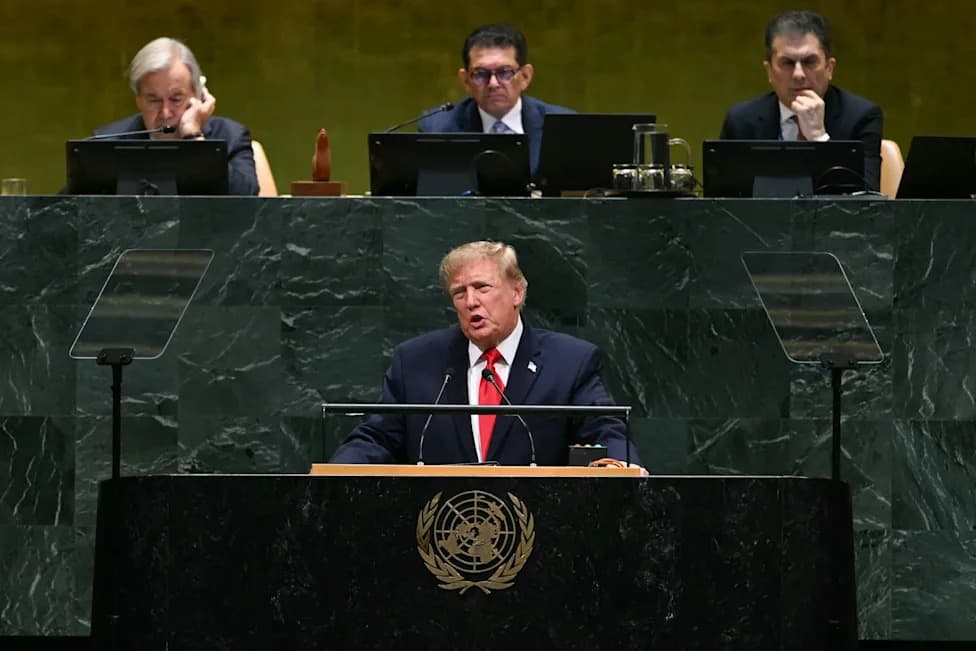
Earlier this month, the president ran polls on his social platform asking followers to propose a new name for AI, calling "Artificial Intelligence" "inaccurate, and very ineloquent." He floated options such as "Superior Intelligence," "Extreme Intelligence," and "Super Intelligence." A poll that drew roughly 66,000 votes initially favored "Superior Intelligence," and a subsequent poll pitted that option against "Super Intelligence," with the latter receiving more votes. Trump has used the phrase "Super Intelligence" in public remarks, including at the United Nations General Assembly, arguing that the word "artificial" makes the technology sound fake.
Context: California is home to major AI companies and research institutions, and the state's move reflects ongoing debates about governance, safety standards and corporate accountability. This article was originally published on Forbes.com.
Help us improve.