Two federal lawsuits filed by Brent Ganger and Rebecca Good allege ICE agent Jonathan Ross was not endangered when he shot and killed Renée Good on January 7. The complaints, one under the Federal Tort Claims Act and the other invoking the Ku Klux Klan Act and Bivens, contend video shows Good attempting to drive away while Ross fired three times from a position out of her vehicle's path. Plaintiffs cite Supreme Court precedent and DHS policy to argue the use of deadly force was unjustified and criticize officials who accepted a self‑defense narrative without a full investigation.
Two Federal Lawsuits Challenge ICE Agent Jonathan Ross’s Self‑Defense Claim in Shooting of Renée Good
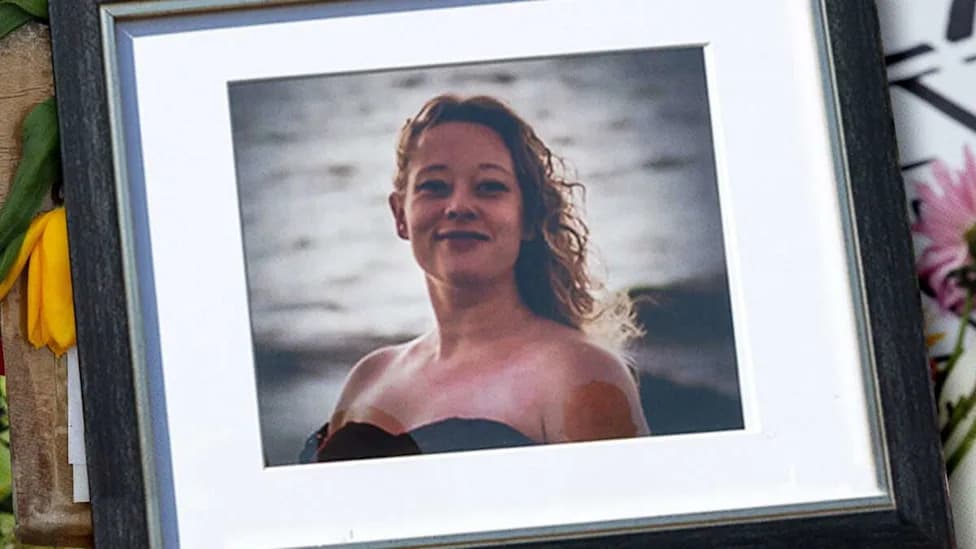
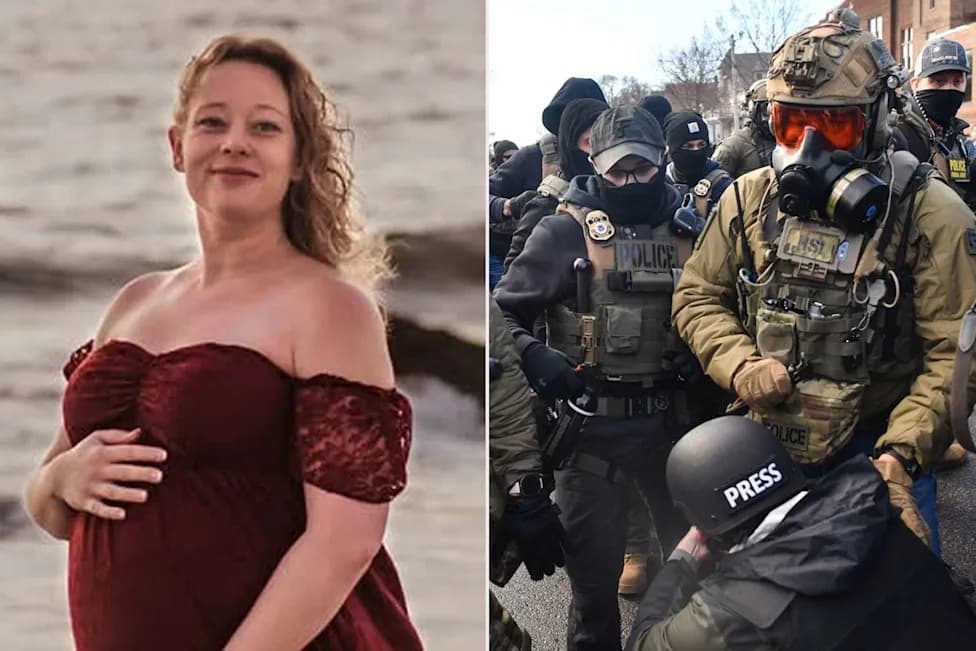
Renee Good Aashish Kiphayet/Zuma Press/Newscom/Ruhuntn/Dreamstime
Two federal lawsuits filed by the family of Renée Good allege that Immigration and Customs Enforcement (ICE) agent Jonathan Ross was not in danger when he fired three shots into the Honda Pilot she was driving on January 7, and that his use of deadly force violated the Fourth Amendment and Department of Homeland Security (DHS) policy. The complaints, filed in the U.S. District Court for the District of Minnesota, were brought by Good's brother, Brent Ganger, and her domestic partner, Rebecca Good.
What The Complaints Allege
According to the Federal Tort Claims Act (FTCA) complaint and a companion suit invoking the Ku Klux Klan Act and Bivens, Ross exited an unmarked Chevrolet Tahoe while holding his cellphone and recording. Video captured by bystanders and by Ross himself shows Renée Good calm in the driver's seat, speaking through an open window and saying, "That's fine, dude. I'm not mad at you. I'm not mad at any of you." After a brief exchange, Ross fired three rounds into her vehicle. The lawsuits allege Ross was not in the vehicle's path when he shot and that his left arm only contacted the car because he leaned forward to create a shooting position.
Timeline From The Lawsuits And Video
The complaints say Renée and Rebecca Good were returning from dropping Renée's six‑year‑old son at school when they stopped on Portland Avenue between 33rd and 34th Streets and Renée honked to alert neighbors to ICE's presence. Rebecca stepped out to film. Other vehicles, the complaints note, drove around the partially stopped Honda Pilot without incident.
When two other ICE agents arrived, one shouted, "Out of the car. Get out of the fucking car," while another told Renée to drive away. Rebecca urged Renée, "Drive, baby, drive." Renée reversed slightly, turned the wheels to the right away from Ross and began to move forward slowly. The FTCA filing states that Ross moved his legs and body out of the vehicle's path, drew his firearm with his right hand, and then leaned forward and fired. One bullet hit Good in the left temple, another passed through her left forearm, and the SUV subsequently struck a parked car.
Legal Standards Cited
The plaintiffs frame their claims against established legal standards. They cite Tennessee v. Garner (1985), which limits deadly force against fleeing suspects unless the officer has probable cause to believe the suspect poses a significant threat of death or serious physical injury, and Graham v. Connor (1989), which requires courts to assess the "totality of the circumstances" in evaluating whether force is "objectively reasonable." The complaints also point to the Supreme Court's recent instruction in Barnes v. Felix that courts must consider events leading up to a use of force and not focus solely on the final instant of danger.
DHS Policy And Alleged Violations
Plaintiffs argue Ross violated DHS use‑of‑force directives that warn agents against intentionally placing themselves in positions where they have "no alternative to using deadly force," require consideration of hazards from an out‑of‑control vehicle before firing, and emphasize de‑escalation and a duty to intervene. The suits allege Ross stood at the vehicle's front‑left, filmed with one hand, and leaned in to shoot despite other reasonable alternatives — such as remaining out of the car's path and allowing Renée to turn away.
The complaints also claim agents prevented immediate medical aid and impeded a physician who offered help. An FTCA filing quotes an agent on scene telling a bystander who offered assistance to "back up, now!" and, after the bystander identified himself as a physician, responding, "I don't care."
Aftermath And Official Response
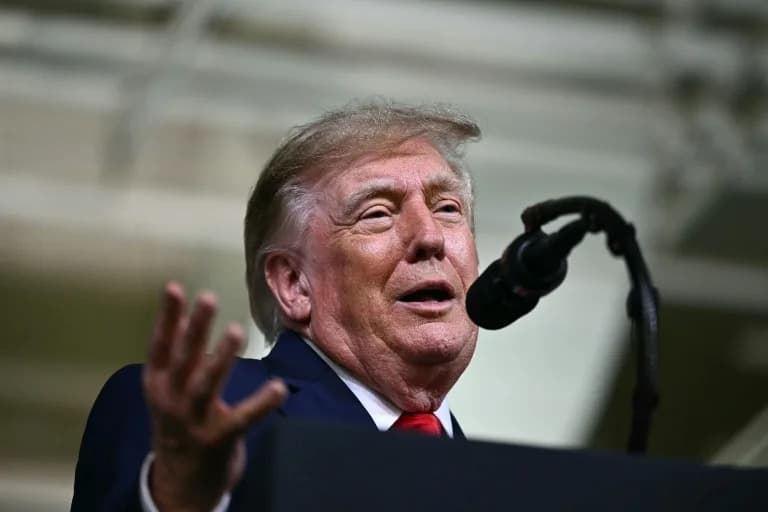
Public officials initially characterized the encounter as a violent attempt to run over officers. Then‑DHS secretary Kristi Noem said Good had "weaponize[d] her vehicle," and former President Donald Trump said Good "violently, willfully, and viciously ran over the ICE Officer." Days later, Minnesota's then‑deputy attorney general Todd Blanche said authorities do not "just go out and investigate every time an officer is forced to defend himself," a remark plaintiffs say amounted to a premature assumption of lawful force without full investigation.
Who Is Named And What They Seek
One suit seeks damages from the U.S. government under the FTCA. The second asserts constitutional claims under Bivens and civil‑rights claims under the Ku Klux Klan Act, naming Ross, ten unnamed ICE agents, Kristi Noem, and several federal officials. If the plaintiffs' factual allegations are proven, their lawyers contend, Ross's use of deadly force was neither reasonable nor necessary under federal constitutional law, DHS policy, or Minnesota self‑defense standards.
Key Allegation: "At no time was Ross at risk of being run over by the vehicle," the FTCA filing says, adding that any contact came because Ross leaned in to shoot.
These lawsuits augment the public record — video footage and competing official statements — and heighten scrutiny of whether the shooting was justified. The courts will now weigh the evidence, legal precedent, and DHS standards to determine whether the agent's self‑defense claim can withstand civil liability and constitutional scrutiny.
Help us improve.