Key Takeaway: NATO Secretary General Mark Rutte says Vladimir Putin understands what would trigger Article 5, even as the alliance keeps its exact red lines secret. Rutte warned that NATO has a range of response options — some public, some covert — to counter Russian hybrid attacks and cited efforts to disrupt Moscow's shadow fleet and the Baltic Sentry operation. He called the attacks a sign of Russian desperation, urged Europe to strengthen its defences, and warned a China‑Taiwan conflict could create a two‑theatre crisis.
NATO's Rutte: Putin 'Clear‑Eyed' On What Would Trigger Article 5 — Alliance Has Covert Response Options
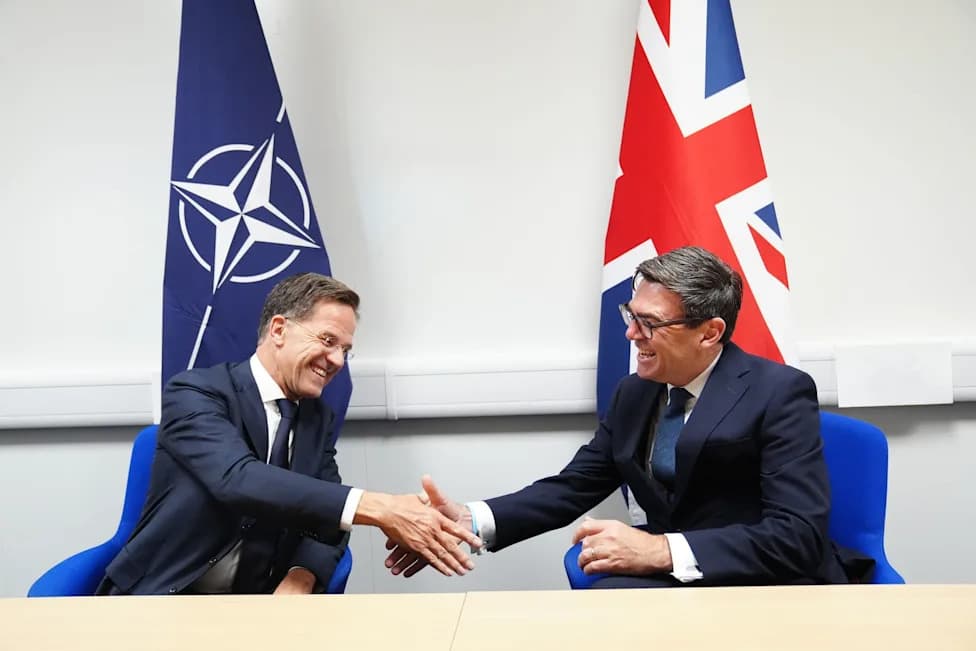
UK Prime Minister Andy Burnham (R) and NATO Secretary General Mark Rutte shake hands during a visit to see cutting-edge defence technology at RAL Space, the UK's National Space Laboratory, at the Harwell Science and Innovation Campus in Didcot. (is associated with: «NATO chief says Vladimir Putin 'clear-eyed' on Article 5 threshold») Stefan Rousseau/PA Wire/dpa
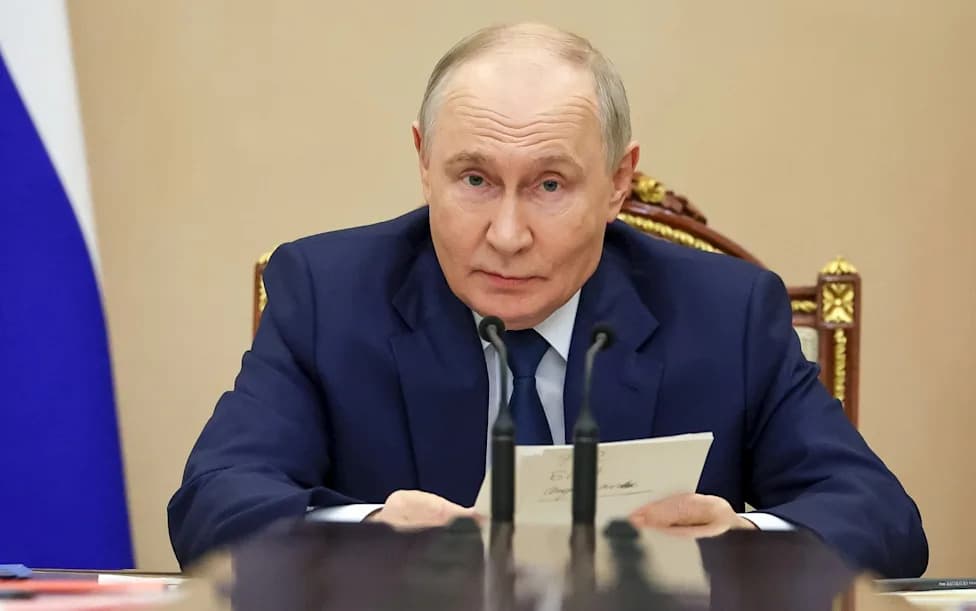
NATO Secretary General Mark Rutte warned that Russian President Vladimir Putin is "clear‑eyed" about what would trigger the alliance's Article 5 mutual‑defence clause, even though NATO deliberately keeps its red lines ambiguous.
In an exclusive interview with the Press Association, Rutte said the alliance has a full range of responses to counter Russia's uptick in hybrid attacks, but stressed that not every measure will be public or symmetrical.
"We will never talk about what exactly is triggering Article 5. That ambiguity is there, and it will stay there. But the Russians, I can assure you, I think, are clear‑eyed on what that would be," Rutte said.
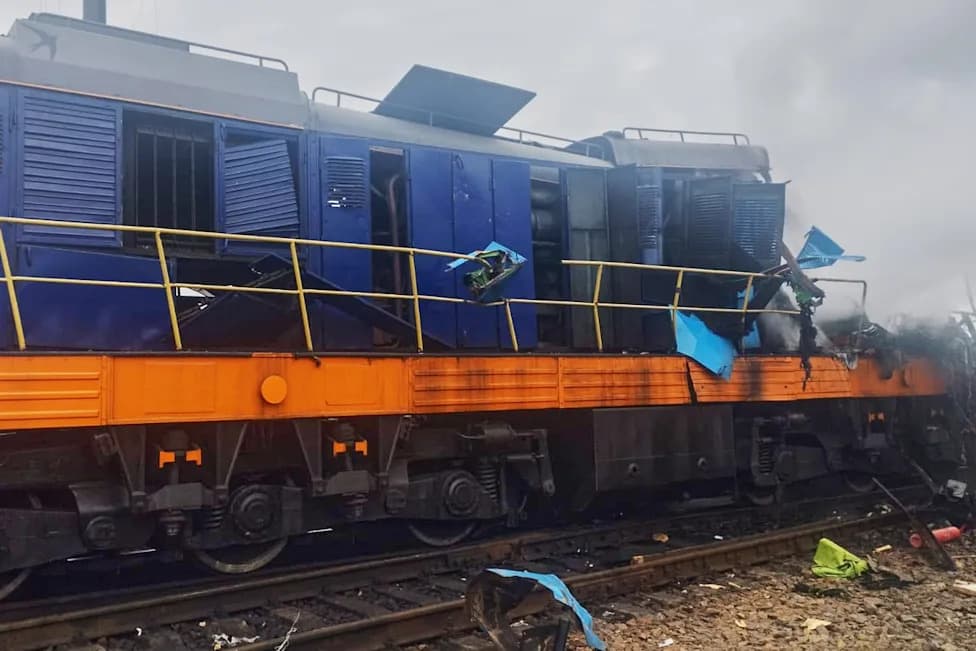
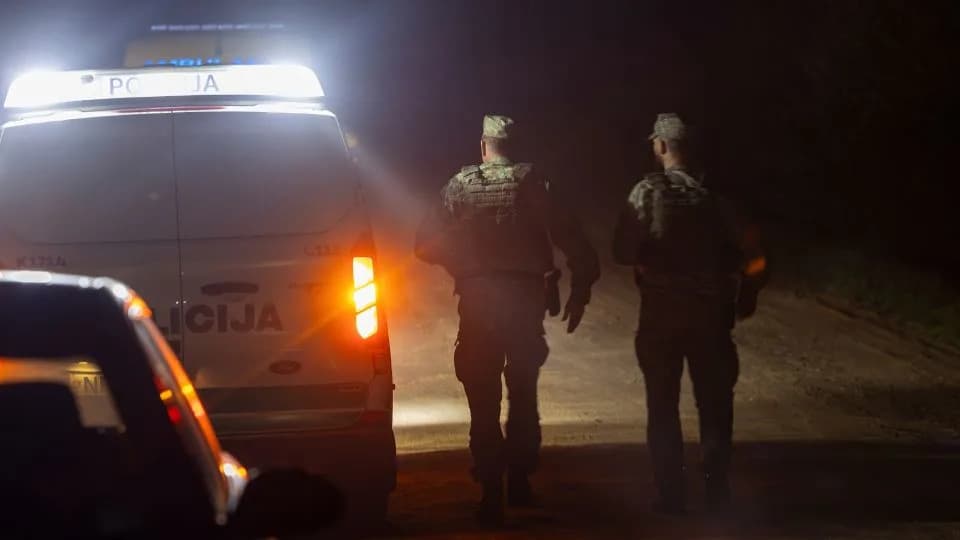
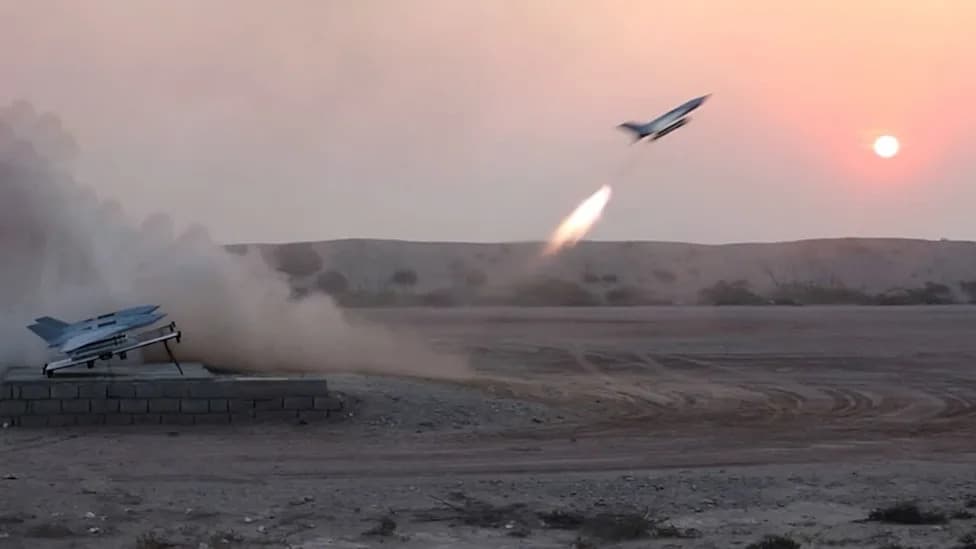
European governments have accused the Kremlin of running a campaign of sabotage and disruption across the continent, pointing to incidents such as an attempted drone attack at a German airport and damage to undersea infrastructure. These actions have prompted intense debate about whether a so‑called hybrid assault could cross the threshold that would activate Article 5.
Rutte emphasised that NATO has both symmetric and asymmetric options available: "We have all the response options we need. It will not always be public. It will not always be tit for tat. So some are symmetric, some asymmetric." He cited efforts to disrupt Moscow's so‑called shadow fleet ferrying sanctioned oil and the NATO Baltic Sentry operation launched after damage to critical undersea cables as examples of the alliance's toolbox.
Describing the hybrid campaign as "a clear sign of Russian desperation," Rutte linked the tactics to Moscow's heavy casualties in Ukraine and to Kyiv's growing ability to strike deeper inside Russian territory.
Rutte also urged European states to bolster their own defence capabilities. He warned a Chinese military move against Taiwan could create a two‑theatre crisis — with the Indo‑Pacific and the Euro‑Atlantic both becoming active fronts — arguing that such a scenario could pressure Russia to act against European interests.
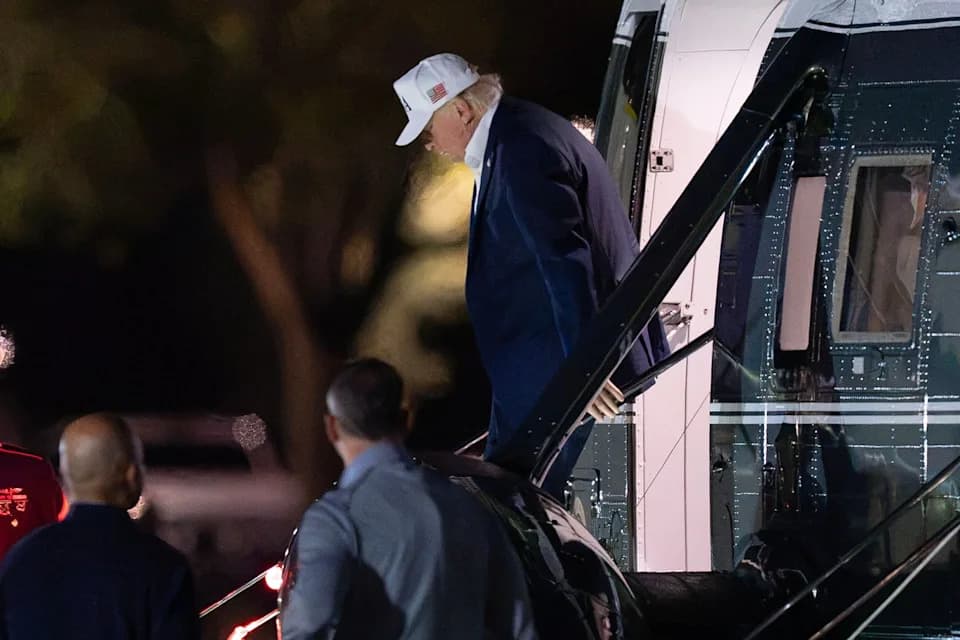
The comments came amid a US six‑month review, begun in July, of America's military footprint in Europe. While the review renewed concern among NATO allies about possible force reductions, Rutte said he was "not worried" and stressed the need for the United States to remain strong both in Europe and in the Indo‑Pacific.
Rutte made the remarks during a visit to the United Kingdom, where he held talks with senior ministers including Greater Manchester Mayor and Prime Minister–designate Andy Burnham, Foreign Secretary Ed Miliband and Defence Secretary Wes Streeting.
Help us improve.