Congressman Raja Krishnamoorthi warns U.S. intelligence now contemplates limited Russian operations against a NATO member — possibly as early as this fall. He argues deterrence requires clear U.S. and NATO resolve and adequate military capacity. With Estonia, Latvia, and Lithuania spending nearly 5% of GDP on defense, Krishnamoorthi calls for expanded air defenses, counter-drone systems, hardened infrastructure, replenished munitions, and weapons co-production with Ukraine and allies to ensure credibility.
Act Now: Deter A Potential Russian Strike On The Baltics, Congressman Warns

Russian President Vladimir Putin grimaces during his press conference, on September 1, 2026 in Bishkek Kyrgyzstan.
Vladimir Putin has spent years probing Western resolve, and U.S. intelligence now warns he may test NATO’s eastern flank — potentially as soon as this fall. Congress and NATO must act decisively to ensure any attempt to exploit perceived weakness is met with unmistakable deterrence.
Why This Matters
Public reporting based on U.S. officials' assessments says American intelligence contemplates limited Russian operations against a NATO member. These scenarios range from disruptive cyberattacks and sabotage to unmarked armed groups, drone strikes, false-flag incidents, or a small territorial incursion along NATO’s eastern flank. A limited strike designed to probe NATO’s will could rapidly escalate if the alliance appears uncertain or under-resourced.
Mixed Signals and Perceived Weakness
Deterrence depends on credibility. Russian leaders must not be left to doubt NATO’s resolve or ability to defend the Baltics. President Trump has at times questioned U.S. obligations to defend NATO partners, saying, "if they don't pay, I'm not going to defend them," though he has since reaffirmed Article 5. Mixed messages from U.S. leadership, combined with concerns about munitions stocks following the conflict with Iran, risk encouraging Kremlin gambles.
Public reporting suggests Moscow views U.S. forces and supplies as stretched. One source summarized that view bluntly: Washington is "depleted and can't intervene." In response, CIA Director John Ratcliffe reportedly traveled to Moscow to warn Russian officials against attacking NATO, with particular concern about the Baltic states.
How Russia Might Test NATO
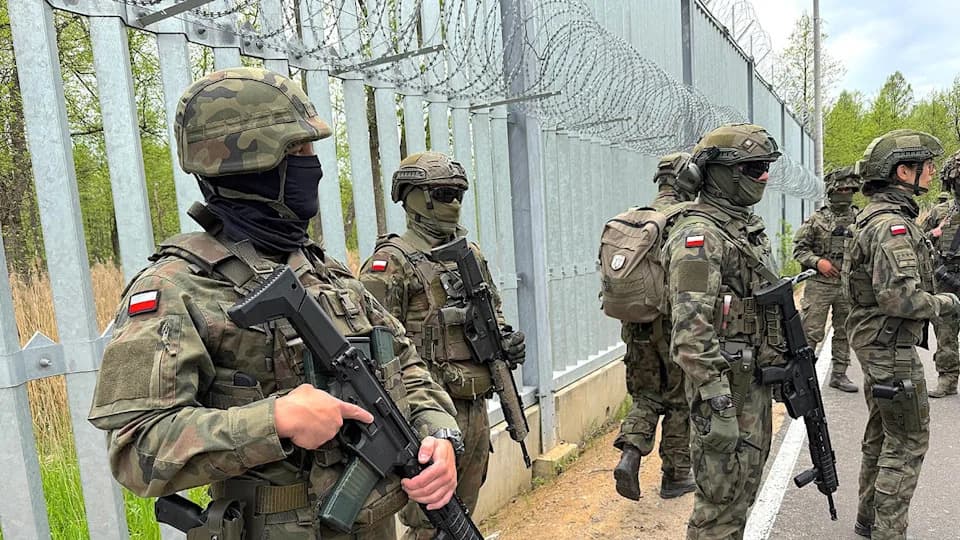
Estonia, Latvia, and Lithuania report no signs of an imminent large-scale invasion, which is reassuring. But modern hybrid tactics mean Putin would not need tanks at their borders to create a crisis. Potential tactics include:
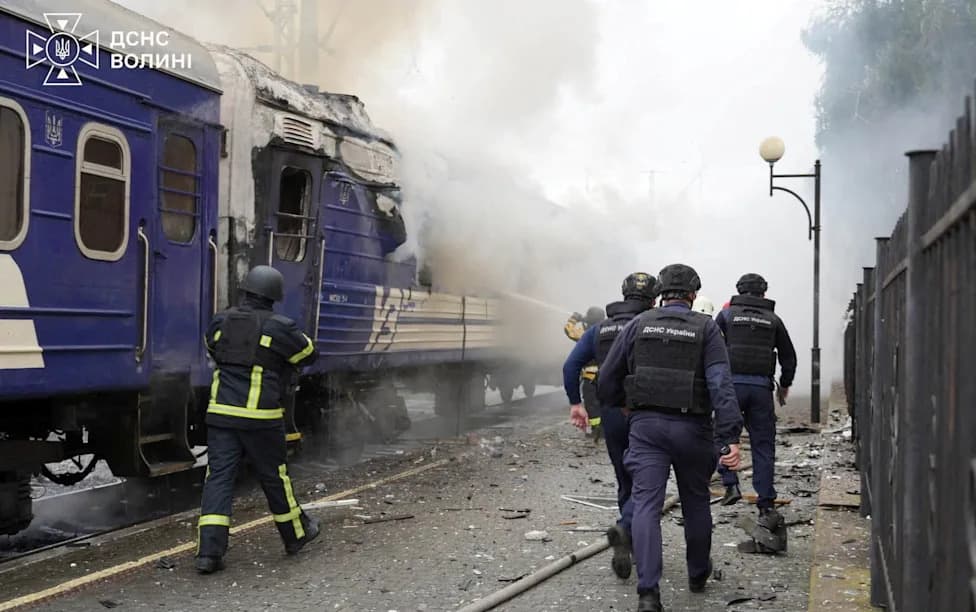
- Drone strikes against power plants or critical infrastructure
- Cyberattacks that disrupt communications, energy, or transport
- Sabotage or arson framed as false-flag operations
- Limited ground incursions by unmarked forces
Such attacks could cause civilian casualties, destroy essential infrastructure, and test whether NATO responds promptly and effectively.
What Should Be Done
The Baltic states are already investing heavily in defense — collectively spending nearly 5 percent of GDP — and increasing protections around critical infrastructure. The United States and NATO should match that investment by converting capability into concrete defenses:
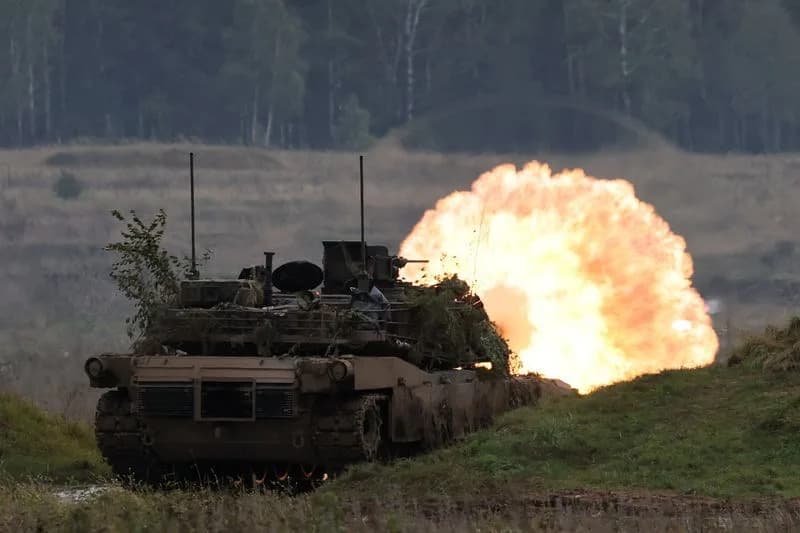
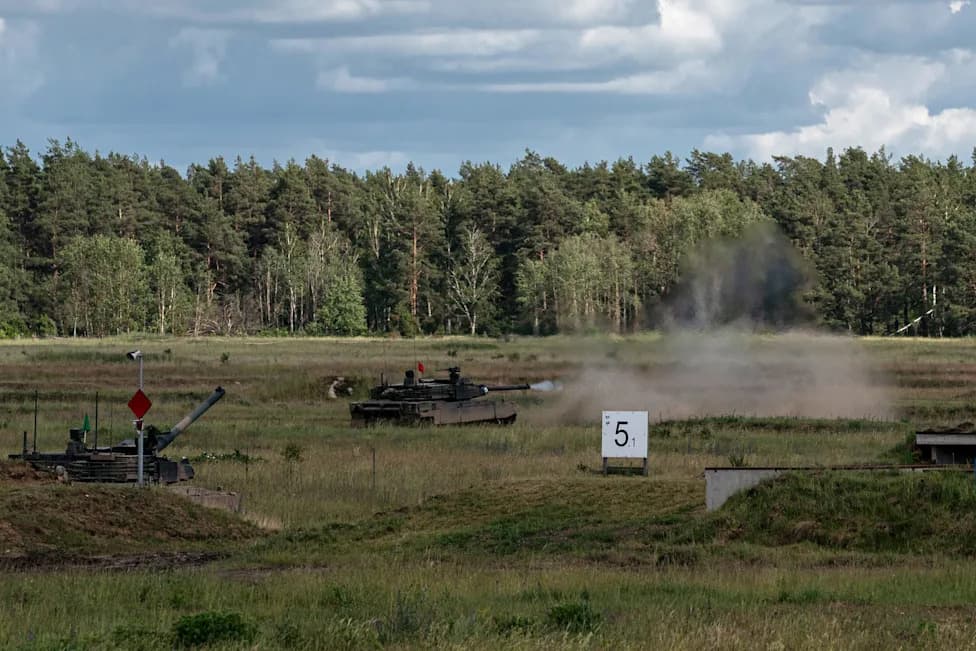
- Deploy and expand air and missile defenses and missile interceptors
- Accelerate counter-drone systems and electronic-warfare capabilities
- Harden energy, communications, and transport infrastructure
- Replenish ammunition stocks and long-range fires
- Expand cyber defenses and intelligence-sharing with Baltic partners
- Ramp up weapons co-production with Ukraine and NATO allies to increase regional supply
Placing more air-defense assets, munitions, and co-produced weapons closer to NATO’s eastern flank would both assist Ukraine and strengthen deterrence for the alliance.
Conclusion
If Putin believes the United States is stretched thin or politically divided, he may calculate he can act without facing unacceptable costs. That miscalculation would force a terrible choice: a wider war with Russia or a failure to honor NATO’s collective defense — the very outcome deterrence exists to prevent. We must not allow that to happen.
Recommendations: Strengthen Baltic air defenses; protect critical infrastructure; expand weapons co-production with Ukraine and allies; replenish munitions; and make America’s Article 5 commitment unmistakable. Putin should see no weak link, no soft target, and no opportunity to divide the alliance.
Congressman Raja Krishnamoorthi serves on the House Permanent Select Committee on Intelligence and represents Illinois' 8th Congressional District. The views expressed here are his own.
Help us improve.