European governments are stepping up civil-defense measures after intelligence warnings — including a reported CIA alert and a Danish assessment — that Russia could intensify hybrid operations or carry out limited strikes against NATO members. Officials warn of drone attacks launched from commercial vessels, cyberattacks, sabotage, and other provocations designed to blur the threshold for collective defense. Brussels and national capitals are boosting stockpiles, hospital planning, early-warning systems, and public guidance; leaders stress the threat is serious but that a full-scale NATO invasion is not judged imminent.
Europe Accelerates Civil-Defense Preparations Amid Warnings Of Escalating Russian Hybrid Attacks
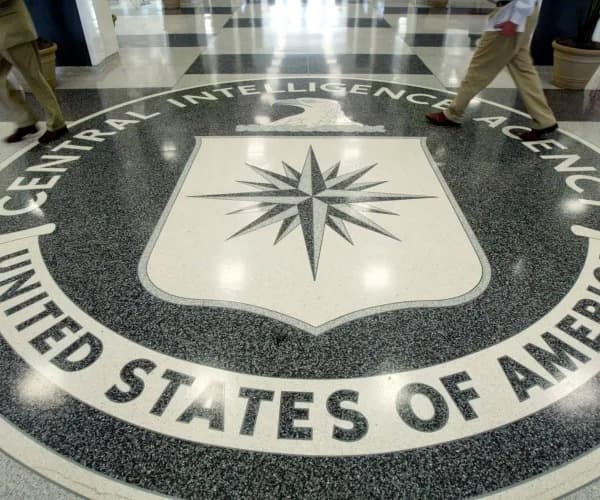
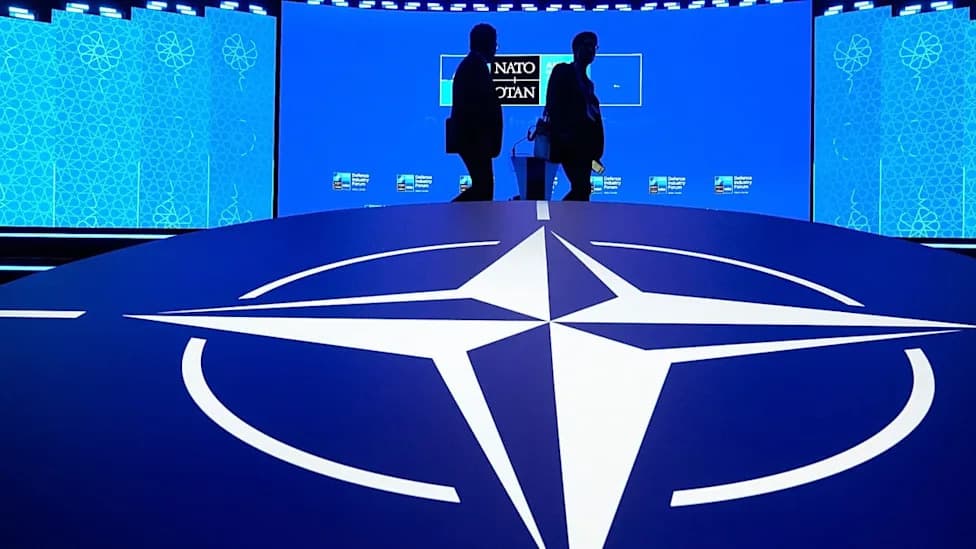
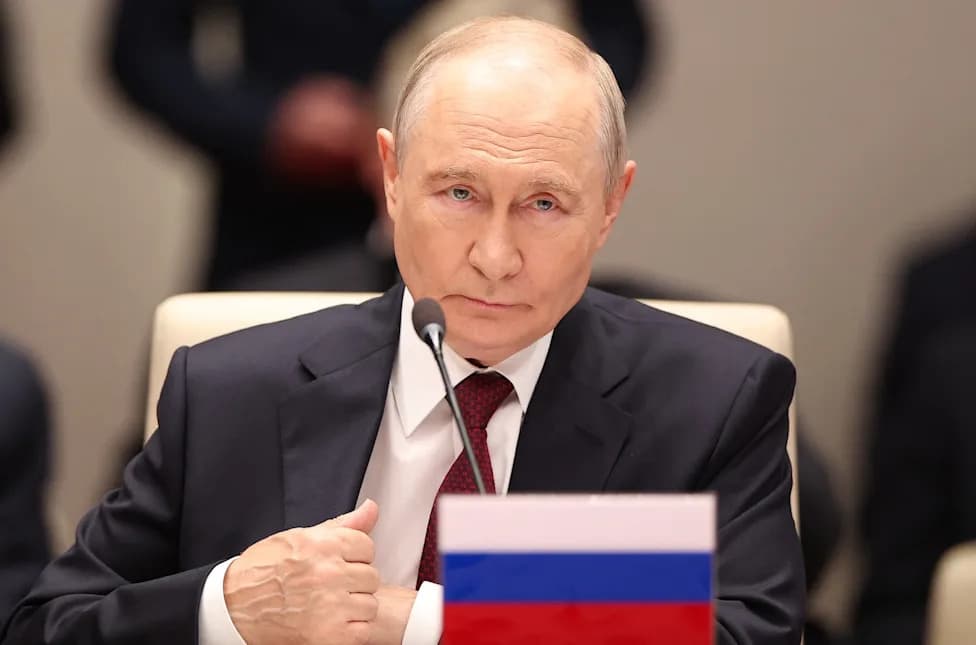
(Mark Wilson/Getty Images)
European governments are rapidly reinforcing civil-defense plans after intelligence warnings — including a reported CIA alert and a fresh Danish assessment — that Russia may intensify hybrid operations or carry out limited military strikes against NATO members in the coming months.
Intelligence Assessments And Political Warnings
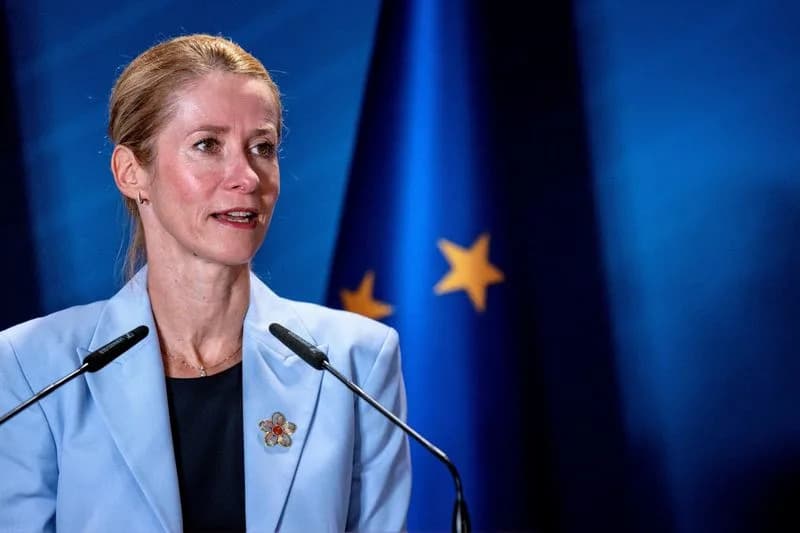
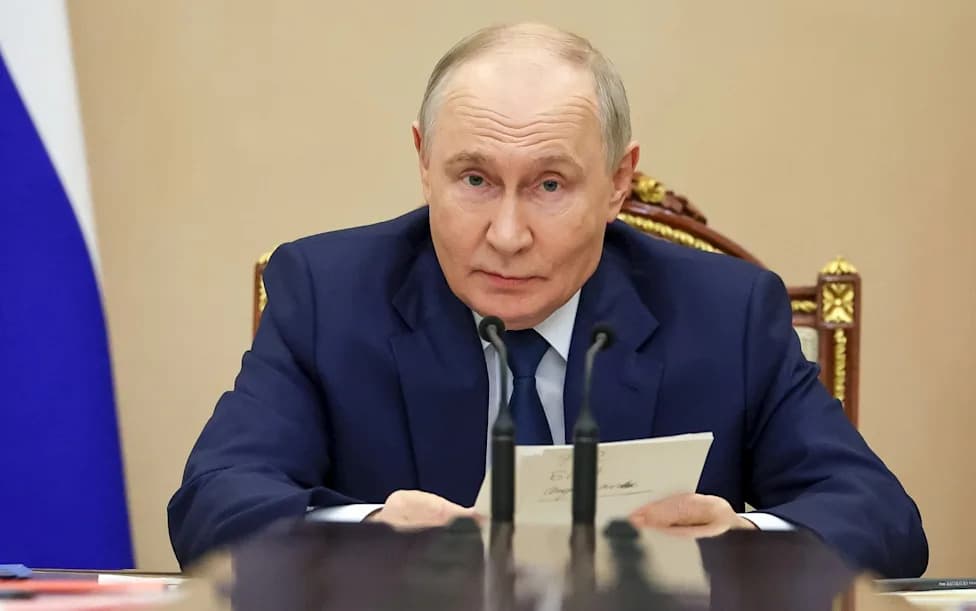
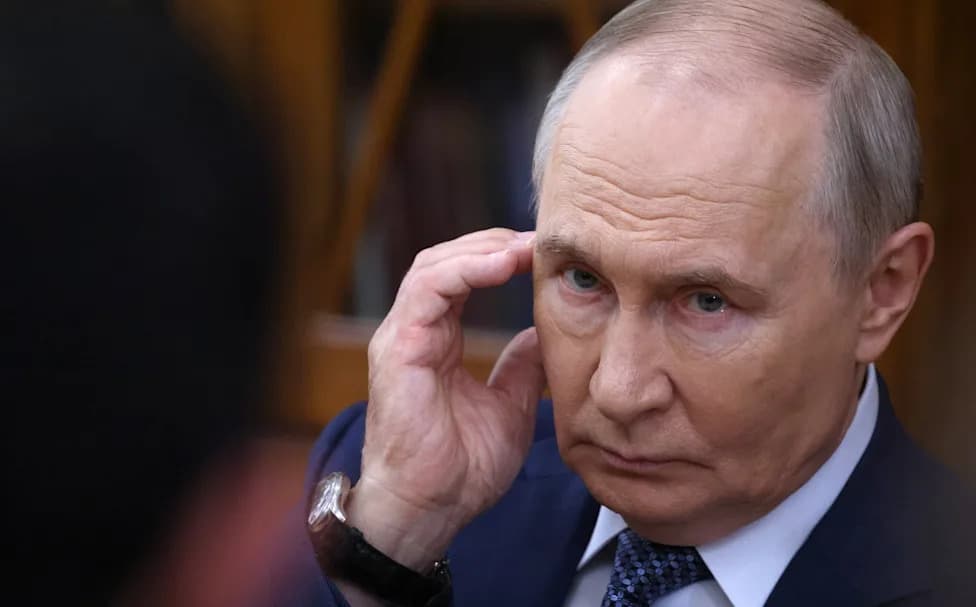
Officials across Europe have reacted to increasingly stark reports: a reported U.S. intelligence alert, Denmark’s Defense Intelligence Service (FE) unclassified threat assessment, and blunt remarks from Poland’s prime minister. Italian Prime Minister Giorgia Meloni said Russian provocations appear to be rising as Moscow seeks to shift attention away from setbacks on the battlefield. British Air Chief Marshal John Stringer, NATO’s deputy supreme allied commander, warned that President Vladimir Putin is becoming "increasingly cavalier, dangerous, and risk accepting." Polish Prime Minister Donald Tusk has warned that intelligence seen by Warsaw points to possible hybrid drone and missile strikes against countries supporting Ukraine.
Credible Scenarios Driving Concern
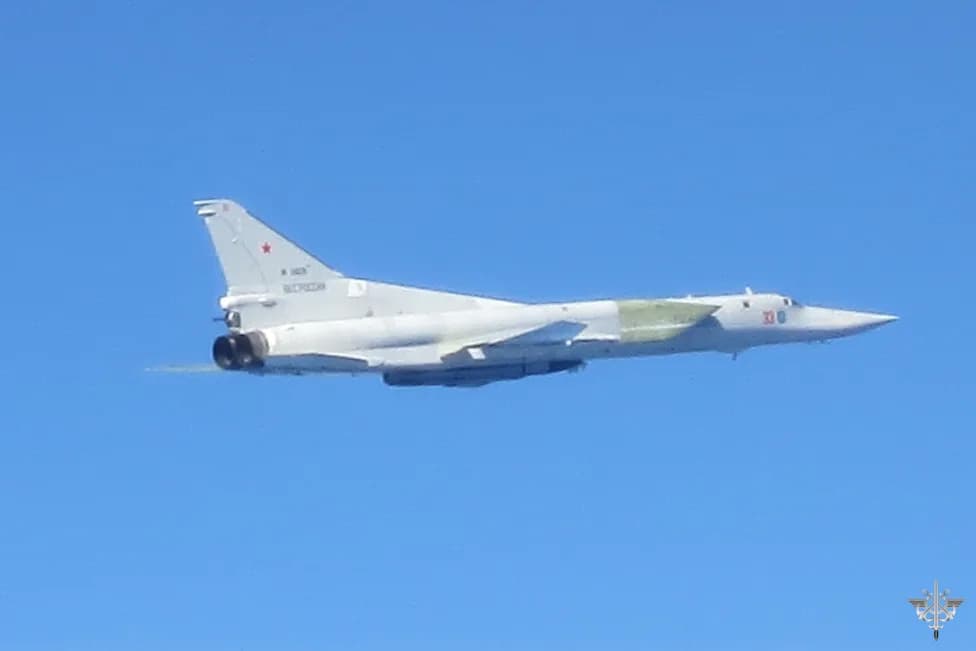
One reported scenario circulating in European capitals involves drones — possibly with ranges of roughly 600 kilometers — launched from ships disguised as commercial traffic and directed at targets in southern Europe, including Spain, France, or Italy. Denmark’s FE said Russia is likely to escalate its "hybrid war against NATO and the West" and assessed a "low, but increasing" risk that Moscow could carry out limited military attacks on a NATO country even as the war in Ukraine continues. FE added that a full-scale invasion of a NATO country is still unlikely but "can no longer be excluded."
Civil-Defense Measures Underway
European institutions and national governments are rebuilding preparedness systems that atrophied after the Cold War. The European Commission’s Preparedness Union Strategy calls for guidelines to ensure citizens can be self-sufficient for at least 72 hours during a major emergency and for stronger standards for hospitals, schools, telecommunications, and transport. Brussels is also urging larger stockpiles of critical equipment.
Individual countries have issued concrete guidance: Norway recommends households prepare for one week without normal services; Sweden advises residents to identify shelters and keep emergency supplies (water, food, medicine, warm clothing, cash, ID, flashlights, power banks). Germany has committed $11 billion through 2029 to modernize civil protection, warning systems, equipment, and emergency capabilities, while expanding medical task forces and integrating hospitals into civil-military contingency plans. Lithuania has designated 23 strategically important hospitals as the backbone of its crisis medical system, and the Baltic states are deepening regional health cooperation for large-scale crises.
Recent Incidents And Campaigns
European and NATO officials point to multiple recent incidents and attributed campaigns that underscore the threat environment:
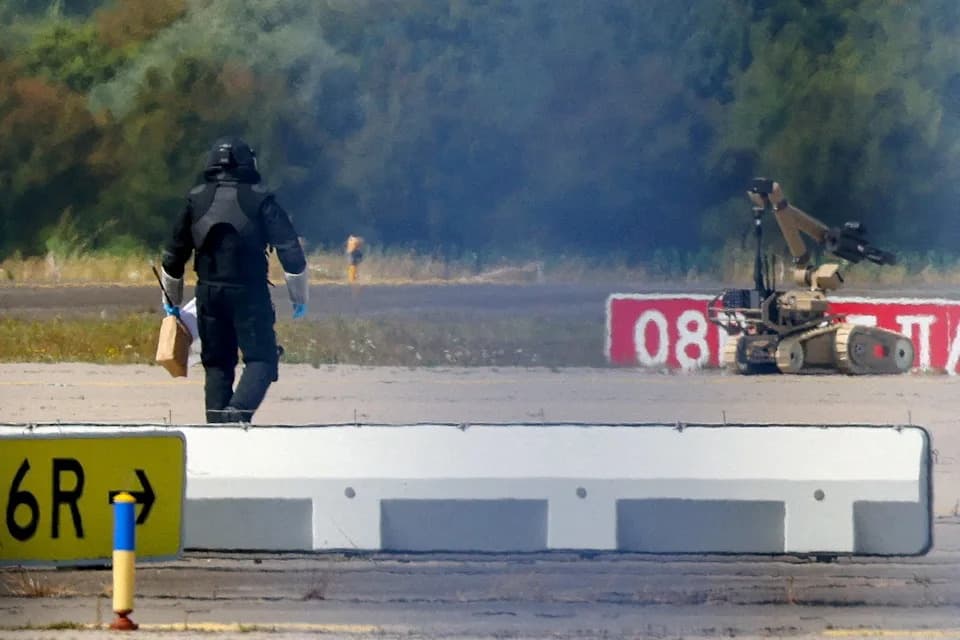
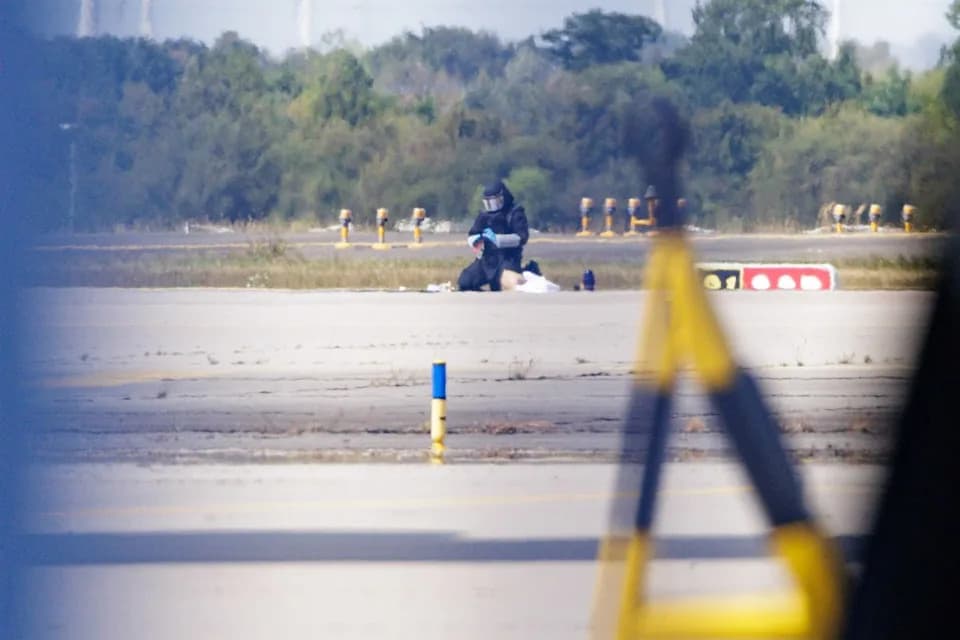
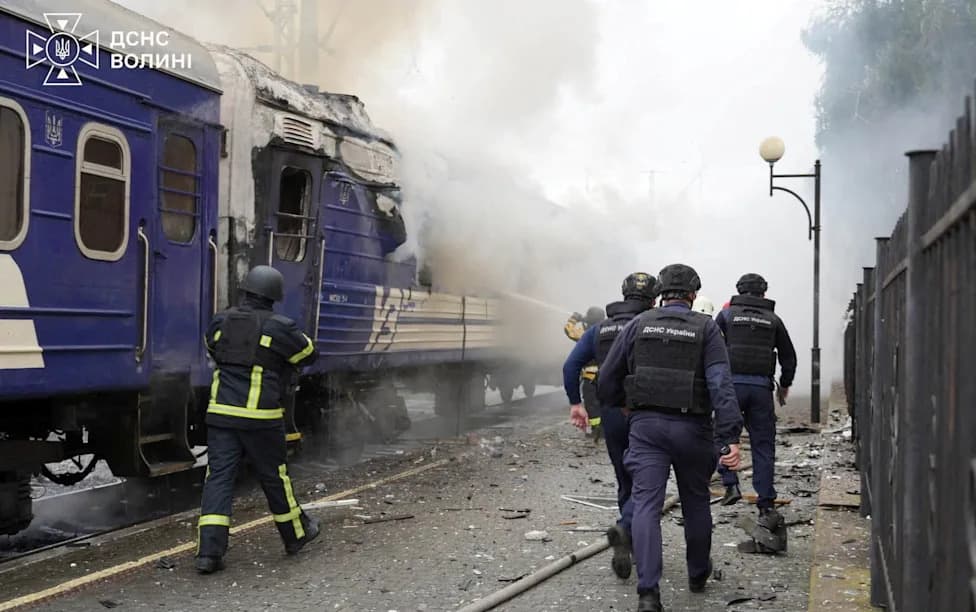
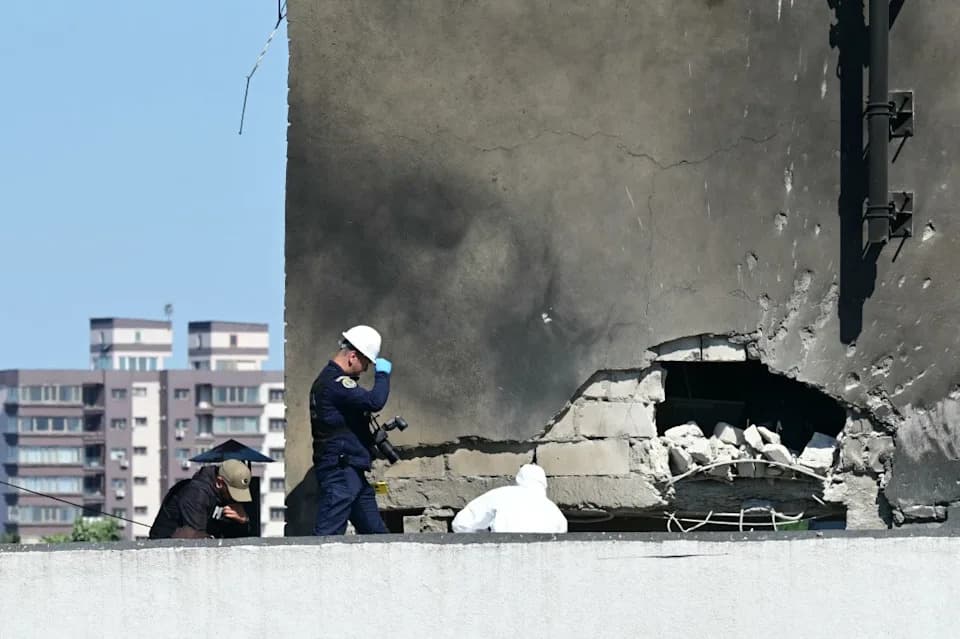
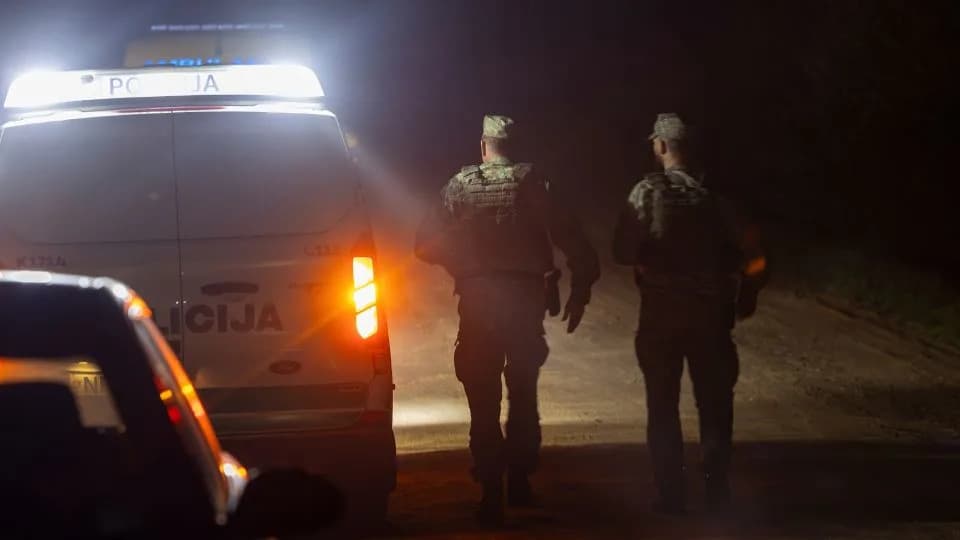
- Alleged Drone Attack (Germany): German authorities accused Russia of an attempted drone attack near Leipzig/Halle Airport in August; a drone carrying explosives was found near a Ukrainian aircraft. Moscow denied responsibility.
- Cyber Operations: NATO has condemned persistent Russian malicious cyberactivity against allied governments and critical infrastructure, and EU reports identify Russian-linked intrusions across multiple member states.
- Undersea Surveillance and GPS Disruption: The EU sanctioned entities accused of surveilling undersea infrastructure and conducting electronic-warfare activities such as GPS jamming and spoofing.
- Sabotage and Influence Operations: The European Council has accused Russia of coordinated sabotage, information manipulation, and other destabilizing measures.
- Unauthorized Drone Flights: Germany has reported a marked rise in unauthorized drone incursions over critical infrastructure since 2022, prompting expanded counter-drone powers and aviation-security steps.
Officials’ Framing And The Strategic Challenge
European leaders emphasize that they do not assess a large-scale Russian invasion of NATO as imminent. The immediate worry is a campaign of ambiguous, deniable actions — drones, sabotage, cyberattacks, and limited strikes — that can cause damage while creating uncertainty about whether NATO’s Article 5 collective-defense threshold has been crossed. Officials warn that deliberate ambiguity may itself be a Russian strategy to test and divide NATO responses.
Bottom line: Governments are urging calm while accelerating preparations: strengthening stockpiles, expanding hospital and medical planning, updating warning systems, and advising residents on basic emergency readiness.
Help us improve.