Denmark's Defence Intelligence Service says the risk of limited Russian military attacks on NATO countries is rising, though a full-scale invasion remains "highly unlikely." The DDIS warns Russia is likely to intensify hybrid actions — from sabotage to destructive cyber attacks — aimed at disrupting military aid to Ukraine. Denmark's PET reports active Russian preparations to target defence industry infrastructure. Western leaders have given mixed public assessments, underscoring the need for vigilance and allied coordination.
Denmark Warns Risk Of Limited Russian Attacks Is Rising; Full NATO Invasion Remains 'Highly Unlikely'
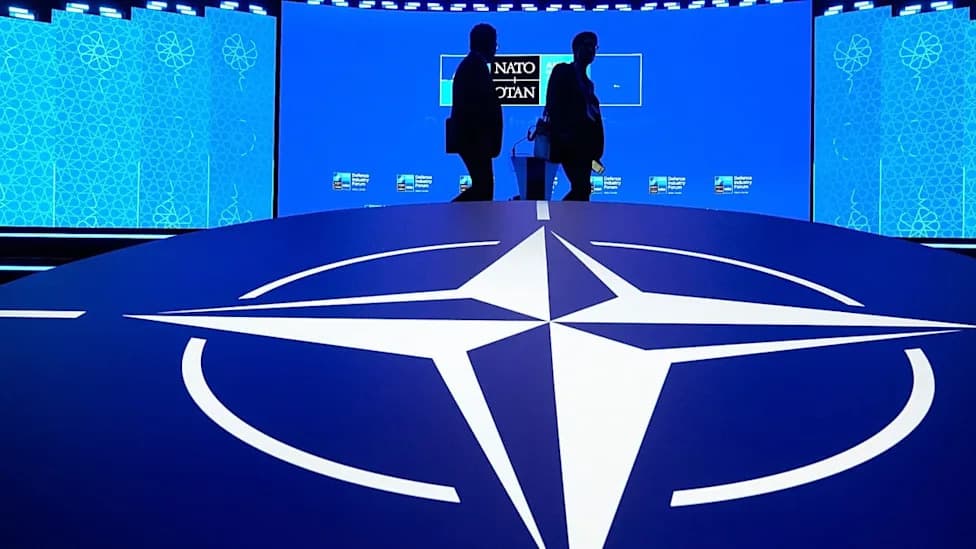
Denmark says Russian invasion of NATO country 'highly unlikely' but cannot be ruled out
The Danish Defence Intelligence Service (DDIS) warned on Thursday that the risk of Russian military action against NATO members is increasing. While the agency described a full-scale invasion of a NATO country as "highly unlikely," it said such an outcome cannot be entirely ruled out.
Thomas Ahrenkiel, head of the DDIS, told reporters during a briefing unveiling the agency's updated Russia threat assessment that "there is a low but growing risk that Russia will launch a limited military attack against one or several NATO countries bordering Russia." He stressed that a conventional invasion remains unlikely but emphasised the possibility could not be excluded.
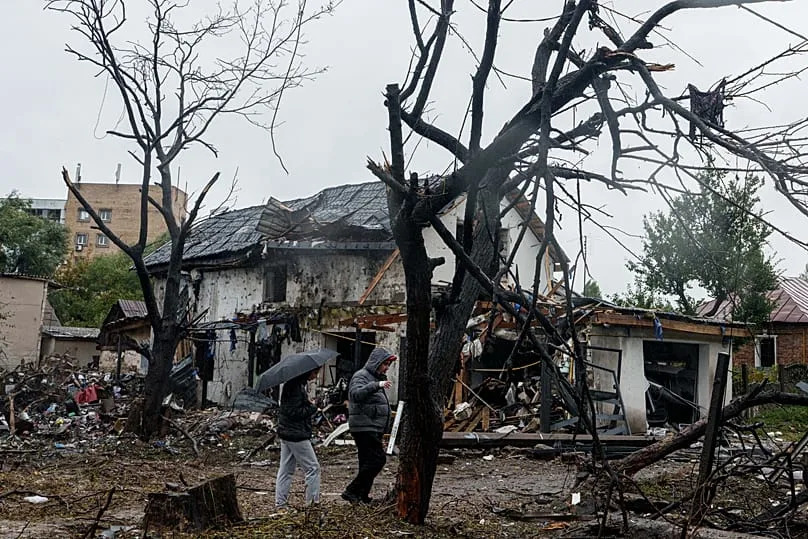
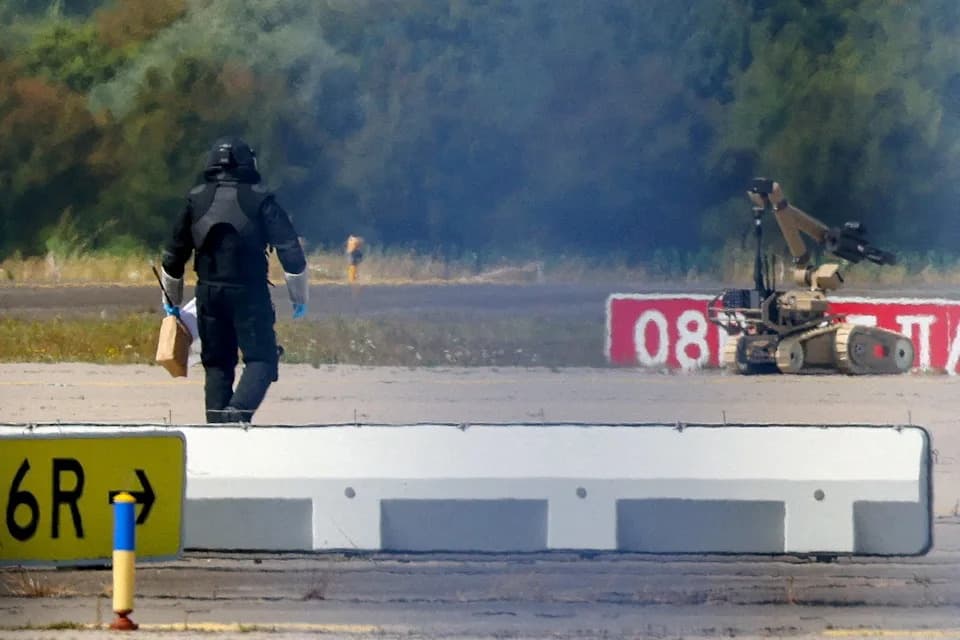
People walk in front of a house that was heavily damaged in a Russian strike on a residential neighbourhood in Kyiv, 24 September, 2026 - AP Photo
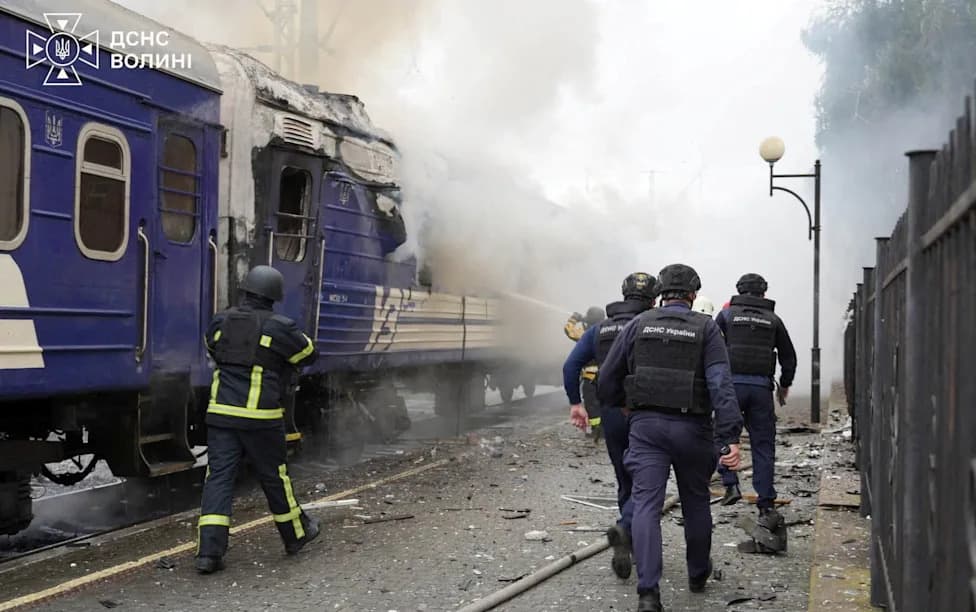
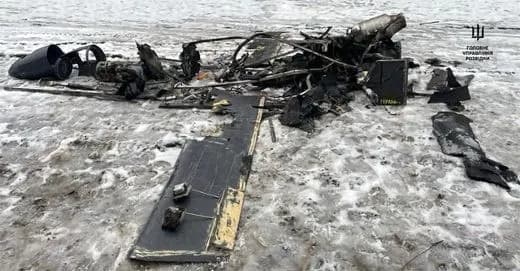
The DDIS said Moscow is more likely to expand "hybrid attacks" targeting Western infrastructure and supply chains. Historically aimed at sowing fear and weakening public support for aid to Ukraine, these operations now increasingly target the flow of military assistance itself — including sabotage of defence companies and attacks on rail transports carrying equipment to Ukraine.
The agency warned this trend could escalate to "destructive cyber attacks that cripple critical societal functions." It also judged there was a low risk of a limited military strike intended to divert European resources away from Ukraine, describing such an attack as a "desperate move" that could take place in the coming months.

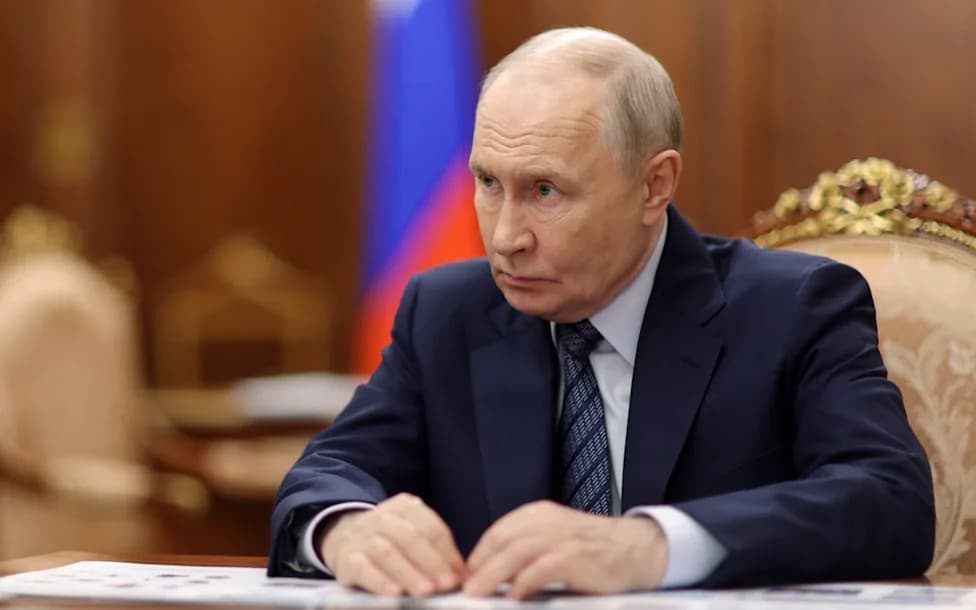
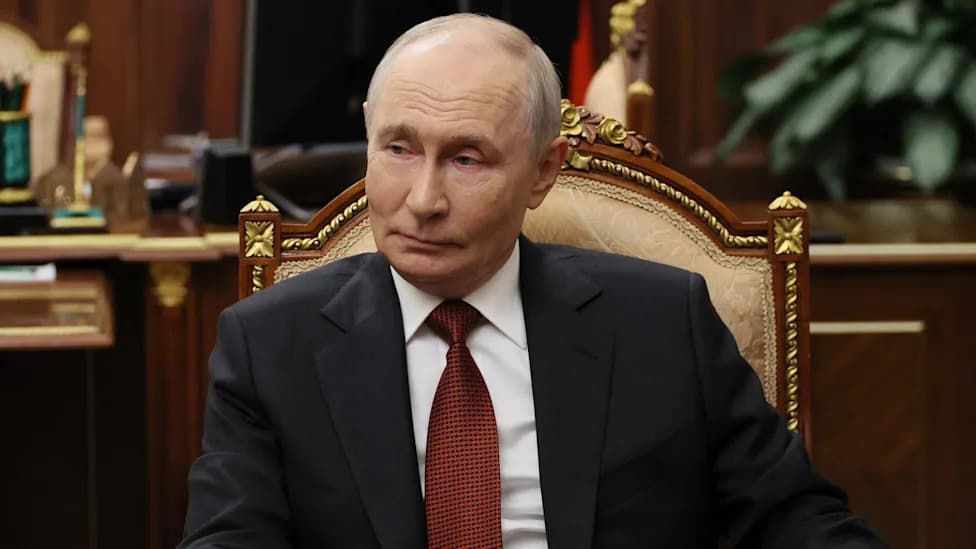
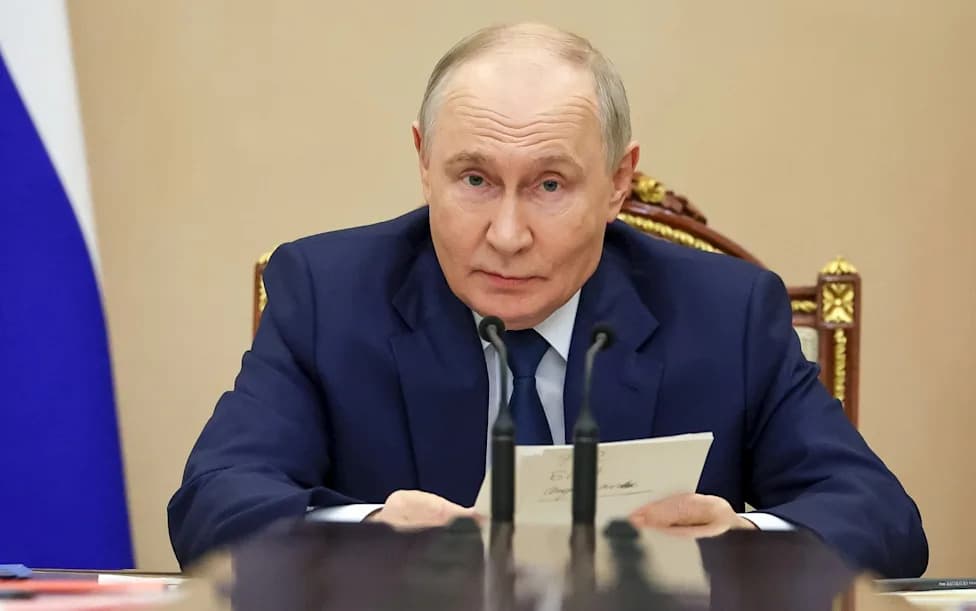
Russian President Vladimir Putin leads a cabinet meeting via videoconference at the Novo-Ogaryovo residence outside Moscow, 23 September, 2026 - AP Photo
"A limited military attack would be a desperate move on Russia's part and, like the intensified hybrid attacks, could potentially take place in the coming months," the DDIS said, while noting that any force build-up large enough to support an attack would require several months of preparation and be difficult to conceal.
"We do not expect a conventional Russian military attack against Denmark," Ahrenkiel added, while warning that Russia's increased willingness to take risks has concrete implications for Danish security—particularly through hybrid operations.
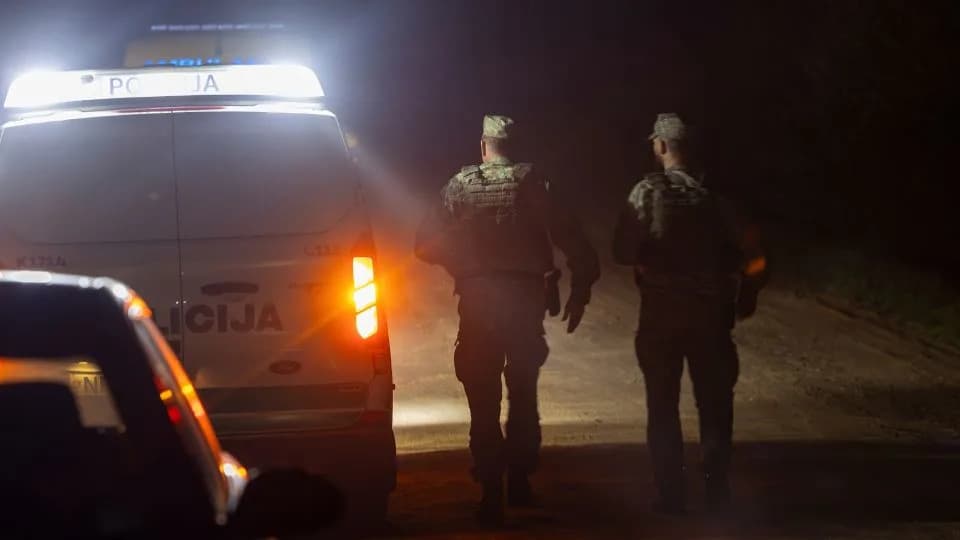
Denmark's domestic security service, PET, has separately warned that Russian intelligence services are "actively" preparing sabotage operations targeting the Danish defence industry, and that operatives have recruited ordinary Danes on social media to gather imagery that could be used to plan attacks.

Britain's outgoing Prime Minister Keir Starmer speaks as he leaves 10 Downing Street in London, 20 July, 2026 - AP Photo
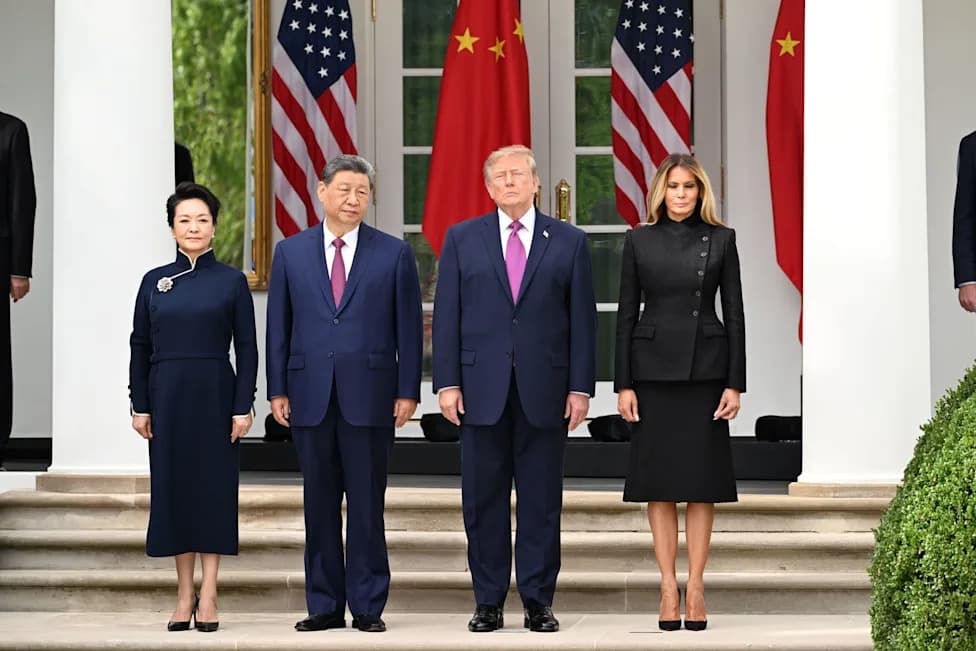
European governments remain on heightened alert for Russian interference as the Kremlin's war in Ukraine continues. In June, Keir Starmer, citing Western intelligence assessments, warned that an attack on a NATO member could occur by 2030 — a comment intended to underline the urgency of preparedness. In August, U.S. President Donald Trump publicly pushed back on media reports of an imminent Russian move against NATO territory, after reports that then-CIA Director John Ratcliffe made a surprise trip to Moscow to discuss the issue.
What This Means
The DDIS assessment underscores a growing and diversified threat environment: while a full-scale invasion of a NATO member is not the agency's primary expectation, the likelihood of intensified hybrid campaigns — and a non-zero chance of limited kinetic action — calls for sustained vigilance, stronger protections for defence-related infrastructure and closer allied coordination.
Help us improve.