European ministers at the UN General Assembly warned of a rise in Russian sabotage, cyberattacks and drone incursions across Europe aimed at undermining support for Ukraine. Officials stressed these are largely covert, deniable operations intended to sow fear and division, but said there is little evidence Moscow plans a direct attack on NATO. Ministers called for tougher sanctions, greater unity and stepped‑up protection of critical infrastructure ahead of a potentially harsher winter.
European Ministers Warn Of Rising Russian Sabotage But Say No Imminent NATO Attack
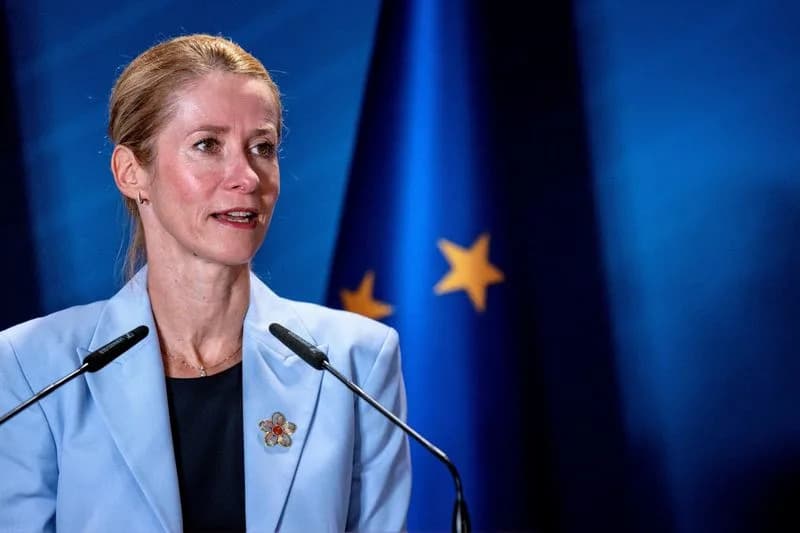
FILE PHOTO: EU European Commission Vice-President Kaja Kallas delivers a joint statement with Philippines Foreign Secretary Theresa Lazaro (not pictured) on the Enhanced Partnership between the Philippines and the European Union, on the sidelines of the ASEAN Foreign Ministers' Meeting at the Philippine International Convention Center on July 24, 2026 in Pasay, Metro Manila, Philippines. Ezra Acayan/Pool via REUTERS/File Photo
European ministers at the UN General Assembly warned this week that Russia has stepped up a campaign of sabotage, cyberattacks, drone incursions and other hybrid operations across Europe aimed at undermining support for Ukraine. While officials described a worrying rise in covert activity, they said there is little evidence Moscow is preparing a direct military assault on NATO territory.
Escalating Covert Tactics
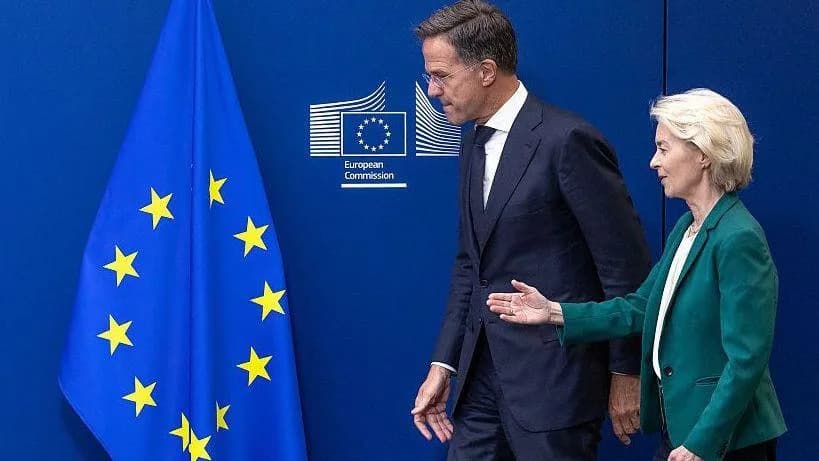
Kaja Kallas, the EU foreign policy chief, said: "Europe faces a fast proliferation of sabotage attacks and airspace violations. Moscow is trying to scare Europe into winding down its support for Ukraine." She urged tougher sanctions targeting Russia's "shadow fleet" and parts of its military‑industrial complex to increase pressure on the Kremlin.
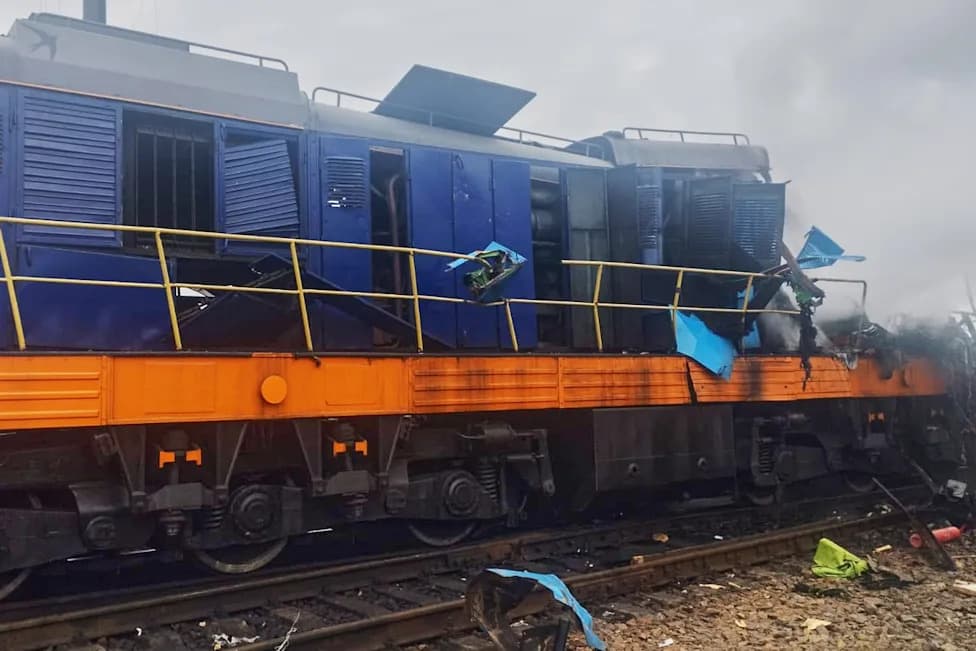
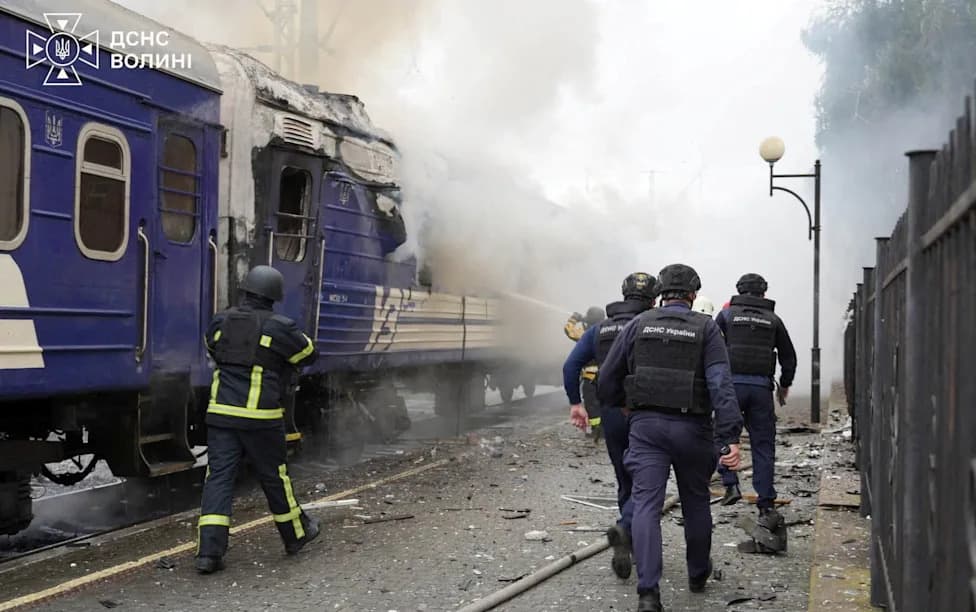
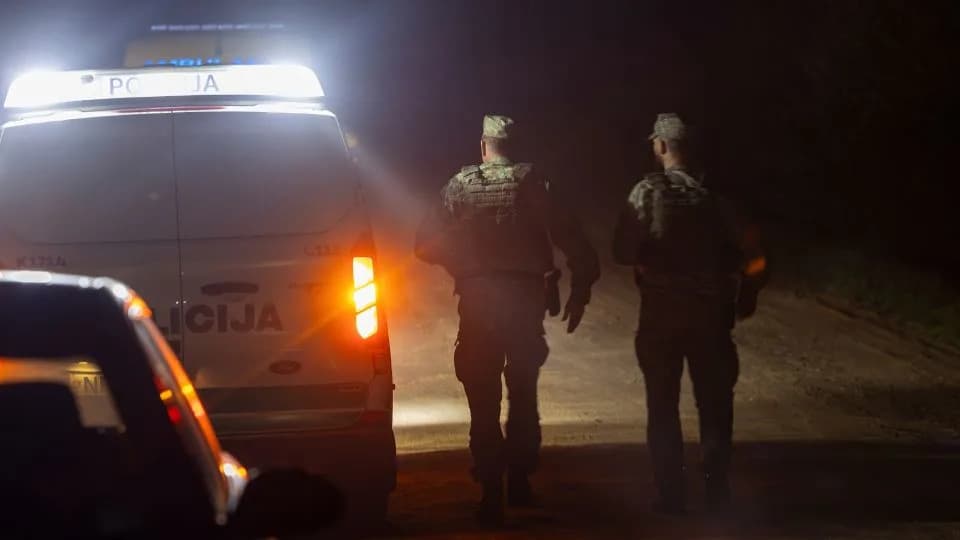
Ministers from NATO's eastern flank described a pattern of deniable operations — from drone fragments falling on allied soil to arson, explosions and airspace incursions — designed to sow fear, test Western resolve and weaken backing for Kyiv as the conflict drags on.
Reported Incidents And Responses
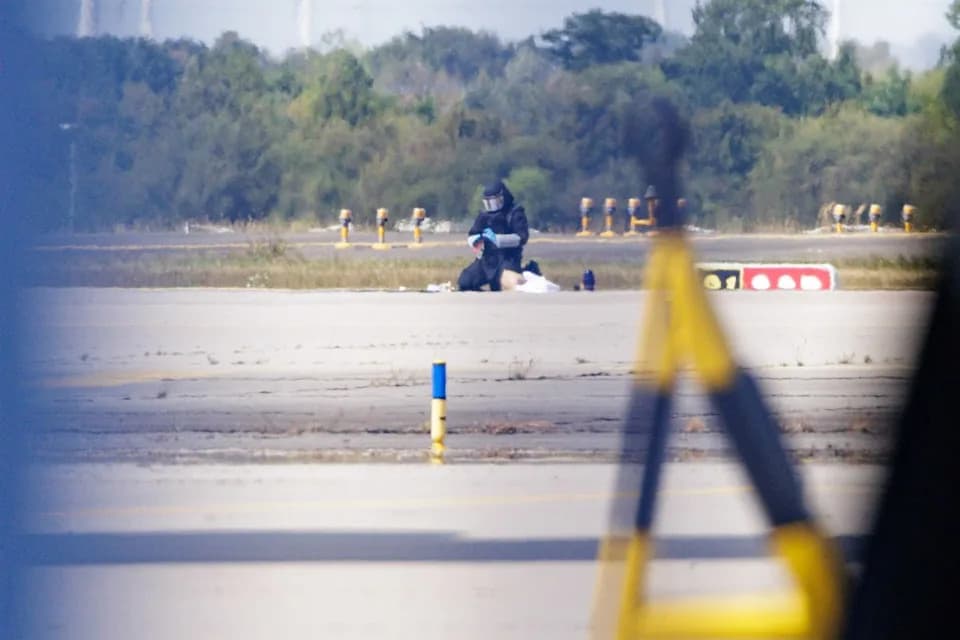
Poland reported arson, explosions and what Warsaw described as a deliberate cruise missile violation of its territory; its Army Operational Command also said a Russian Mi‑8 helicopter briefly entered Polish airspace from Kaliningrad. Polish F‑16s are being scrambled almost daily amid the uncertainty.
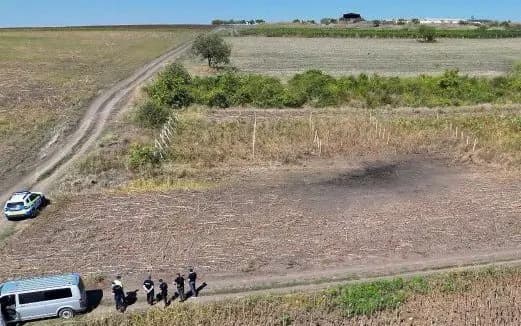
Romania recorded more than 100 incidents involving drones or drone fragments near attacks on Ukrainian infrastructure by the Danube and Black Sea. Bucharest has closed the Russian consulate in Constanta and coordinated diplomatic measures with EU partners.
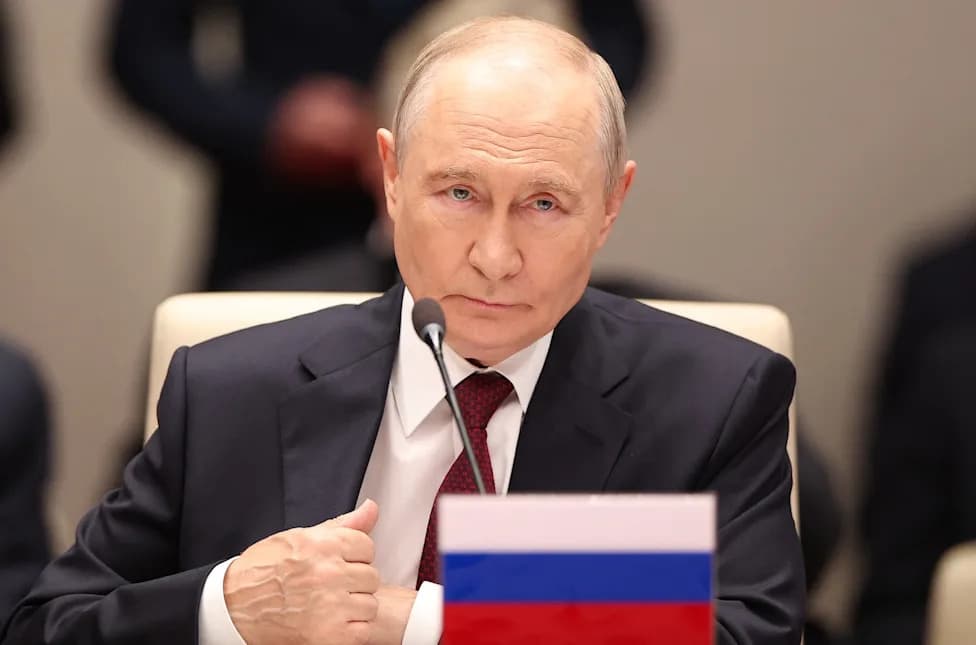
Officials stressed that the Kremlin denies carrying out sabotage in NATO countries or seeking a direct confrontation with the alliance.
No Immediate Threat Of Direct NATO Attack
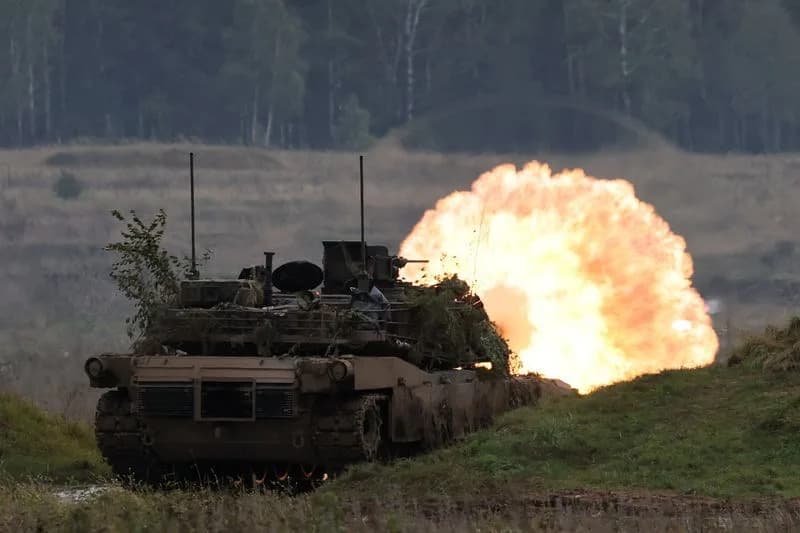
Despite the uptick in covert actions, ministers drew a clear distinction between hybrid operations and an outright military assault on NATO territory. Margus Tsahkna of Estonia described alarmist predictions of an imminent Russian attack on NATO as misplaced, saying Moscow currently lacks the capacity and is heavily committed in Ukraine.
Kestutis Budrys of Lithuania said allied intelligence points to a risk that Russia could broaden pressure on NATO members by targeting critical infrastructure — a form of "horizontal" escalation — particularly as winter approaches and energy systems become more vulnerable.
How Allies Should Respond
Ministers emphasized unity, credible deterrence and sustained support for Ukraine as the best responses. They argued that tougher sanctions, better coordinated diplomatic measures, and bolstered protection for critical infrastructure will reduce the effectiveness of Moscow's campaign.
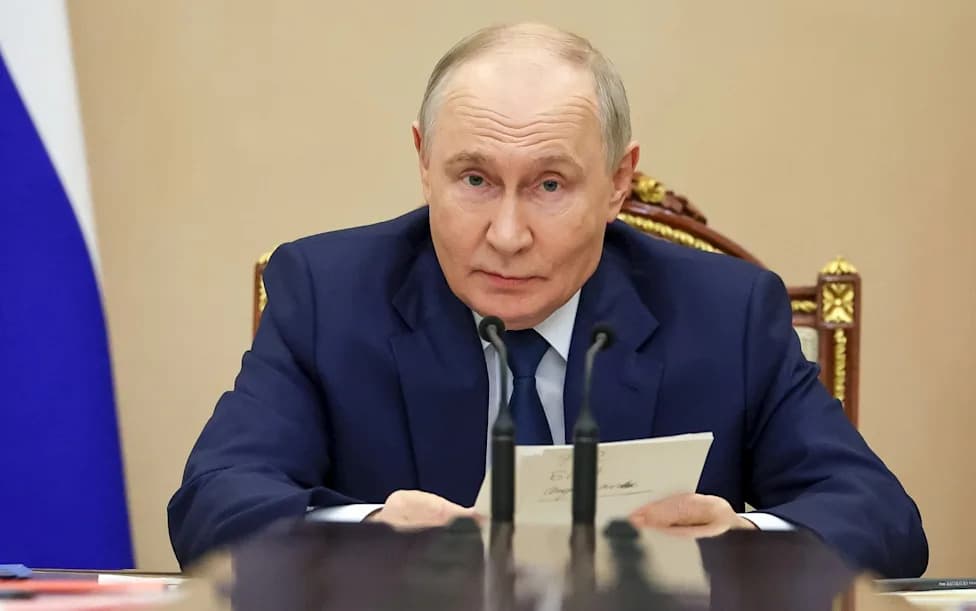
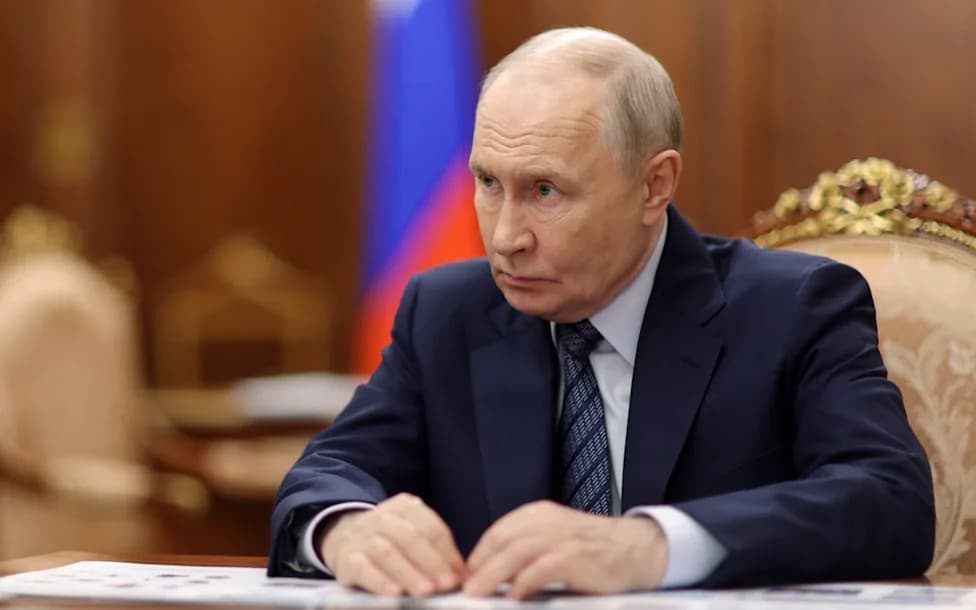
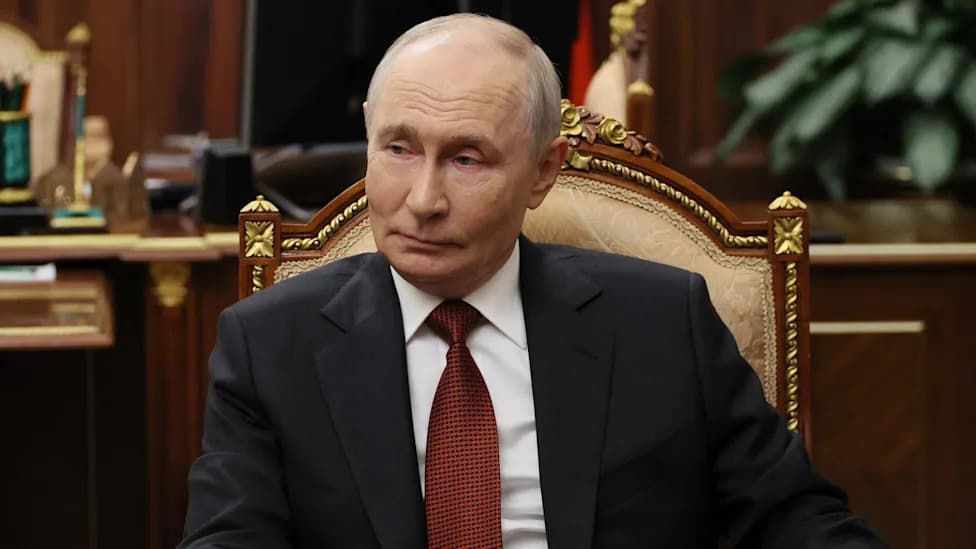
"Putin is carefully watching. We have lots of leverage, but we just need to have self‑confidence and be clear about our language," Tsahkna said, pointing to a decline in serious airspace violations after strong allied responses to previous incidents.
The officials concluded that firm, coordinated action across NATO and EU members can blunt hybrid attacks and preserve Western unity in support of Ukraine.
Help us improve.