Study Summary: A 16-year study in Nature Neuroscience tracked more than 1,000 people and found that structural MRI identified cortical thinning linked to Alzheimer’s up to seven years before amyloid levels reached PET-detectable thresholds. The results suggest brain changes precede visible amyloid clustering, highlighting potential for earlier diagnosis and for pursuing treatments beyond amyloid-targeting drugs. Researchers caution that replication and clinical validation are required before changing practice.
MRI May Detect Alzheimer’s-Related Brain Changes Up to 7 Years Before PET, Longitudinal Study Finds
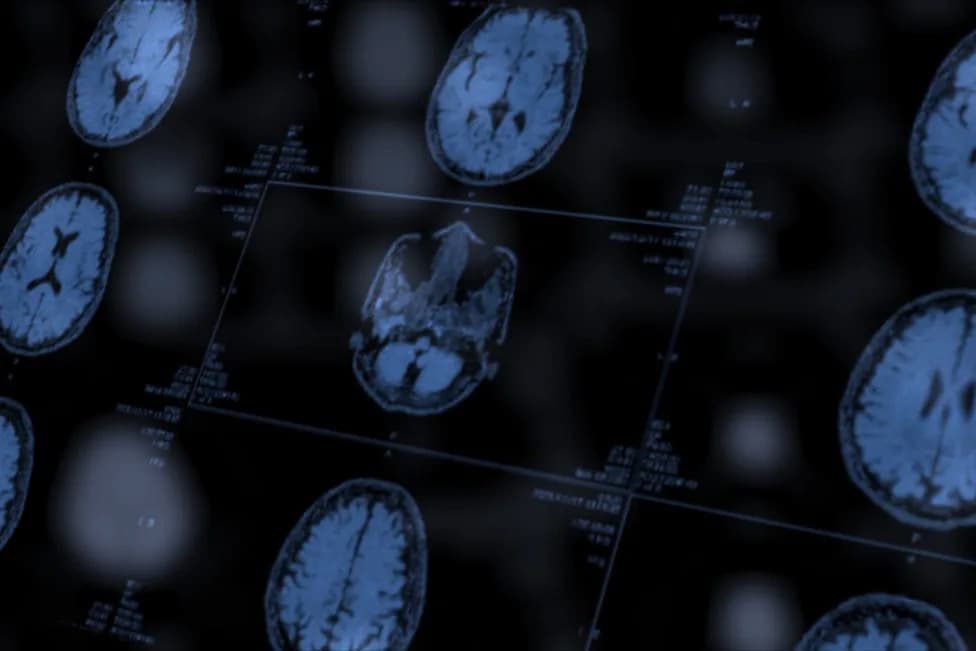
Magnetic MRI Scan. Brain. CT scanCredit: Getty
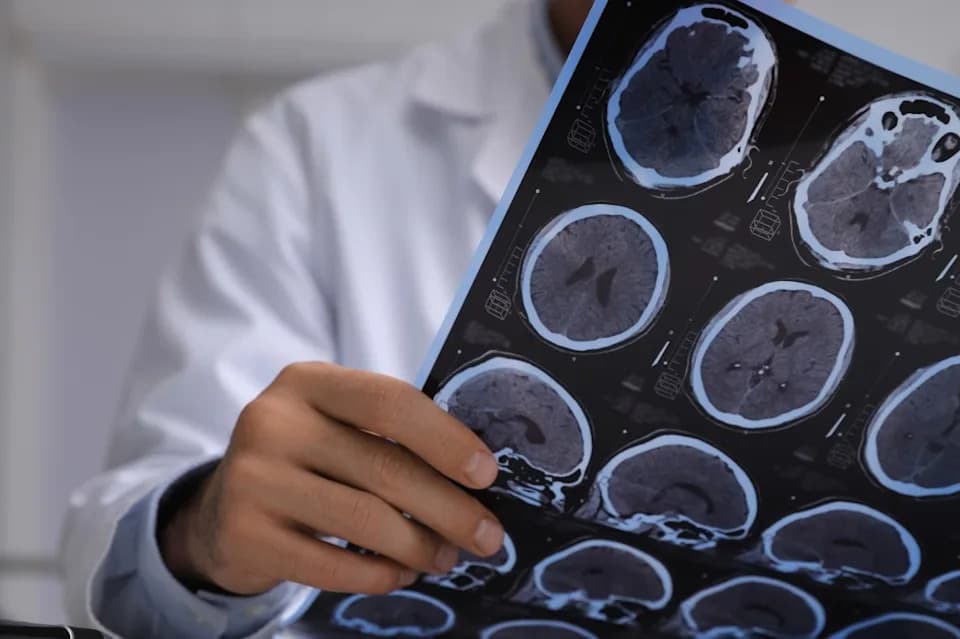
A major longitudinal study published in Nature Neuroscience on Aug. 19 reports that structural MRI can reveal cortical thinning associated with Alzheimer’s disease up to seven years before high levels of amyloid-beta are detectable on PET scans. The research followed more than 1,000 people for 16 years and included amyloid-PET imaging in a subset of 700 participants.
At enrollment none of the participants reported symptoms of dementia. Repeated structural MRI exams over the study period showed progressive thinning of the cerebral cortex well before amyloid accumulation reached PET thresholds commonly used in clinical diagnosis as of 2024. The authors suggest these MRI changes may provide an earlier window into neurodegenerative processes.
We found that structural changes in the brain occur many years before high levels of plaque are seen on PET scans, which is the brain scan currently used to identify the earliest signs of Alzheimer's disease.
— James Michael Roe, lead author and neuroscientist, University of Oslo
Co-author Anders Martin Fjell, also at the University of Oslo, told Smithsonian Magazine that the findings indicate other brain processes may be taking place before beta-amyloid begins to cluster visibly on PET. This raises the possibility that therapies targeting mechanisms beyond amyloid plaque accumulation could be important.
The study underscores potential public-health importance: according to the National Library of Medicine, more than 7 million Americans aged 65 and older are affected by Alzheimer’s disease as of this year. Earlier detection could expand opportunities for monitoring, early intervention trials, and new therapeutic targets.
Limitations and Next Steps
While the findings are compelling, the authors and outside experts emphasize that further research is needed to validate MRI-based markers across diverse populations and imaging platforms. Important next steps include replication, understanding the biological processes underlying early cortical thinning, and determining how MRI measures should influence diagnosis and treatment decisions in clinical practice.
Overall, this study contributes to growing evidence that structural brain imaging may provide an earlier window into neurodegeneration than molecular PET markers and could influence future approaches to diagnosing and treating Alzheimer’s disease once validated.
Help us improve.