Quick Summary: Tehran says it sent a seven-point proposal to Washington via Qatari mediators and is awaiting an official reply. Naval incidents in the Strait of Hormuz have damaged vessels and left eight U.S. Marines lightly wounded. Washington publicly denies offering sanctions relief but officials remain open to incentives tied to verifiable nuclear progress. CENTCOM rejects Iranian claims of full control over the Strait, while regional diplomacy continues amid the risk of renewed hostilities.
Iran Live: Tehran Awaits U.S. Reply to Seven-Point Proposal as Strait of Hormuz Attacks Continue
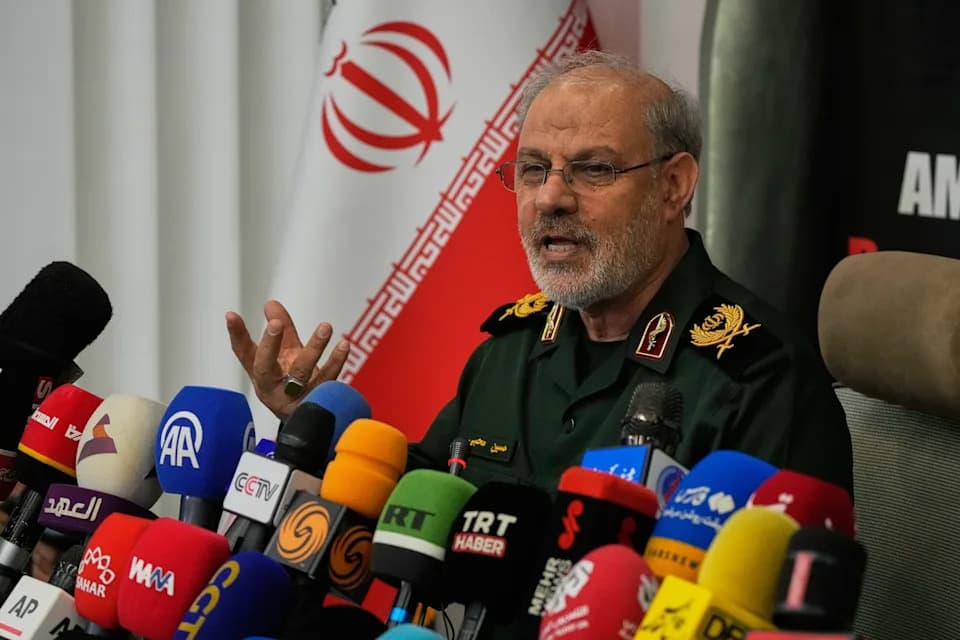
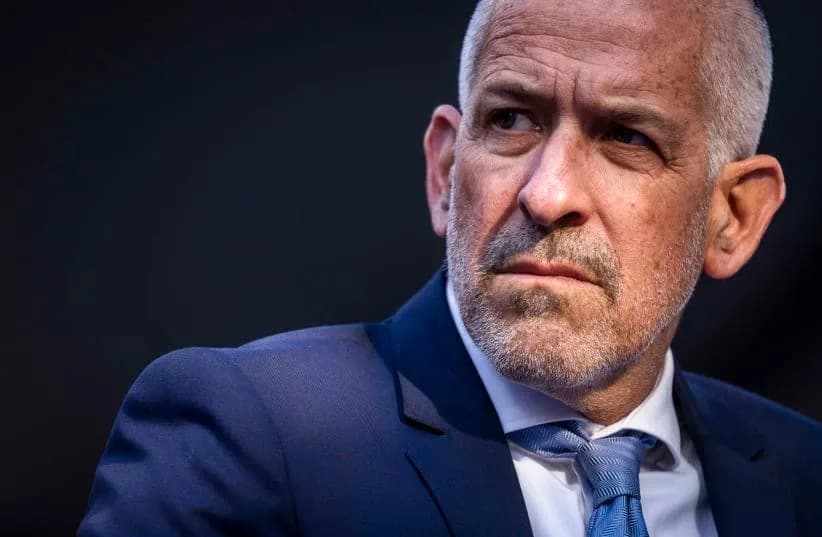
Vahid Salemi/AP Photo - PHOTO: Iran's Islamic Revolutionary Guard Corps spokesman Gen. Hossein Mohebbi speaks during a news conference in Tehran, Iran, on Sept. 29, 2026.
Overview: Diplomatic channels between Washington and Tehran remain open even as tensions flare in the Strait of Hormuz. Iran says it has sent a seven-point proposal to the United States via Qatari mediators and is awaiting an official response. Skirmishes at sea and public statements from both sides underscore the fragile balance between diplomacy and renewed conflict.
Latest Developments
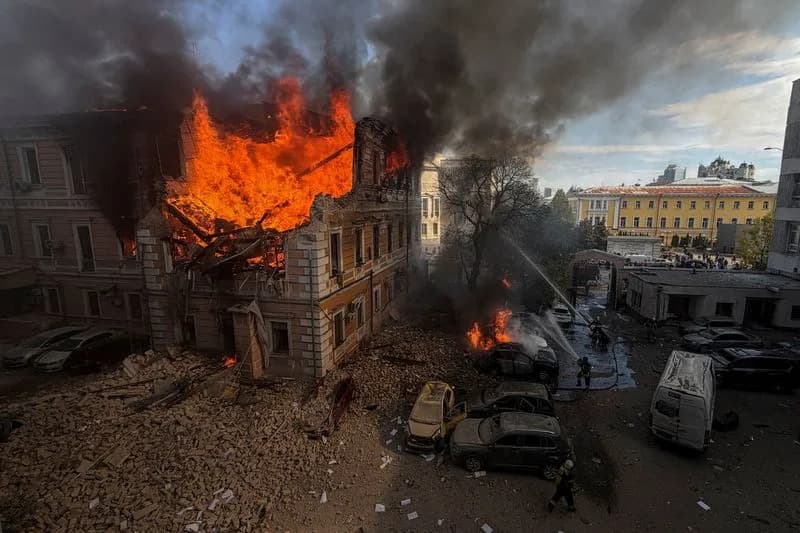
The United Kingdom Maritime Trade Operations (UKMTO) reported that a vessel in the Strait of Hormuz was "struck by a suspected unknown projectile" on Monday evening. The resulting fire was extinguished, with no casualties or environmental damage reported, and the vessel remained underway.
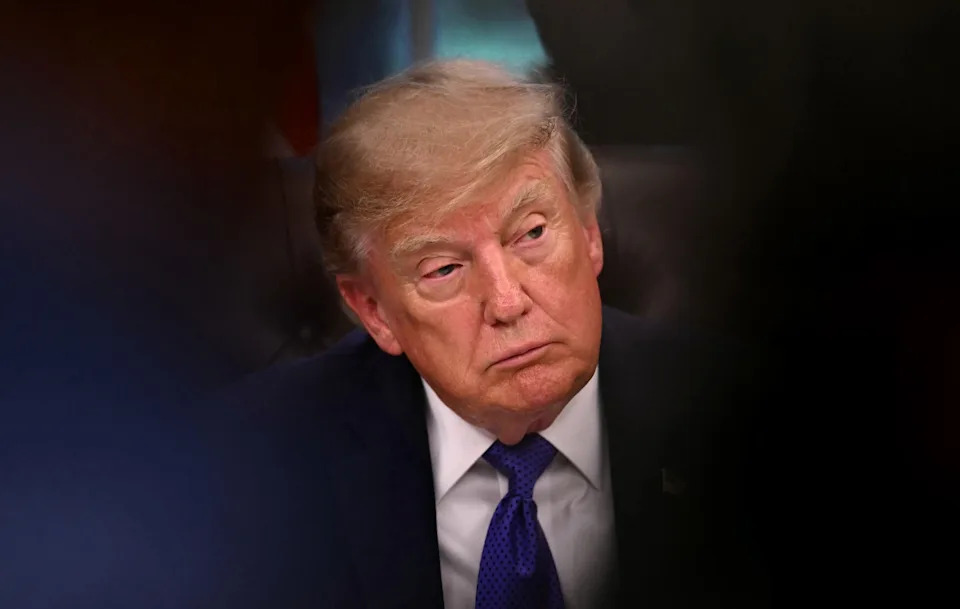
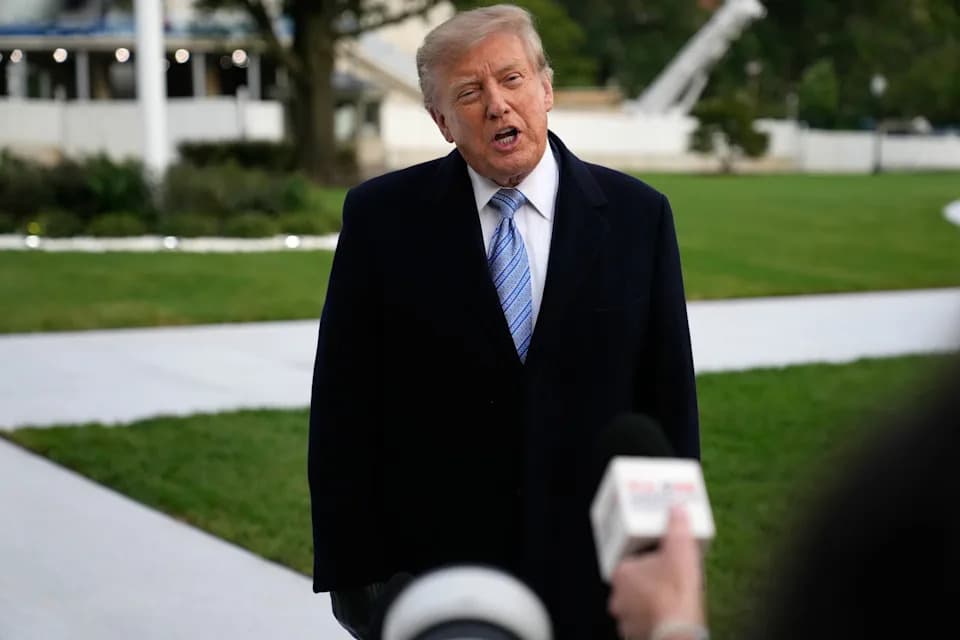
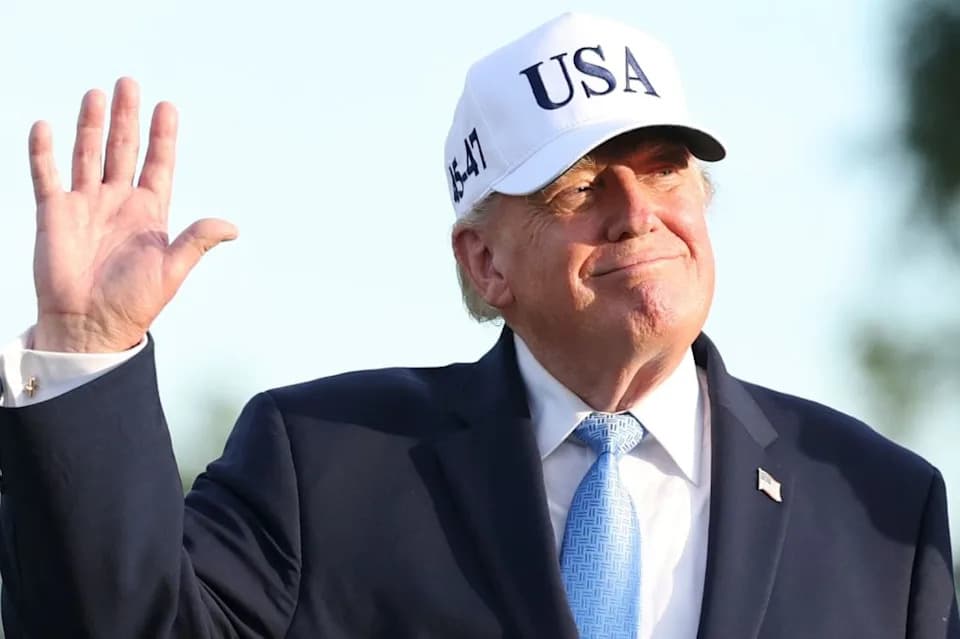
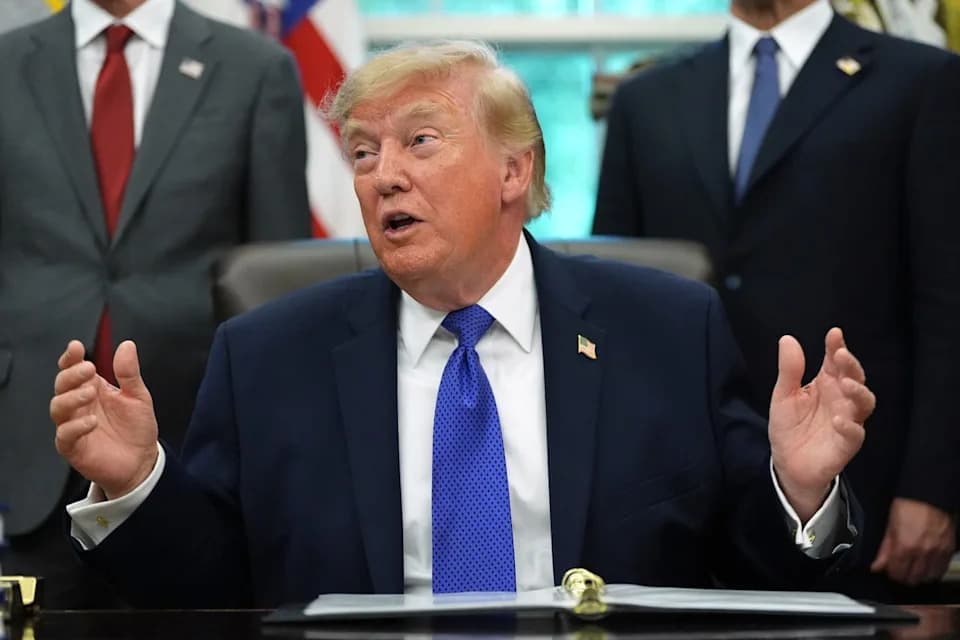
Kent Nishimura/AFP via Getty Images - PHOTO: President Donald Trump answers questions from reporters during an announcement in the Oval Office at the White House, September 28, 2026 in Washington.
U.S. officials also confirmed that eight Marines were lightly wounded in a separate Iranian attack on a ship operating in the Strait. NBC News first reported the previously undisclosed injuries; U.S. Central Command declined to comment on that report.
Statements From Tehran
Gen. Hossein Mohebbi, spokesperson for Iran's Islamic Revolutionary Guard Corps (IRGC), urged the United States to "admit defeat" and "leave the region" at a Tuesday press conference. He accused President Donald Trump of telling "big lies" and said Iran is not pursuing nuclear weapons, framing the dispute as ideological and geopolitical rather than strictly nuclear.
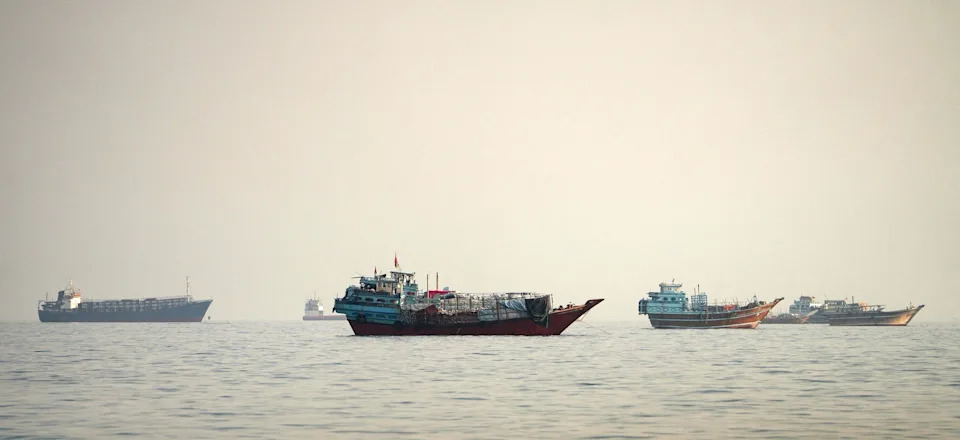
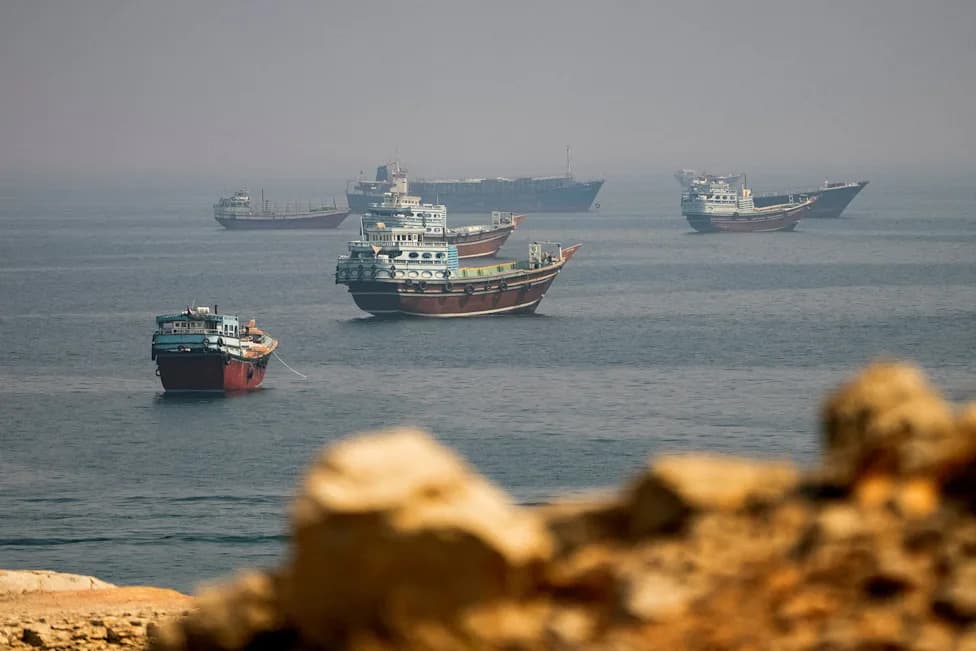
Stringer via Reuters - PHOTO: Vessels are shown at the Strait of Hormuz, as seen from Musandam, Oman, Sept. 23, 2026.
"The fact that the Americans might manage, at great expense, to sneak a small vessel through the Strait under cover of darkness does not mean the Strait is open," Mohebbi said, rejecting U.S. assertions that shipping volumes have normalized.
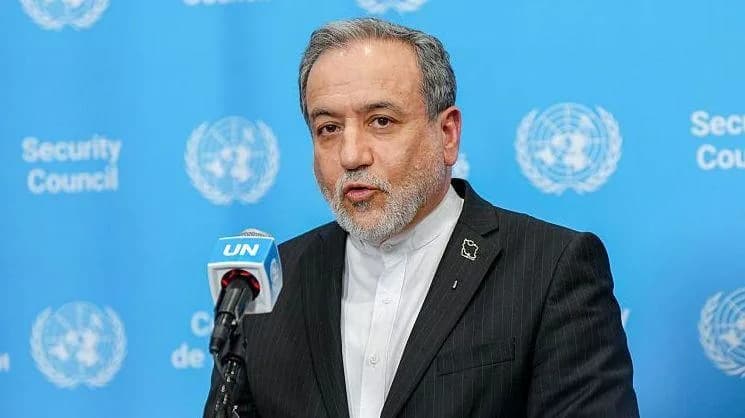
Foreign Minister Abbas Araghchi told Iranian state media that he met with Qatari mediators in New York after the UN General Assembly. Araghchi said Tehran had transmitted a seven-point proposal to Washington via those mediators and was awaiting an official U.S. reply through the same channel.
U.S. Response and Mediation
President Trump publicly denied reports that he had offered sanctions relief or the release of frozen assets to Iran, calling an Axios story suggesting such offers "untrue" and saying he had offered Iran "NOTHING." He also said the conflict would end soon and predicted lower gasoline prices once the situation was resolved.
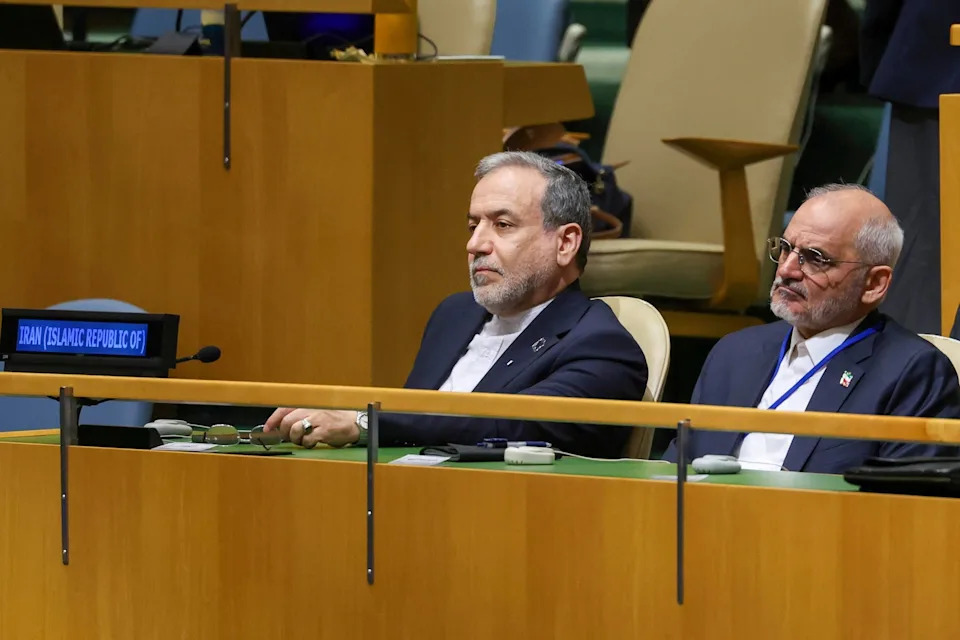
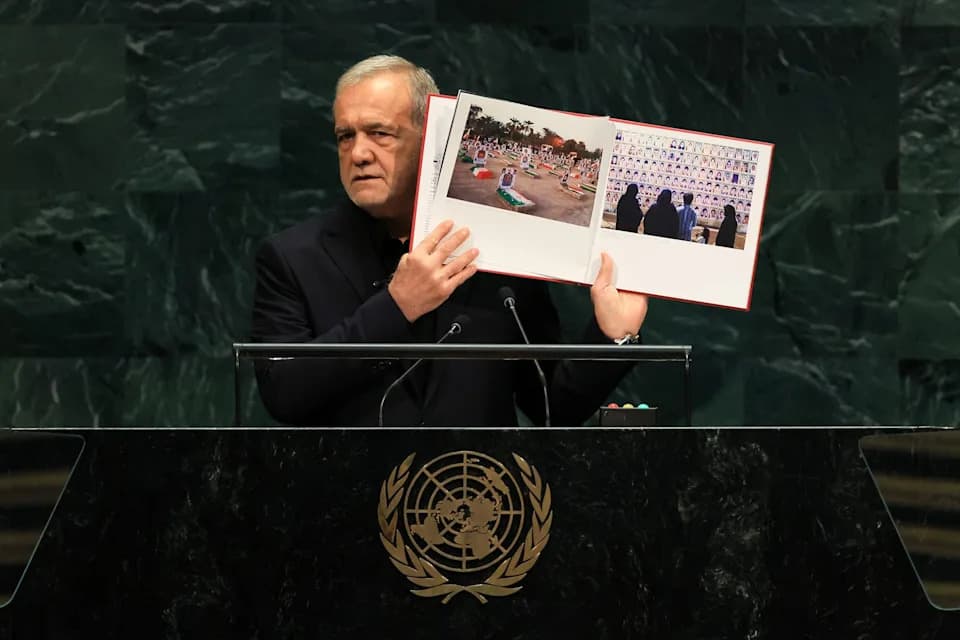
Sarah Yenesel/EPA/Shutterstock - PHOTO: Minister of Foreign Affairs of Iran Abbas Araghchi listens as President of Iran Masoud Pezeshkian speaks during the General Debate of the 81st session of the United Nations General Assembly in New York City, September 23, 2026.
Despite the president's public denial, U.S. officials told ABC News that the administration remains open to offering sanctions relief and unfreezing assets in exchange for verifiable, concrete progress toward a nuclear deal. Under a memorandum of understanding signed in June, Washington had committed to rolling back sanctions as part of a verifiable, long-term nonproliferation agreement — but negotiations later stalled amid continued exchanges of strikes.
Military Claims and Regional Diplomacy
U.S. Central Command (CENTCOM) disputed an IRGC commander's claim that Iran has "full control" over the Strait of Hormuz, calling the assertion "FALSE" in a post on X and pointing to the thousands of vessels that have continued to transit the waterway in recent months.
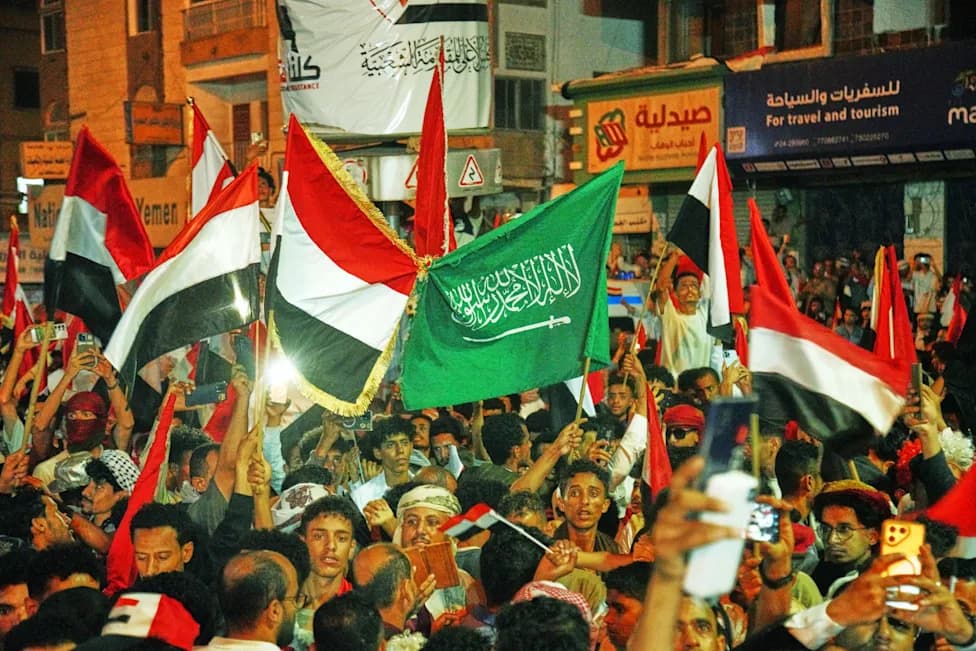
Separately, Saudi Foreign Minister Prince Faisal bin Farhan traveled to Washington for meetings with Secretary of State Marco Rubio to discuss bilateral relations and regional developments. Saudi Arabia is engaged in escalating operations against the Iran-aligned Houthi movement in Yemen, adding another dimension to regional tensions.
Where It Stands
Tehran says it remains ready for diplomacy but warned it can respond militarily if pushed. "We stand firm in the face of any aggression against us, even if it comes to a doomsday war," Araghchi told NBC's "Meet the Press," while also insisting Iran wants a negotiated settlement if Washington accepts its plan. For now, mediators — including Qatar — are seeking to bridge the gap and deliver formal responses between the two sides.
What to watch next: whether the U.S. provides an official reply through Qatari mediators, whether further incidents occur in the Strait of Hormuz, and how regional players such as Saudi Arabia respond to escalating maritime and proxy confrontations.
Help us improve.