UFORCE is recruiting Formula 1 engineers to apply lightweight materials, rapid prototyping and engine tuning expertise to its MAGURA naval drones, pairing racing specialists with Ukrainian teams and operating research centres in the UK and US. The company employs 1,000+ people and says its platforms have completed over 150,000 combat missions. In May 2025, MAGURA V7s armed with AIM-9 Sidewinders were reported to have downed two Su-30SM fighters. UFORCE aims to unify land, sea, air and counter-drone systems under a single software layer.
From Pit Lane to Patrol Boat: Formula 1 Engineers Help Build Ukraine's MAGURA Naval Drones
Credit: Photo by Sam Bagnall/Sutton Images
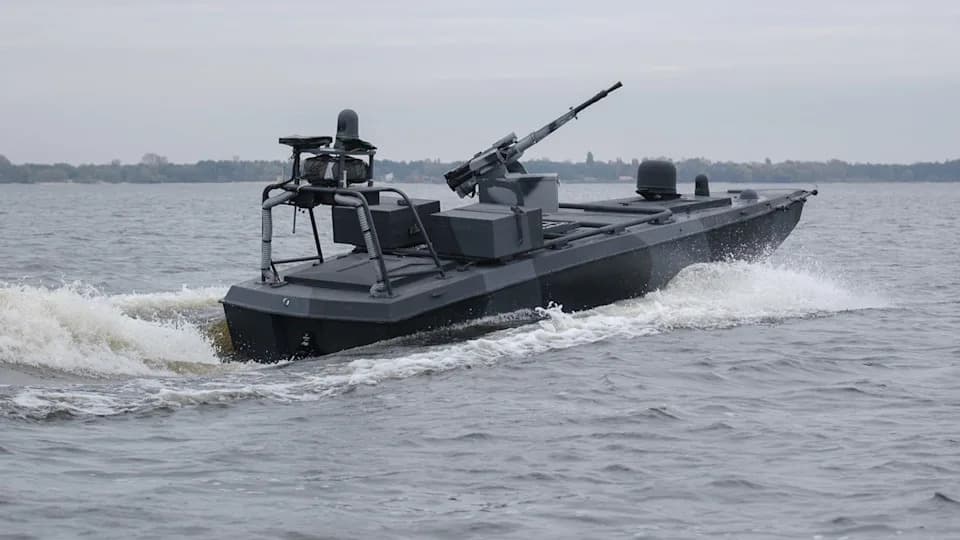
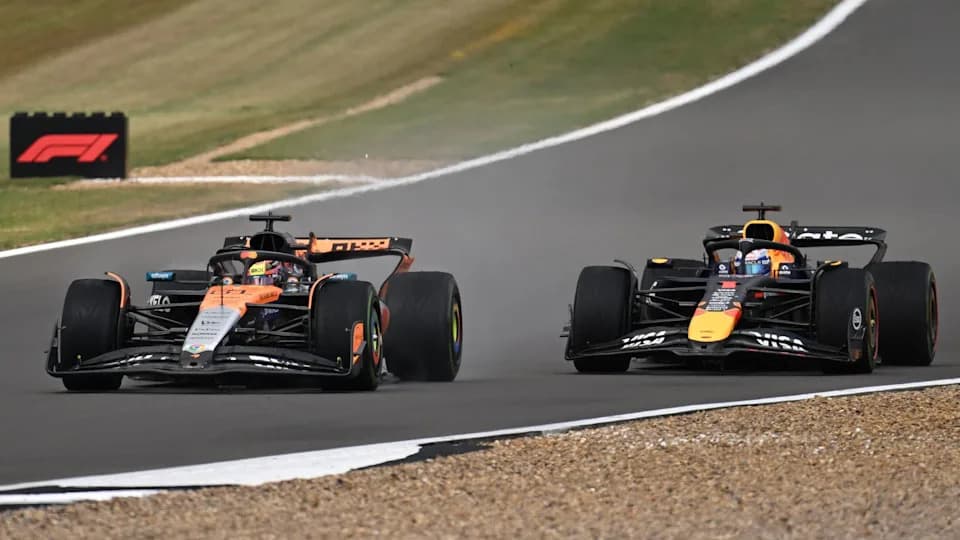
Ukrainian defense developer UFORCE is recruiting engineers from Formula 1 teams to accelerate development of its MAGURA family of naval drones, seeking specialists in carbon fibre and composites, sensors, engine tuning and rapid prototyping to make vessels lighter, faster and more resilient in combat conditions.
Why F1 expertise matters: Racing teams excel at shaving weight without sacrificing reliability, rapid iterative design, advanced composite construction and precision engine and telemetry tuning — skills that transfer directly to unmanned naval platforms that must operate in harsh maritime environments.
"Formula 1 specialists have started coming to us en masse," said Oleg Rogynskyy, CEO of UFORCE, noting that F1 engineers are practiced at removing excess mass while maintaining dependability, a balance critical for combat drones.
UFORCE pairs incoming racing engineers with existing Ukrainian teams so they can jointly redesign hulls, propulsion and sensor integration. Development groups work across engine efficiency, composite materials and platform-wide trade-offs between weight, power consumption, onboard computing and mission range.
The company operates research centres in the United Kingdom and United States and collaborates with ReconCraft for engineering and manufacture. Locating parts of development outside Ukraine allows teams to design for harsher ocean conditions — larger Atlantic and Pacific seas demand sturdier hulls reinforced with materials such as Kevlar and tailored navigation, control and communications systems for each theatre. Some technical solutions developed for those tougher conditions are later adapted for systems deployed inside Ukraine.

Google logo on a black background next to text reading 'Click to follow TechRadar'
UFORCE has also approached Ukrainian engineers working at major computing and defence firms — including OpenAI, Anthropic, Google, Anduril and Palantir — enabling specialists to support Ukrainian projects while remaining near their families abroad. The company now employs more than 1,000 people worldwide, with the majority still based in Ukraine despite international expansion.
Software and systems integration: Software is central to UFORCE's strategy: the firm is building a single underlying software layer that can run across land, sea, air and counter-drone platforms. Integrating hardware, autonomy, sensors and computing across very different vehicle types is intended to speed upgrades and simplify logistics during wartime.
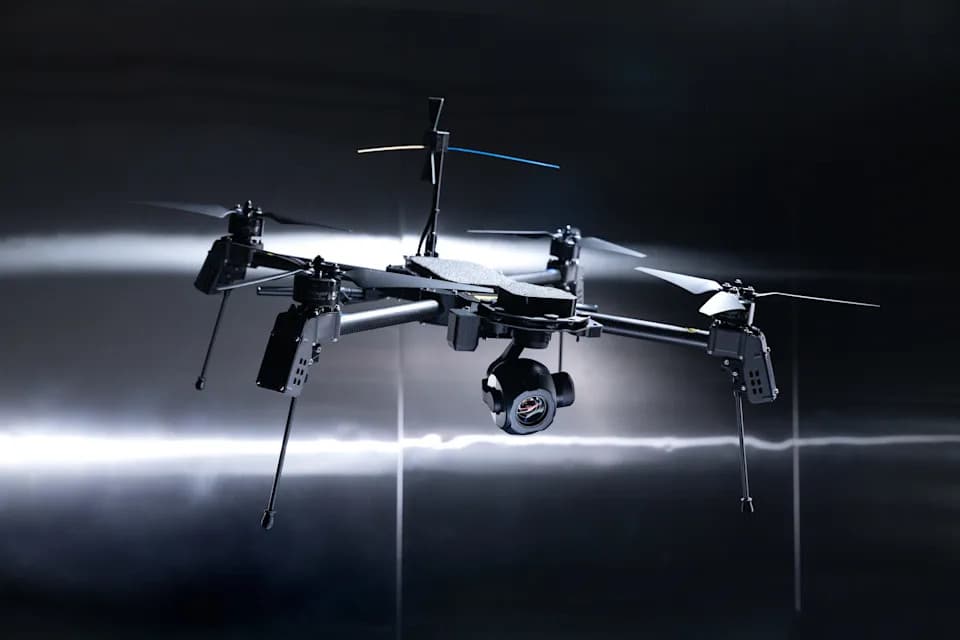
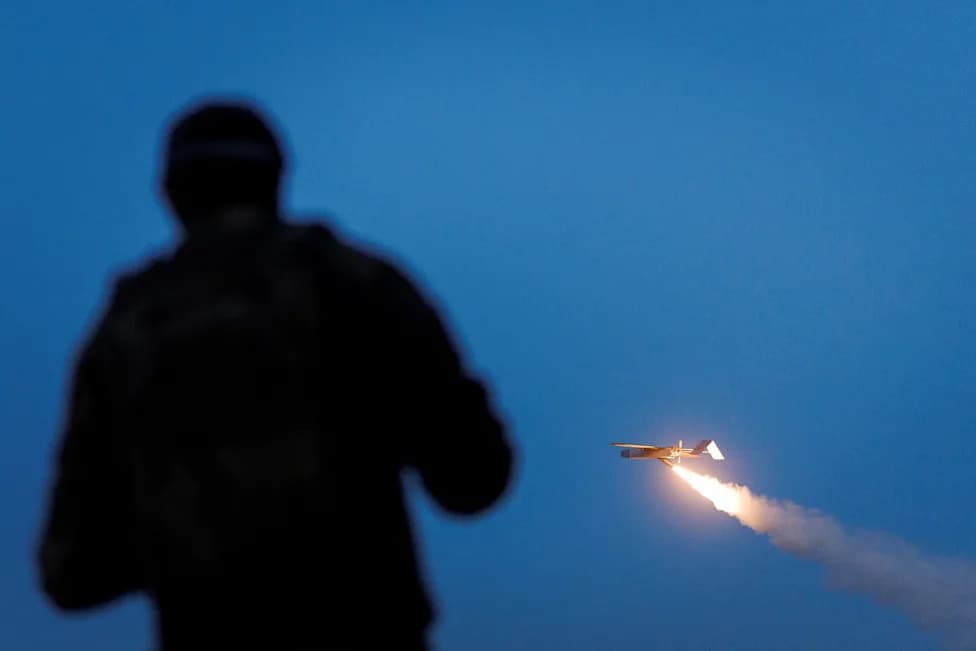
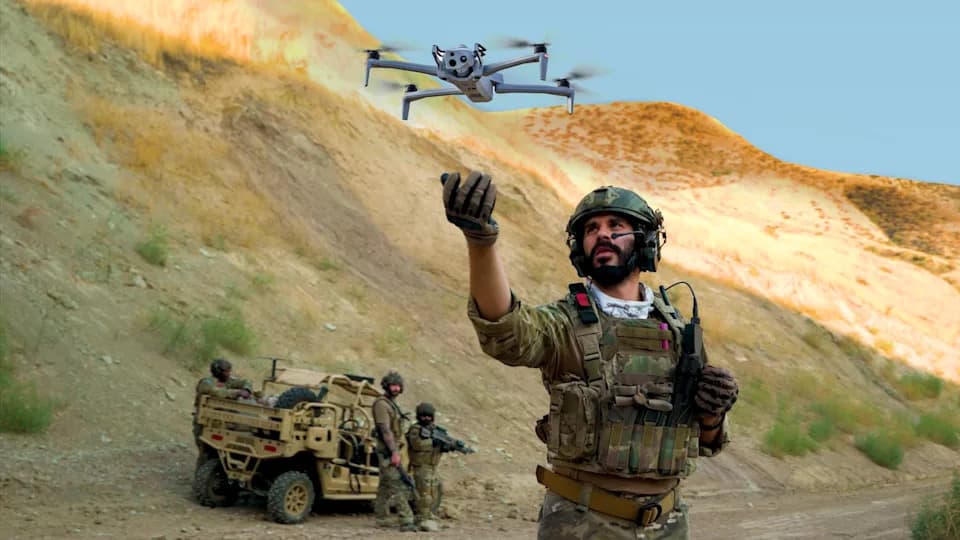
UFORCE's product lineup includes MAGURA naval drones, Nemesis and R18 air platforms and several active ground robotic systems. The company says its systems have together completed more than 150,000 combat missions, and MAGURA drones have reportedly struck more than a dozen Russian vessels.
In May 2025, MAGURA V7 drones fitted with U.S.-made AIM-9 Sidewinder missiles were reported to have downed two Russian Su-30SM fighters over open water — an event company officials describe as the first documented instance of a sea-launched drone using guided missiles fired from water to destroy manned combat aircraft. Independent verification of battlefield claims is often limited; the report is presented here as the company's account.
Rogynskyy says the long-term objective is to unify land, sea, air and counter-drone systems under one shared software framework so disparate platforms can be managed and upgraded more rapidly and coherently during wartime.
Help us improve.