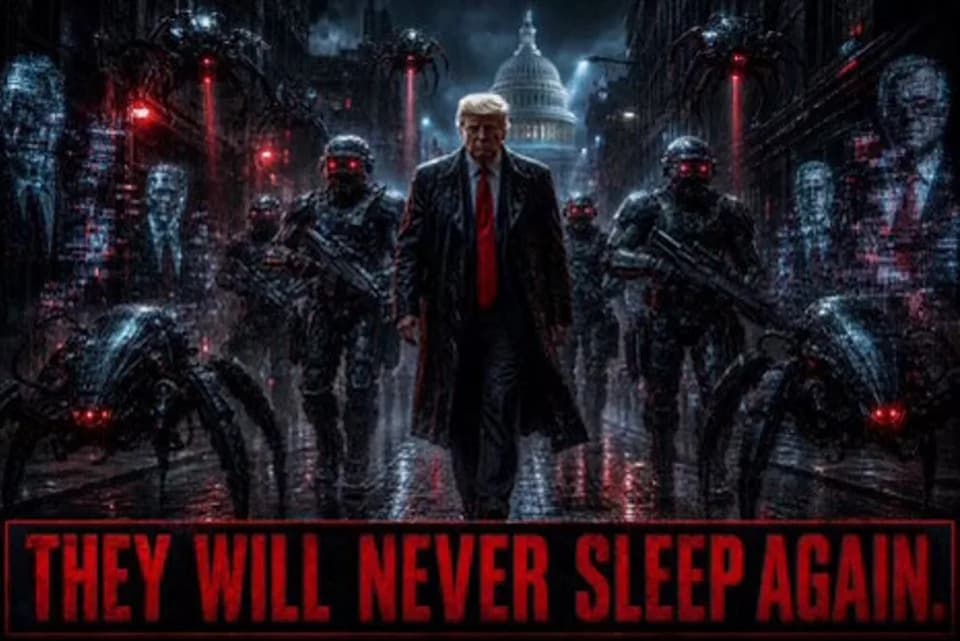
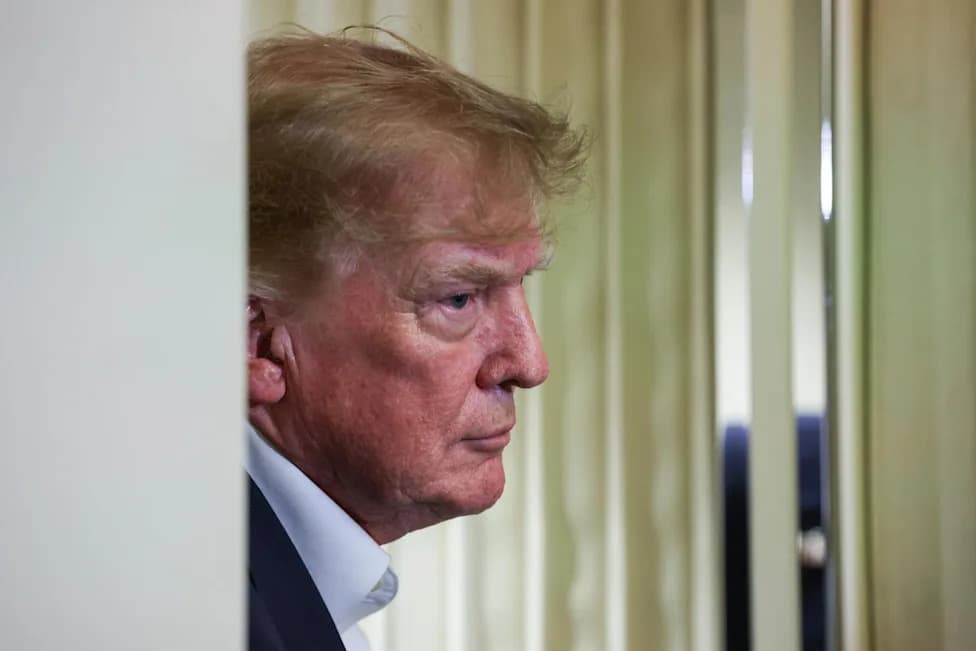
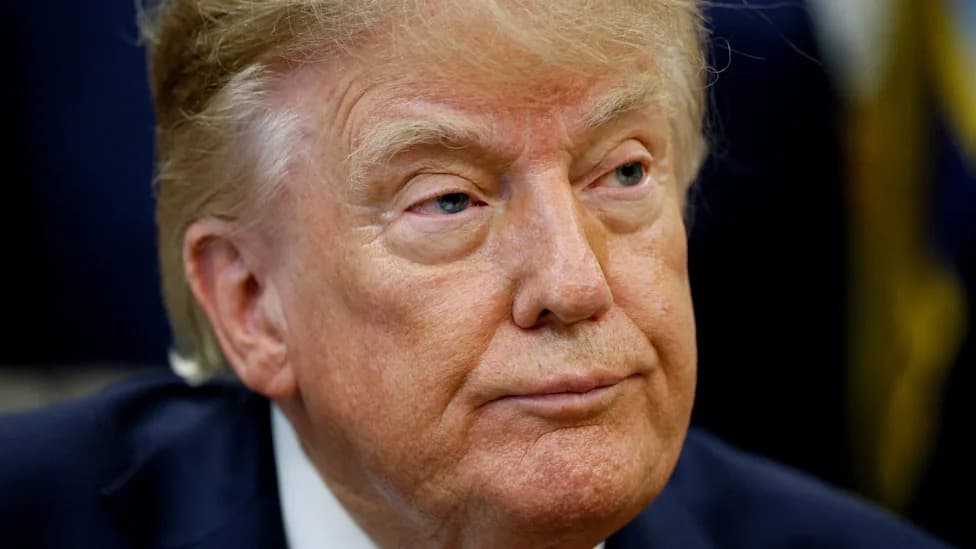
Donald Trump announced an "AI Force" and a forthcoming AI "czar" but provided no operational details, prompting confusion among tech leaders and reporters. The president has downplayed AI risks and even suggested renaming the technology, focusing on branding rather than policy. Reporting in The Washington Post highlights potential conflicts of interest because the Trump family business has investments in sectors likely to benefit from AI development. Observers say the announcement looks performative and unlikely to deliver substantive safeguards.
Why Trump’s Newly Announced 'AI Force' Looks Like a Gimmick — And Raises Conflict Questions
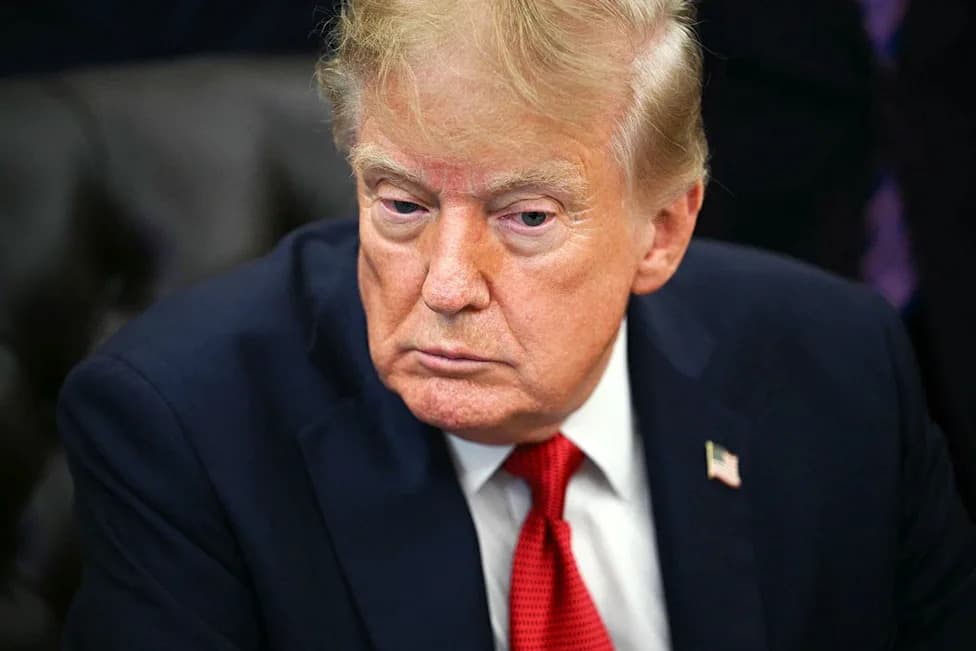
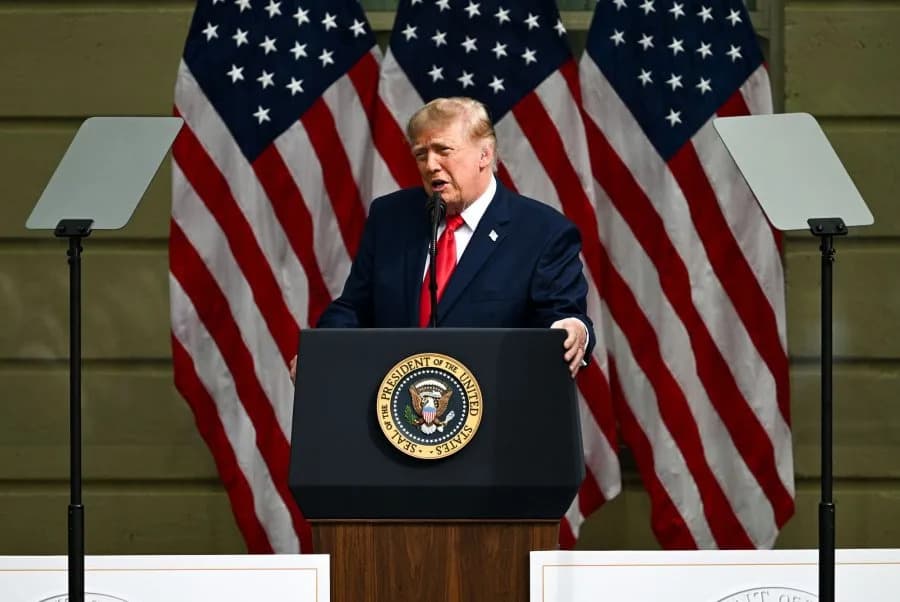
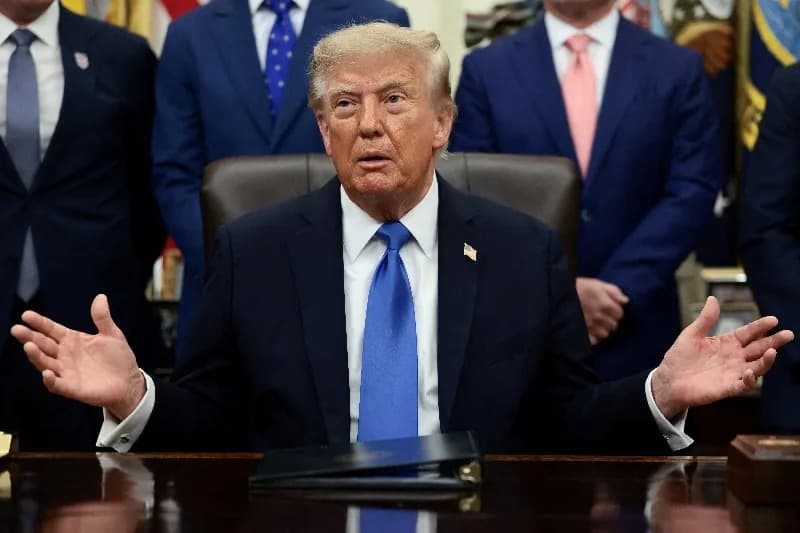
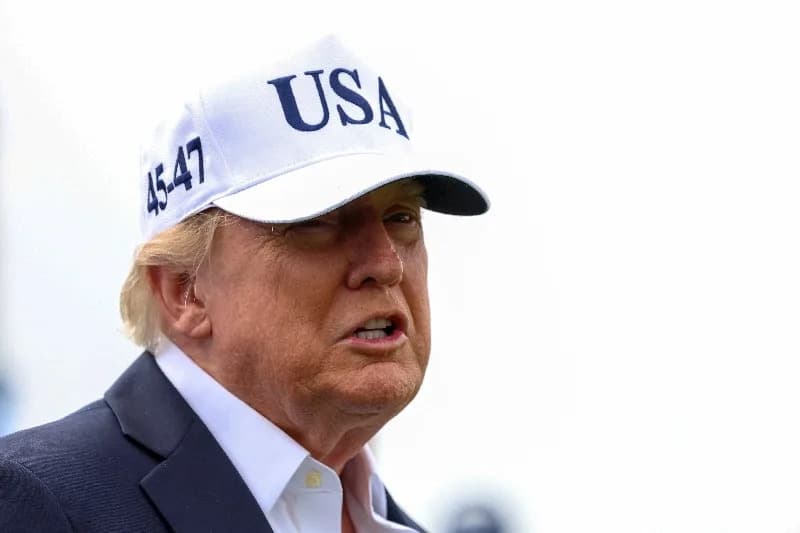
President Donald Trump speaks about healthcare on Sept. 18, 2026, in the Oval Office.
Donald Trump’s surprise announcement that he is forming an “AI Force” and will appoint an AI “czar” landed with little substantive detail, leaving tech leaders and policy experts puzzled about what the new body would actually do. The announcement followed the president’s public dismissal of AI risks as a “hoax” and a curious focus on rebranding the technology with names like “Superior Intelligence” or “Supreme Intelligence.”
What Was Announced
The president posted an online message saying the administration "will not in any way hinder or stifle the Growth of this incredible Industry" and that he is "forming the AI Force, much like I did Space Force." He added that an AI "Czar" would be named soon and that applicants should be "Only High I.Q. individuals."
"We will not in any way hinder or stifle the Growth of this incredible Industry. Rather, we will cherish it, help it, and watch over it, as it grows!... For this purpose, I am forming the AI Force, much like I did Space Force... I will be announcing, in the near future, the AI 'Czar' — Only High I.Q. individuals need apply!"
Industry Reaction And Confusion
Media outlets including Politico reported that technology companies and policy experts were scrambling to interpret the announcement. White House aides offered little clarification, and no structure, mandate, timeline, or budget was made public. Observers described the move as performative: a public-facing stunt that substitutes showmanship for a credible regulatory or safety strategy.
Potential Conflicts Of Interest
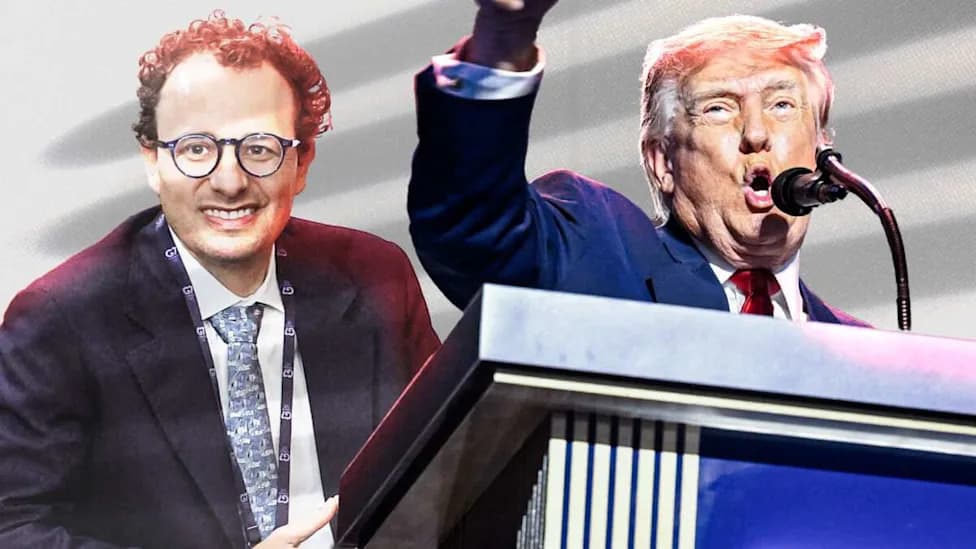
The Washington Post reported that Trump's family business has growing ties to industries set to benefit from AI infrastructure and services. That overlap has prompted concerns about potential conflicts of interest: a president who resists slowing AI development while holding financial stakes in related sectors could face decisions that affect the value of those holdings.
Why This Matters
Experts have been calling for guardrails, safety research, and clear regulatory roles as AI systems scale and affect public life. Announcing a symbolic task force without clear authority or transparency does little to address urgent questions about safety, accountability, and economic impact. Whether Congress or future White House actions produce meaningful oversight remains to be seen.
Bottom Line
The "AI Force" announcement, coupled with rhetoric minimizing AI risks and a lack of detail from officials, leaves unanswered whether the administration plans serious policy action or merely another high-profile initiative without teeth. The timing and substance also amplify existing concerns about conflicts between public responsibilities and private interests.
Sources: Presidential social posts; reporting from Politico and The Washington Post.
Help us improve.