Jack Smith tells the Senate Judiciary Committee he "will not be silenced" amid threats of prosecution and will defend the criminal cases his team brought against former President Donald Trump. He says the indictments were based on evidence and not political bias. Republicans plan to challenge his team's collection of toll records and the handling of related text-message material; Smith's lawyers maintain his testimony was truthful and context-specific.
Jack Smith Tells Senate He Won't Be 'Silenced' — Defends Indictments, Faces Questions Over Phone Records
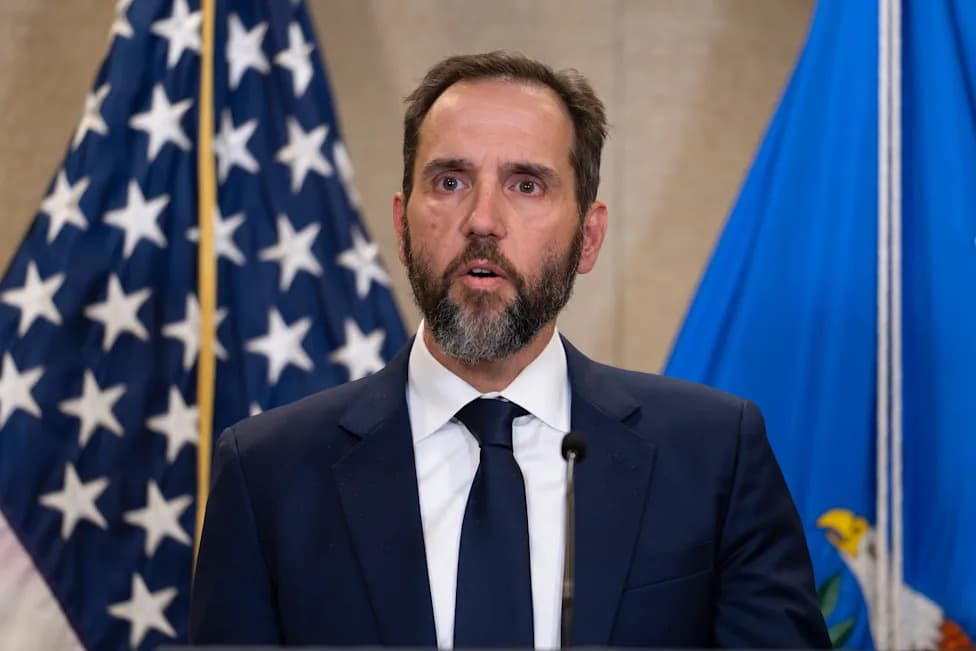
FILE - Special counsel Jack Smith speaks to the media about an indictment of former President Donald Trump, Aug. 1, 2023, at an office of the Department of Justice in Washington. (AP Photo/J. Scott Applewhite, File)
WASHINGTON — Former Justice Department special counsel Jack Smith, who brought two federal indictments connected to former President Donald Trump, is set to testify before the Senate Judiciary Committee and say he "will not be silenced by continued threats of prosecution." Smith will argue that the rule of law is under an unprecedented strain and that his office pursued the cases without political motive.
Smith is expected to defend the decisions that led to criminal charges and to stress that his team followed evidence rather than politics. In prepared remarks he plans to tell senators:
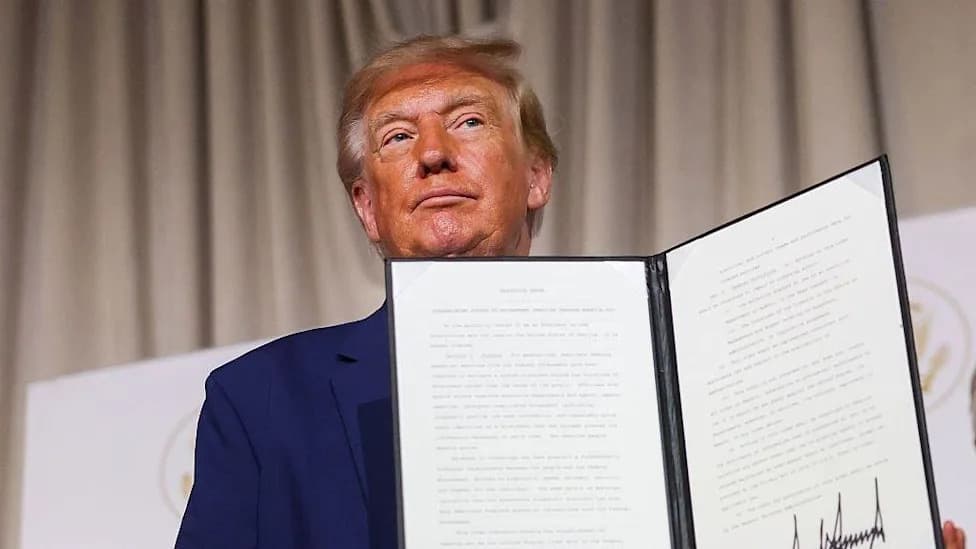
"I made these decisions without regard to President Trump's political association, activities, beliefs, or candidacy in the 2024 presidential election. Our investigation developed proof beyond a reasonable doubt that President Trump engaged in criminal conduct. If asked whether to prosecute a former president based on the same facts today, I would do so regardless of whether the president was a Republican or Democrat."
Republican senators, however, are likely to press Smith about his team's acquisition of phone records — so-called "toll records" — for Republican lawmakers whose communications with Mr. Trump around Jan. 6, 2021, were relevant to the investigation into efforts to overturn the 2020 election.
Supporters of Smith say subpoenas for phone metadata are a routine, necessary investigative tool used to establish who contacted whom and when during events that culminated in the Jan. 6 attack on the U.S. Capitol. Smith has argued repeatedly that his office "didn't spy on anyone" and that collecting toll records was essential to map contacts and to determine the scope of any alleged conspiracy.
Critics, including House Judiciary Chairman Rep. Jim Jordan (R-Ohio), have seized on the manner in which some records were obtained. In July, Jordan referred Smith to the Justice Department for possible prosecution, alleging that Smith misled Congress about the collection of records — an allegation Smith's attorneys strongly dispute.
The dispute intensified after Sen. Chuck Grassley (R-Iowa) disclosed that prosecutors had obtained toll records showing the dates, times and durations of calls (but not the content). Grassley also released material that Republicans say indicates that, via a separate subpoena to the National Archives and Records Administration, investigators obtained text-message content tied to communications involving some lawmakers and other Trump advisers. Smith's lawyers say he was answering questions specifically about toll records, which do not include message content, and describe his testimony as "unimpeachably truthful."
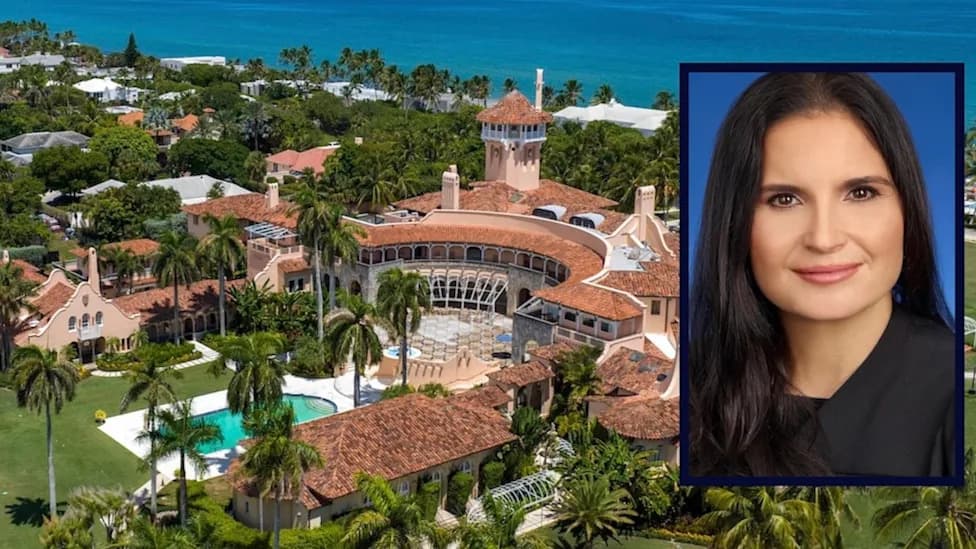
Smith was appointed in 2022 by then-Attorney General Merrick Garland to lead probes into efforts to overturn the 2020 election and into the retention of classified documents at Mar-a-Lago. Both inquiries produced federal indictments, though Smith stepped away from the matters after Trump returned to the White House in 2024, citing longstanding Justice Department guidance that a sitting president cannot be federally indicted.
Since leaving the role, Smith has remained a target of political attacks. The administration announced moves last year to revoke security clearances for some lawyers who represented Smith, and the Office of Special Counsel opened an inquiry into potential partisan activity. Smith’s testimony before the Senate will revisit those controversies as he defends the integrity of his office’s work.
Help us improve.