For 23 years the Oakland Police Department was overseen by a federal court after evidence of systemic misconduct. Stanford researchers used AI to analyze years of body-camera footage and found linguistic cues that predict escalation within 27 seconds and a persistent "respect gap" disadvantaging Black drivers. Targeted, data-driven reforms corresponded with a 43% drop in stops of Black civilians without increased crime, a 70% drop in officer injuries after a new foot-pursuit policy, and a sharp reduction in officer-involved shootings.
After 23 Years of Oversight, Oakland’s Data-Driven Police Reforms Show New Promise
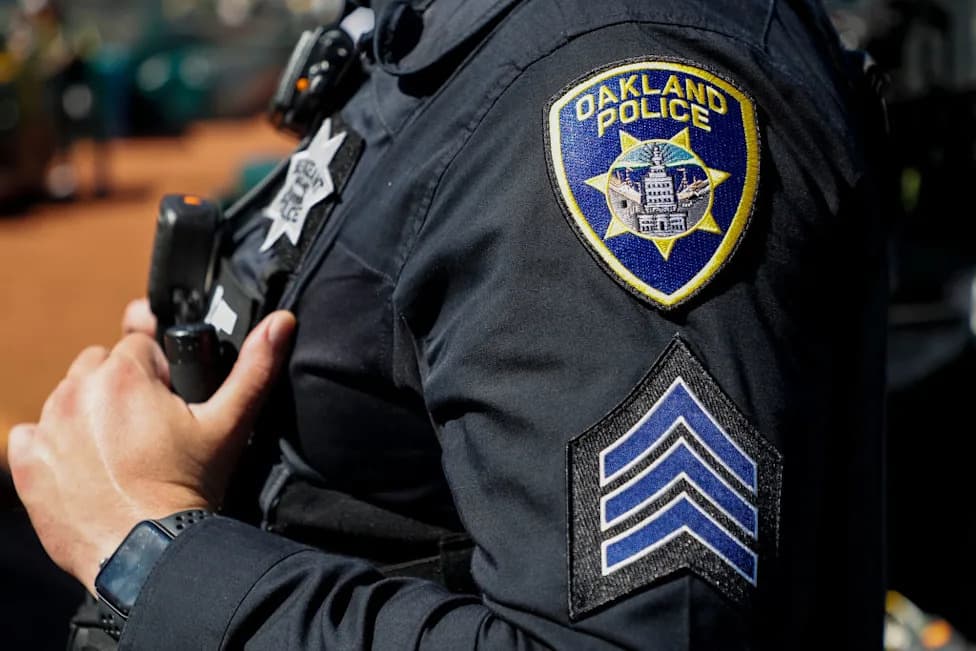
A detailed view of a patch for the Oakland Police Department on July 2, 2023, at RingCentral Coliseum in Oakland, California. —Brandon Sloter—Icon Sportswire/Getty Images
For more than two decades the Oakland Police Department (OPD) operated under federal court oversight after evidence of systemic misconduct emerged. What began as legal intervention has evolved into a rare example of how rigorous data, modern technology, and targeted policy changes can produce measurable improvements in policing.
In the spring of 2014, civil-rights attorneys John Burris and Jim Chanin asked me to serve as a subject-matter expert in their case against OPD. They wanted to understand not only whether racial disparities existed in stops and enforcement, but why they persisted. My team—drawn from linguistics, social psychology, and computer science—set out to parse the evidence.
From Numbers To Meaning: The Limits Of Traditional Records
Conventional records such as arrest logs and crime statistics show what happened but rarely explain why. Advocates and officers often disagreed about the meaning of the same numbers: some saw bias, others saw crime concentration. To move beyond contested interpretation, we needed a richer source of information.
Body Cameras, AI, And A New Lens On Encounters
Oakland had accumulated years of body-worn camera footage—archives that capture millions of routine officer-civilian interactions. Historically, departments have treated this footage as post-incident evidence. Human review at scale is impractical, but artificial intelligence makes systematic analysis possible.
Working with OPD and a federal monitor, our Stanford research team developed computational tools to analyze language, tone, and interaction patterns in camera audio and video. These methods let us find consistent, subtle signals that predict how encounters unfold—insights no manual review could reliably surface.
Key Findings:
- Distinct linguistic signatures could predict, within the first 27 seconds of an encounter, whether it was likely to escalate or end peacefully.
- We identified a persistent "respect gap": Black drivers — even when stopped by Black officers — were more likely to be addressed in different tones, given fewer explanations for stops, and receive fewer expressions of concern for safety before speaking.
Turning Evidence Into Targeted Reform
We shared these findings with OPD and helped design focused policy changes and trainings. Examples included asking officers to briefly record the rationale for a stop before escalating, and shifting from broad, generic trainings to data-driven modules that targeted specific language and behaviors linked to escalation.
The results were encouraging. After implementing new policies and training:
- Stops of Black civilians in Oakland dropped by 43% with no measurable uptick in crime.
- A pre-post evaluation of training showed a marked decrease in officer language associated with escalation and an increase in language that built trust.
- After adopting a revised foot-pursuit policy that discourages chasing suspects into yards and blind alleys, officer injuries fell by about 70%.
- Officer-involved shootings, previously averaging roughly eight per year, declined to a total of eight over a five-year period.
These changes did not come from gut instinct alone: they were driven by measurable patterns extracted from existing footage and then translated into practical policy changes.
Voices From The Field
On a return visit I rode an elevator with a Black woman who works for the department. She told me that for years community complaints were dismissed because the department assumed officers "behaved professionally." She said, "Data gave us a way to be heard." Individual stories, when aggregated, became actionable evidence pointing to systemic problems and solutions.
Benefits, Limits, And Ethical Considerations
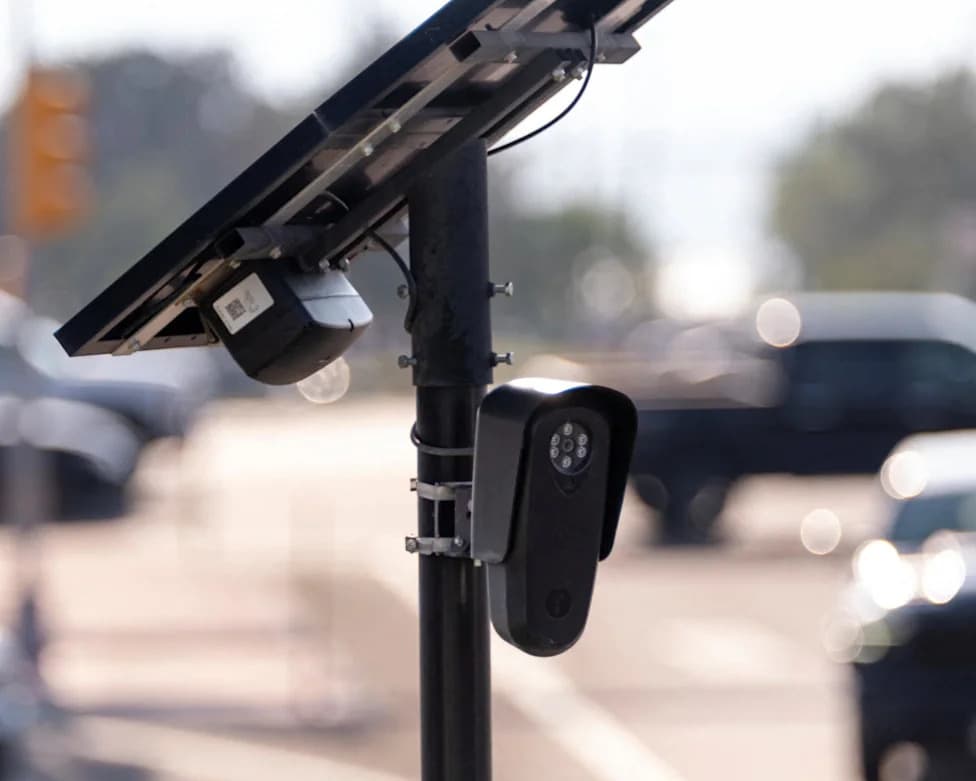
New surveillance technologies—Flock cameras, automated tools, and AI—raise legitimate concerns about privacy, equity, and misuse. Oakland’s experience shows a constructive path: converting body-worn camera footage into a tool for accountability, not just after-the-fact evidence. Doing so requires strong privacy protections, transparent governance, and community oversight to prevent misuse.
Importantly, the approach does not require massive new infrastructure or wholesale workforce reductions. It asks departments to learn from data they already collect and to use insights to reduce harm and build trust.
Conclusion
At a moment when American policing faces acute challenges—record retirements, recruitment shortfalls, declining officer wellness, and eroding public trust—Oakland’s data-driven reforms offer a pragmatic model. While not a panacea, this approach demonstrates that careful analysis of body-camera footage, combined with targeted training and policy changes, can make police-civilian interactions safer and more respectful. If other cities adopt similar evidence-based strategies and guard against privacy and equity risks, American policing could shift toward better outcomes for communities and officers alike.
Help us improve.