A new CSOH report finds a 240% rise in anti‑South Asian posts on X between January 2024 and June 2026, with more than 542,000 hateful posts recorded from January 2025 to June 2026. The study links spikes in abuse to political rhetoric and policy fights (notably over the H‑1B program), the normalization of hateful messaging in some public channels, and amplification by influencers and generative AI. Researchers warn that online narratives are already contributing to real‑world violence against South Asian communities.
Report: Online Anti‑South Asian Hate Surged 240% on X, Researchers Warn of Real‑World Harm

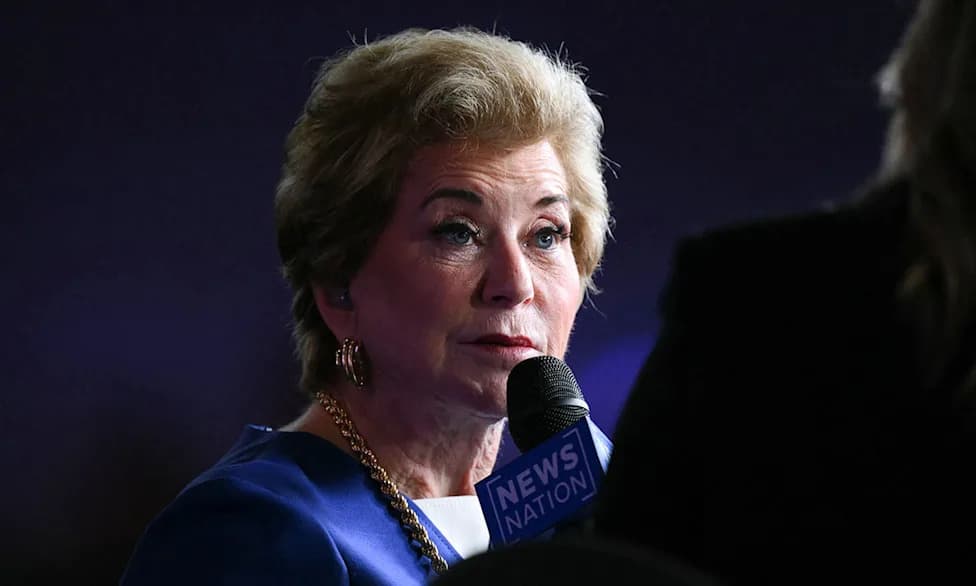
The monthly volume of hate towards South Asians in the US on the social media platform X rose 240 percent between January 2024 and June 2026, according to a new report [File: Jenny Kane/AP Photo]
New analysis by the Center for the Study of Organized Hate (CSOH) finds a dramatic rise in online hate targeting people of South Asian origin living in the United States. The report, titled "The Rising Tide of Anti‑South Asian Hate in the United States," documents increases in slurs, dehumanizing narratives and targeted harassment that researchers say are linked to political rhetoric, policy fights and growing public visibility of South Asians.
Key Findings
Using the United Nations definition of hate speech and manually reviewing posts to exclude non‑hateful commentary, researchers found that monthly anti‑South Asian posts on the social platform X rose 240% between January 2024 and June 2026, from 12,904 to 43,843 posts. Between January 2025 and June 2026 alone, analysts recorded more than 542,000 hateful posts on X, with five of the six highest‑volume months occurring near the end of that period.
Nearly half of the hateful posts accused South Asians of "invading" the U.S., stealing jobs or posing a demographic threat. The derogatory slur "pajeet" and its variants appeared in roughly 30% of hateful posts on X and about 45% on fringe platforms. Posts portraying South Asians as dirty or unhygienic grew 171% on X — the fastest‑growing narrative identified by the study.
Drivers And Political Context
Researchers link several spikes in abuse to public policy debates and political rhetoric. The H‑1B visa program — for which Indians represent more than 70% of holders — was a flashpoint, particularly after a September 2025 policy change that imposed a $100,000 payment requirement on certain new petitions. The report also ties surges in anti‑South Asian commentary to statements by prominent political figures that blamed outsourcing on South Asian countries.
The CSOH highlights examples it says normalize anti‑South Asian sentiment in official channels: a since‑deleted September 2026 Department of Homeland Security post titled "Transformers: Age of Deportations" that targeted a Sikh man, and a Department of Education post following complaints about South Asian attendees at a college football game. The authors argue such messages reinforce the idea that South Asians are outsiders who "can never truly belong in the country."
Amplification Online And Real‑World Consequences
Social platforms have allowed narratives to spread quickly and to be weaponized. Researchers documented doxxing incidents, influencer confrontations recorded and shared with large audiences, and the use of generative AI to produce fabricated or demeaning images and text that depict South Asians as "filthy," sexually predatory, or a demographic threat.
The report stresses that online abuse and offline violence are interconnected. It cites a July incident in which an Indian Muslim mall employee in Utah was repeatedly stabbed — charged as a hate crime — and a September attack in which a Sikh truck driver was stabbed multiple times at a Wyoming truck stop. The authors warn that digital demonization can fuel physical attacks.
Broader Patterns
Hate frequently collapses diverse national, ethnic and religious identities — Indians, Pakistanis and Bangladeshis, and Hindus, Muslims, Sikhs and Christians — into a single, monolithic target. Economic resentment has shifted some portrayals of South Asians from a "model minority" stereotype to accusations of opportunism or cheating, making them convenient scapegoats in debates about jobs and status. The report also links these trends to broader conspiratorial themes, including the "Great Replacement" narrative.
Conclusion
CSOH calls for recognition that political rhetoric, platform dynamics, targeted harassment tactics and new technologies like generative AI together have amplified anti‑South Asian hate online and increased risks offline. The report urges policymakers, platforms and community leaders to address both the digital spread of harmful narratives and their real‑world consequences.
Help us improve.