President Trump told reporters that Americans face an either-or choice: endure higher gasoline prices or risk a nuclear strike, remarks made while unveiling a $15bn Iowa steel plant. His comments mixed warnings about a potential Iranian nuclear attack with assertions that Iran's nuclear threat had been neutralized, creating a contradictory message. Polls show rising public skepticism about the administration's plan to end the six-plus-month conflict, and with midterms 36 days away, some Republicans are pressing for a resolution to reopen the Strait of Hormuz and ease fuel prices.
Trump Presents Stark Choice: Higher Gas Prices Or Risk Of Nuclear Strike, He Says
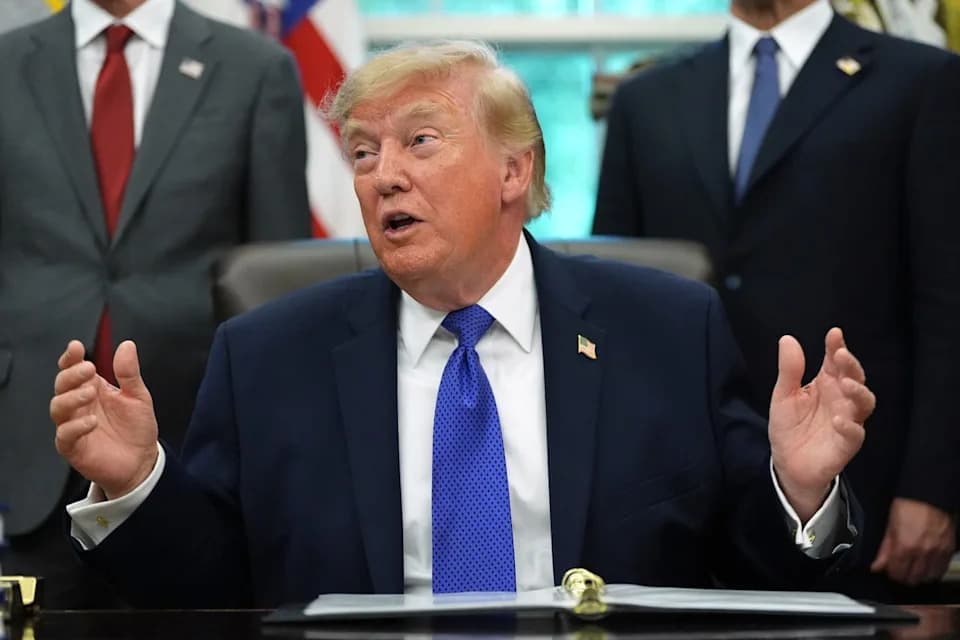
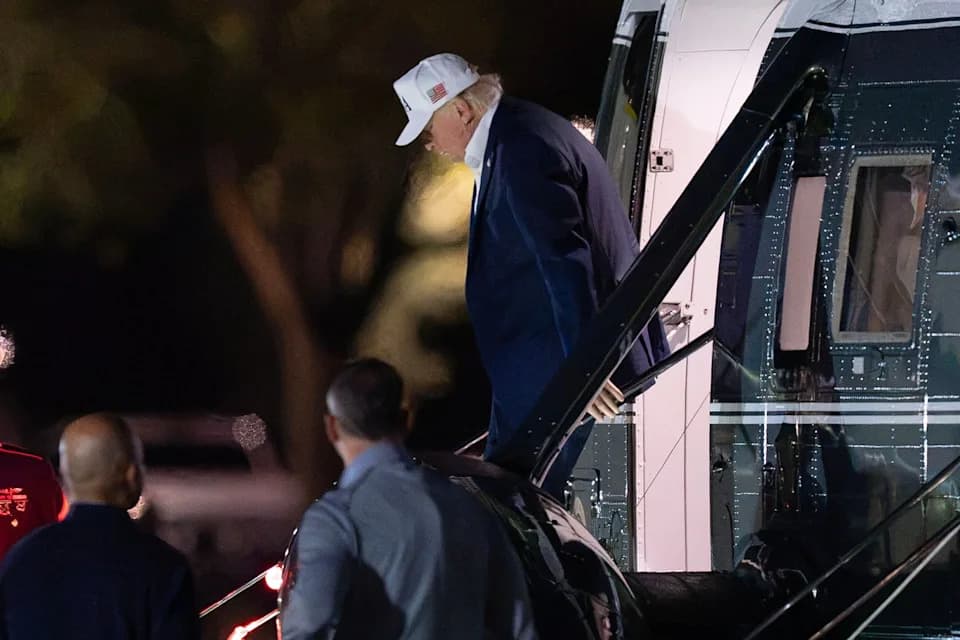
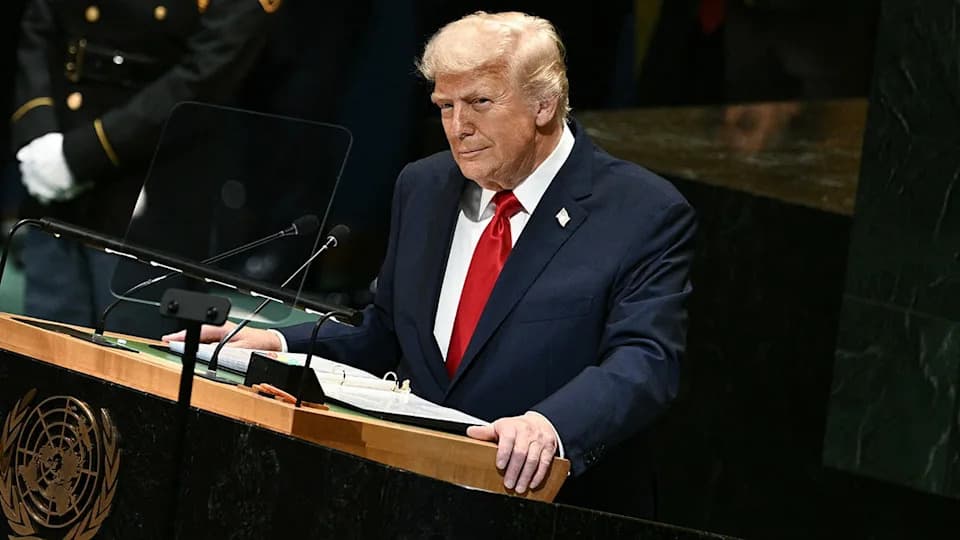
Donald Trump warned that the alternative to fighting the war in Iran and facing high gas prices was a nuclear attack on Monday (AP)
President Donald Trump framed an extreme and stark dilemma on Monday: Americans must either accept higher gasoline prices or face the possibility of a nuclear attack.
The president made the comments at the White House while announcing a new $15 billion steel plant to be built in Iowa, a project pitched as a political lifeline for Republicans in the Midwest. But his most attention-grabbing remarks returned to the six-plus-month conflict with Iran, which critics say has strained the U.S. economy and pushed fuel prices higher as the midterm elections approach.
When a reporter asked whether motorists should expect elevated pump prices through October, Trump warned that a far greater danger to the country would be a nuclear strike.
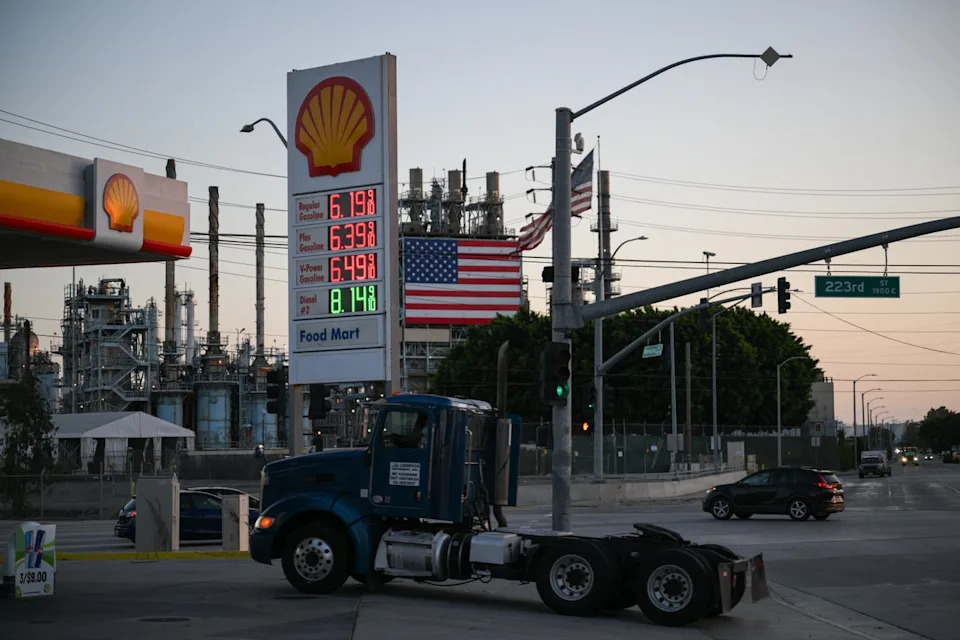
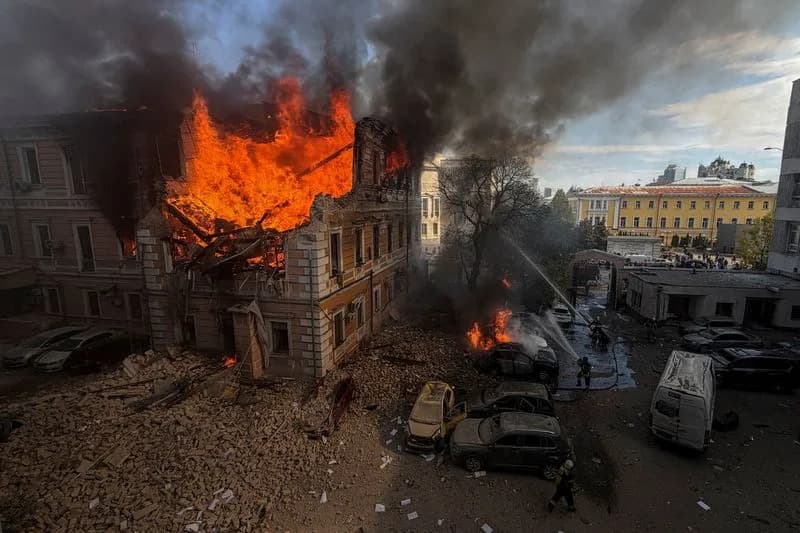
Gas and diesel prices remain near Covid-era highs as the war in Iran and the closure of the Strait of Hormuz continue to bog down energy shipments (AFP/Getty)
“If you want to see turmoil, and a travesty, let them take out a city with a nuclear weapon,” the president said. “I'm not only talking about Israel and big parts of the Middle East, but let them hit us with a nuclear weapon.”
In the same exchange, however, Trump also asserted that Iran's nuclear threat had already been neutralized — an apparent reference to U.S. strikes earlier in the year or to his prior claims of significant damage inflicted on Iranian capabilities. That contradiction underscores the challenge the White House faces in persuading a skeptical public.
Public Skepticism And Political Stakes
Polling indicates growing public doubt about the administration's handling of the conflict. Nearly three in four U.S. adults say they do not believe the president has a credible plan to end the war, and large majorities question the administration's justification for the campaign — specifically the claim that Iran posed an imminent nuclear threat. A Quinnipiac poll in March already showed more than half of Americans unconvinced, and the White House's standing on Iran has weakened since.
The administration has not publicly produced conclusive evidence that Iranian nuclear facilities were being reconstituted after earlier strikes. In March, Tulsi Gabbard testified under oath that she saw no evidence contradicting those public assessments — a point cited by critics who say the administration has offered insufficient proof to justify a long military campaign.
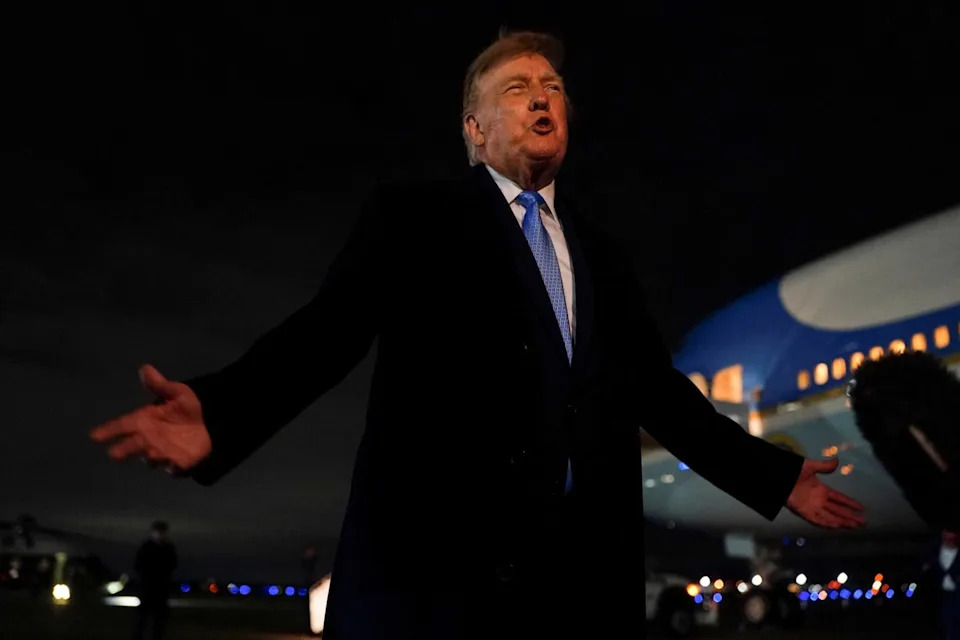
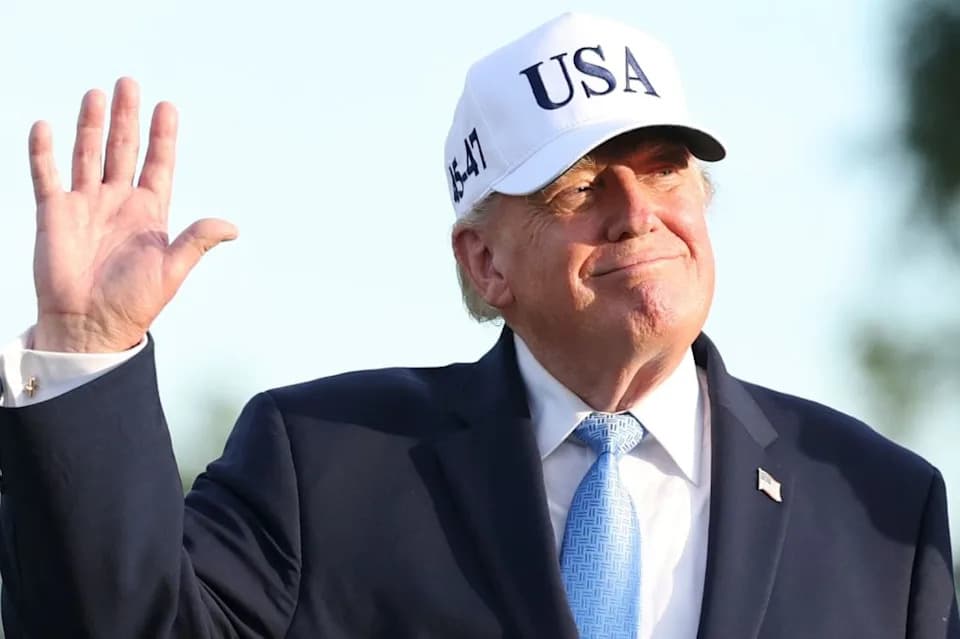
Trump told reporters on Sunday evening that the suspects in the RAF Fairford attack were migrants, which turned out to be untrue (Reuters)
Other International Developments
Trump also gave an evasive answer about suspects detained at RAF Fairford, the U.K. airbase that supports some U.S. operations. He said he knew whether the suspects were linked to Iran but declined to disclose details, and he opposed bail for the five men arrested on terror- and explosives-related charges. British police have said the men are British nationals living in London; Iran denied involvement.
Foreign Policy Focus And The Midterms
Entering a second term in 2025, Trump made foreign policy a centerpiece of his agenda while delegating much domestic policy to other advisers. His administration pursued a mix of diplomatic initiatives and forceful military operations, including strikes on vessels the U.S. accused of facilitating drug smuggling and attacks on key Iranian nuclear sites. That campaign was at one point promoted as a short, decisive effort — but it has stretched into a conflict with no clear end after more than half a year.
Republican support for Trump remains strong on some broad job-approval measures, but issue-specific polling shows erosion. A recent CNN/SRSS poll found only about half of Republicans believe Trump has improved America's standing in the world, and roughly 55% of Republicans say the war was "worth it." With midterm elections approaching in 36 days, some Republican lawmakers are urging a resolution that would reopen the Strait of Hormuz and ease energy disruptions ahead of the vote.
The president's repeated warnings about nuclear risk appear aimed at justifying continued pressure on Iran despite the economic pain voters feel at the pump. Whether that message persuades swing voters or deepens skepticism within his own party could have immediate political consequences.
Help us improve.