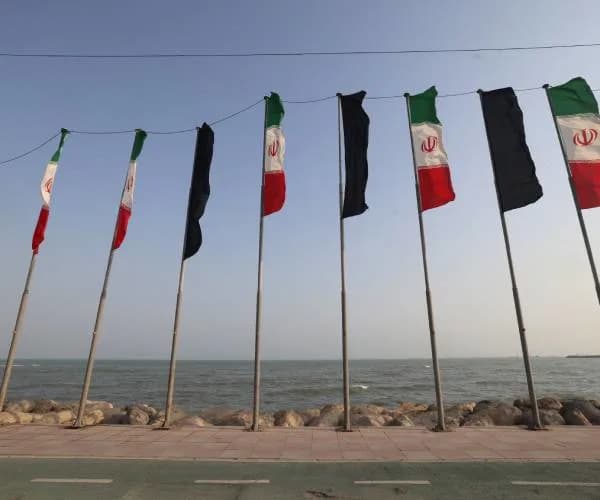
The United States and Iran held separate mediator talks as part of a renewed effort to end a seven-month war. Diplomats say further discussions will likely center on an amended version of Iran's seven-day ceasefire proposal presented at the U.N. General Assembly. Iran conditions the reopening of the Strait of Hormuz on an end to hostilities, the unfreezing of billions in assets and the lifting of oil sanctions. Both sides previously agreed to ceasefires in April and June, but those accords quickly collapsed.
U.S. and Iran Hold Separate Mediator Talks as Focus Shifts to Amended 'Seven-Day' Ceasefire Plan
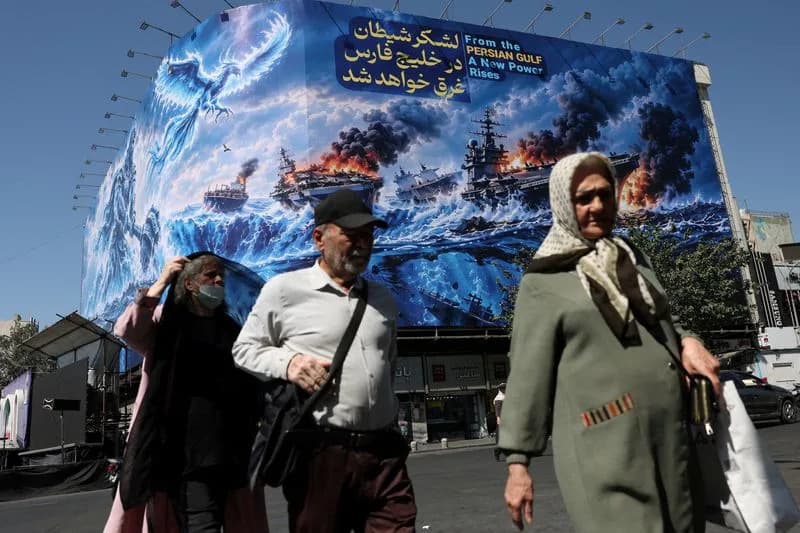
FILE PHOTO: People walk past a billboard about the Strait of Hormuz, on a building in Tehran, Iran, September 16, 2026. Majid Asgaripour/WANA (West Asia News Agency) via REUTERS/File Photo
Sept 28 (Reuters) - U.S. and Iranian officials held separate discussions with mediators on Monday in a renewed push to halt a war that has raged for seven months, officials on both sides said. Diplomats expect follow-up talks to concentrate on an amended version of the seven-day ceasefire proposal Iran unveiled last week on the sidelines of the U.N. General Assembly.
Latest Developments
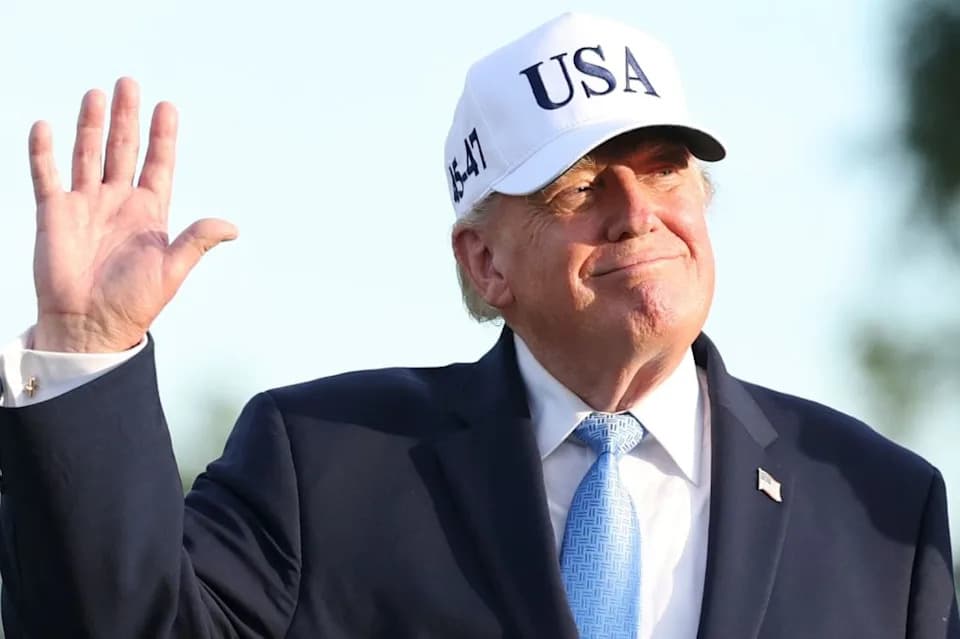
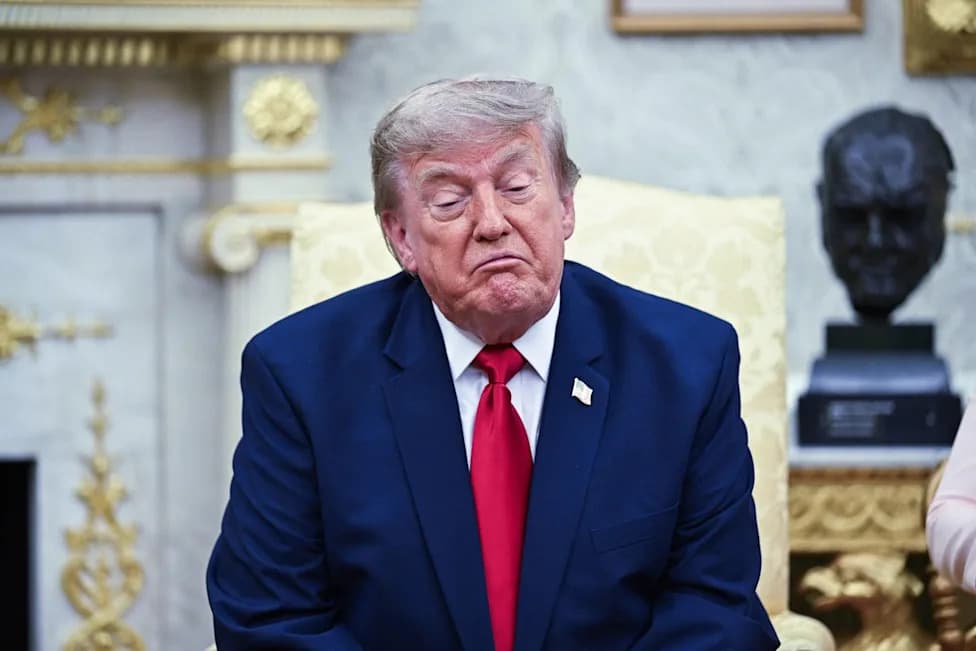
Sources briefed on the negotiations told Reuters that the next round of contacts will likely focus on revisions to Iran's plan and on the conditions Tehran has set for restoring maritime traffic through the Strait of Hormuz. U.S. President Donald Trump confirmed that U.S. officials spoke with mediators but gave no further details.
Background
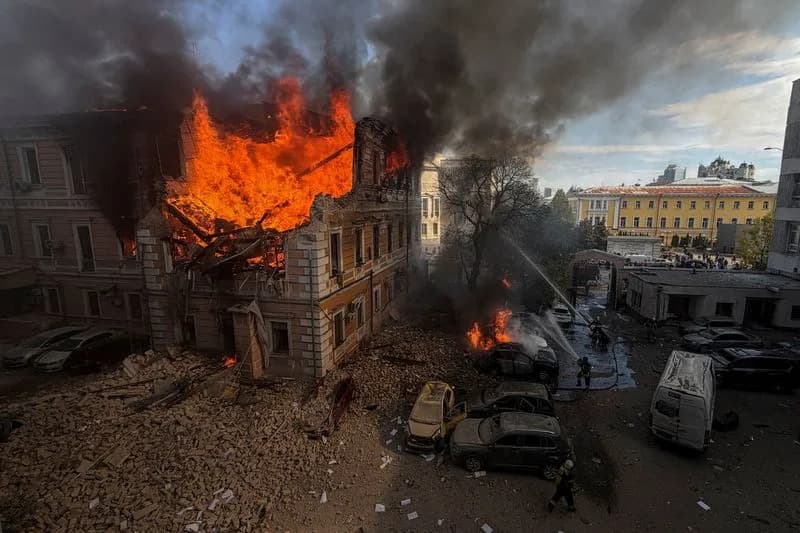
The conflict, which began in late February with U.S. and Israeli strikes on Iranian targets, has killed thousands and disrupted global markets as vital oil shipping lanes have been constrained. The United States and Iran previously agreed to mediated ceasefires in April and June, but both accords quickly collapsed.
Iran's Seven-Day Proposal
Iranian Foreign Minister Abbas Araqchi, who remained in New York after attending the U.N. General Assembly, said Tehran expects a formal U.S. response to its ceasefire proposals and to its conditions for reopening the Strait of Hormuz, according to state news agency IRNA.
"If the Americans claim they are seeking an agreement or a peaceful solution, we have presented that solution," Araqchi said.
The core elements of Iran's seven-day plan, as described by officials, include an immediate end to hostilities in Iran and Lebanon, the unfreezing of billions of dollars in Iranian assets, the lifting of sanctions on Iranian oil and the removal of the U.S. blockade on Iranian ports. In return, Iran would agree to allow the reopening of the Strait of Hormuz and resume talks on its nuclear program and the fate of its highly enriched uranium stockpile.
Next Steps and Stakes
Araqchi said mediators had not formally conveyed a U.S. rejection, and Tehran is awaiting Washington's definitive position before deciding its next moves. U.S. officials, while publicly dismissive over the weekend, signaled further negotiations could take place this week. The talks carry high stakes for regional stability, global energy markets and the humanitarian toll of the conflict.
(Reporting by Andrew Mills; additional reporting by Elwely Elwelly; Writing by Eman Abouhassira and Jonathan Allen; Editing by Aidan Lewis, Gareth Jones and David Gregorio)
Help us improve.