Detectives in Ada County have identified the 1982 "unknown wanderer" found dead of cyanide poisoning in a Boise church as Dr. Mathew Francis Betkouski, an organic chemist. Investigators used an engraved key and DNA to make the identification and later recovered a Chicago map and a bottle of sodium cyanide among his belongings. Experts who reviewed the file called Betkouski a "viable suspect" in the 1982 Tylenol poisonings, though authorities stress the evidence is circumstantial and no charges have been filed.
Cold-Case Breakthrough: Boise Cyanide Victim Identified as Chemist With Possible Links to 1982 Tylenol Killings
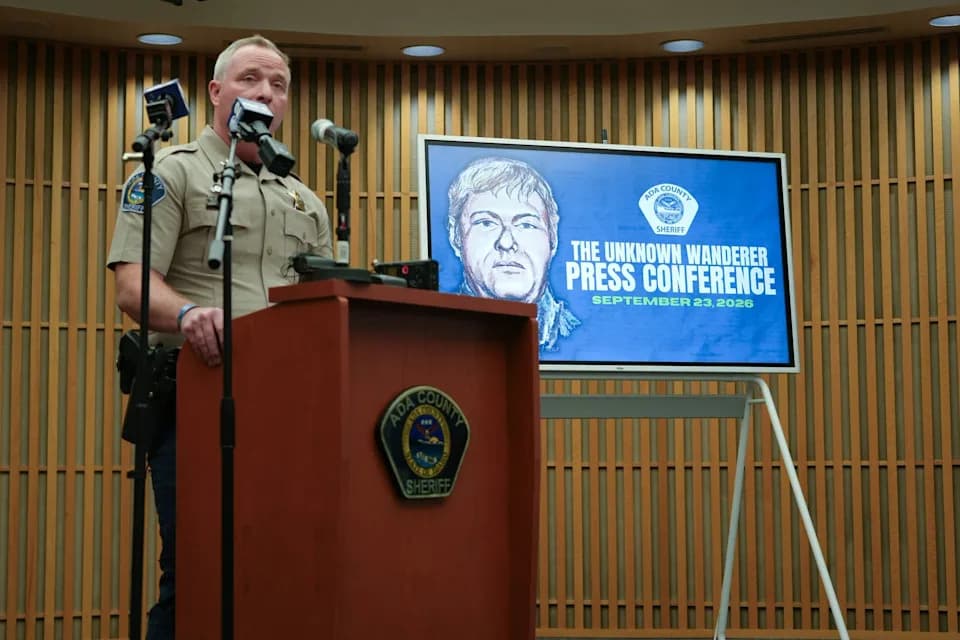
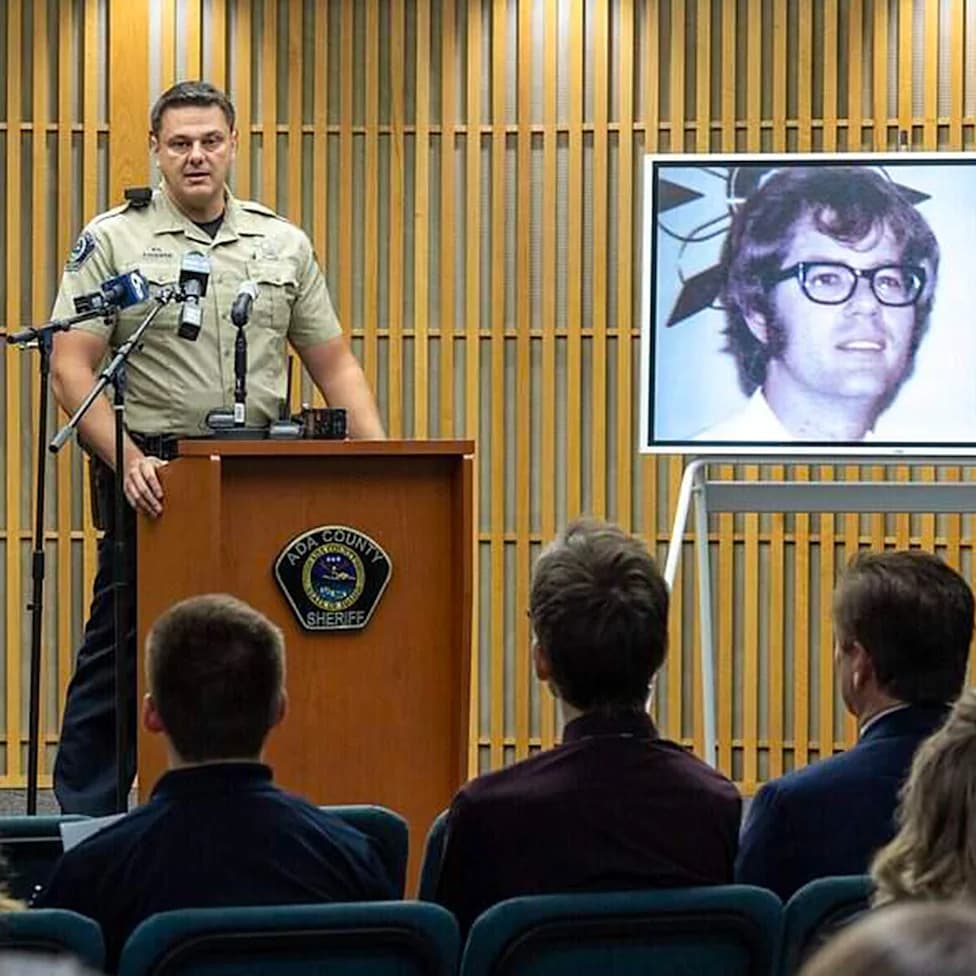
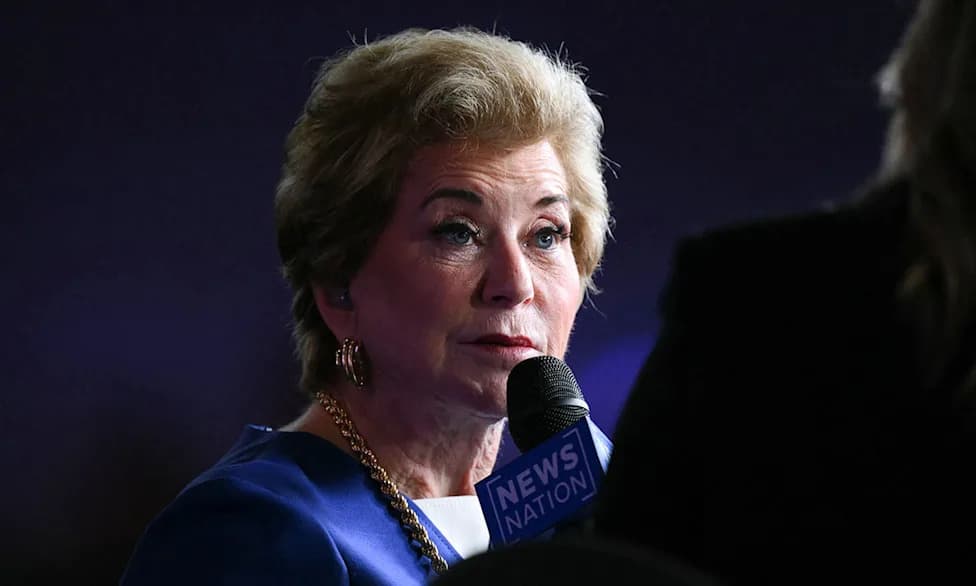
Matt Clifford, Ada County Sheriff speaks during the Ada County Sheriff's Office press conference announcing identity the man in a 1982 cold case as Dr. Mathew Betkouski, on Wednesday, Sept. 23, 2026, in Boise, Idaho.
On a cold December day in 1982, a man entered Sacred Heart Catholic Church in Boise, Idaho, offered no name and carried no identification. Hours later he was found dead of cyanide poisoning. Decades later, the victim — long known only as the "unknown wanderer" — has been identified as Dr. Mathew Francis Betkouski, an organic chemist from a prominent Los Angeles family.
How Investigators Identified Him
In a Sept. 23 press conference, Ada County cold-case detective Tim Cooper described how renewed scrutiny of the items recovered from the body produced the breakthrough: among nearly 30 keys was a single engraved key traceable to a Jacksonville, Florida, residence. Property records named Betkouski as a former owner; DNA obtained from his only surviving brother confirmed the match.
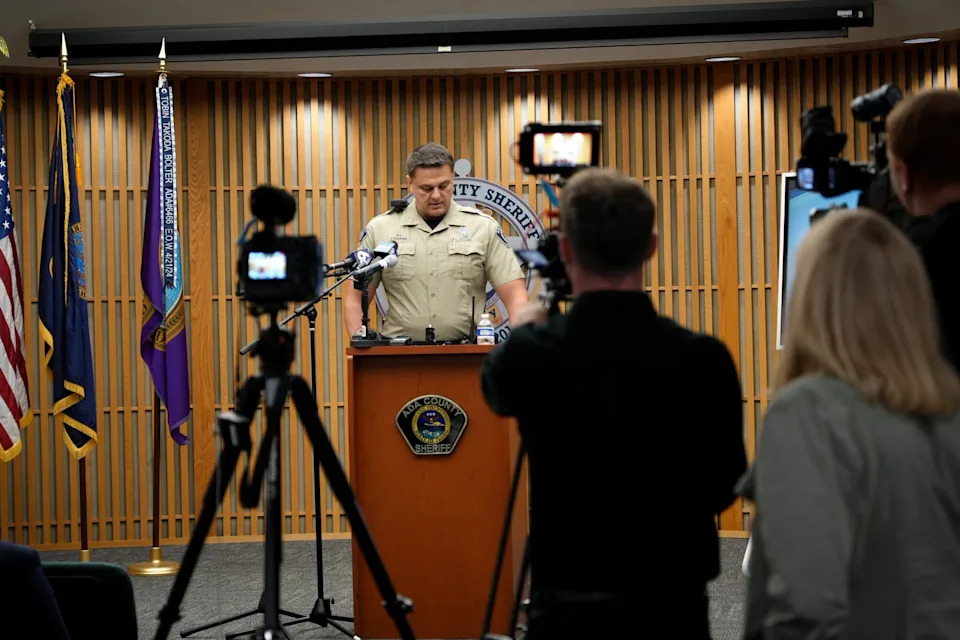
Tim Cooper, Ada County Sheriff’s Office Cold Case Detective, speaks during the Ada County Sheriff's Office press conference announcing identity the man in a 1982 cold case as Dr. Mathew Betkouski, on Wednesday, Sept. 23, 2026, in Boise, Idaho.
Background And Red Flags
Betkouski, who had pursued a Ph.D. and worked in chemistry-related positions, had a documented fascination with cyanide and explosives. Investigators say he had long-standing mental-health struggles that worsened after a traumatic brain injury in 1974. Colleagues and acquaintances reported unsettling behavior and comments: talk of "the perfect crime," musings about cyanide as a relatively "cleaner" lethal agent, and episodes of talking to himself and fearing he was being followed. He received inpatient psychiatric treatment at UCLA in 1978 and later worked on a NASA-related project at White Sands before losing that job in 1982 after an incident involving pills taken from a pharmacy and unauthorized material found at his residence.
Evidence Recovered And Links To Chicago
Items preserved by Betkouski's family and searched by investigators in 2021 included a map of Chicago and a small bottle labeled as cyanide. Laboratory analysis identified the sample as sodium cyanide, a different chemical form than the potassium cyanide used in the 1982 Chicago-area Tylenol poisonings, in which seven people died after tainted Tylenol capsules were laced with potassium cyanide.
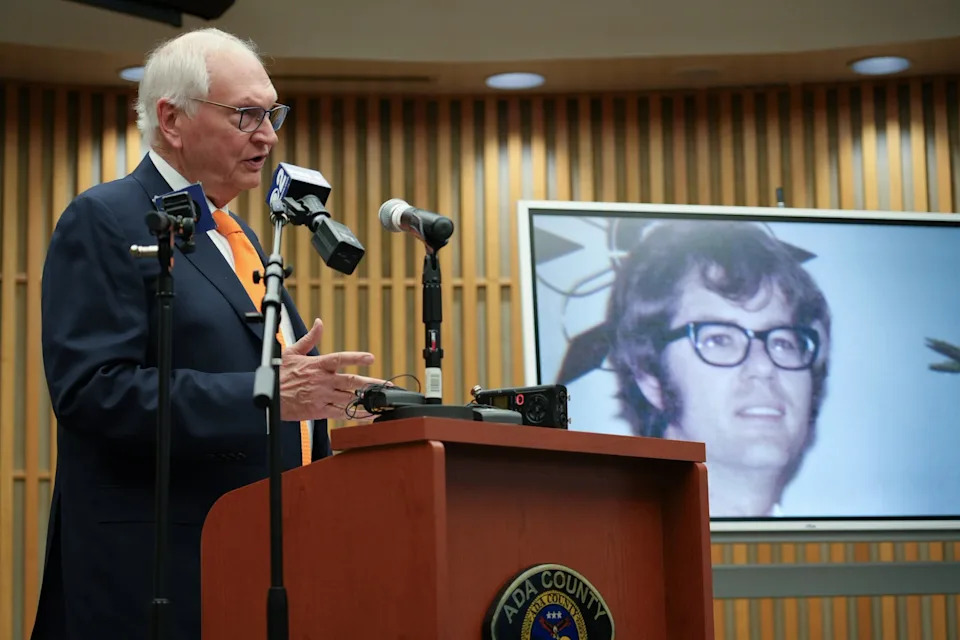
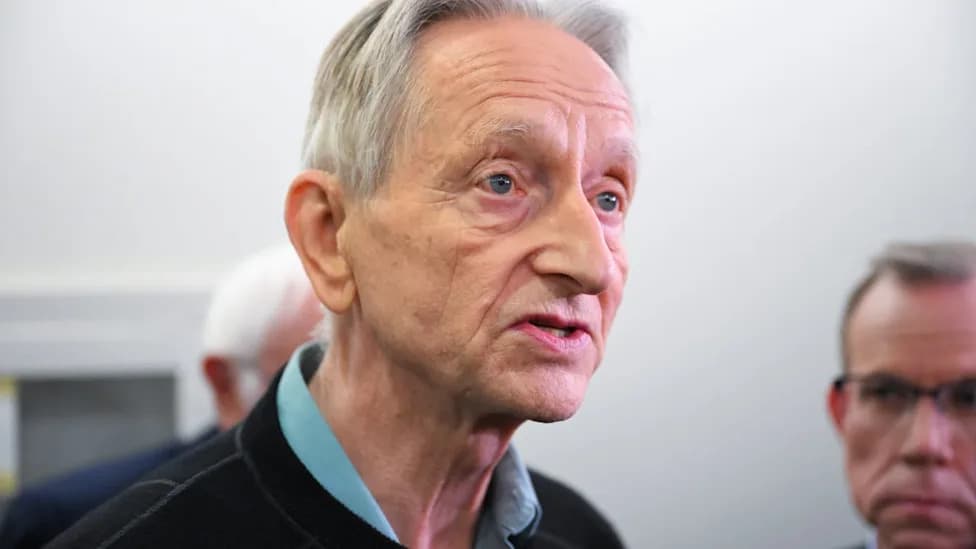
Dr. Park Dietz, forensic psychiatrist speaks during the Ada County Sheriff's Office press conference announcing identity the man in a 1982 cold case as Dr. Mathew Betkouski, on Wednesday, Sept. 23, 2026, in Boise, Idaho.
"We found materials that raise questions, but they do not on their own establish guilt in the Tylenol case," Detective Cooper said. Ada County Sheriff Matt Clifford added, "He didn’t appear to be a man who had been living on the street. Whoever he was, he had been taking care of himself. But none of that told us his name."
Expert Review And Ongoing Investigation
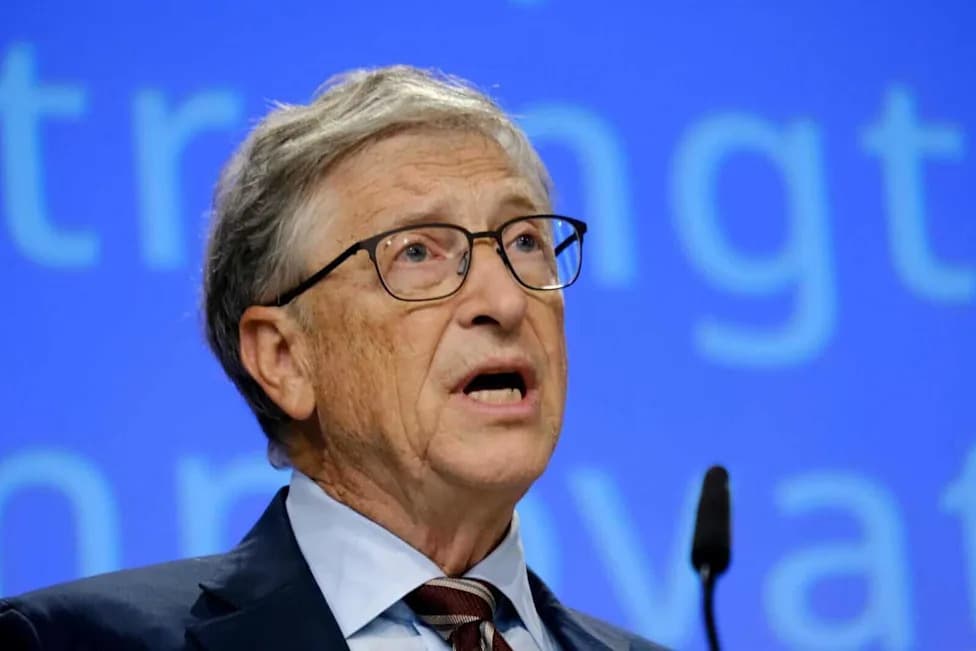
The Ada County Sheriff’s Office invited outside experts to review its findings. Forensic psychiatrist Dr. Park Dietz, who consulted with the FBI on the original Tylenol investigation, said a panel of forensic psychiatrists and psychologists found Betkouski to be a "viable suspect," with some experts convinced he could be the killer. Nevertheless, Ada County detectives have not named him a suspect in the Chicago case and emphasize that the connections are circumstantial.
What Authorities Are Asking From The Public
Investigators say Betkouski lived in multiple states during his life, including California, Texas, New Mexico, Ohio and Florida, and they are seeking information about his movements between Oct. 15 and Dec. 4, 1982. Detective Cooper urged anyone with knowledge of Betkouski’s whereabouts during that period to come forward to aid both the Boise cold-case inquiry and related unsolved incidents.
The Ada County investigation remains active. Authorities hope that public attention will generate new leads that either strengthen or refute the possible connections to the 1982 Tylenol poisonings.
Help us improve.