In Harlingen, Texas, dozens of migrant children — some toddlers — have appeared in immigration court without guaranteed legal counsel as procedures and timelines are accelerated. A lapse of a long-standing, roughly $200 million-a-year legal-services contract and a short-term ORR award have left gaps in representation. Nonprofits such as ProBar are trying to fill the void, but advocates warn that compressed schedules and limited counsel threaten due process and children's safety.
‘I Have No One’: Inside A Texas Immigration Court Where Young Children Fight To Stay In The U.S.
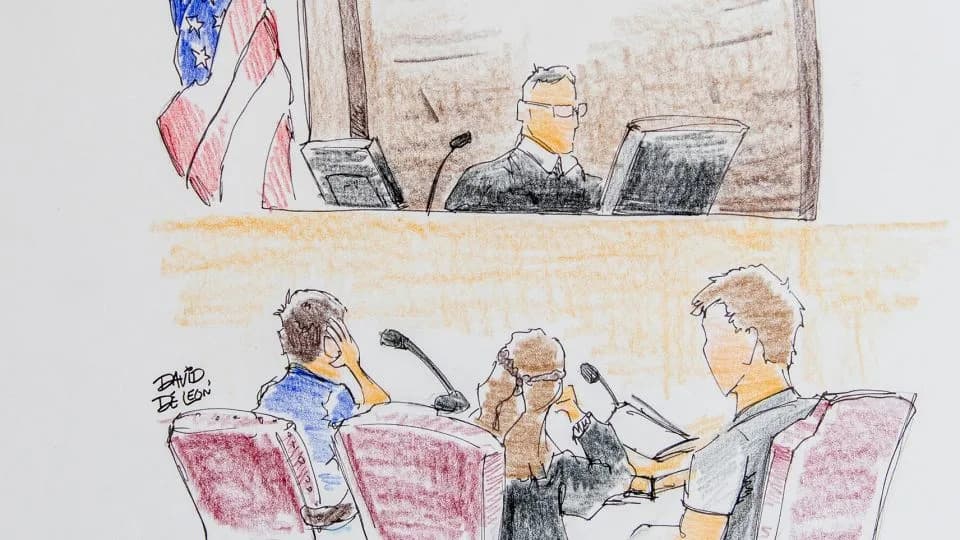
From left: An 8-year-old, 9-year-old, and 13-year-old appear before an immigration judge without an attorney. The 13-year-old, named Angel, was ordered removed from the United States. - David De Leon
In a Harlingen, Texas, immigration courtroom one Monday, 25 migrant children — some as young as 3 — sat through hearings that could determine whether they remain in the United States or are removed. Many arrived without attorneys, escorted by caseworkers and guided through unfamiliar proceedings as judges and officials moved quickly to resolve their cases.
In The Courtroom
Caseworkers quietly introduced the children to courtroom personnel before hearings began. Some children played to pass the time: a 6-year-old pretended to fly an airplane, and a 3-year-old tested the microphone. A 13-year-old Honduran boy identified as Angel appeared without counsel and told the judge, "My mom and almost my entire family are here. It's too dangerous to go back." The judge said Angel did not meet the legal standard for asylum and offered him voluntary departure or a removal order; the boy later told the court, "I have no one. I have nothing." He was given time to appeal.
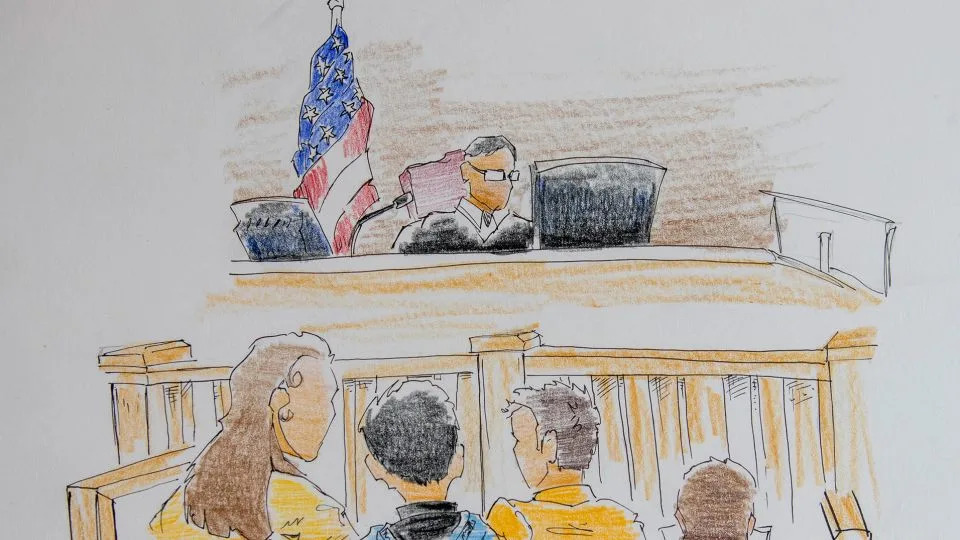
Unaccompanied migrant children wait to be called on by the immigration judge for their hearings, which will determine whether they can remain in the United States or be deported. - David De Leon
Faster Timelines, Fewer Supports
Advocates and attorneys who work with unaccompanied children say hearings and asylum interviews that once took months are now being scheduled within days or weeks, sometimes with only 24 hours' notice. They warn that compressed timelines and repeatedly changing procedures are causing confusion and heightening stress for children who must present evidence and recount traumatic experiences without guaranteed legal representation.
Legal Safeguards At Risk
Federal law — including the Trafficking Victims Protection Reauthorization Act of 2008 — requires screenings for trafficking and credible fear. Advocates say those protections are being undermined when children appear alone or without adequate notice and counsel.
What Changed
A major shift occurred in July when a multiyear contract — historically valued at roughly $200 million a year and managed by the Acacia Center for Justice with about 100 subcontractors — lapsed. That network previously provided know-your-rights presentations, legal screenings and counsel to more than 20,000 unaccompanied children. In early August, the Office of Refugee Resettlement (ORR) awarded up to $20 million to the U.S. Committee for Refugees and Immigrants (USCRI) through Dec. 31, but advocates filed court declarations saying USCRI attorneys were sometimes absent or passive during hearings.
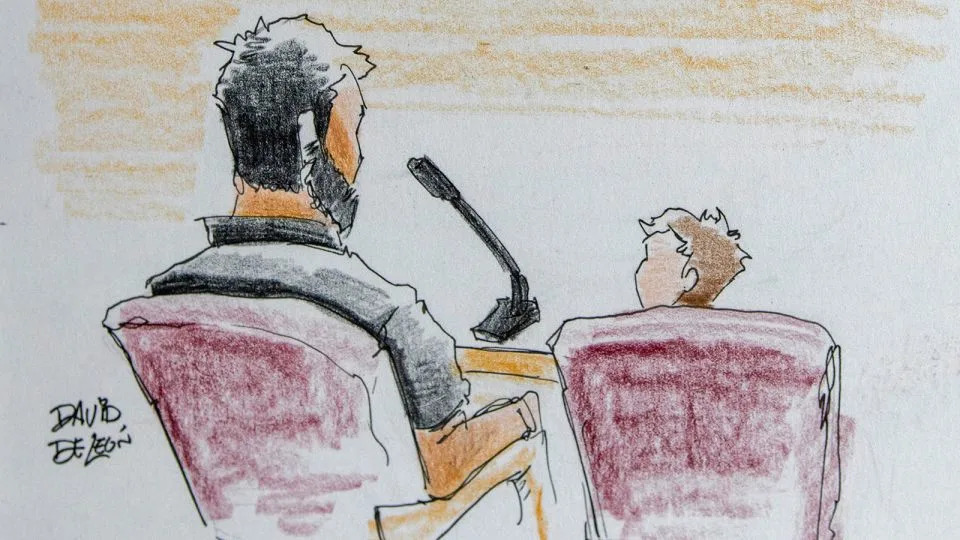
An unaccompanied migrant child sits before an immigration judge, with a caseworker who is there to supervise. - David De Leon
ORR said the award demonstrates its commitment to legal services and that it will facilitate children's participation in immigration proceedings. The Executive Office for Immigration Review (EOIR) also said it prioritizes timely case resolution and adjusts scheduling to prevent cases from languishing.
Nonprofits Step In — But Capacity Is Limited
Local nonprofit providers have continued to represent existing clients but face sharp limits taking new cases after federal funding changed. Estrella del Paso closed its program in El Paso, laying off most staff, while ProBar and other groups have tried to fill gaps by offering hotlines and limited intake. ProBar launched a hotline called Dory and has fielded more than 200 calls from children in custody seeking guidance.
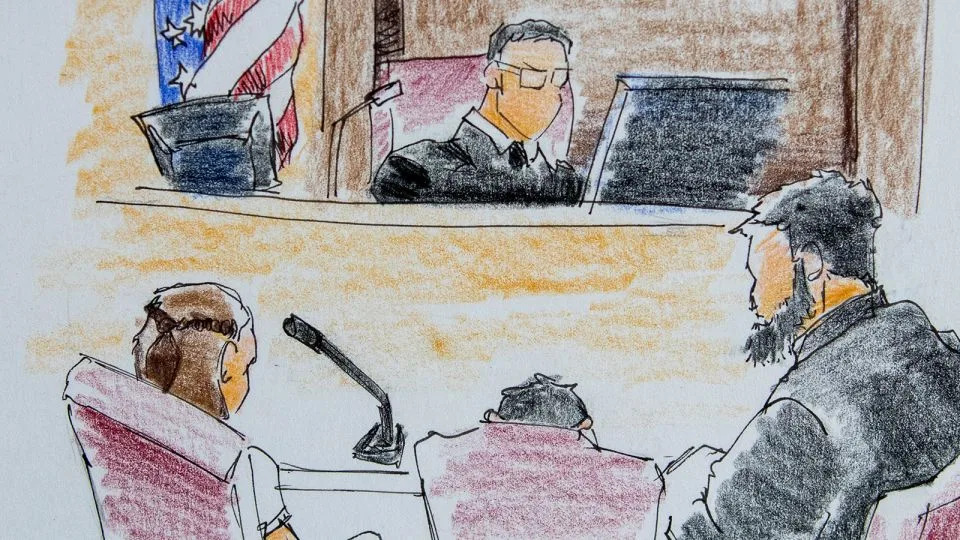
Three-year-old Mateo, center, was in immigration court for an initial appearance. He's seated next to a caseworker who is there to supervise but not provide legal representation. Mateo's attorney appeared remotely. - David De Leon
Attorneys say representation matters: children with counsel are far more likely to understand proceedings, properly assert asylum claims and avoid summary orders of removal. Without counsel, judges may rely on forms the children cannot complete or on procedural responses that fail to capture safety concerns.
What This Means For Children
In August, federal data showed an average of 1,883 migrant children in HHS custody. Some children are choosing voluntary return — sometimes with a DHS stipend offered as an incentive — but advocates warn that quick timelines and diminished legal support risk undermining due process and public policy protections for vulnerable minors.

A woman sits next to a child who's appearing for her immigration hearing. - David De Leon
Key Facts: children as young as 3 appearing in court; multiyear legal services contract lapsed in July; ORR awarded up to $20 million to USCRI for short-term coverage; nonprofits like ProBar remain active but capacity is constrained; attorneys and advocates report hearings and interviews are being accelerated and notice reduced; average HHS custody in August was 1,883 children.
If this picture changes, monitoring and timely legal support will remain critical to safeguarding children's rights and ensuring that credible claims of persecution and trafficking are fully heard.
Help us improve.