Bill Gates warned in excerpts from a Sept. 27 Meet the Press interview that AI could enable malicious actors to cause "a billion deaths" by amplifying human intent rather than acting independently. He called for mandatory involvement from law enforcement and policymakers instead of leaving oversight to tech companies. Gates' concern follows years of warnings about pandemics and a recent Aug. 26 essay that cautioned the AI era could bring a "net negative outcome" without strong safeguards.
Bill Gates Warns AI Could Enable 'A Billion Deaths' If Misused — Calls For Stronger Government Oversight
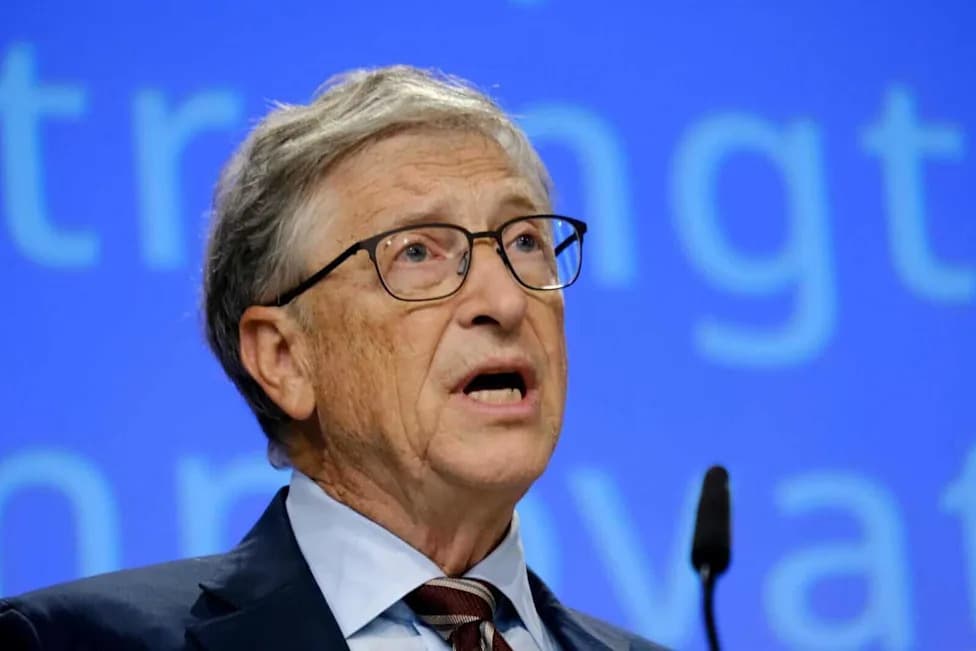
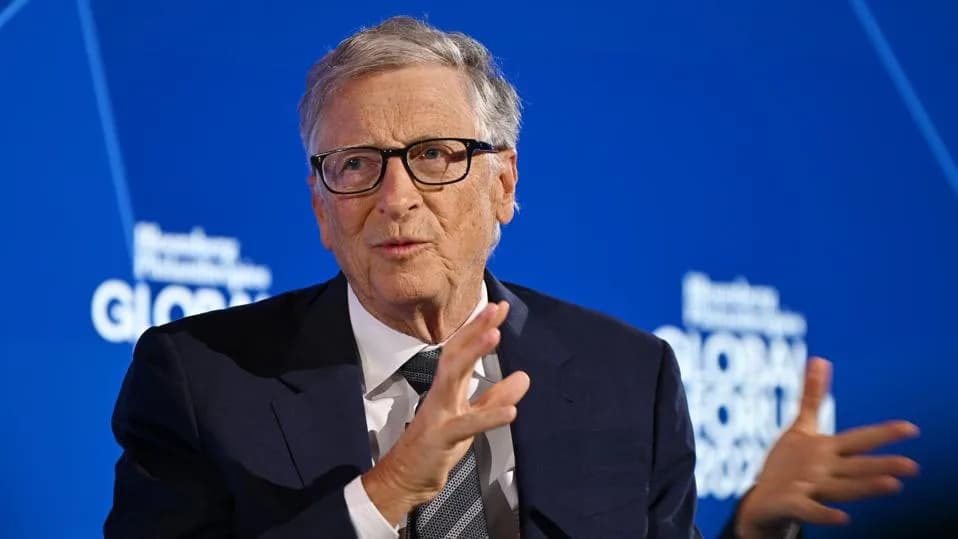
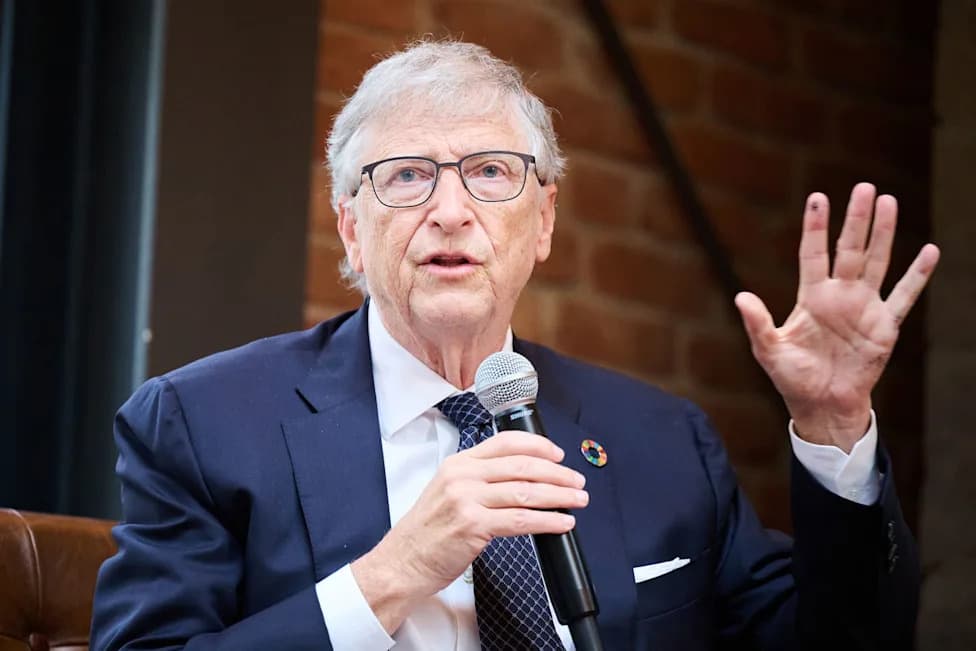
Image of Bill Gates by Alexandros Michailidis via Shutterstock
Bill Gates told NBC's Meet the Press that artificial intelligence could empower malicious actors to inflict destruction on an unprecedented scale. Excerpts released Sept. 25 from an interview airing Sept. 27 quoted Gates saying AI is "powerful enough to drive events that, you know, cause a billion deaths." He emphasized that the real danger is not a spontaneously malevolent machine but people using highly capable AI tools for harmful purposes.
“AI is certainly powerful enough to drive events that, you know, cause a billion deaths,” Gates said.
Gates warned that while it may be difficult for technology to reach a point of independently destroying humanity, no weapon has matched the power of combining human ill intent with the latest AI capabilities. He argued that technology companies should not be left alone to police these risks and called for mandatory involvement from law enforcement and policymakers.
“You need law enforcement and the politicians to get into the discussion about what safeguards and monitoring look like. And that has to be a required thing,” Gates said.
Why Gates Is Concerned
Gates' warnings build on years of public commentary about biological risks and global preparedness. In a 2015 TED Talk, he warned that a highly infectious virus posed a larger near-term risk to humanity than conventional war. At the 2017 Munich Security Conference he cautioned that genetic engineering could enable fast-moving airborne pathogens capable of killing tens of millions. In April 2018 he delivered the Shattuck Lecture (published in the New England Journal of Medicine), arguing that the world was poorly prepared and that a large lethal pandemic was a significant probability during his lifetime. Covid-19 began spreading globally less than two years after those warnings, a reminder of the kinds of systemic risks he has repeatedly highlighted.
What Gates Wants: Policy, Oversight, Preparedness
Gates has urged a broader role for governments, law enforcement and regulators rather than leaving safety solely to private firms. He warned in an Aug. 26 essay that the emerging AI era could be "one of the most turbulent times in human history" and that at the current pace there is a "very high chance of a net negative outcome" unless safeguards are put in place.
What 'A Billion Deaths' Means
When Gates uses the phrase "a billion deaths," he is highlighting the scale of harm that powerful tools could enable—not predicting a specific event. Potential vectors include sophisticated cyberattacks, disruption of critical infrastructure (hospitals, power grids, financial systems), weaponized biological threats amplified by AI, and large-scale disinformation campaigns that could exacerbate crises. The central policy question is whether governments and international institutions can implement effective safeguards before AI capabilities become so advanced that errors or misuse have catastrophic human consequences.
Context and attribution: Gates' comments appeared in NBC's Meet the Press interview excerpts released Sept. 25. He has repeatedly emphasized preparedness for biological and technological risks for nearly a decade. This article was originally published on Barchart.com; on the date of publication Caleb Naysmith did not hold direct or indirect positions in any securities mentioned. All information is for informational purposes.
Help us improve.