Key takeaways: AI and synthetic biology are lowering the technical barriers to designing biological agents, raising concern that future attacks could target genes rather than cause immediate physical injury. Historical chemical and toxin programs demonstrate how insidious, long-term harms can be. Major technical reviews argue that large-scale gene-targeting weapons remain difficult to deploy today, but recent policy reports warn that U.S. biosecurity is underprepared for AI-enabled threats and call for more funding, standards, and international cooperation.
When Bioweapons Attack DNA: How AI and Synthetic Biology Could Enable Gene-Targeting Threats
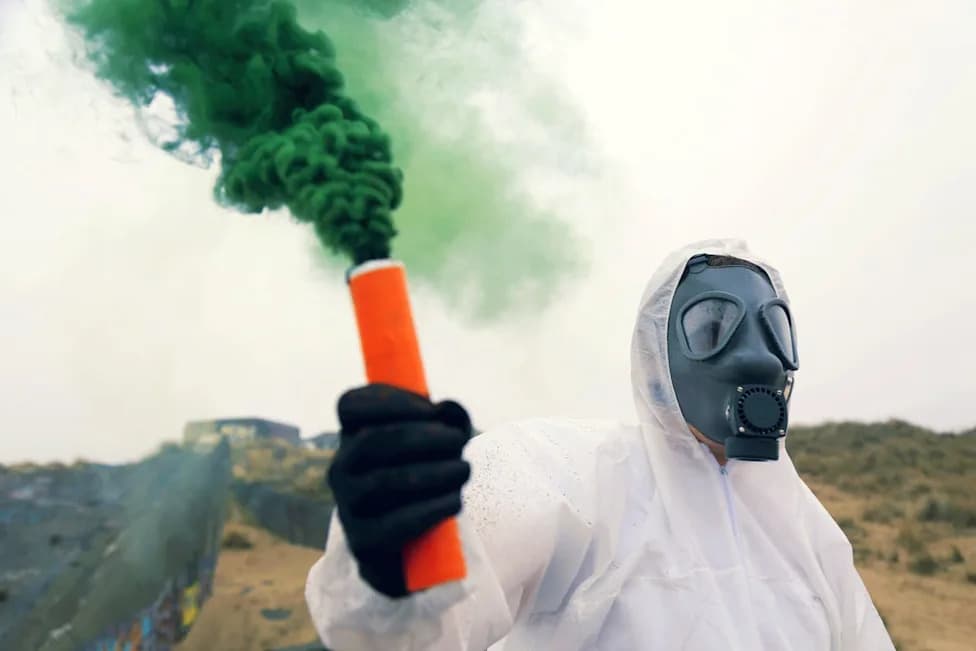
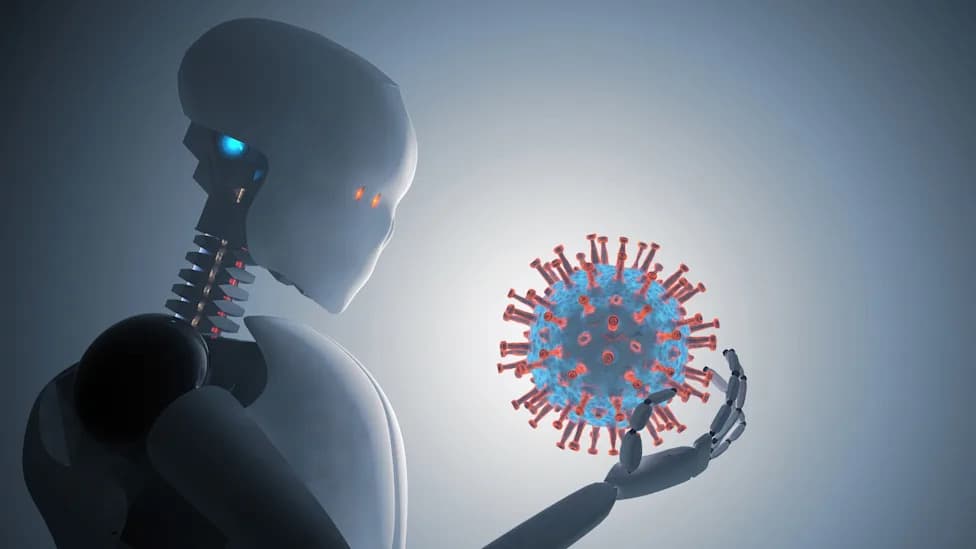
Could AI Make a "Mutagenic Attack" More Likely?Philippe TURPIN - Getty Images
What this article explains: the convergence of synthetic biology and artificial intelligence is lowering technical barriers to new forms of biological attack, including the theoretical possibility of agents that target human genes. While large-scale gene-targeting weapons remain difficult to deploy today, experts warn we are not fully prepared for AI-enabled biological risks.
Why This Matters Now
We live amid overlapping global crises — climate change, protracted conflicts, and widening public-health challenges — and artificial intelligence is an accelerating unknown that could help or harm efforts to address them. In biomedicine, AI already helps researchers analyze massive datasets, discover patterns, and propose new designs for viruses, bacteriophages, and other biological constructs. Those same advances that power promising treatments also lower the technical threshold for misuse.
From Toxins to Genetic Threats
Warnings about weapons that attack the genome are not purely hypothetical. History contains painful examples of chemical and toxin attacks with long-term hereditary or developmental consequences. Between 1962 and 1971, U.S. aircraft sprayed nearly 19 million gallons of herbicide over Vietnam, much of it Agent Orange contaminated with TCDD — one of the most toxic dioxins identified and a known human carcinogen linked to birth defects.
Other alleged or admitted uses of long-lasting biological toxins include accusations in the early 1980s that trichothecene mycotoxins (so-called "yellow rain") were deployed in Southeast Asia and Afghanistan, and Iraq's 1995 admission to the U.N. that it had developed aflatoxins for use in aerial munitions. Aflatoxins are not designed for immediate battlefield lethality but can cause rapid-onset liver cancer and other chronic harms, especially in children.
"From a moral standpoint, aflatoxin is the cruelest weapon," said Richard Spertzel, a former U.N. weapons inspector — a reminder that some weapons inflict prolonged, insidious suffering rather than immediate death.
How AI and Gene Editing Change the Landscape
Advances in gene editing, synthetic biology, and AI have prompted official warnings. In 2016, U.S. Director of National Intelligence James Clapper listed gene editing among technologies linked to weapons of mass destruction and proliferation. A year later, a People's Liberation Army textbook noted that targeted genetic attacks against specific populations could become more feasible. Reporting in 2024 also indicated that Russia was expanding an older biological research facility amid ongoing conflict.
Still, authoritative technical reviews offer a sobering counterpoint: creating and, critically, dispersing a gene-targeting agent at scale is technically challenging. A 2018 report, Biodefense in the Age of Synthetic Biology, concluded that absent a pathogen or an advanced mechanism for horizontal gene transfer, dispersal mechanisms would likely be low-yield, the probability of inducing the intended disease state would be low, and onset would not be rapid.
Detection, Response, and Long-Term Care
Rapid, decisive forensic investigation would be essential after any suspected genetic or novel biological attack. The Organization for the Prohibition of Chemical Weapons (OPCW) reached an authoritative finding in weeks after the 2013 sarin attacks in Syria, noting that blood samples and recovered munitions provided "overwhelming and indisputable" evidence. The U.S. Centers for Disease Control and Prevention (CDC) maintains a bioterrorism playbook coordinating emergency operations centers, public-health agencies, and hospitals.
Depending on scale and latency, such an attack could also produce decades-long public-health burdens and spawn dedicated research programs — comparable to the Radiation Effects Research Foundation established after the atomic bombings, or long-term scientific work following Chernobyl. Crises often catalyze new science and improved public-health systems, but that is a poor substitute for preparedness.
Policy Gaps and Recommendations
Despite technical obstacles to large-scale gene-directed weapons, policy experts warn of rising risk as AI lowers barriers. A 2025 report from the Center for Strategic and International Studies warned that "falling barriers to bioterrorism are set to accelerate in the emerging age of AI and biotechnology" and concluded that current U.S. biosecurity measures are inadequately prepared for AI-enabled threats. The report recommended increased funding and standards work for agencies such as the National Institute of Standards and Technology (NIST) and the U.S. Center for AI Standards and Innovation (CAISI), and greater support for international cooperation on AI safety.
Bottom line: The technical hurdles mean a widespread, deliberate gene-targeting weapon is not an imminent certainty, but the combination of AI and synthetic biology makes planning, surveillance, standards, and international cooperation urgent priorities. Greater funding, stronger norms, and rapid scientific-response capacity will reduce risk and limit harm if the worst occurs.
What To Watch
- Policy actions to fund and standardize AI and biotechnology safety (NIST, CAISI, and international networks).
- Investments in rapid forensics and bio-surveillance to detect novel agents quickly.
- Research into safe gene-editing practices and mitigation strategies for unintended consequences.
Preparedness reduces risk; complacency amplifies it. The future of biothreats in the age of AI demands attention now.
Help us improve.