The FBI is assessing a major personnel data breach after a hacking group claimed to have stolen sensitive information on thousands of current and former employees. Stolen records reportedly include Social Security numbers, emergency contacts and home addresses, and may cover staff assigned to units focused on China and Russia. Employees have criticized leadership for unclear communications and limited initial victim support, while the bureau's cyber, security and victim-services teams coordinate a response and assess counterintelligence risks.
FBI Scrambles After Major Personnel Data Breach as Agents Raise Alarm Over Communication
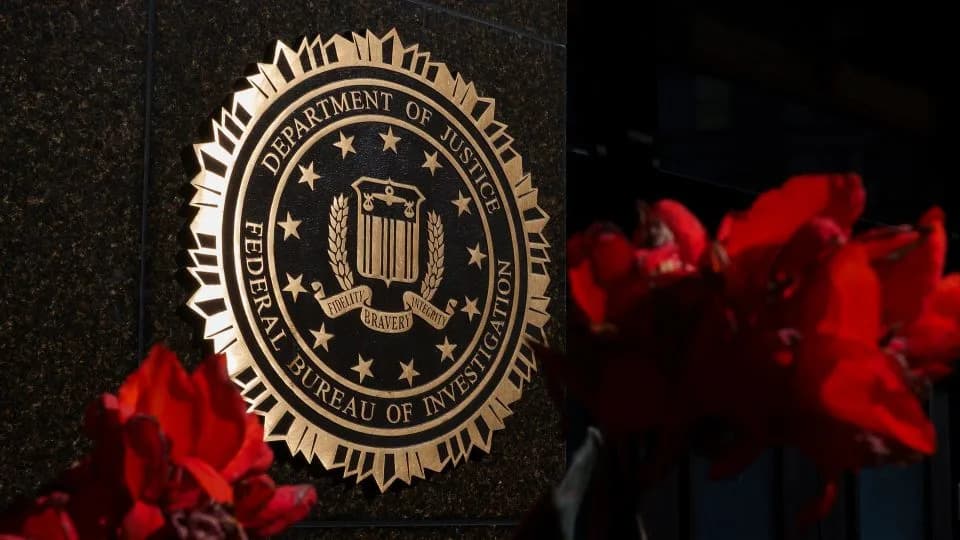
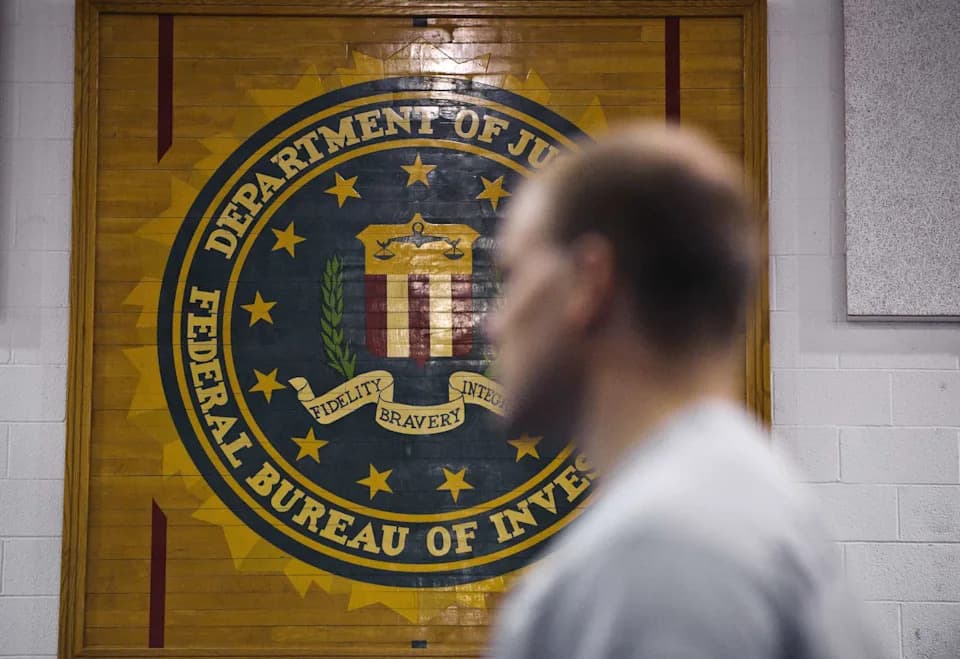
The seal of the Federal Bureau of Investigation, displayed at the J. Edgar Hoover Building in Washington, DC, on August 8. - Kevin Carter/Getty Images/File
A week after a criminal hacking group said it had stolen sensitive personal information belonging to thousands of current and former FBI employees, the bureau is still trying to determine the full scope of the breach and is facing internal criticism over its handling of the incident.
Officials describe the intrusion as one of the most serious exposures of FBI records in recent years. The stolen material reportedly includes Social Security numbers, emergency-contact details and home addresses — and, according to sources who reviewed the data, records for personnel assigned to sensitive units covering China, Russia and other national-security priorities.
"Management is lost," an ex-FBI agent who remains in contact with former colleagues told CNN. "They're not providing any clear advice to agents."
CNN has requested comment from the FBI about the agency's response. In an internal message, the bureau told employees it is operating under the assumption that the hackers obtained data for all FBI personnel and urged staff to report any safety or security concerns to FBI security officials.
Who Is Responsible?
The FBI has attributed the intrusion to a hacking collective known as ShinyHunters, a group with a history of targeting large companies across technology, finance and retail and publishing stolen records. The group demanded that the FBI amend a prior advisory describing its alleged extortion methods, and some officials interpreted that demand as an implied threat to leak the data.
Risks and Counterintelligence Concerns
The breadth of the compromise has prompted serious counterintelligence and safety worries. Officials fear that the newly stolen information could be cross-referenced with previously exposed data to identify employees in undercover or sensitive roles, potentially exposing them to foreign adversaries, transnational criminal groups or other malicious actors.
Adversaries have used FBI-related data in the past. A Justice Department inspector general report made public last year found that, around 2018, a Mexican drug cartel employed a hacker to track the movements of a senior FBI official in Mexico City using the city's camera system, an operation the cartel used in activities that resulted in the killing of potential informants.
Agency Response and Employee Concerns
Multiple FBI divisions — including cyber, security and victim services — are coordinating the response. The stated goal is to provide employees with resources to address potential threats stemming from the breach. But some current and former employees say communications have been inconsistent and that many staffers still feel uncertain about whether their own data was compromised or what protections they should take.
Some agents have turned to informal internal channels to find information that leadership has not clearly provided. Sources say the bureau will face a complex and sensitive challenge in mitigating safety risks for affected employees while investigating the full extent of the compromise.
(CNN has asked the FBI for comment.)
Help us improve.