Douglas Stewart Carter, 71, has been ordered released on bail after prosecutors said DNA testing excludes him as a match to biological material from the 1985 murder of Eva Olesen. The Utah Supreme Court ordered a new trial last year after finding investigative and prosecutorial misconduct, and prosecutors have withdrawn a death-penalty notice while they continue reviewing evidence. Carter's defense maintains his confession was coerced and points to suppressed leads and other suspects; the victim's family says it wants the investigation to continue.
Utah Man, 71, Granted Bail After DNA Excludes Him From 1985 Murder; High Court Found Misconduct
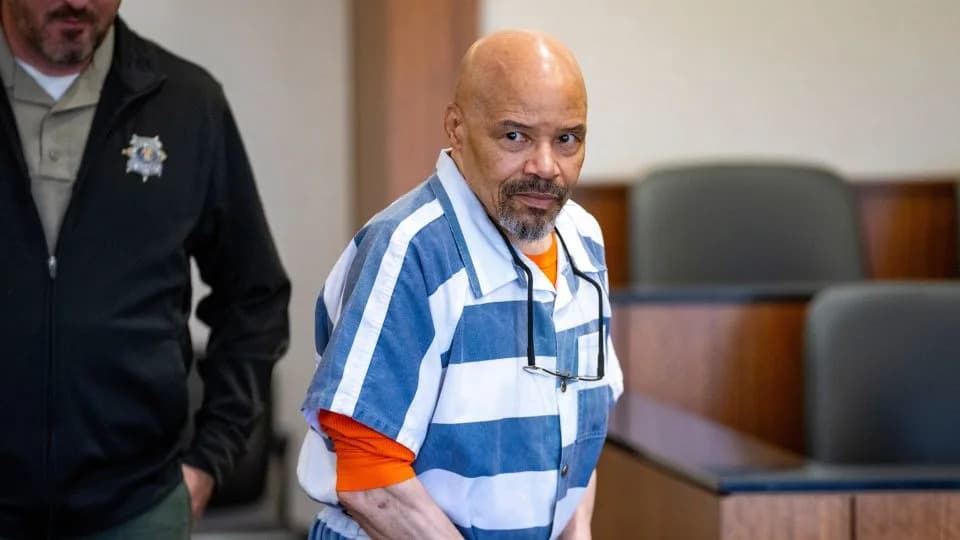
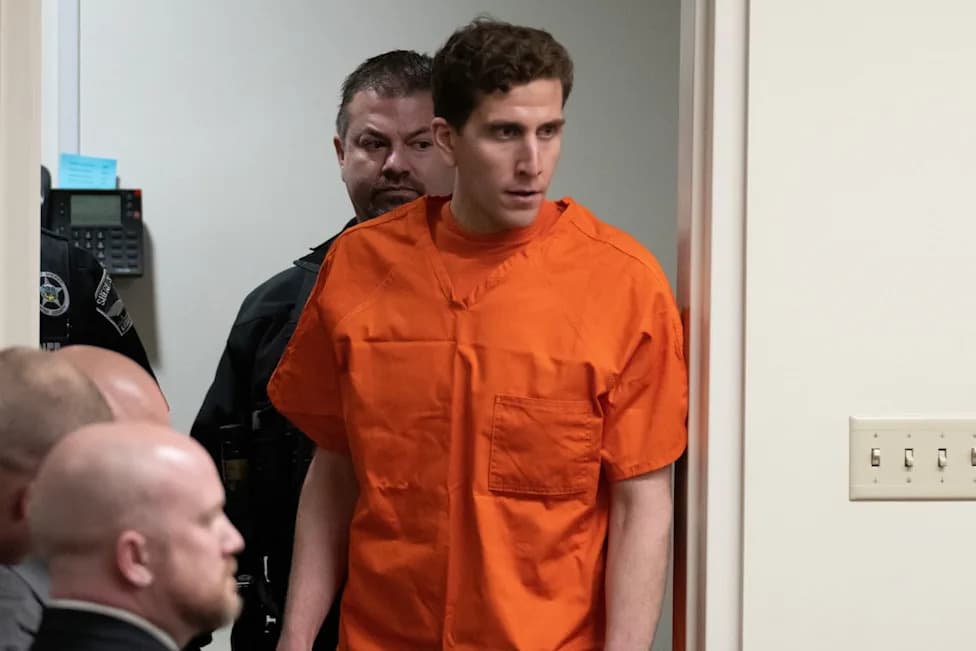
A Utah judge ordered former death row inmate Douglas Stewart Carter to be released on bail after he spent decades on death row for a 1985 killing. - Rick Egan/Pool/The Salt Lake Tribune/AP
A Utah judge has ordered 71-year-old Douglas Stewart Carter released on bail after decades on death row, following newly analyzed DNA evidence that prosecutors say excludes him as a match to biological material recovered in the 1985 slaying of Eva Olesen. The decision comes after the Utah Supreme Court last year ordered a new trial, citing investigator and prosecutorial misconduct.
Case Background
Carter was first convicted and sentenced to death in 1985 for Olesen's murder. The original conviction relied heavily on a signed confession Carter now says was coerced and testimony from two witnesses who later recanted. No physical evidence presented at the original trial tied Carter to the crime scene.
New DNA Evidence and Court Action
Prosecutors told the court that DNA results received Sept. 22 exclude Carter as a possible contributor to blood found on a doorknob and genetic material recovered from the handle of a knife used in the attack. After receiving those results, Utah County prosecutors withdrew a notice that they intended to seek the death penalty, and the county prosecutor told the judge it was "necessary and fair" to reassess Carter's bail while the state continues reviewing remaining evidence.
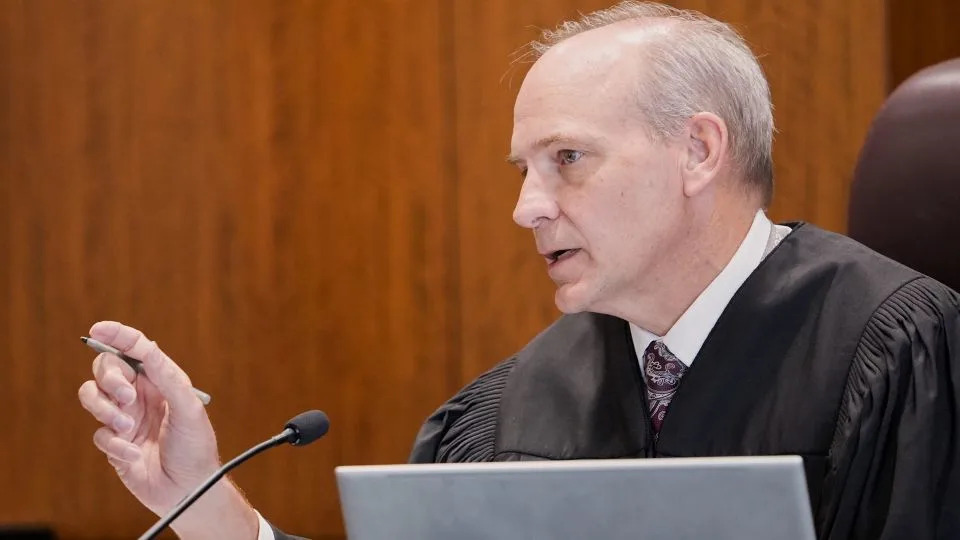
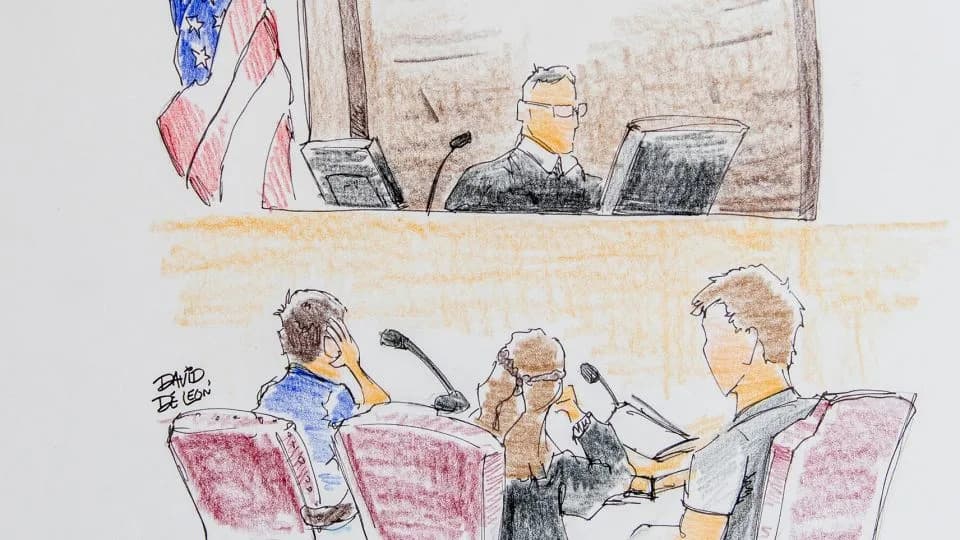
Fourth District Judge Derek Pullan presides over a hearing for Douglas Carter in 4th District Court in Provo, Utah, in April. - Chris Samuels/Pool/The Salt Lake Tribune/AP
Allegations Of Misconduct And Recanted Testimony
A pivotal development occurred in 2011 when the two witnesses from Carter's original trial were located in Mexico and said they had been paid and pressured by police to implicate him. They said police and prosecutors threatened them and their family with deportation if they did not cooperate. In its order for a new trial, the Utah Supreme Court cited "multiple instances of intentional misconduct" by investigators and a prosecutor.
Defense Claims And Other Leads
Defense attorneys say evidence pointing to other suspects was suppressed, including witness reports of a white man fleeing the scene and investigative leads involving the victim's husband, Orla Olesen. Court filings indicate prosecutors nearly charged Orla Olesen at one point before a Provo police lieutenant asked them to hold off to continue investigating. Orla Olesen, a painting contractor who died in 2009, told police he found his wife partially undressed with her hands bound.
Neal Hamilton, Defense Attorney: 'It's not just as simple as, "Let's let him go." He's being released with 41 years of state-induced trauma and the effect it will have on him is very real.'
Theresa Olesen, Victim's Daughter-in-Law: 'By golly we were hoping for a concrete match. It doesn't mean he wasn't there. We just want justice for Eva.'
What's Next
Judge Derek Pullan had set a retrial for 2027, but the withdrawal of the death-penalty notice and the new DNA results have altered the case's immediate course. Carter's defense says he will live in an extended-stay accommodation near his son's family and will require therapy to address the effects of long incarceration. Prosecutors declined to say whether they are using the newly tested DNA to search databases for other potential matches. The state continues to review remaining evidence while family members press for a full investigation.
Timeline (key dates): Murder: Feb. 27, 1985. Carter arrested and confessed in June 1985 in Nashville. Original conviction and death sentence: 1985. Retrial and death sentence: 1992. Witnesses located in Mexico and recanted: 2011. Utah Supreme Court ordered new trial: 2023. New DNA results received: Sept. 22 (year stated by prosecutors).
Help us improve.