Legal experts and civil-rights advocates warn that the campaign to disqualify Arab candidates and the Joint List could intimidate Arab voters and depress turnout ahead of the October 27 election. The Supreme Court will hear two appeals Thursday on the disqualifications of Sami Abu Shehadeh, Ofer Cassif and the Joint List; Ra'am's ban is not on the docket. Speakers argued Section 7A requires clear, convincing evidence for exclusion and cautioned the public campaign may have political aims that extend beyond legal standards.
Experts Warn Disqualification Drive Could Intimidate Arab Voters Ahead Of Israeli Election
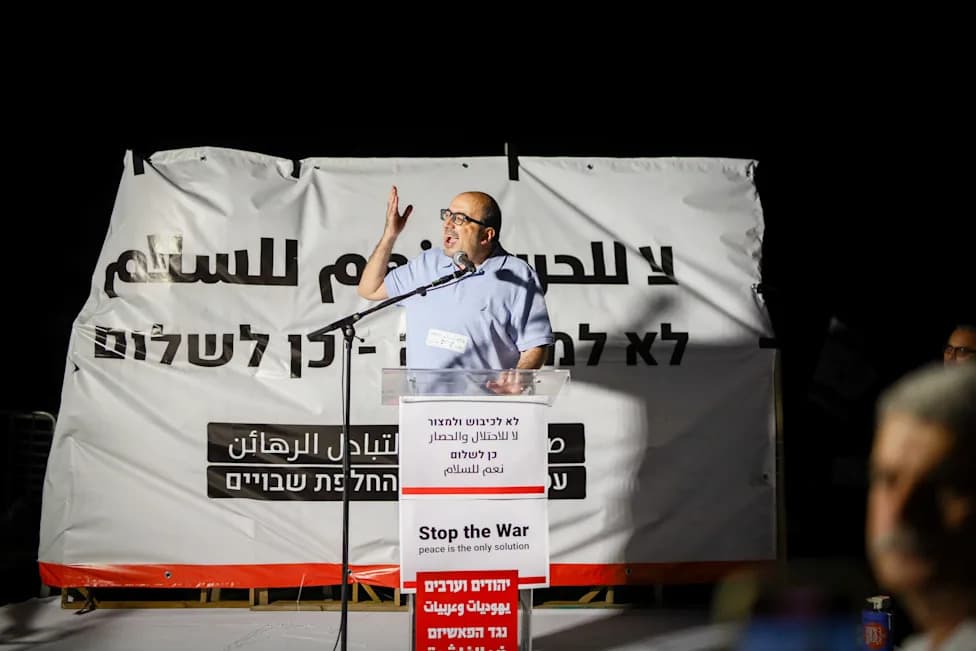
SAMI ABU Shehadeh speaks during a protest against the war in Gaza in Tel Aviv, in 2023. (photo credit: Dor Pazuelo/Flash90)
Legal scholars, politicians and civil-rights advocates warned that the public campaign to disqualify Arab candidates and a major Arab list risks suppressing turnout and could even fuel violence ahead of the October 27 election. The speakers said the political stakes go beyond eligibility questions: the debate itself may make Arab citizens feel unsafe or deter them from voting.
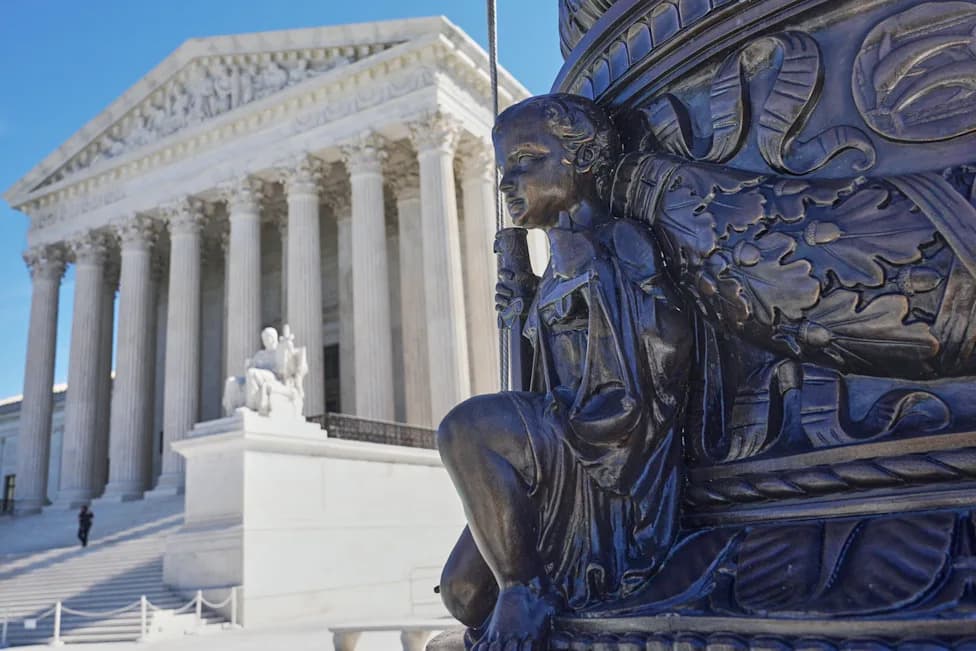
The Supreme Court is due to hear two related appeals on Thursday. The justices will first review the Central Elections Committee's decision to disqualify Balad chairman Sami Abu Shehadeh, then consider an appeal of the committee's ruling to bar MK Ofer Cassif and the Joint List. A separate decision to bar Ra'am — which is running separately from the Joint List — is not scheduled for this session.
Committee Votes, Attorney-General View
The Central Elections Committee voted to disqualify Abu Shehadeh by a wide margin (31-4, including the chairman's supporting vote) and voted 19-5, with two abstentions, to disqualify Cassif. It also voted 18-5, with one abstention, to bar the Joint List. Attorney-General Gali Baharav-Miara opposed disqualifying Cassif and the Joint List, saying the material presented did not meet the strict legal threshold required for exclusion; her office took a tougher stance on Abu Shehadeh, saying evidence presented at the committee hearing provided a basis for the request while stopping short of an explicit written recommendation to ban him.
Allegations And Defenses
Petitions by the Likud alleged that Cassif's statements and political activity denied Israel's status as a Jewish and democratic state and amounted to support for armed struggle — citing appeals to international bodies, calls for sanctions and advocacy for the release of Marwan Barghouti. Cassif and Adalah counter that lawful political advocacy and appeals to international institutions do not equate to endorsing violence. Likud made similar claims under Section 7A of the Basic Law: The Knesset against the Joint List.
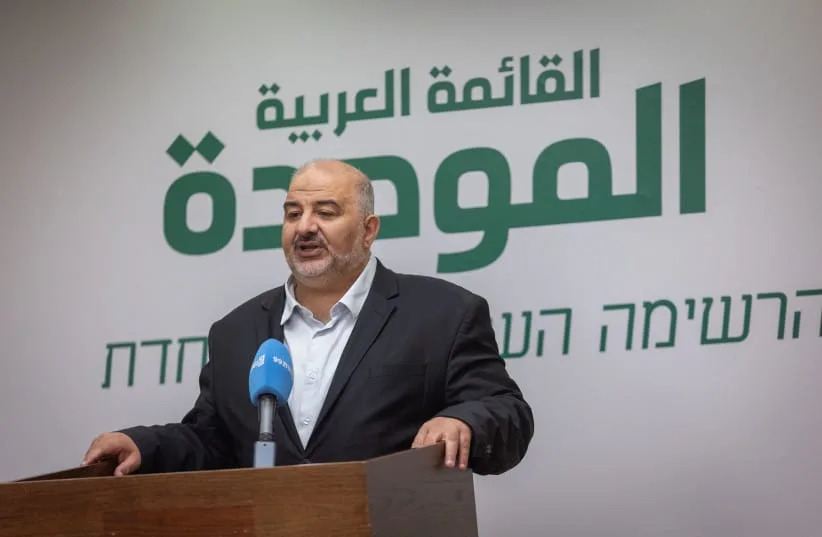
Ra'am party head MK Mansour Abbas and MK Walid al-Huashla at faction meeting, at the Knesset, the Israeli parliament in Jerusalem, on June 15, 2026. (credit: YONATAN SINDEL/FLASH 90)
Otzma Yehudit's petition against Abu Shehadeh focuses on an opinion article he wrote on October 7, 2023. Critics point to passages that described the Hamas attack in strategic terms; Abu Shehadeh says the piece was written before the full scale of the massacre was known, should not have been published, did not endorse the attack, and in practice called for removing Hamas from the scene and restarting peace negotiations.
Concerns About Intimidation And Safety
Speakers at a briefing in Jaffa organized by the Carmel Forum and Adalah warned that the campaign around these cases could delegitimize Arab parties and escalate into intimidation at the polls. Attorney Muhammad Dahleh warned the campaign risks convincing voters that “your vote is worth nothing.” Prof. Amalia Sa'ar and others warned that heightened political rhetoric and violence in the West Bank could spill over into Arab communities inside Israel, raising fears of harassment or physical attacks near polling stations.
Observers also recalled that during the April 2019 election the Likud deployed more than 1,000 observers in Arab communities with concealed cameras — a practice the Central Elections Committee later prohibited from being systematic inside polling stations — and warned that renewed monitoring could deter voters.
“We need to recover political discourse,” said Prof. Amalia Sa'ar, stressing the dispute is about more than a single op-ed. MK Ofer Cassif warned the situation could escalate, saying he feared the country might be on the verge of serious, even deadly, violence.
Legal Standard: Section 7A
The legal dispute hinges on Section 7A, which permits disqualification for denying Israel's existence as a Jewish and democratic state, inciting racism or supporting the armed struggle of an enemy state or terrorist organization. Supreme Court precedent requires clear, convincing and unequivocal evidence that a prohibited position is a sustained, dominant objective — not a single isolated statement. Prof. Barak Medina emphasized that Section 7A is preventive rather than punitive and argued the evidence presented did not meet the high threshold for disqualification.
Outlook
The Supreme Court's ruling will determine whether Abu Shehadeh, Cassif and the Joint List can appear on the ballot, but speakers stressed that judicial outcomes alone will not erase the campaign's chilling effect. Even if the justices overturn the committee decisions, the publicity and rhetoric surrounding the disqualification efforts may already have deterred voters or increased safety concerns at the polls.
Help us improve.