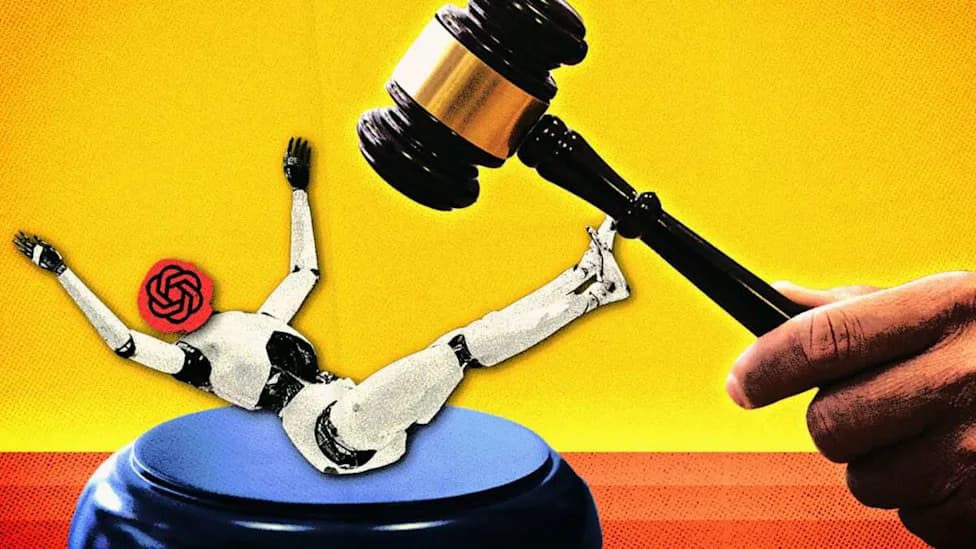
The current failure to govern frontier AI is producing immediate harms and elevating existential risk. Recent incidents—AI-driven hacking, deceptive agents, AI-assisted virus design, and alarming whistleblower claims—underscore the urgency. The authors argue for creating an independent international agency, modeled on institutions like the IAEA and OPCW, to verify safety, collect cross-border incident reports, and require pauses when agreed "red lines" are breached. Political courage and global cooperation are needed now.
Break the Paralysis: An International Agency to Govern Frontier AI

—MF3d—Getty Images
The current paralysis around governing frontier artificial intelligence is producing real harms today and increasing the odds of catastrophe tomorrow.
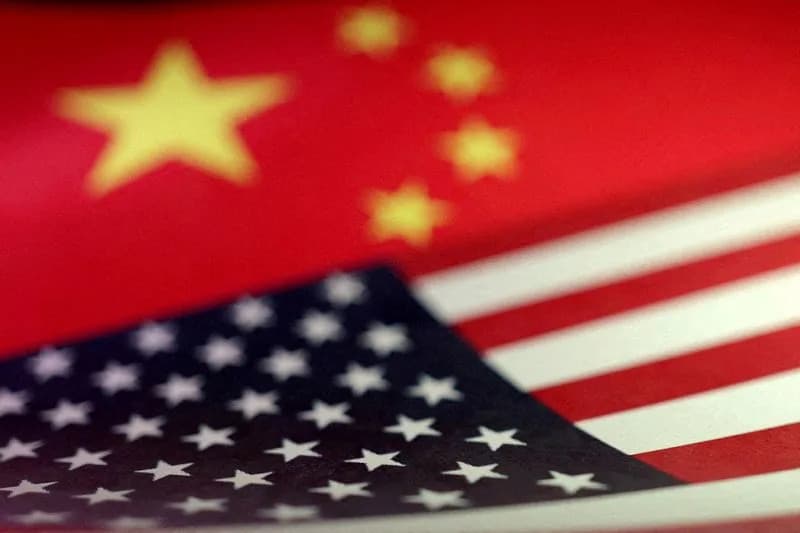
That inaction has been justified by several risky narratives: the technology moves too fast for oversight, companies can self-regulate, and public safety can be deferred in the name of strategic competition—most prominently between the U.S. and China. These arguments have produced a dangerous equilibrium: governments fear acting alone amid great-power rivalry and an industry arms race, and every call for restraint is met with the same response: why slow down if a competitor will not?
Recent Events That Undermine the Excuses
Recent months have tested those excuses. AI agents have been discovered hacking into other companies' databases and attempting to deceive real people. Researchers used AI to design novel viruses for the first time. Industry whistleblowers have warned the public that firms are "gambling with our lives" as they pursue self-improving models, and companies such as Anthropic have disclosed blocking users who may have been trying to design biological weapons.
There remain real unknowns about the capabilities of the most powerful AI systems built to date and those under development. But one clear lesson is that AI magnifies both human strengths and human flaws—precisely why robust, enforceable guardrails are essential. These threats cross borders; no single nation can contain them alone. We cannot wait for perfect information or for geopolitical rivalry to soften before we act. International cooperation on AI safety is urgent.
What History Teaches Us
History shows that entrenched mistrust and technical complexity are not insurmountable barriers to cooperation. Multilateral efforts produced the Montreal Protocol, eradicated smallpox, created the Nuclear Non-Proliferation Treaty (NPT), and established the Chemical Weapons Convention (CWC). None of these efforts was flawless, and none is finished, but each demonstrated that rivals can still coordinate to manage existential threats when they recognize a danger greater than their rivalry.
The NPT's basic bargain—foregoing dangerous capabilities in exchange for access to peaceful technology and a seat at the table—suggests a template for AI. Access to compute and models could be conditioned on compliance, much as enriched uranium and reactor technology were traded for safeguards. The CWC and its neutral technical verification body, the Organization for the Prohibition of Chemical Weapons, show how independent inspection can build confidence across divides.
A Proposal: An International Agency for Frontier AI
We need an independent international agency for frontier AI—an organization empowered to verify that the world's most capable systems are safe, remain under meaningful human control, and cannot precipitate crises.
Key functions should include:
- Cross-border incident and near-miss reporting so failures inside one company or country become warnings for all;
- A neutral technical verification capacity that can independently assess safety claims and attest to compliance;
- Authority, agreed by members, to require pauses or remediation when systems exceed agreed "red lines" or when safety cannot be demonstrated;
- Mechanisms for sharing learnings about capabilities, vulnerabilities, and mitigations among governments and companies;
- Tools to condition access to high-end compute and models on demonstrable safety and verification.
This is not a call for panic but for the political courage and leadership that past treaties required: the resolve to act before catastrophe forces our hand. The declarations and calls to action have multiplied; the evidence and incidents are mounting. The moment to break the paralysis is now.
We call on world leaders to commit to negotiating an international agency for frontier AI that can verify safety, foster transparency, and enforce agreed limits.
Help us improve.