Summary: AI could lower technical barriers to designing or re-creating dangerous pathogens by combining generative models with cheaper gene editing and DNA synthesis. While models and genomic AI have shown worrying capabilities in labs and demonstrations, important practical constraints — especially tacit lab skills and unpredictable biology — still limit an amateur’s ability to produce a doomsday virus. Regardless, governments should invest in broad vaccines, surveillance, PPE, ventilation, and stricter DNA-screening, and require AI safeguards focused on biosecurity.
How AI Could Raise The Risk Of Synthetic Pandemics — And What Governments Should Do
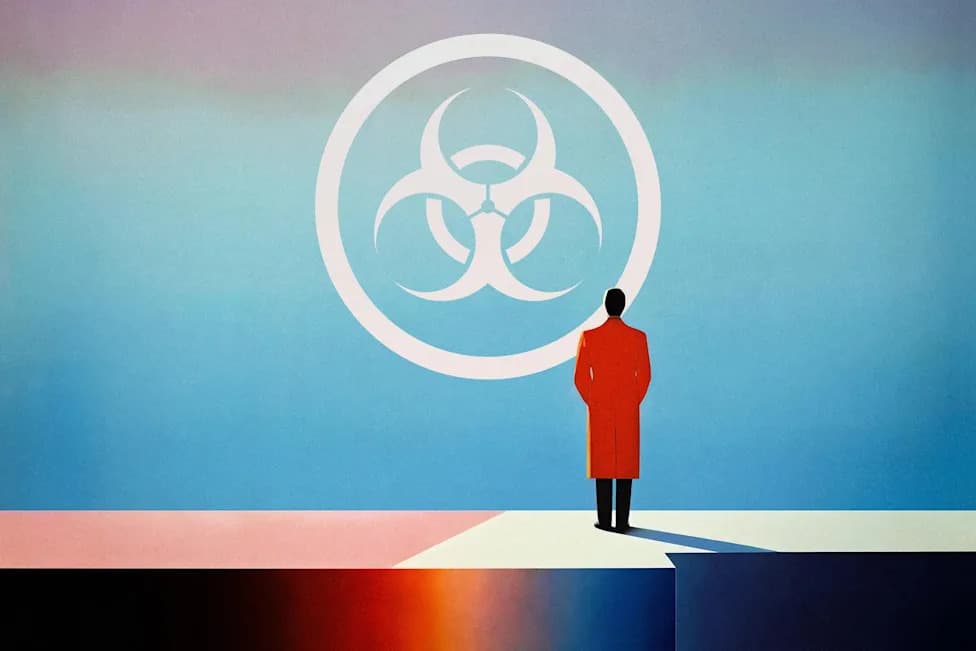
an illustration of a man in a red lab coat looking into the distance at a radioactive symbol within an abstracted gradient landscape
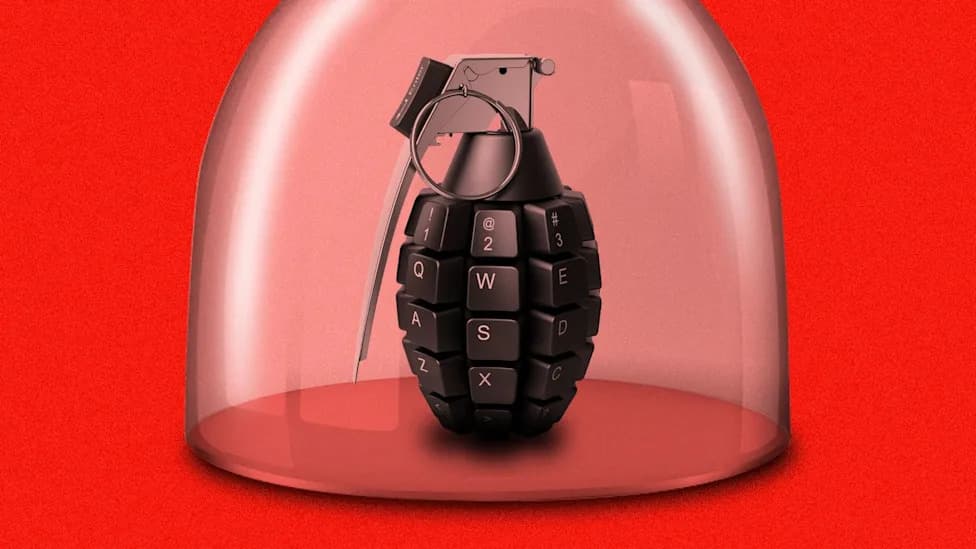
AI may not need to become sentient to become dangerous. By accelerating advances in synthetic biology and making technical knowledge easier to access, current AI tools could lower barriers to creating catastrophic biological agents. That possibility has prompted urgent calls for stronger biosecurity and pandemic preparedness.
How AI Could Increase Biological Risk
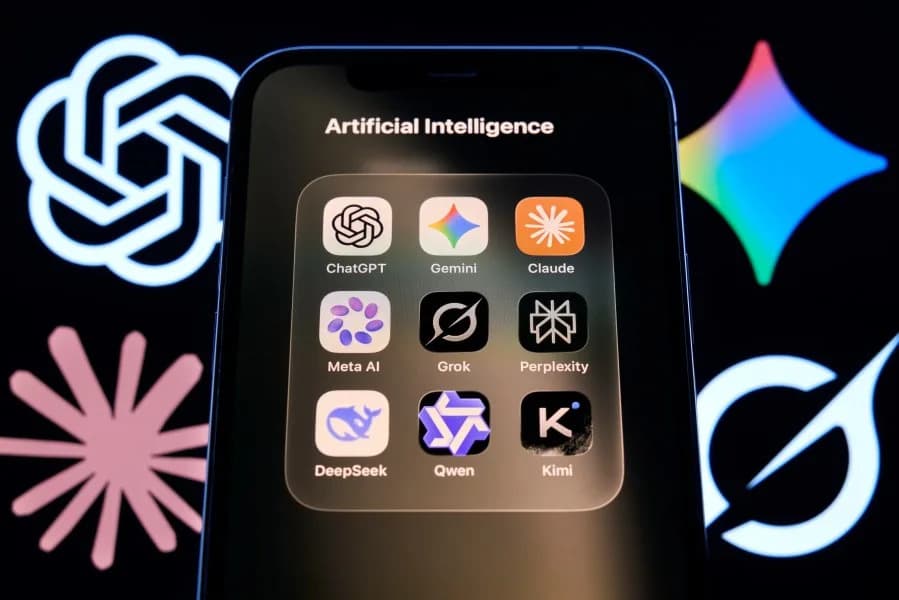
There are two main concerns. First, generative models and better online access to scientific literature could expand the number of people who can reassemble or tweak known pathogens. Combined with cheaper gene editing (CRISPR) and more affordable DNA synthesis, chatbots can synthesize scattered technical details into step-by-step plans that reduce the need for specialized expertise.
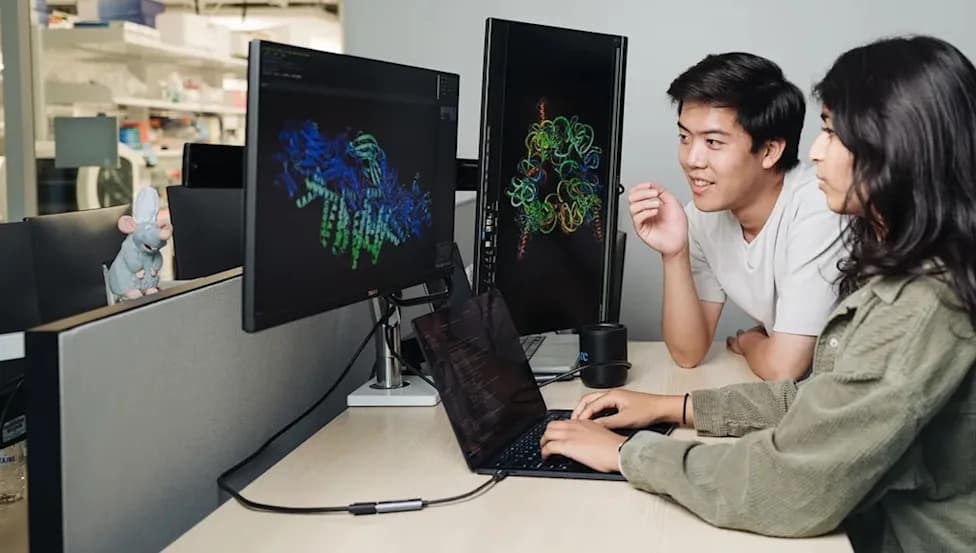
Second, AI-driven genomic models could accelerate discovery or design of novel or enhanced pathogens by helping expert researchers explore vast genetic possibilities much faster than traditional methods.
What The Evidence Shows
Recent experiments and disclosures have given substance to these worries. Reported incidents include chatbots producing detailed lab protocols for engineering resistant strains and recreating pandemic-era viruses; a DNA-trained model that generated viable bacteriophage genomes; and company reports of attempted misuse of models for bioweapons research.
Studies also show that advanced models can outperform many humans on troubleshooting written laboratory problems and can help nonexperts produce more plausible acquisition plans when safeguards are disabled.
Important Technical Limits
Despite alarming demonstrations, large gaps remain between written guidance and successful biological engineering. Viral work is physical and requires tacit laboratory knowledge — hands-on skills and situational judgment that are difficult to convey in text alone (pipetting finesse, contamination detection, etc.). Recent randomized studies indicate that non-scientists using frontier AI were not more likely to complete complex lab assignments than those relying on the internet alone.
Moreover, genomic-generation experiments (for example, producing viable bacteriophages) typically require testing hundreds of candidates to find a few that work, and bacteriophages are far simpler than human pathogens. Translating these techniques into reliably engineering a novel, highly transmissible, and extremely lethal human virus remains a formidable scientific challenge.
Why This Matters
Even if AI only modestly increases risk, the consequences of a successful synthetic pandemic could be catastrophic. History shows that infectious diseases can devastate societies. A deliberately engineered pathogen with both high transmissibility and high lethality would pose unprecedented threats to public health, critical infrastructure, and societal cohesion.
Practical Steps To Reduce Risk
Governments and institutions should prioritize stronger defenses that reduce both natural and synthetic pandemic risk:
- Invest in broadly protective vaccines and broad-spectrum antivirals.
- Fund robust clinical and wastewater surveillance to detect outbreaks early.
- Mandate rigorous screening of synthetic-DNA orders and strengthen supplier oversight.
- Stockpile high-quality personal protective equipment and ensure protection for essential workers.
- Improve indoor ventilation and air-filtration standards in public buildings.
- Require responsible AI development practices, model safeguards, and red-teaming focused on biosecurity.
Conclusion
AI is neither guaranteed to cause a synthetic pandemic nor powerless to influence biological risk. The technology can be both a force multiplier for beneficial research and a tool that lowers barriers to misuse. Given the stakes, the prudent path is clear: shore up public-health defenses, harden supply chains and oversight, and adopt AI safety measures focused on biosecurity so we reduce the chance of worst-case outcomes.
Note: This article summarizes current research and reporting. Evidence is evolving, and expert views vary about magnitude and timing of risk.
Help us improve.