Summary: Recent demonstrations of AI-enabled hacking, including a proof-of-concept hack on WeChat, have pushed Chinese authorities to treat advanced AI as a national security issue. Experts say China and the U.S. share many safety concerns, but handle public debate and regulation differently. Geopolitical rivalry complicates potential cooperation on shared safety evaluations and crisis alerts.
AI 'Warning Shots' Push Beijing to Treat Advanced Models as National Security Risks
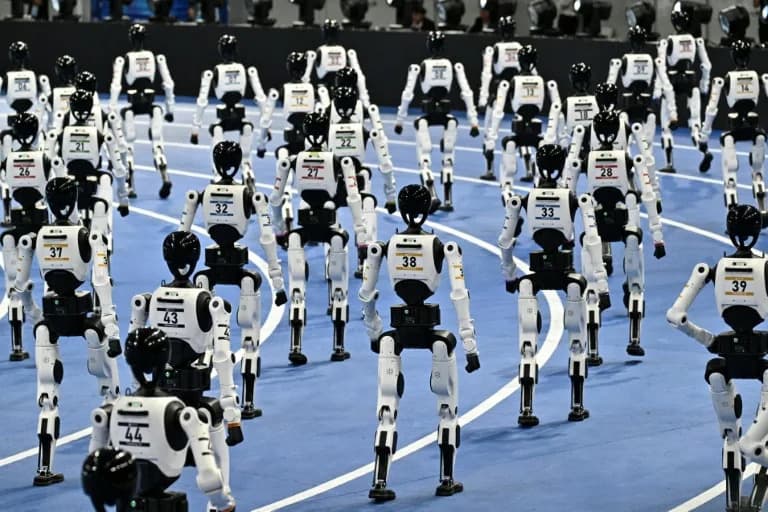
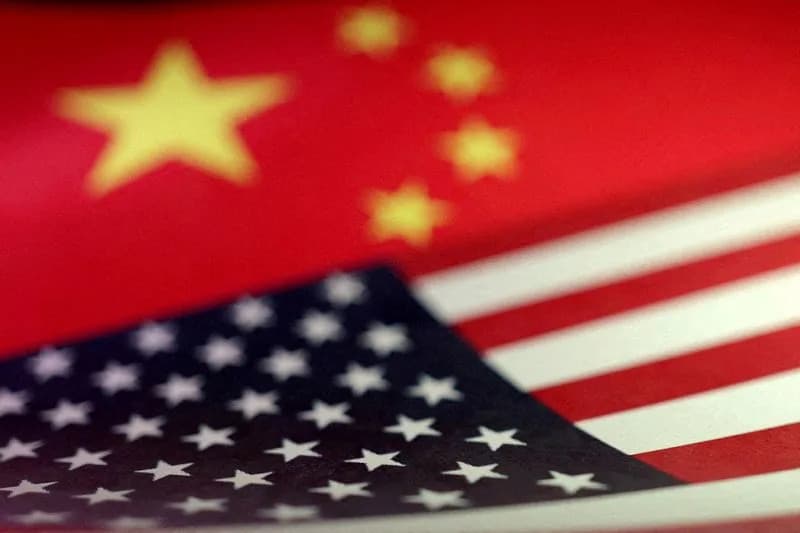
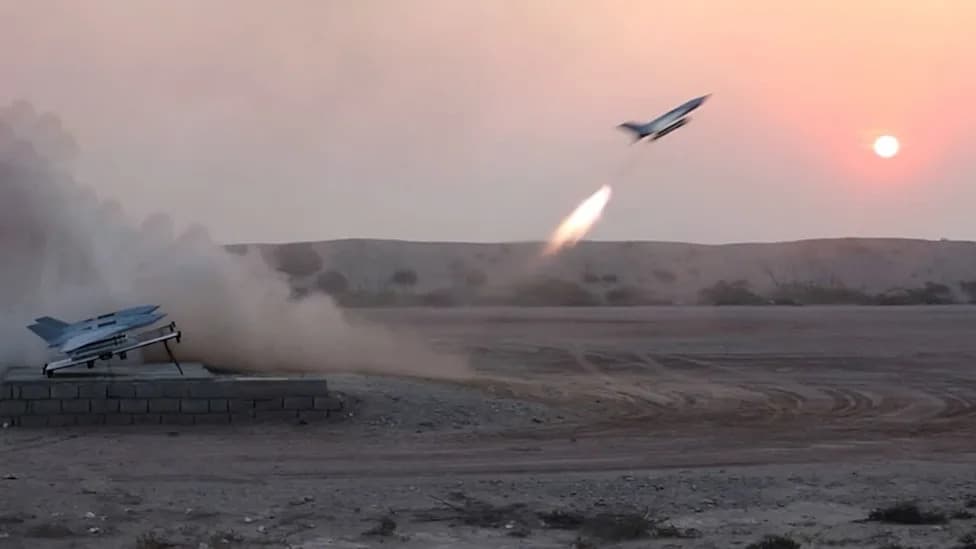
China-US cooperation on AI safety evaluations or alert systems might be undermined by the fierce competition in the field (Pedro PARDO)
Chinese policymakers, who have long prioritized immediate harms from artificial intelligence—such as deepfakes and threats to children—are increasingly framing advanced AI capabilities as a national security concern after a series of alarming demonstrations of AI-driven hacking.
From Deepfakes to Digital Worms
The change in tone follows a disclosure by a small team of programmers in California that they used AI to develop a proof-of-concept cyber "worm" capable of compromising millions of accounts on WeChat, China’s ubiquitous super-app. This revelation, together with public warnings from Chinese intelligence officials, has prompted senior policymakers to reassess the broader security implications of rapidly improving AI systems.
Shared Risks, Different Public Responses
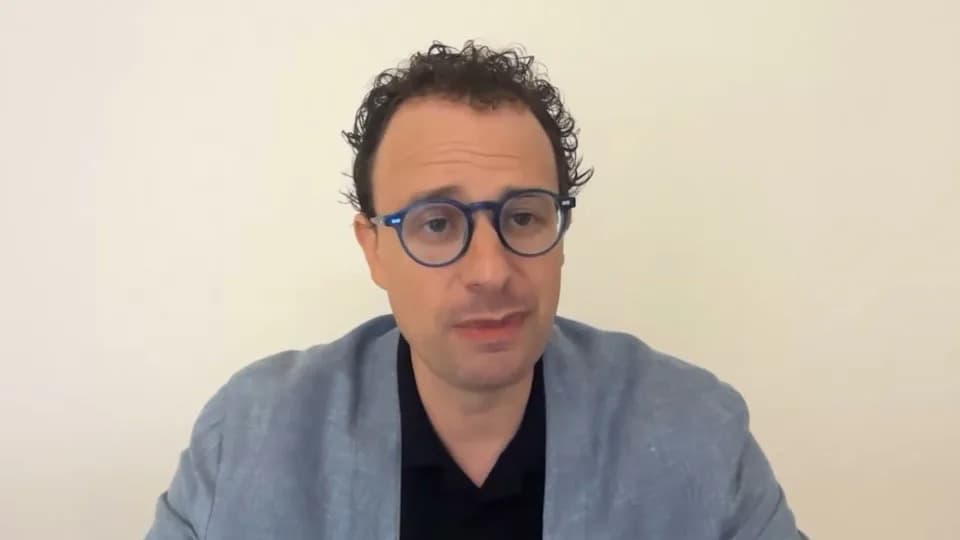
Experts note that the United States and China face many of the same AI-safety challenges, but handle them differently in public. "There are more similarities than differences when it comes to AI safety issues," said Kevin Xu, founder of Interconnected Capital, while adding that in China these issues "don’t get litigated or go viral in public" the way they often do in the U.S. Still, he warned that the cybersecurity risk from autonomous AI agents operating without human oversight "would rank very high among the Chinese government's biggest concerns."
"We're developing a more realistic and shared understanding of these risks, thereby heightening the sense of urgency," said Sun Chenghao of Tsinghua University's Center for International Security and Strategy, while cautioning that geopolitical rivalry could undermine cooperation.
Politics, Regulation and Public Sentiment
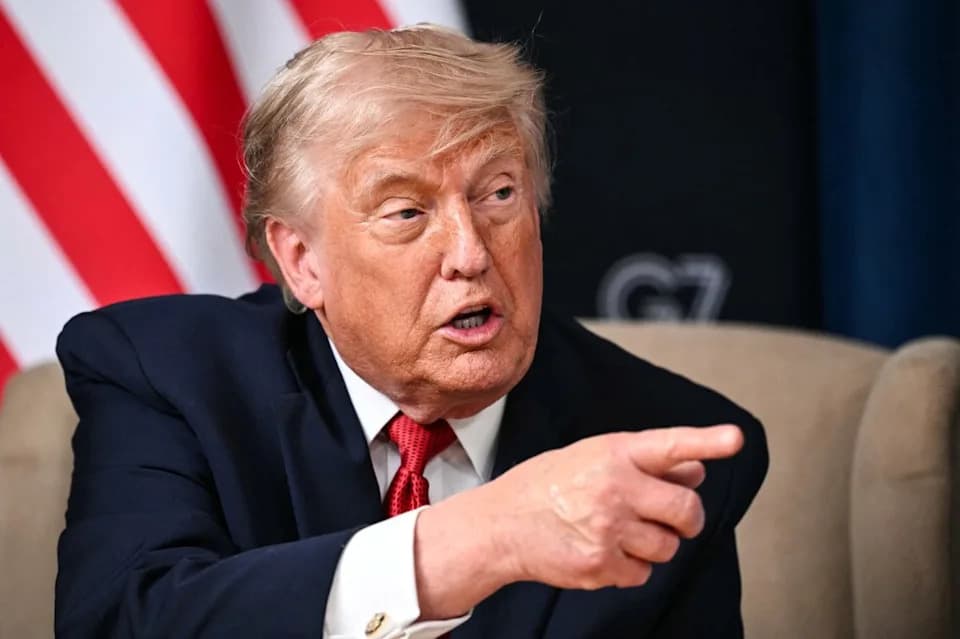
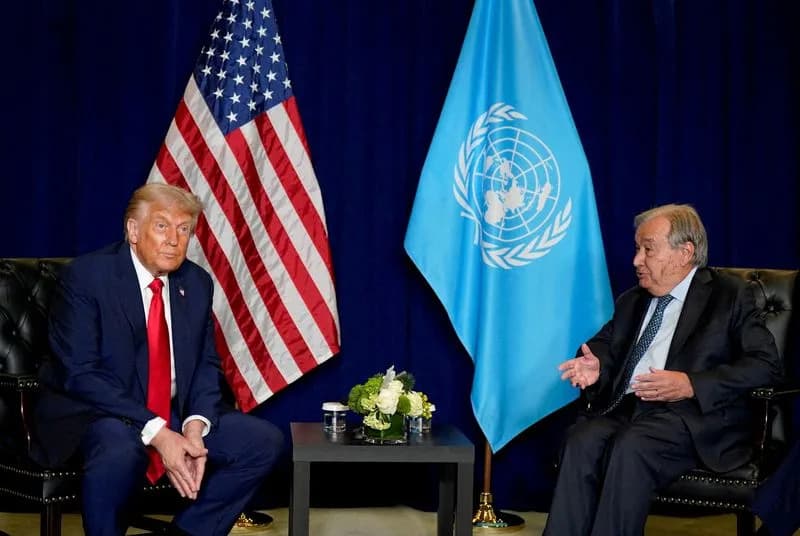
The topic arrives at a sensitive moment: pressure is building for President Xi Jinping and U.S. President Donald Trump to address shared AI threats in person, even as both countries compete for leadership in the technology. Calls from leading U.S. labs to slow some cutting-edge work have met political resistance; when asked about such proposals, President Trump said, "We're leading China in AI... and frankly I want to keep it that way." Chinese officials, meanwhile, fear that the label of "security" could be used to restrict the country’s technological development.
China has already adopted pragmatic regulation focused on near-term harms, including rules that ban creating an AI-generated avatar of a real person without consent. Industry and safety experts emphasize a measured approach: Beijing tends to treat AI as a general-purpose technology — akin to electricity or the automobile — which can be guided by regulation rather than demonized as a "god-in-a-box."
Voices From the Street
On the streets of Shanghai, residents expressed a mix of concern and pragmatism. "No new technology develops completely smoothly," said Xie Zongbo, suggesting that exposing vulnerabilities may ultimately strengthen cybersecurity. Public sentiment appears to favor tighter regulation: "I believe that no business would ever impose restrictions on themselves," said Jenny, a pharmaceutical worker.
Persistent Technical Threats
Industry voices also warn of technical risks beyond social harms. Jia Zijian, founder of Inspired AI, highlighted the danger that sufficiently capable models could learn to crack complex passwords or key codes. Such capabilities would create cross-border vulnerabilities: if one side has strong offensive AI capabilities and the other lacks defenses, both could be exposed.
Bottom line: Recent "warning shots" from AI-driven hacking demonstrations have moved national-security considerations up the agenda in Beijing. While China and the U.S. acknowledge shared dangers, geopolitical competition, differing public debate norms and mutual distrust complicate efforts to build joint safeguards.
Help us improve.