The Netherlands has confirmed that the first euthanasia case under its 2024 law for some children under 12 involved a child who was nearly 24 months old and died at the end of 2025. Born at 26 weeks, the child suffered severe brain injury, sepsis and later was diagnosed with infantile spasms and cerebral palsy. After extensive treatment and review, parents and the physician concluded the child was suffering unbearably with no prospect of improvement, and a review committee found the physician acted with due care.
Netherlands Confirms First Under‑12 Euthanasia Case Involved Child Nearly 24 Months Old
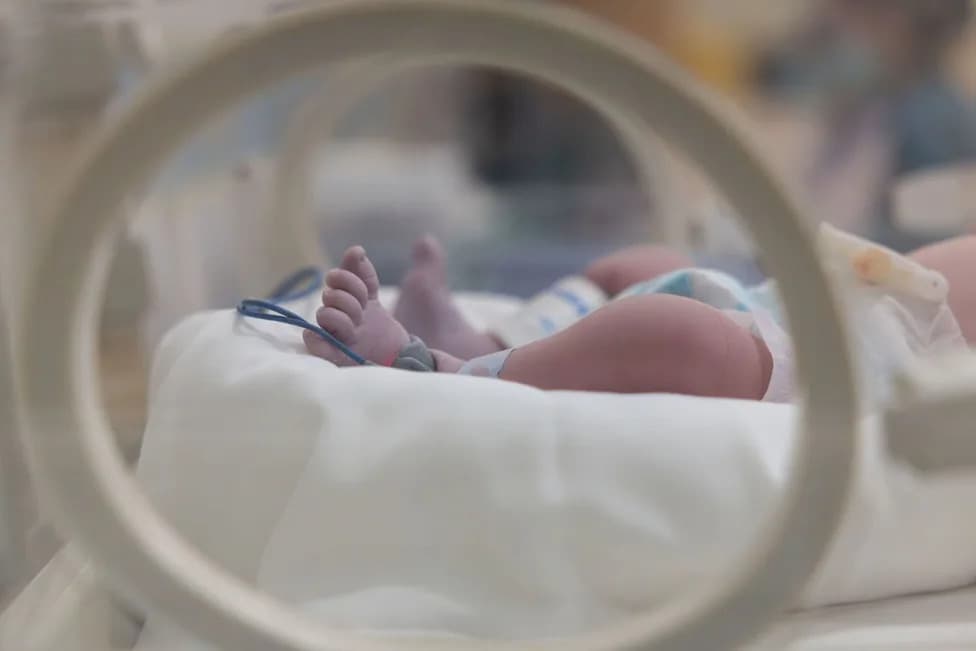
A baby in a hospital incubatorCredit: Getty
The Dutch government has confirmed that the first euthanasia case carried out under the Netherlands' 2024 law extending eligibility to some children under 12 involved a child who was nearly 24 months old when they died late in 2025.
Health Minister Sophie Hermans disclosed in June 2026 that a child under 12 had been euthanized at the end of 2025 because of severe, untreatable illness and suffering. A subsequent review by the committee that examines all late-term abortions and medically assisted deaths of children clarified the child was 'almost 24 months' old at the time of death.
Medical History and Review Findings
The committee's report says the child was born extremely prematurely at 26 weeks' gestation and suffered extensive complications, including significant brain injury and repeated infections that progressed to sepsis by four months of age. By eight months, clinicians diagnosed a severe form of epilepsy (infantile spasms syndrome, also known as West syndrome) and cerebral palsy.
Those conditions led to a cascade of additional problems: a severe sleep disorder, chronic respiratory difficulties with coughing fits, and a swallowing disorder. The report states there was a complete lack of developmental progress; motor skills, behavior and personality were profoundly affected, and no improvement was expected despite extensive medical and non-medical interventions.
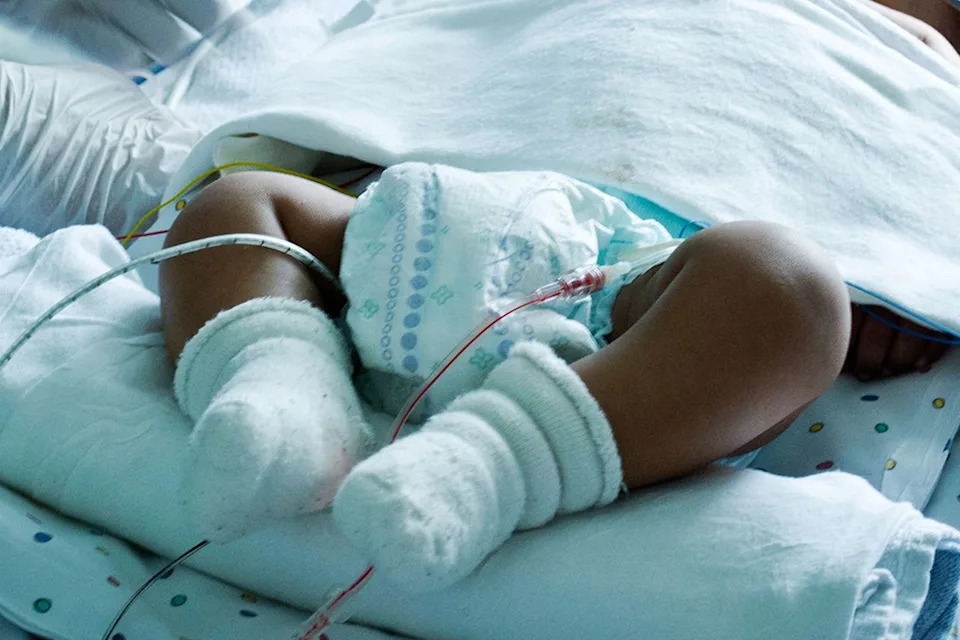
Baby in the NICUCredit: Getty
The committee wrote that 'despite all the medical and non-medical interventions, the parents and the physician saw no improvement in the child's condition and were convinced that the child was suffering unbearably and without prospect of improvement.'
After prognosis and treatment options were discussed at length, the parents asked the treating physician to end the child's life. The review committee concluded that the physician acted with due care under the circumstances and in line with statutory requirements.
Legal Context
Voluntary euthanasia has been legal in the Netherlands since April 2002 under strict conditions. Current guidance permits minors aged 12 and older to request euthanasia if they can understand and assess their situation; those aged 12–15 require parental or guardian consent, while 16–17-year-olds must have parents consulted but do not need their consent.
In 2024, the law was amended to allow doctors and parents to jointly decide to end the life of a child under 12 in very narrow circumstances: specifically, when the child is terminally ill and suffering unbearably with no prospect of improvement. The decision must involve the doctor and the parents and, whenever possible, consultation with the child.
Public Reaction and Implications
This case represents the first use of the 2024 provision permitting euthanasia for children under 12 and has prompted public attention and debate about the ethical and legal boundaries of end-of-life care for very young patients. The committee's finding that the physician acted with due care addresses legal compliance, while broader conversations continue about policy, oversight, and support for families facing such decisions.
Help us improve.