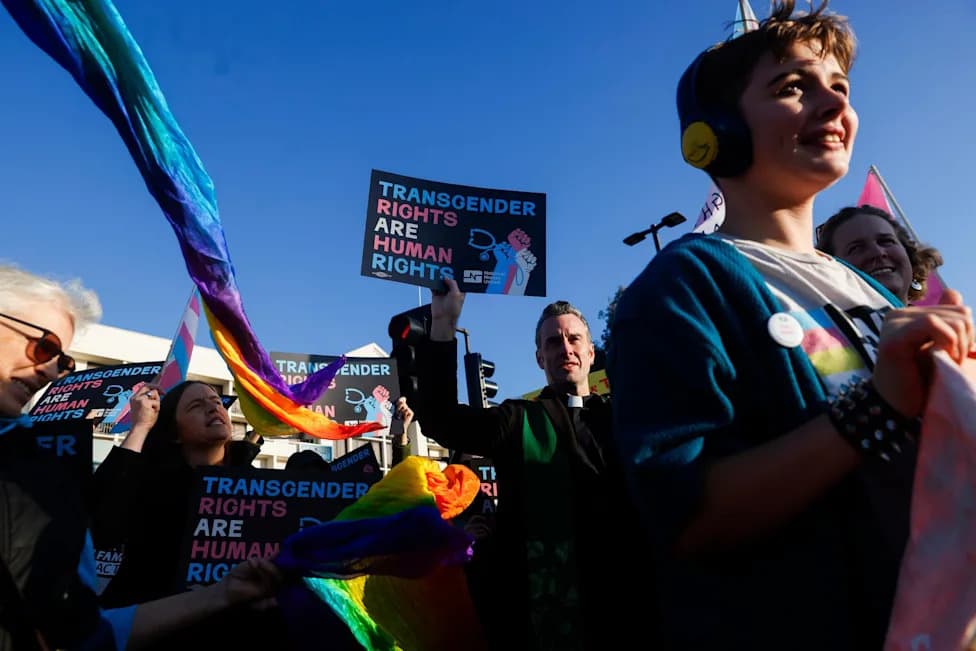
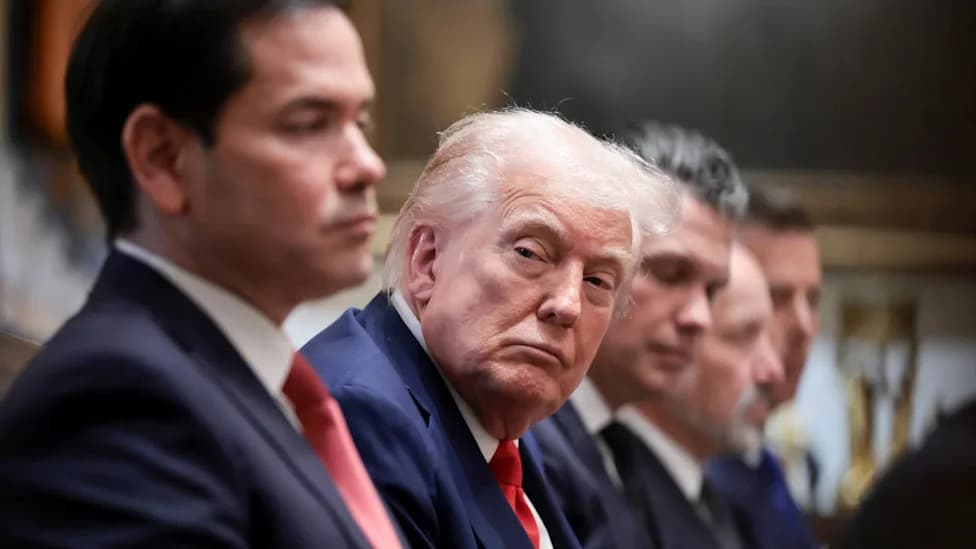
The Department of Education has formally revoked the Biden-era 2024 Title IX rule that expanded protections for LGBTQ students, while stopping short of immediately defining sex by birth assignment. Secretary Linda McMahon described the move as a return to Trump-era standards and signaled a forthcoming amendment to define sex as an immutable biological classification. Critics say the rollback weakens protections for LGBTQ students and survivors of sexual harassment, and legal battles have already limited the 2024 rule's reach.
Education Department Rescinds Biden-Era Title IX Rule, Signals Return To Trump-Era Policy
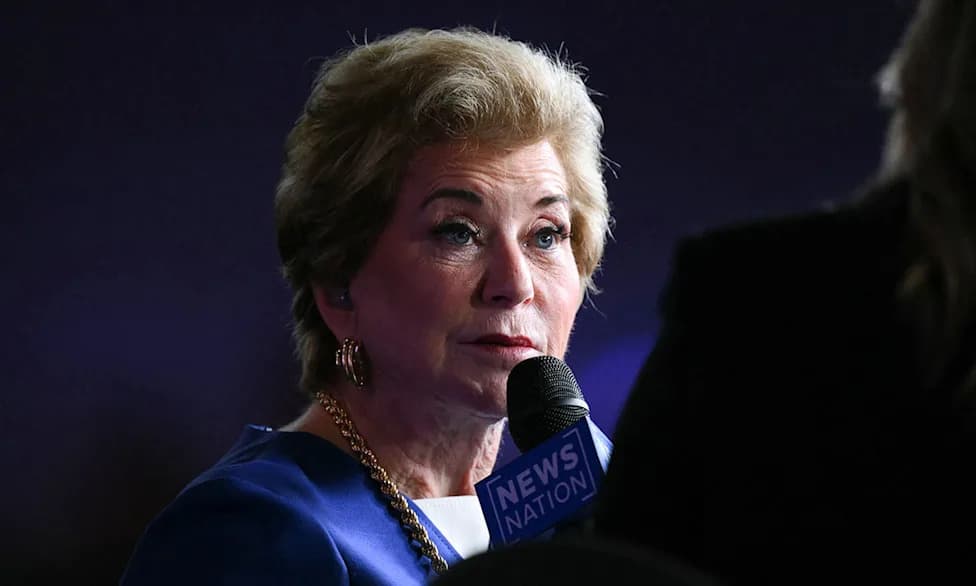
The U.S. Department of Education on Monday formally rescinded the Biden-era 2024 Title IX regulation that had expanded protections for LGBTQ students against sexual harassment and assault. Officials said they have not yet adopted a new rule defining "sex" strictly by the sex assigned at birth; that change is expected to appear in a separate amendment that has not been published.
Secretary Linda McMahon previewed the rollback during an appearance on the OutKick program with host Dan Zaksheske, describing the move as "a full return" to the Title IX standards enforced during President Donald Trump's first term. "It was boys in boys' sports and girls in girls' sports," she said, adding that Biden-era rules were being rescinded.
What Was Rescinded—and What Was Not
The 2024 rule clarified Title IX protections for LGBTQ and pregnant students and required prompt investigations of complaints, including some incidents that occurred off school grounds. The department's decision returns policy largely to the 2020 regulation finalized under former Education Secretary Betsy DeVos. That 2020 rule narrowed the types of complaints districts were required to investigate and required live hearings in some cases so accused students could respond; it did not explicitly ban transgender students from participating on teams consistent with their gender identity.
Reactions And Ongoing Concerns
Supporters of the rollback argue it restores protections for women and girls. Republican Rep. Tim Walberg, chair of the House education committee, said the change "restores longstanding protections for women and girls" and realigns policy with court precedents.
"They're eroding protections against sexual harassment and assault in education even though it continues to remain pervasive," said Shiwali Patel, senior director of education justice at the National Women's Law Center. Patel noted that the 2024 rule required districts to promptly investigate complaints and clarified Title IX rights for LGBTQ+ and pregnant students.
The department is also investigating 20 school districts based on civil-rights data to review how they handle allegations of staff-on-student sexual misconduct. Democrats and advocates have criticized the department for not resolving a backlog of sexual-abuse complaints, and some have questioned why the administration has not intervened in high-profile campus cases being litigated in civil court.
Legal Landscape And Next Steps
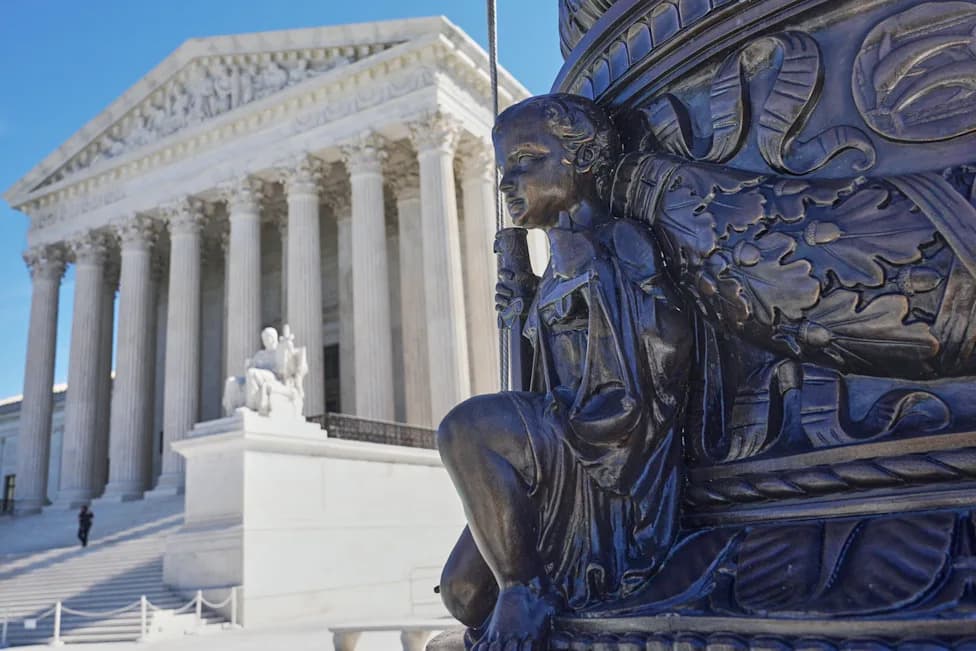
Litigation already limited the reach of the 2024 rule: it never took effect in roughly half the states because of court challenges. A federal district court in Kentucky ruled the rule would compromise girls' privacy, and in June the Supreme Court held that states may bar transgender athletes from competing on girls' and women's teams—without resolving whether Title IX requires sports participation to be determined strictly by biological sex at birth.
The Education Department says a forthcoming amendment will explicitly define sex for Title IX implementation as an individual's immutable biological classification as male or female. Observers expect the administration may try to expedite that change; advocates warned the administration has at times sought to bypass standard public comment procedures for rulemaking.
Attorneys and higher-education advisers say the rapid policy shifts have created uncertainty for districts and colleges. "It really is dependent on their boards' and their chancellors' own ideology to determine how much they're going to follow the Trump administration," said Sandra Aboy, founder and CEO of Title IX Consulting Group. Some districts with trans-inclusive policies face a higher risk of federal action, while others are fighting back with lawsuits.
Bottom line: The rescission returns Title IX policy to the 2020 framework for now while setting the stage for a possible rulemaking that would define sex based on biological classification at birth—an action that is likely to prompt further legal challenges and political debate.
Help us improve.