Cheap, versatile drones are transforming modern warfare: small quadcopters, long-range winged drones and maritime robots are now central to reconnaissance, logistics and attacks. Ukraine has emerged as a laboratory for these systems, with home-grown drones striking deep into Russia and sea drones degrading the Black Sea fleet. Low-cost attacks are straining expensive air-defense interceptors, and AI-guided swarms and autonomous weapons are approaching operational reality. The U.S. has launched a $1 billion Drone Dominance effort but faces questions about implementation after leadership and organizational changes.
The Killer-Robot Revolution: How Cheap Drones Are Rewriting Modern Warfare
Unmanned air, land, and water assets are increasingly part of a shifting military understanding of how future wars will be fought. | Credit: Getty
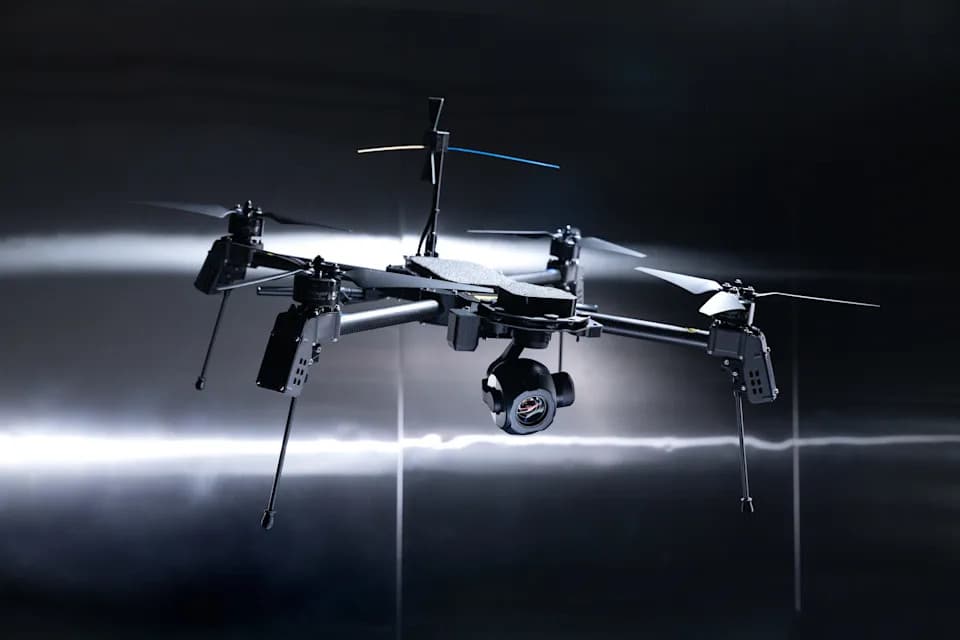
Unmanned systems in the air, on land and at sea are rapidly reshaping how militaries expect to fight future wars. For decades, armed forces relied on large, multimillion-dollar platforms such as the Predator and Reaper. Today, those SUV-sized UAVs are increasingly being supplanted by small, inexpensive quadcopters and winged drones that can cost only a few hundred dollars and perform surveillance, resupply, and precision or kamikaze strikes.
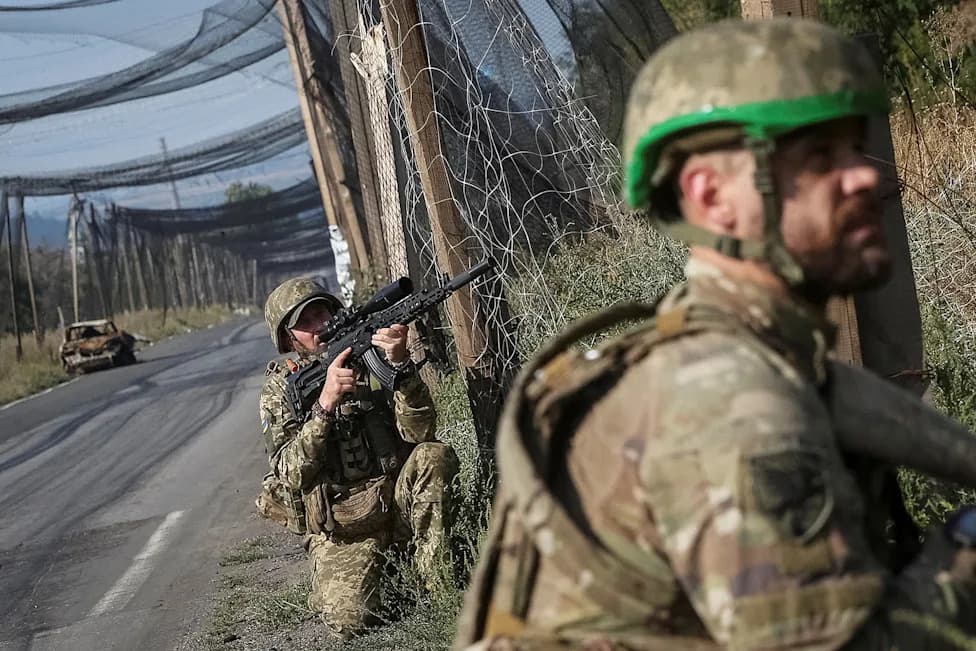
Ukraine has become a proving ground for this new era of drone warfare. Instead of clearly defined troop formations and static front lines, the battlefield now features a 20-mile "kill zone" where reconnaissance and strike drones operate day and night while small groups of soldiers shelter in foxholes. Battlefield reporting attributes as much as 80–90% of some monthly Russian casualties to drone activity.
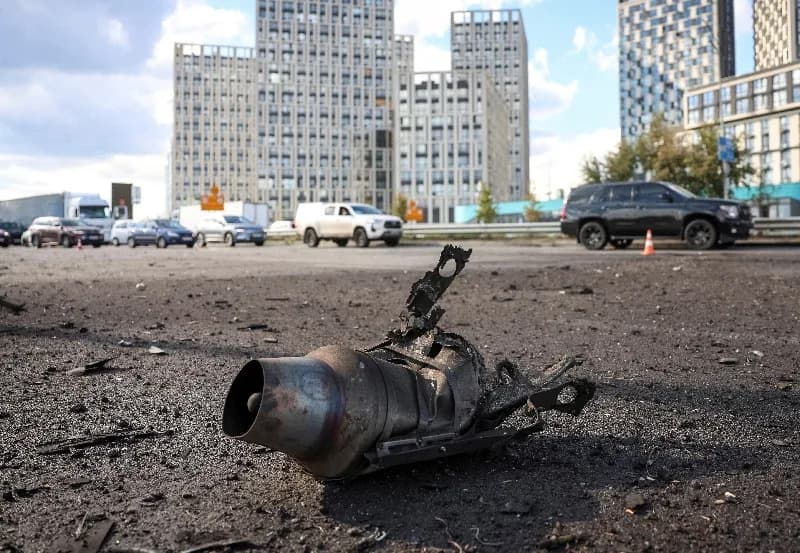
At the same time, Russia has employed Iranian-designed Shahed-136 attack drones — turbojet-powered, fiberglass, delta-wing aircraft that cost roughly $35,000 each — to strike civilian infrastructure and energy targets across Ukraine. Iranian drones have also been reported to strike U.S. bases, logistics hubs and radar sites in the Middle East; an April attack on a base in Kuwait reportedly killed six U.S. service members. These strikes have damaged energy infrastructure in Qatar, Saudi Arabia and the United Arab Emirates and helped Tehran exert pressure over the Strait of Hormuz.
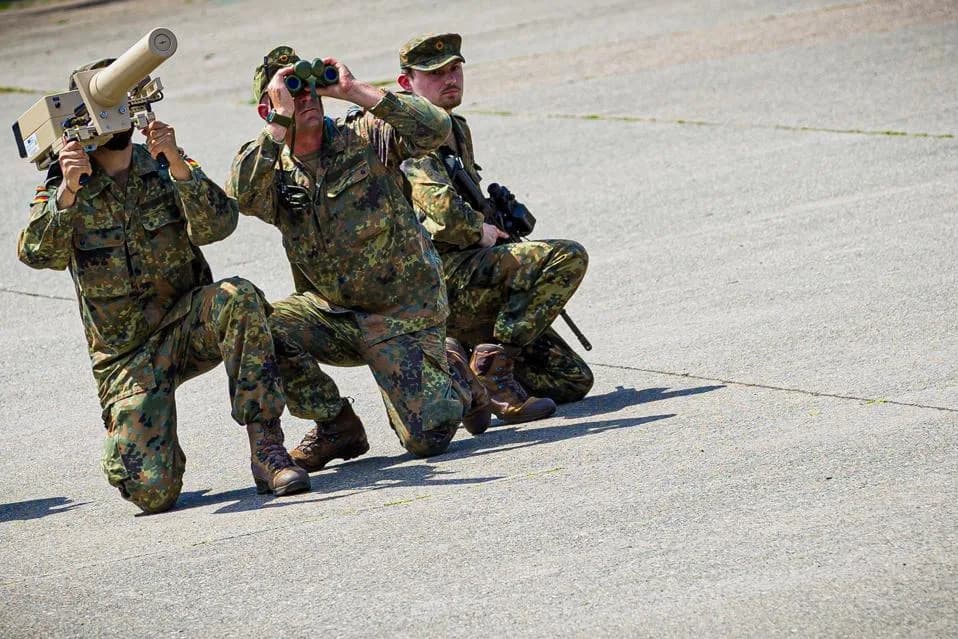
Defensive costs are creating a stark asymmetry. While many low-cost drones are shot down, repeated waves of attacks have significantly depleted stocks of high-end interceptors such as Patriot and THAAD, which can cost between $4 million and $12 million per engagement. "You do not need to be a defense planner to understand that cost curve is in the wrong direction," says Michael Horowitz, a military-technology expert at the University of Pennsylvania. The rapid pace of drone innovation is making effective, affordable countermeasures harder to develop.
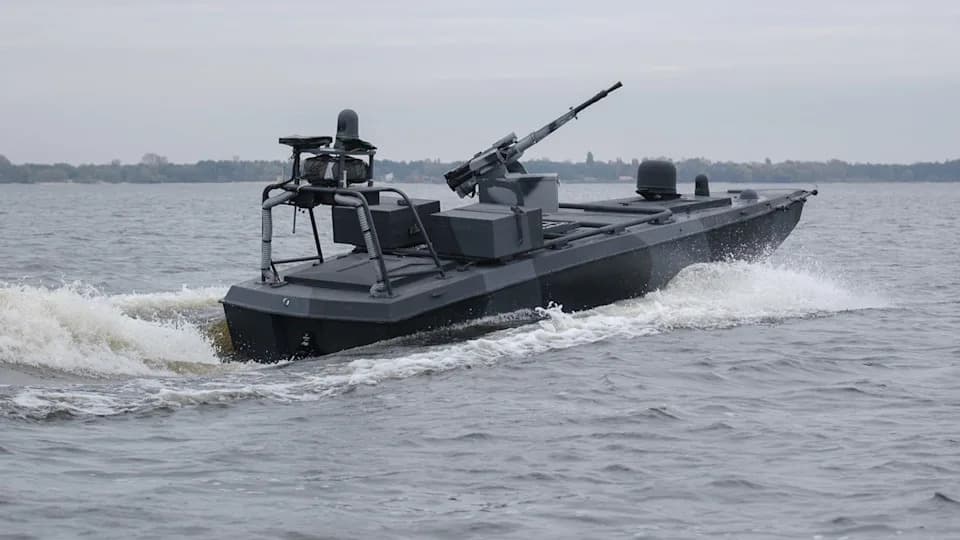
Innovation on the battlefield is two-way. Ukraine’s domestic industry has produced long-range drones that reportedly struck oil refineries up to 1,000 miles inside Russia, ground robots that clear mines and ferry supplies, and maritime drones the size of Jet Skis that have damaged or sunk naval vessels and degraded Russia’s Black Sea fleet. One Ukrainian commander described ground robots as "a hunk of iron sent to do the job we used to send soldiers to do."
Moscow has innovated as well. Russian teams developed drones remotely operated through miles-long, ultrathin fiber-optic cables that are immune to radio-frequency jamming. Unmanned vessels and ground vehicles increasingly operate in coordinated packages: in July, analysts reported a maritime drone delivering a ground robot that then engaged enemy positions in a combined operation.
The next frontier is autonomy and AI. Researchers and militaries are pursuing ever-smaller platforms — so-called nano-drones — and weapons guided by artificial intelligence that can hunt targets and carry out missions with little or no human intervention. In August, three civilians outside a gas station in Zaporizhzhia were reportedly killed by a drone believed to have been guided entirely by AI, a development many experts cite as a warning sign about autonomous lethal systems. Many analysts now expect swarming, AI-driven drones capable of coordinated autonomous operations to appear in the near future.
U.S. military leaders warn Washington risks falling behind. Lt. Gen. Charles Costanza, until his abrupt removal in August a senior commander in Europe, said the U.S. was "behind" and "not moving fast enough." Retired officials including former Joint Chiefs chair Mark Milley and ex-CIA director David Petraeus have expressed similar concerns. Defense Secretary Pete Hegseth announced a Drone Dominance initiative that pledged $1 billion to acquire 200,000 drones by 2027 and directed expanded domestic production and integration of unmanned systems into training.
However, organizational changes and personnel moves within the U.S. defense establishment have raised questions about implementation. This year saw the departures of senior officers who championed modernization, and an acting commander disbanded a 600-person drone battalion designed to apply lessons from Ukraine. Critics called the move "deeply regrettable and dangerous," while an Army spokesman said the unit needed to "refocus on core warfighting tasks."
What this means: Cheap, adaptable drones have shifted the cost balance of air and coastal attacks and weakened assumptions that only complex, expensive systems can dominate the battlespace. The technology arms race now centers on mass production, affordable defenses, and how—and whether—humans remain in control as autonomy and AI accelerate.
Help us improve.