Lindsey Isaacs, 23, testified to a Senate subcommittee that a Flock Safety ALPR camera record helped trigger an investigation that led to her April arrest on eight felony counts connected to an Oct. 4, 2025, I‑4 crash. Witnesses reportedly described a maroon Durango and 911 callers provided the partial plate "458," while Isaacs' camera sighting was logged two minutes and about three miles from the collision — details her lawsuit says were omitted from the arrest affidavit. Prosecutors later declined to pursue charges after 13 days in custody, and Isaacs has filed a federal civil‑rights suit alleging false arrest and malicious prosecution.
Flock Camera Match Linked Her to a Fatal Crash — She Spent 13 Days in Jail and Told the Senate What Went Wrong
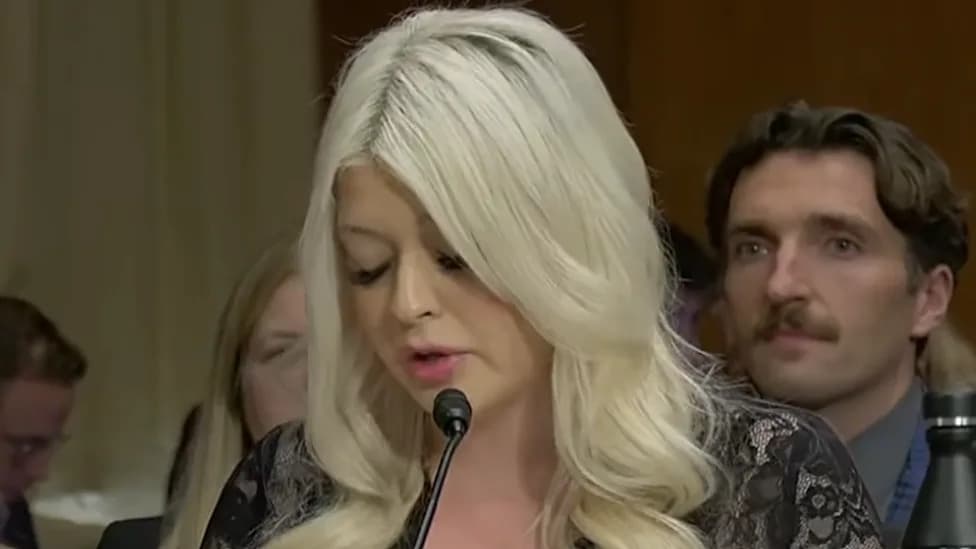
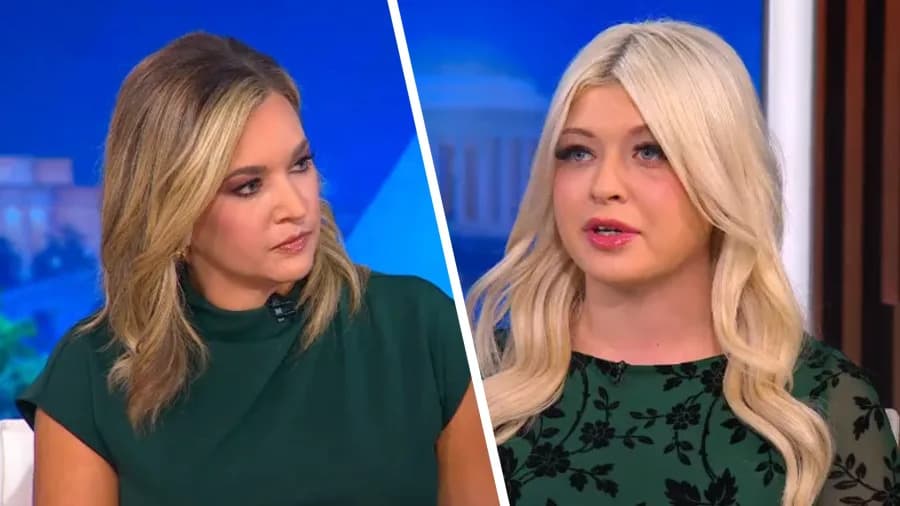
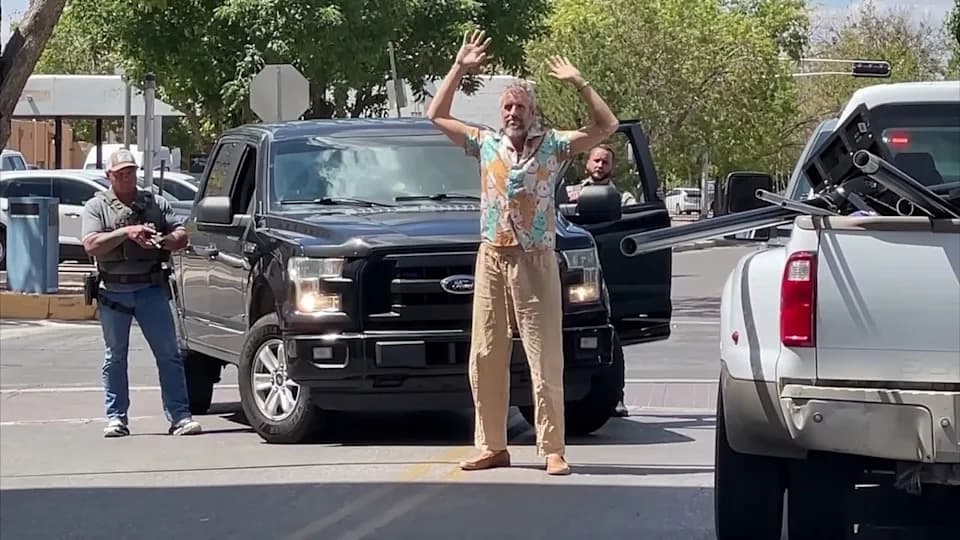
Image Credit: Fox 35 Orlando / YouTube.
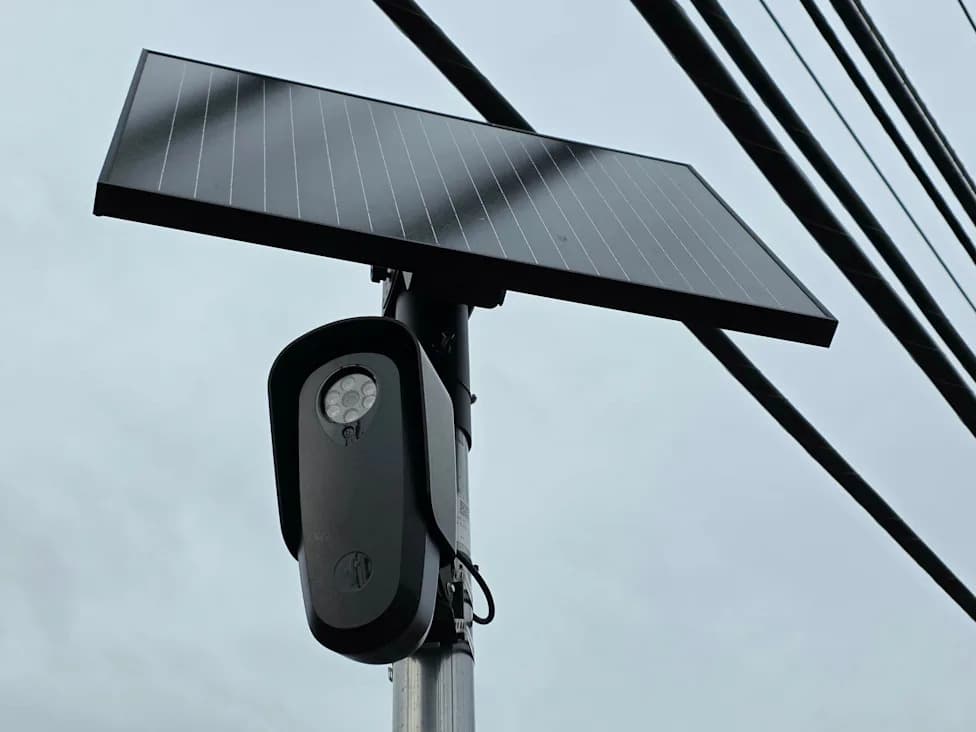
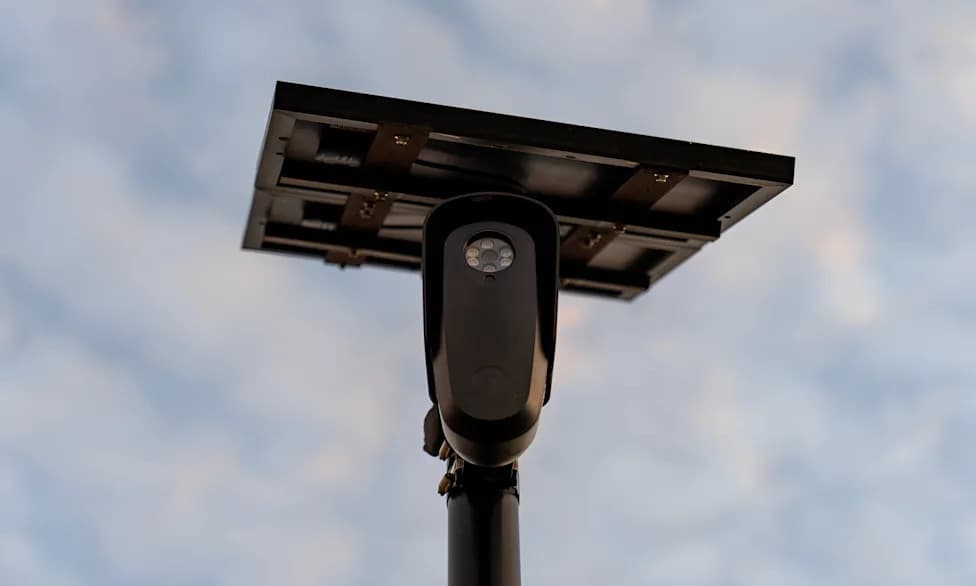
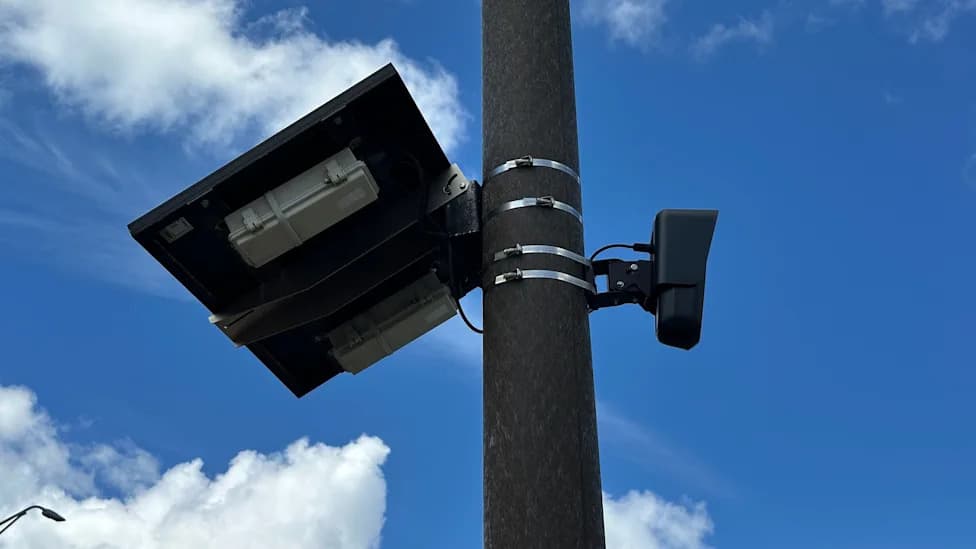
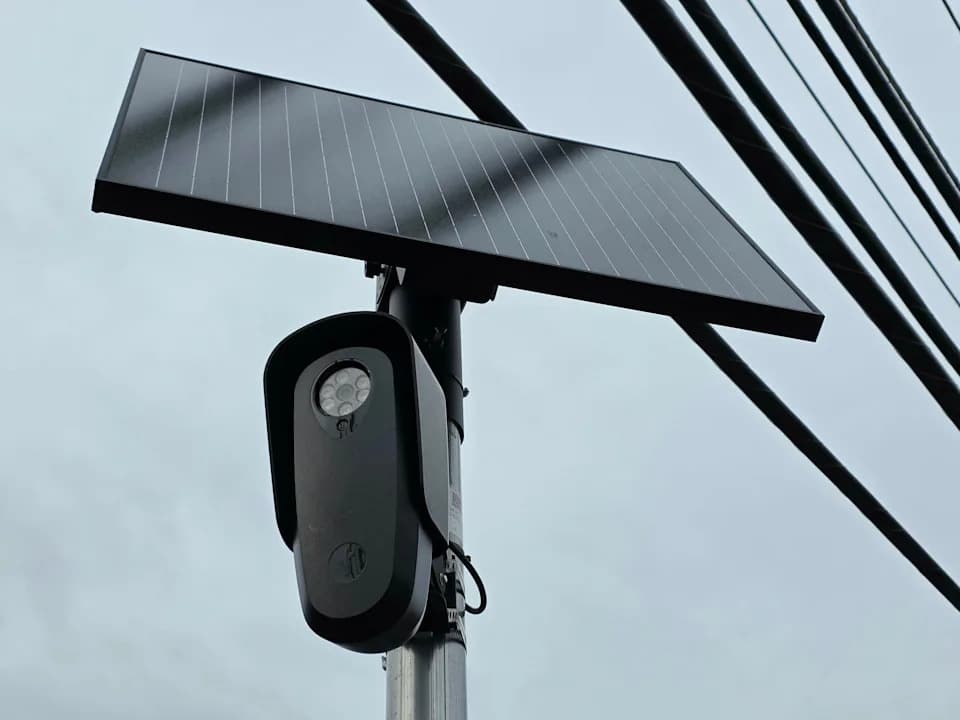
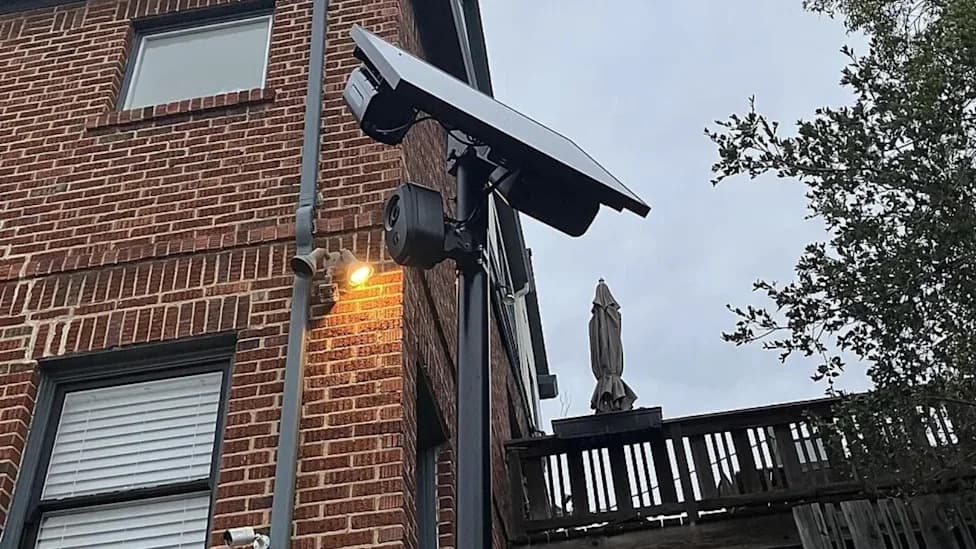
Lindsey Isaacs, 23, told a U.S. Senate subcommittee that a Flock Safety automated license-plate recognition (ALPR) camera record became part of an investigation that ultimately focused on the wrong Dodge Durango and led to her April arrest on multiple felony counts tied to an Oct. 4, 2025, crash on Interstate 4 in Volusia County.
Timeline and Key Discrepancies
Isaacs testified before the Senate Judiciary Subcommittee on Crime and Counterterrorism on Sept. 23, describing the events that followed after an ALPR camera logged her black 2025 Durango roughly two to three miles west of the fatal collision at about 9:51 p.m. Records and her federal complaint say the crash occurred about two minutes later and about three miles from where the camera recorded her vehicle.
Isaacs and court records say other evidence did not fit the theory that her SUV was involved: multiple witnesses reportedly described a maroon Durango at the scene, 911 callers relayed the first three characters of a license plate as "458," and photos of Isaacs' vehicle in an impound lot appeared to show no collision damage investigators had initially described.
Arrest, Custody And Reexamination
Isaacs surrendered to Volusia County jail on April 17, 2026, on eight felony counts, including three counts of vehicular homicide. She says she spent roughly three and a half days in solitary confinement and was later moved to a mental-health unit and then to maximum-security housing. A judge denied bond on April 22; she was granted bond on April 29 and was released after 13 days in custody.
Her defense attorney produced photographs showing Isaacs' Durango in the Florida Highway Patrol (FHP) impound lot without the alleged collision damage. According to Isaacs' federal complaint, FHP’s Specialized Investigation and Reconstruction Team later found no damage on her SUV consistent with striking another vehicle and noted red or maroon paint transfer on the Ford Focus involved in the crash.
Legal Claims And Responses
Prosecutors filed a "No Information" on May 22, declining to pursue the eight charges against Isaacs. Later that same day, authorities arrested another driver, Alisa Lee Montalvo, who has been charged in connection with the same collision and has pleaded not guilty.
In June, Isaacs filed a federal civil-rights lawsuit in the U.S. District Court for the Middle District of Florida, naming FHP Sergeants Tiffany Jateff and Joshua Buday and alleging false arrest, wrongful imprisonment and malicious prosecution. The complaint asserts that investigators misdescribed damage to Isaacs' Durango and omitted exculpatory details — including witness descriptions, partial plate information and the timing/location of the camera sighting — in the affidavit used to obtain an arrest warrant. These claims remain allegations in pending litigation.
Flock Safety has disputed that its technology caused the arrest, saying its cameras are intended to provide investigative leads rather than determine guilt. Isaacs does not dispute that the camera recorded her vehicle; her central claim is that the camera record was treated as a critical piece of evidence despite other information that pointed away from her.
Broader Hearing On ALPR Use
The Senate hearing considered how law enforcement uses automated license-plate reader networks, what safeguards protect the vast vehicle-location records they produce, and how those records are relied upon in investigations. Representatives from several industry vendors invited to testify did not appear; other witnesses included privacy advocates, a sheriff and cybersecurity engineer Benn Jordan.
"In my case, a Flock camera captured my vehicle a few miles from the scene of a terrible crash," Isaacs told senators. "That piece of information became part of an investigation that ultimately led to my arrest on three counts of vehicular homicide and 13 days in jail for a crash I had nothing to do with."
Isaacs closed by saying she was not there to direct lawmakers' work but to describe what happened to her and to highlight the stakes when automated systems intersect with criminal investigations.
Help us improve.