Lindsey Isaacs told Congress she was wrongfully arrested after a Flock Safety camera allegedly linked her vehicle to an October 2025 fatal crash, resulting in 13 days in custody, including time in solitary confinement. Isaacs disputes the match and says her car had no damage. Her attorney warned that surveillance technology is outpacing regulation, and Isaacs urged lawmakers to require human verification before arrests based on license-plate-reader data. Flock executives were invited but did not testify.
Wrongly Arrested: Woman Says Flock Camera Misidentified Her Car, Leading to 13 Days in Jail

Woman spends 13 days in jail after Flock camera misidentifies her car
Lindsey Isaacs told a congressional committee she endured a terrifying, wrongful arrest and spent 13 days in jail after a Flock Safety automated license-plate reader allegedly placed her vehicle at the scene of a fatal crash she says she did not cause.
Testimony and Timeline
Isaacs testified that she was accused of a triple vehicular homicide tied to an October 2025 collision and was arrested in April 2026. She said she spent part of her detention in solitary confinement and described the cell conditions as unsanitary, saying there were "human feces smeared on the walls and the bed."
"I was terrified. I was facing the possibility of spending the rest of my life in prison for a crash I knew I had not been involved in," Isaacs told lawmakers.
How the Misidentification Happened
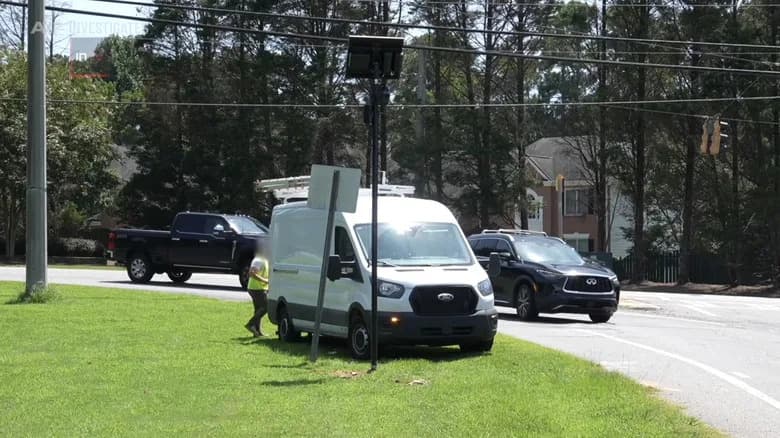
Isaacs said state troopers arrived at her home and told her her car had been linked by a Flock camera to the crash and that her vehicle showed damage consistent with a collision. She disputes that claim, noting she was not near the scene and her car had no visible damage. "Where's the damage? You've got the wrong person," she recalled telling officers.
Legal and Technical Concerns
Her attorney, Patrick McGeehan—a former police detective—warned that surveillance technology is advancing faster than laws and safeguards. "We have a situation where the technology's evolving faster than we can control it. It's the Wild West," he told the committee.
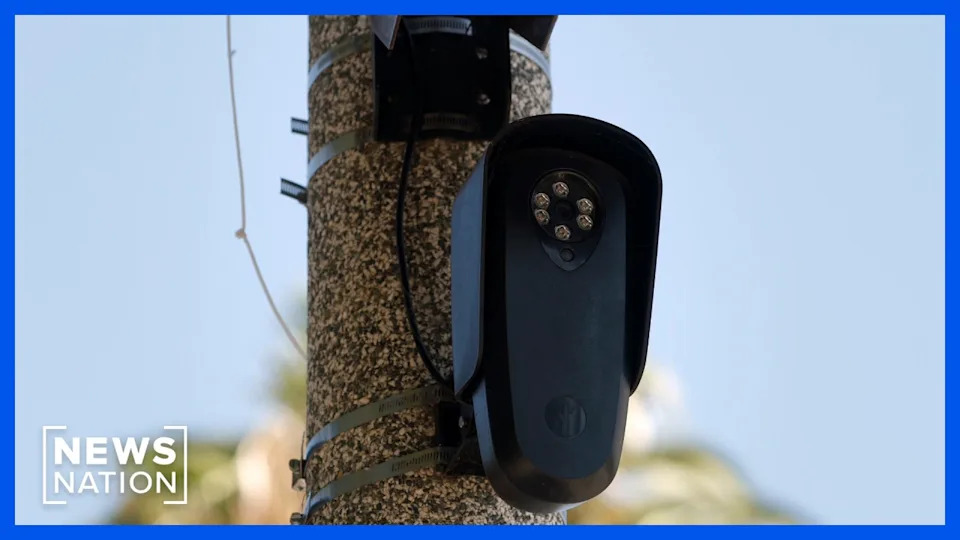
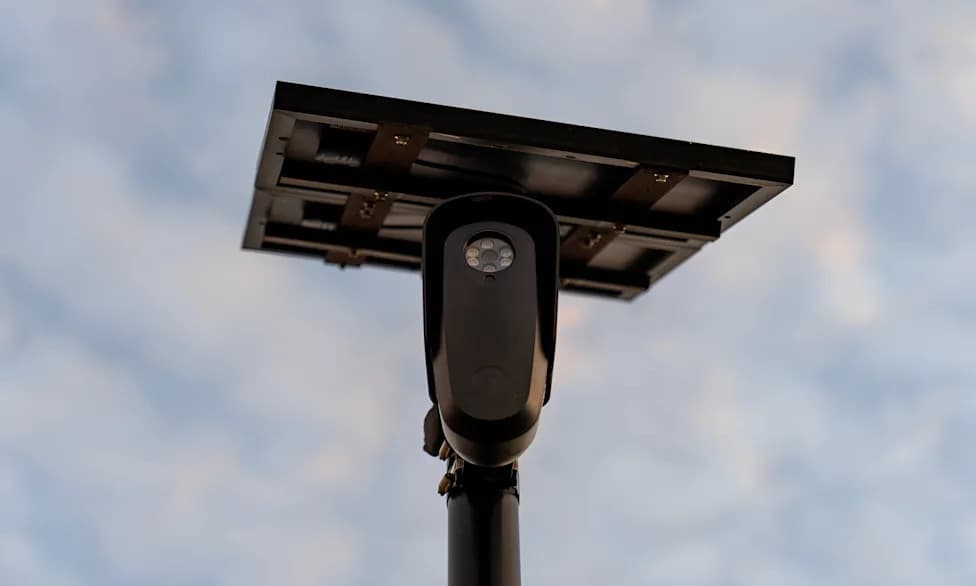
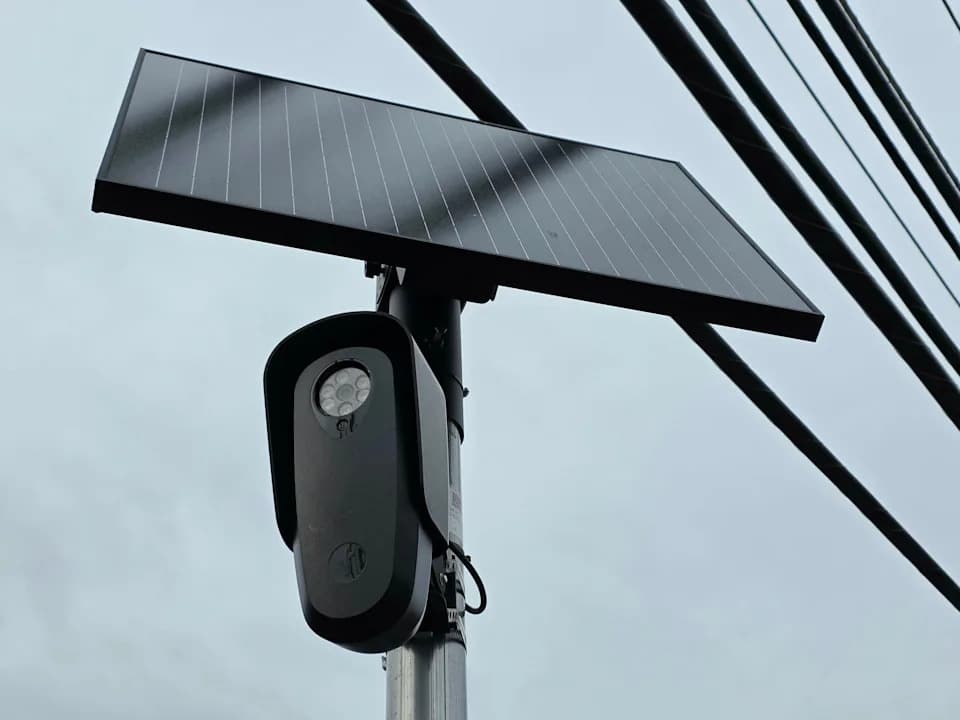
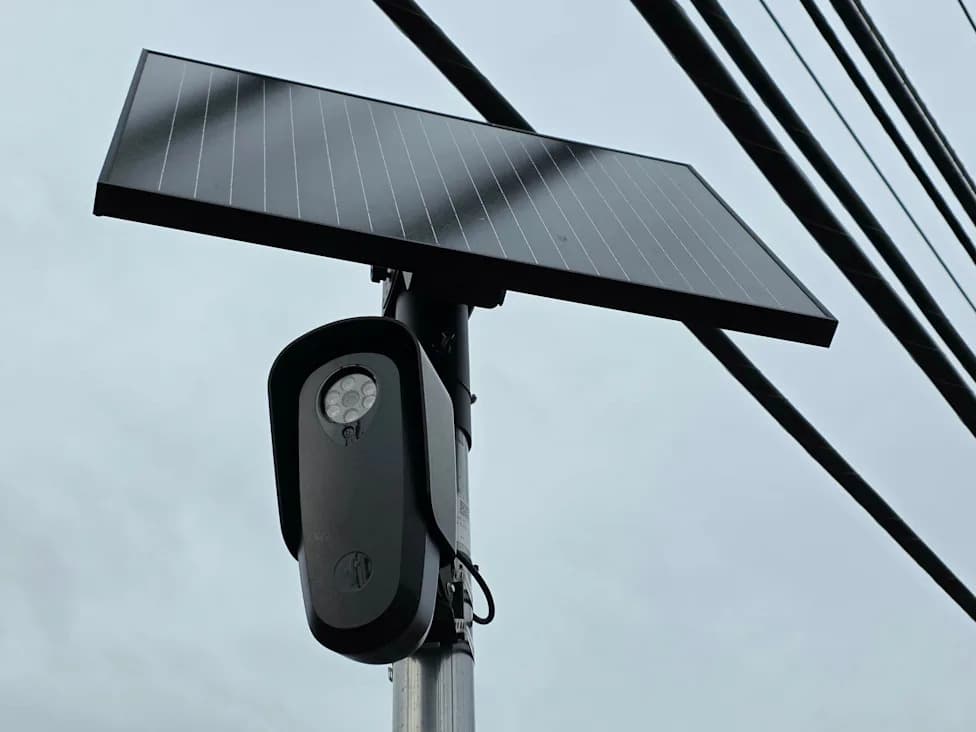
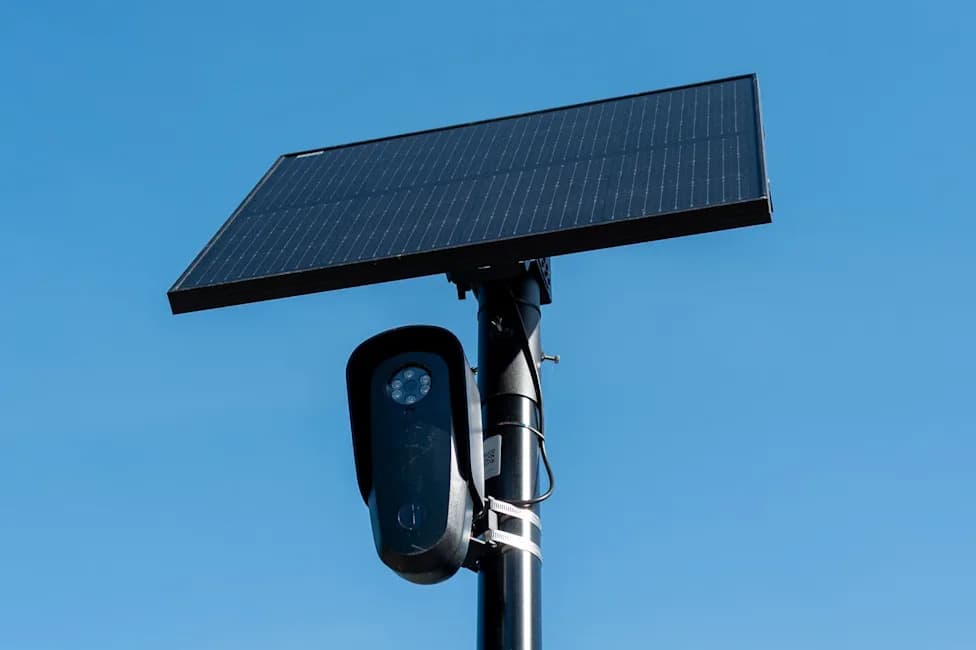
A Flock Safety camera is shown mounted to a light pole on August 03, 2026 in Beverly Hills, California. Flock Safety's automated license plate reader cameras have been deployed in over 120,000 locations across 49 states, using artificial intelligence to identify vehicles by their license plates, make, model and color to help law enforcement investigate crimes, while also drawing criticism from privacy advocates over concerns about mass surveillance and the collection of motorists' location data. (Photo by Justin Sullivan/Getty Images)
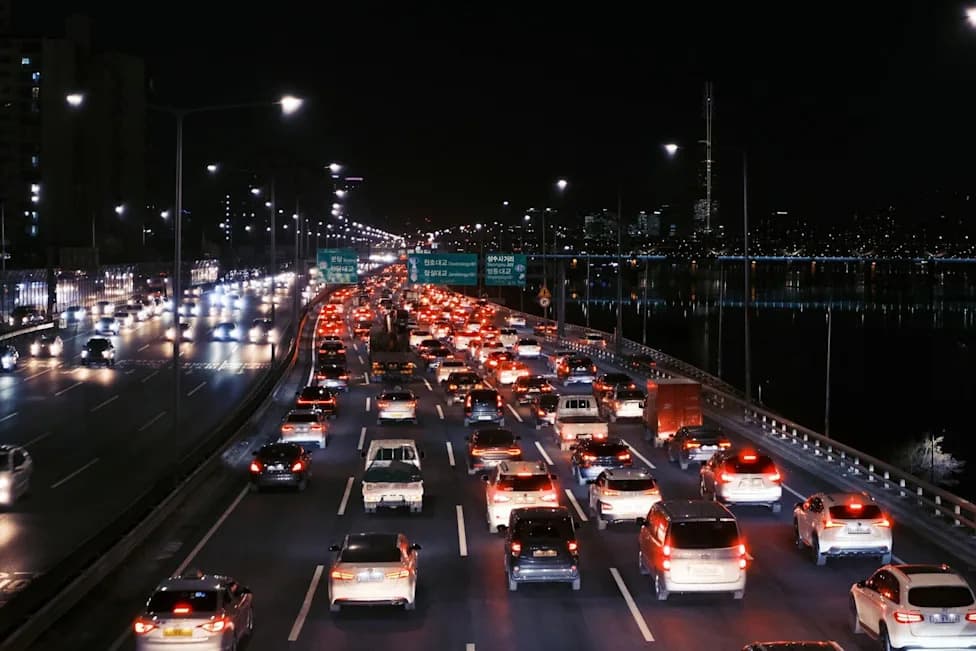
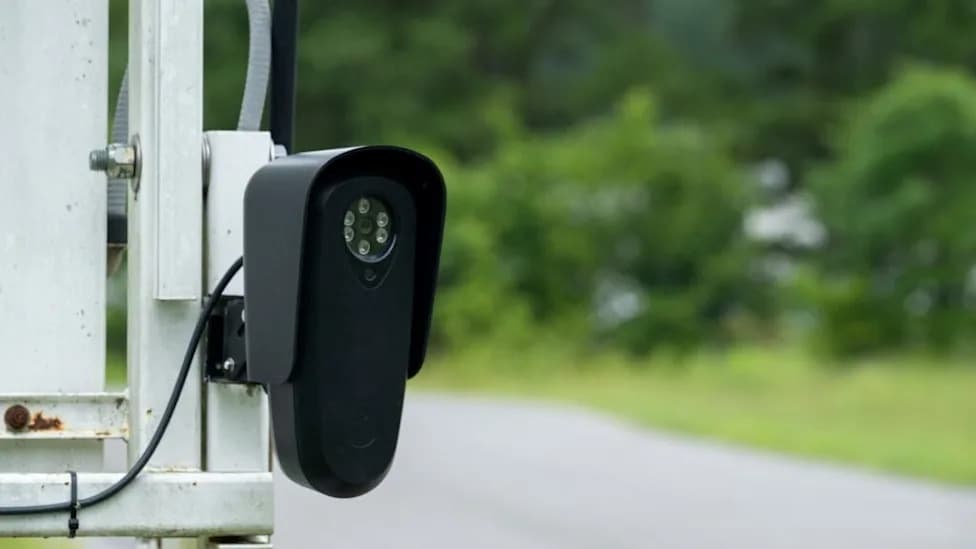
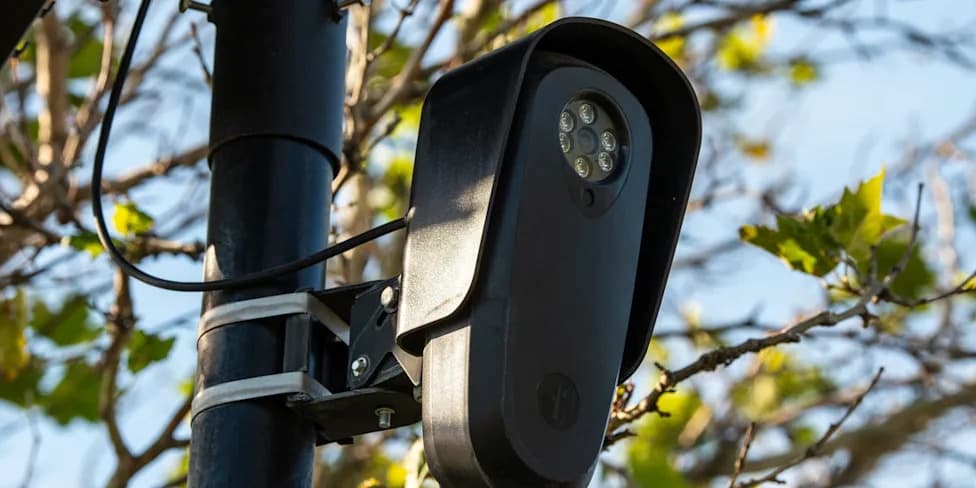
Flock Safety says its automated cameras are deployed at more than 120,000 locations across 49 states and use artificial intelligence to identify vehicles by license plate, make, model and color to assist law enforcement. Still, privacy advocates have criticized such systems for their potential to enable mass location tracking and for the risks of automated misidentification.
Congressional Hearing and Reforms Sought
Flock executives were invited to testify but did not appear. Isaacs urged lawmakers to require human verification of license-plate-reader matches before arrests or impoundments are carried out. "Someone needs to make sure that's the correct vehicle, that's the correct person, before just impounding a car," she said.
The hearing also referenced incidents and online movements targeting Flock cameras, including footage of vandals tearing down a device and the planned "De-Flock America" campaign around Halloween, underscoring public backlash over the technology.
This case highlights questions about accountability, oversight, and how law enforcement uses automated surveillance tools in criminal investigations.
Help us improve.