Lindsey Isaacs said a Flock Safety ALPR hit placing her SUV near a fatal I-4 crash led to her arrest and roughly 86 hours in solitary confinement before prosecutors dropped all charges. Witness descriptions and lack of expected vehicle damage contrasted with the ALPR lead. Isaacs has since sued Florida Highway Patrol troopers and the agency. The case underscores ALPR limits — location and time only — and renews debate over surveillance, AI-driven tools, and oversight.
Wrongly Linked by Flock Camera, Woman Spent Nearly Four Days in Solitary — Charges Later Dropped
Photo Credit: iStock
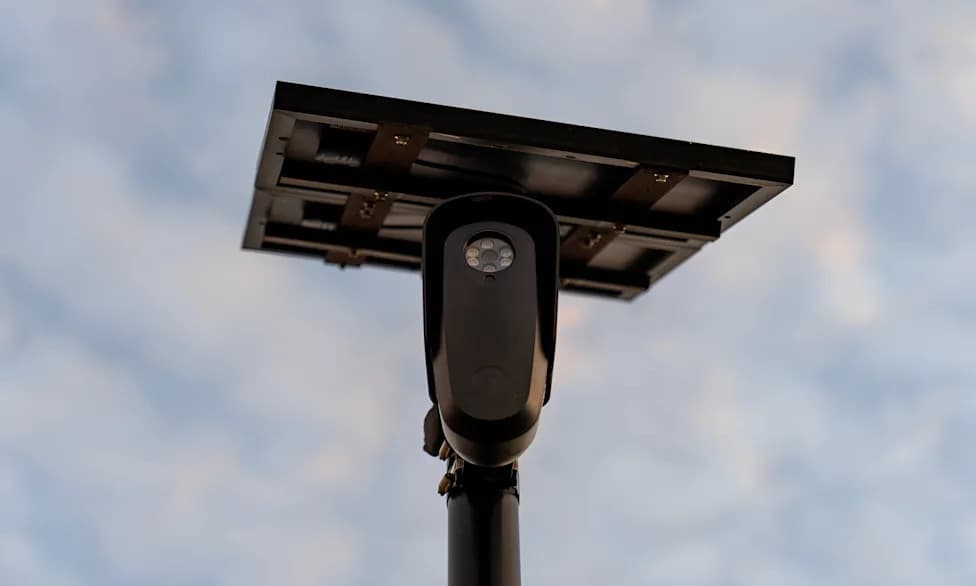
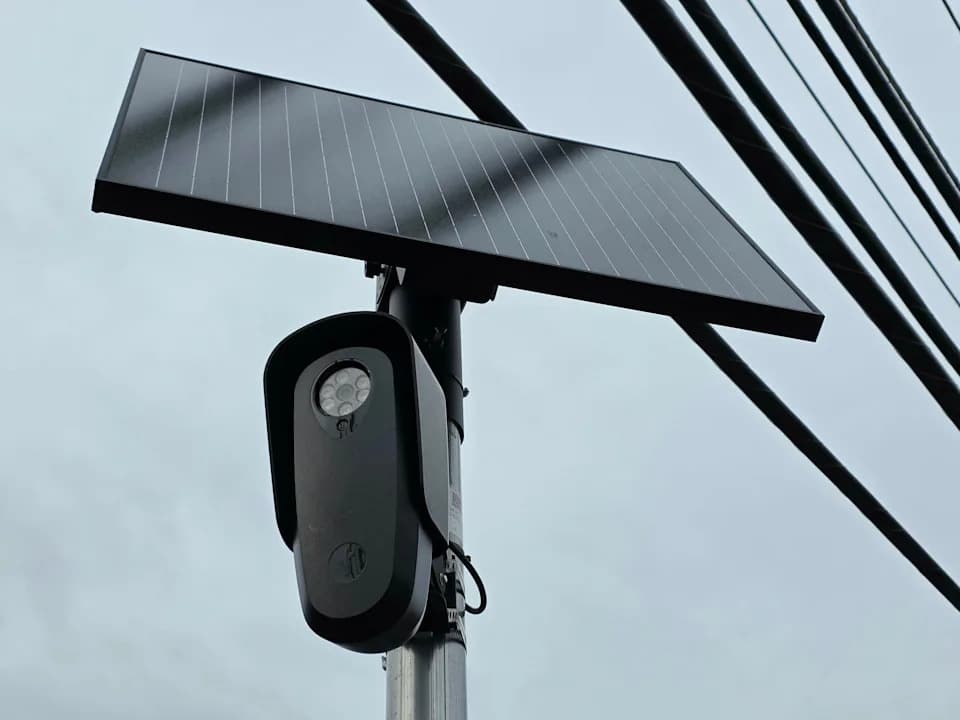
Lindsey Isaacs, a 23-year-old Palm Beach resident, says a Flock Safety automated license-plate reader (ALPR) record placing her SUV near a deadly crash led to her arrest, roughly 86 hours in solitary confinement and a 13-day jail stay before prosecutors dropped all charges.
What Happened
On Oct. 4, 2025, a collision on Interstate 4 in Volusia County killed three people. Investigators were reportedly searching for a Dodge Durango. Footage from a Flock Safety camera captured a black Dodge Durango registered to Isaacs two to three miles from the crash scene.
Arrest, Detention And Testimony
Isaacs was arrested in April 2026 on eight felony counts, including three vehicular-homicide charges. Local reporting noted that witness descriptions indicated a different-colored vehicle and that Isaacs' SUV lacked the damage investigators expected, yet the ALPR hit was used as part of the case that led to her arrest.
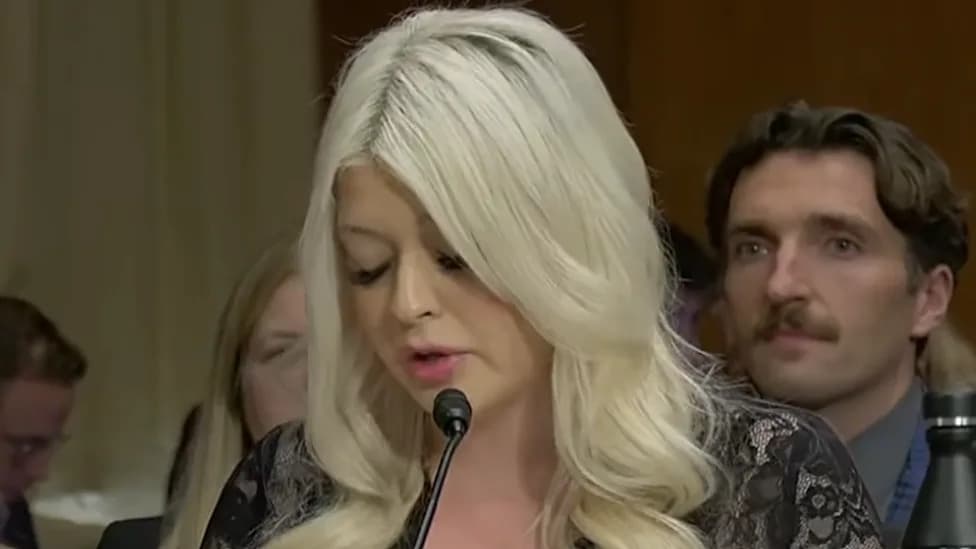
In written testimony to the Senate Judiciary Subcommittee on Crime and Counterterrorism on Sept. 23, Isaacs said she spent about 86 hours in solitary confinement. Correctional staff told her the isolation was necessary because of the seriousness of the charges and a pending evaluation. She also spent roughly a day in a mental-health unit and the remainder of her 13 days in maximum-security housing. Isaacs testified that at her lowest point she no longer wanted to live.
Legal Outcome And Civil Action
Prosecutors later dropped all charges. Authorities identified another person, Alisa Montalvo, as the suspected driver in the fatal crash, according to reporting. Isaacs has filed a civil lawsuit naming Florida Highway Patrol troopers and the agency; those claims are pending.
Technology, Limits And Oversight
Automated license-plate recognition systems record that a vehicle was at a particular place and time, but they do not identify who was driving or prove that a vehicle caused a crash. Flock Safety has publicly said its cameras are meant to generate investigative leads, not to determine identity or guilt. This episode highlights the risk when investigators place heavy reliance on tech-generated leads without corroborating evidence.
Why it matters: The case raises broader questions about surveillance tools, the reliability of automated data in criminal investigations, and whether policies and oversight are keeping pace with rapidly expanding surveillance and AI-driven technologies.
Context
The story ties into wider debates about technology and public safety, including testimony about vehicle-assist systems like Tesla's Autopilot, reports urging stronger AI regulation, public concerns about AI's energy demands, and heated congressional discussions over AI policy and oversight.
Sources: Reporting compiled from WFTV, CBS12, Fox 35, Atlanta News First, Gadget Review (via Yahoo News), The Center Square, and Isaacs' written Senate testimony.
Help us improve.