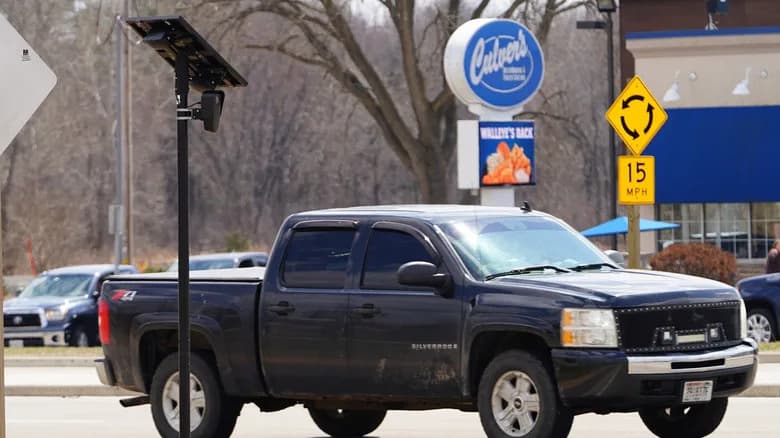
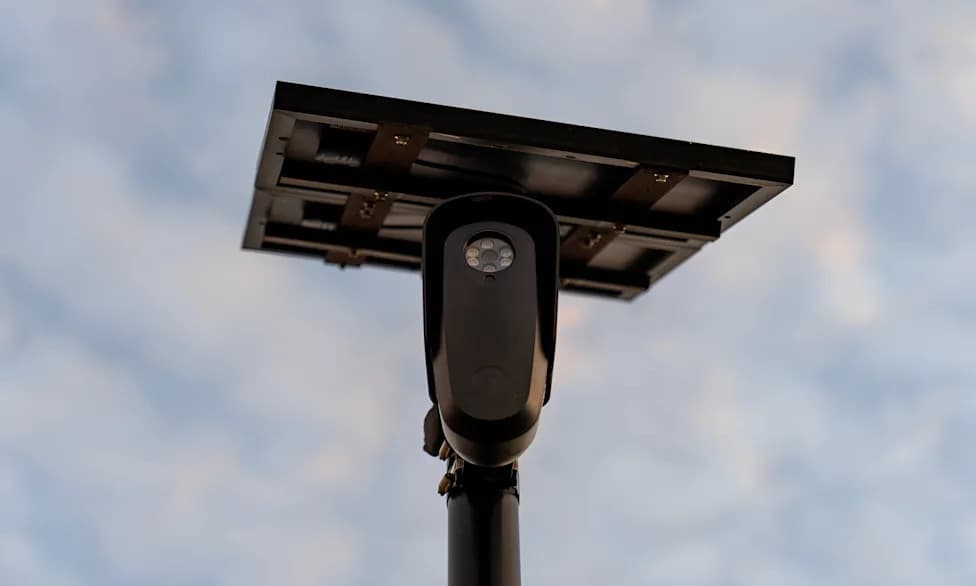
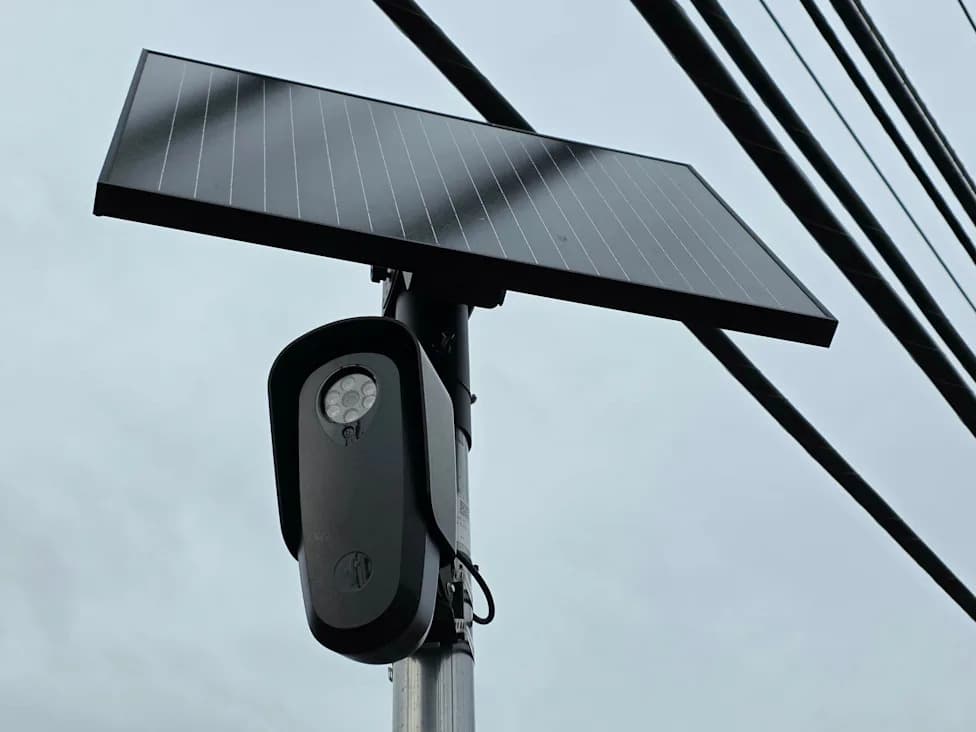
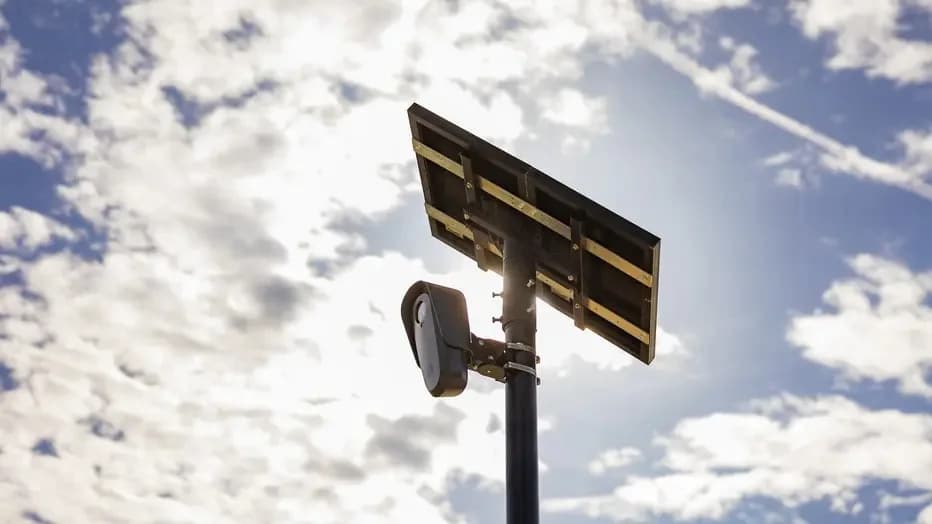
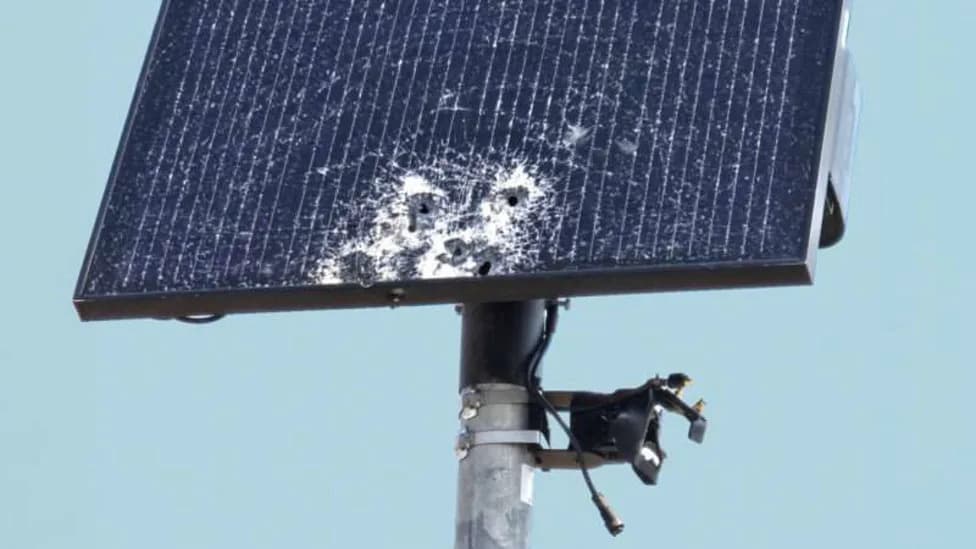
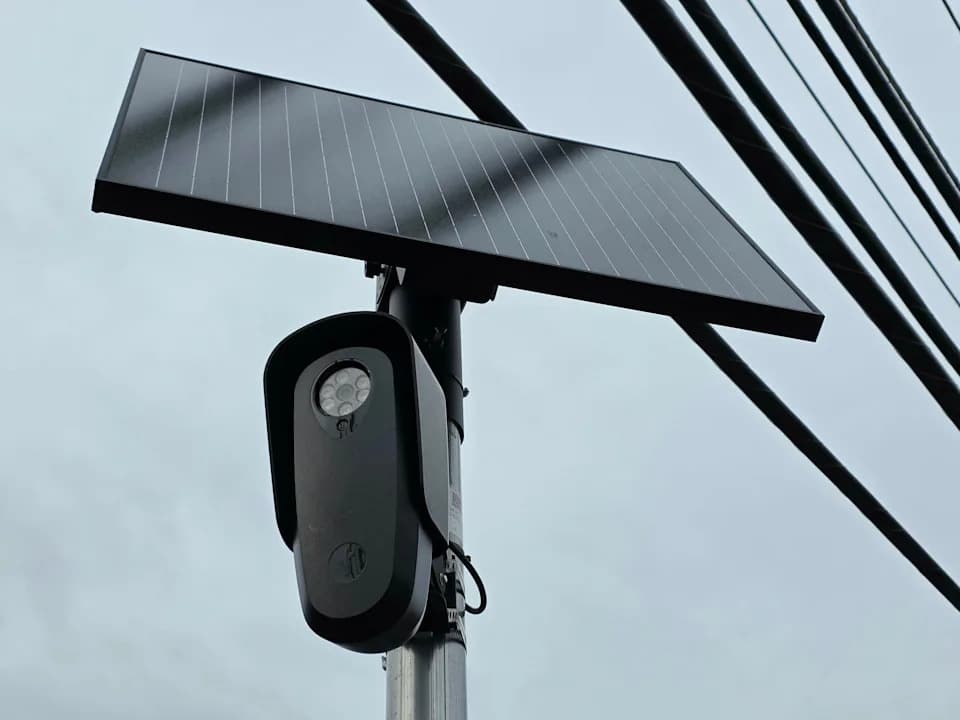
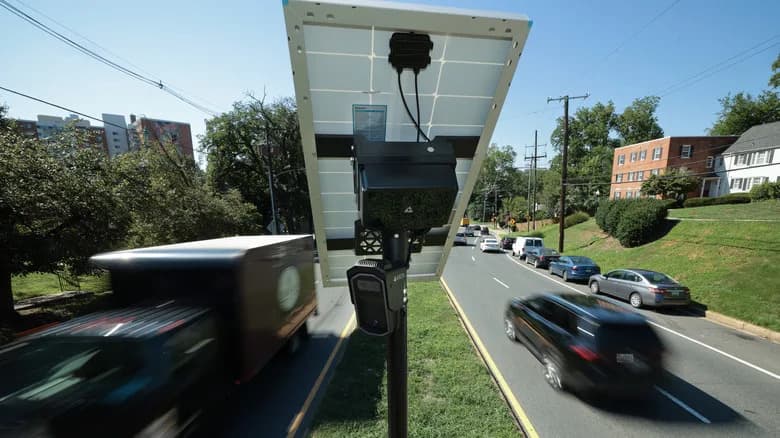
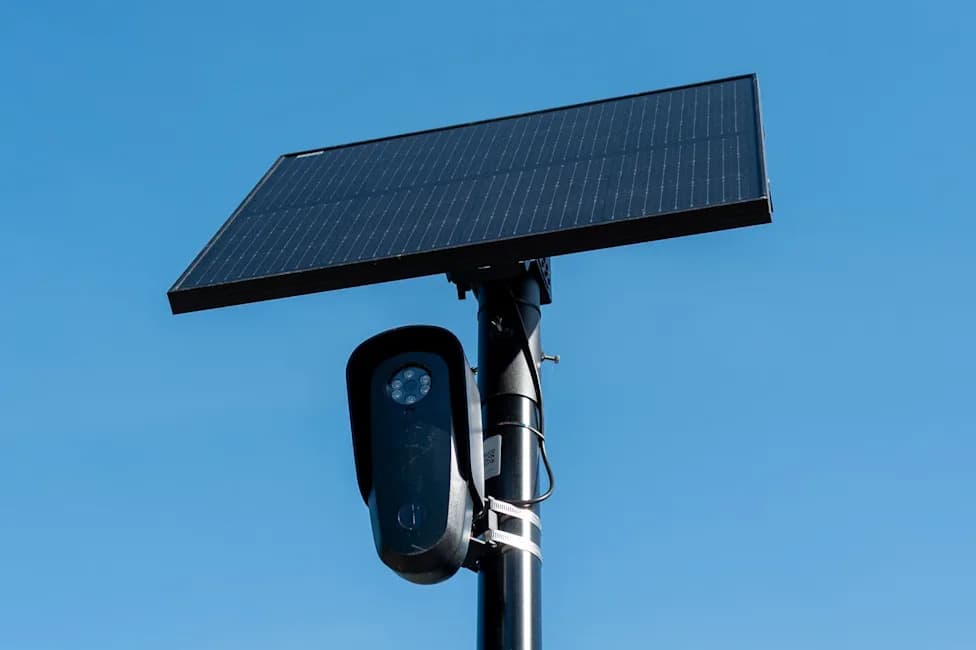
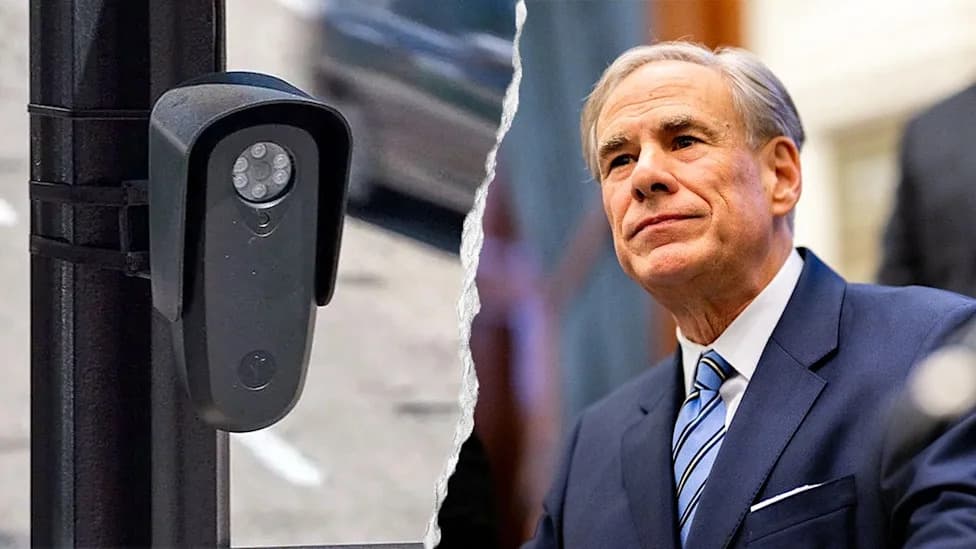
On Aug. 31, the Florida Department of Transportation revoked active permits for automatic license plate recognition systems installed along state rights-of-way and gave local agencies 30 days to remove them. Pembroke Pines suspended its LPR program on Sept. 2, and the Miami-Dade Sheriff's Office ordered FDOT-mounted cameras offline by Sept. 1. FDOT cited rapid deployment growth, alleged misuse, and privacy concerns and said it will not approve future permits within its jurisdiction. Flock Safety reports it operates more than 120,000 cameras nationwide.
Florida Revokes Permits for Flock LPR Cameras; Cities Suspend Programs Amid Privacy Concerns
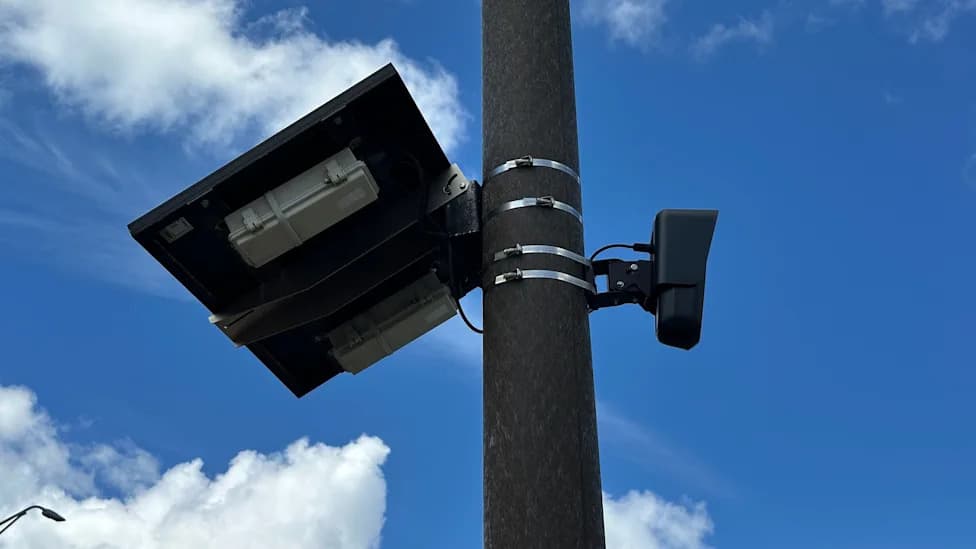
Flock cameras 'taken offline' in latest Florida city. Why state permits revoked
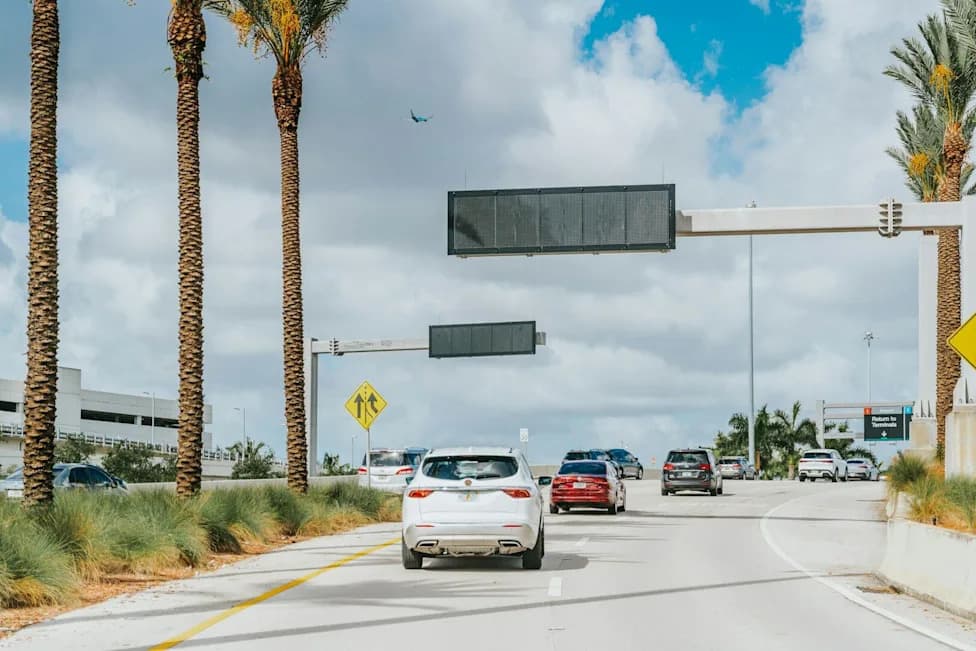
The Florida Department of Transportation (FDOT) revoked active permits for automatic license plate recognition (LPR) systems on Aug. 31, prompting local law enforcement agencies to pause or remove cameras installed along state rights-of-way.
The Pembroke Pines Police Department announced on social media that it would fully suspend its LPR program effective Sept. 2. The Miami-Dade County Sheriff's Office issued a similar statement saying all cameras located on FDOT property would be "taken offline" by the end of Sept. 1.
FDOT Directive and Rationale
In a memorandum dated Aug. 31, FDOT revoked active permits for LPR systems — including devices supplied by Flock Safety — that operate on state-controlled rights-of-way and gave local agencies 30 days to remove them. The memo cited a rapid, "exponential" increase in deployments, reports of misuse, data privacy concerns and "surveillance schemes," saying immediate action is necessary to preserve residents' privacy and quality of life. FDOT also said it will not approve future requests for such systems within its jurisdictional authority.
"Recent exponential increase in deployments along our roadways, coupled with concerning reports of misuse, data privacy concerns, and surveillance schemes merit immediate action to preserve Floridians' sovereignty and quality of life," the memorandum said.
Local Reaction and Next Steps
Several jurisdictions moved quickly to comply. Pembroke Pines suspended its LPR operations while Miami-Dade's sheriff ordered FDOT-mounted cameras offline. Other local agencies have paused programs or are reviewing contracts and data-retention policies as they assess how to respond to FDOT's directive.
Flock Safety, the company that supplies many of these cameras, says it has deployed more than 120,000 cameras across 49 states. The revocation highlights growing tension between law enforcement uses of automated license-plate readers — often used to solve crimes and recover stolen vehicles — and concerns from privacy advocates about data collection, retention and oversight.
What This Means For Drivers
Agencies ordered to remove cameras from state rights-of-way have 30 days to comply. Residents and motorists can expect some LPR-equipped systems to remain offline while local governments and state officials negotiate policy, oversight and privacy safeguards, or determine whether to relocate devices to non-state property where different rules may apply.
Reporting: Sarah Perkel, South Florida Connect reporter for the USA TODAY Network's Florida Connect team. This article originally appeared on USA TODAY.
Help us improve.