New analysis of EPA records shows atrazine contaminates nearly 25% of continental US river miles (~860,000 miles), impacting over 20% of surface drinking-water intakes and more than 675,000 wells. Atrazine is a probable carcinogen and an endocrine disruptor linked to fetal and reproductive harms; amphibian effects are reported at 0.1 ppb while the U.S. drinking-water limit is 3 ppb. The report names five regional hot spots and criticizes EPA inaction amid ongoing litigation and strong industry influence; advocates call for a ban.
Atrazine Found in Nearly 25% of US River Miles — Report Urges Immediate Action
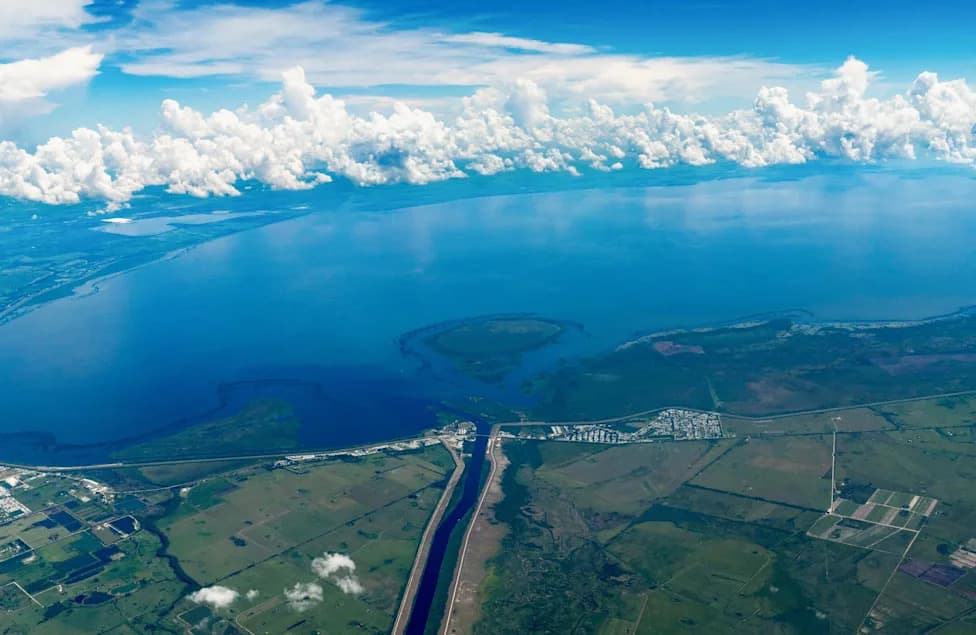
Lake Okeechobee in Florida. Atrazine is primarily used on commodity crops like corn, sugarcane, and sorghum.Photograph: Marli Miller/Universal Images Group/Getty Images
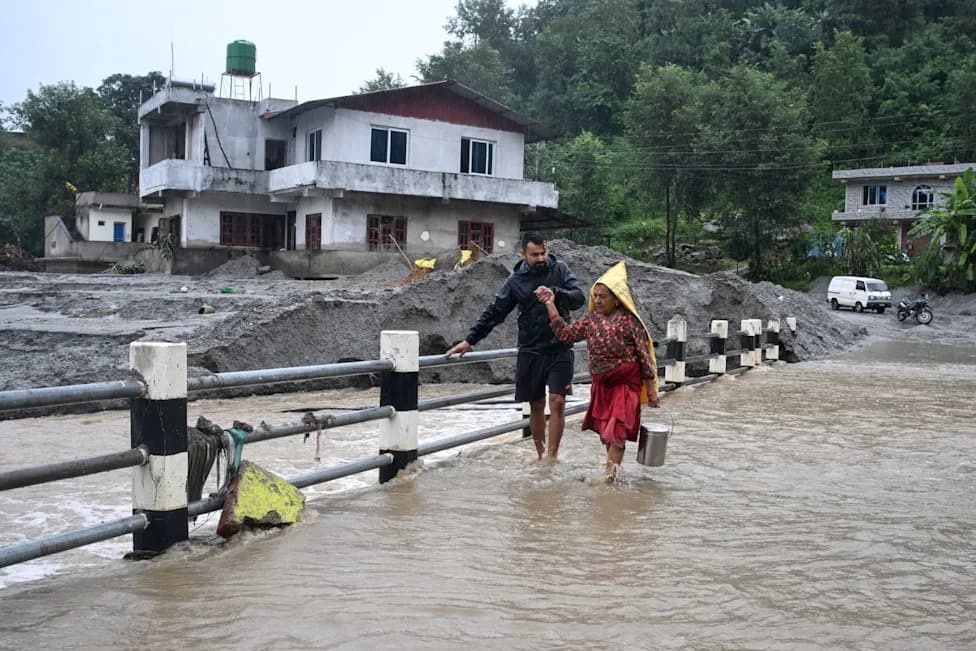
New analysis of EPA monitoring records finds the herbicide atrazine contaminates nearly a quarter of continental US river miles — roughly 860,000 miles — at concentrations that can harm wildlife and may pose risks to people.
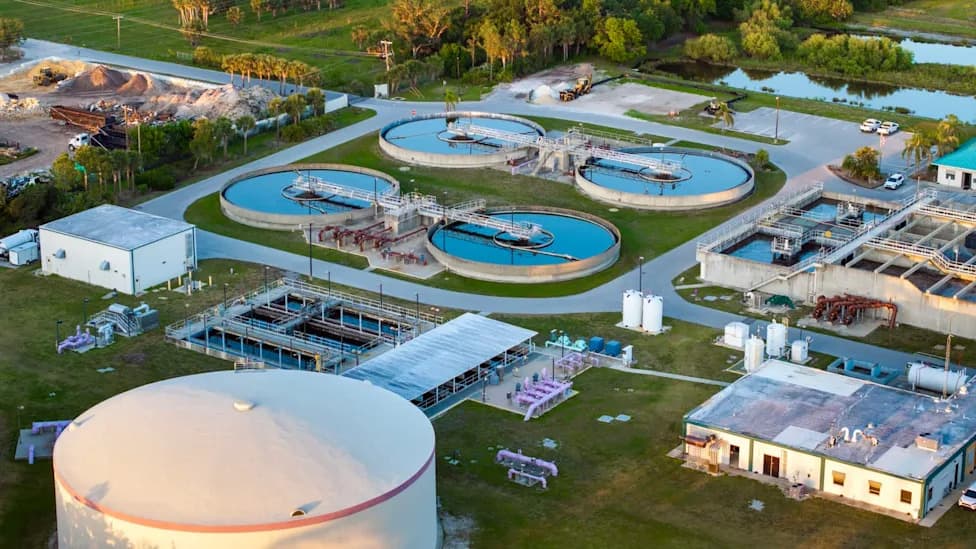
The review, compiled by the Center For Biological Diversity, shows affected waterways supply more than 20% of surface drinking-water intakes nationwide and connect to over 675,000 private and commercial wells. The report represents the first comprehensive analysis of the Environmental Protection Agency's atrazine monitoring records and exposes the full geographic scale of contamination.
Health and Ecological Risks
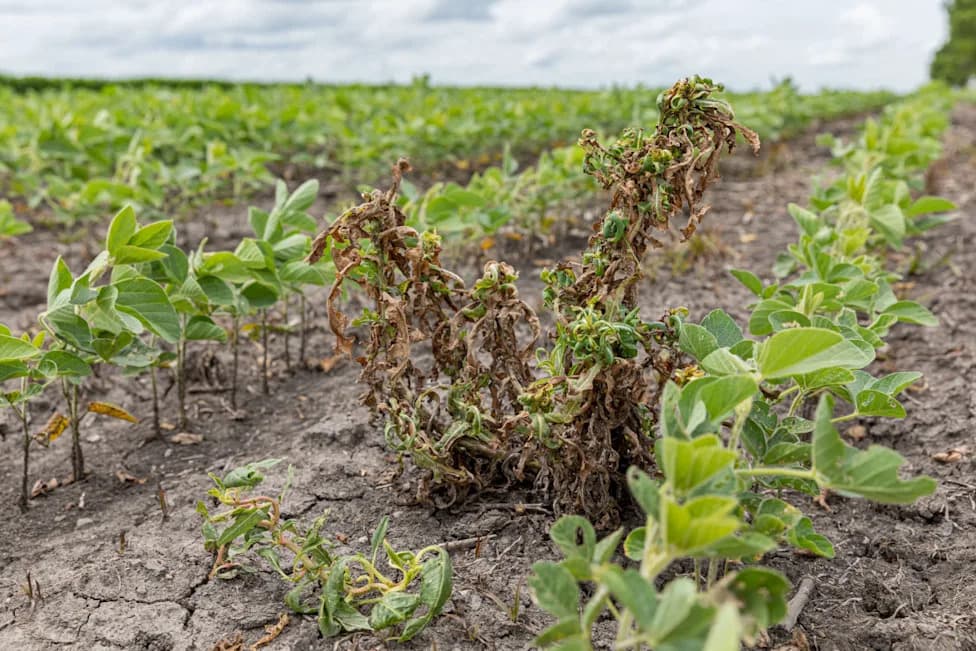
Atrazine is classified by the International Agency for Research on Cancer as a probable carcinogen and is widely described in scientific literature as an endocrine disruptor. Studies link low-level atrazine exposure to impaired fetal growth, preterm birth, birth defects and low birth weight, and to reproductive harms including altered sexual development, irregular menstrual cycles, reduced sperm counts and reduced fertility.
Laboratory and field research demonstrates adverse effects on amphibian reproductive organs at concentrations as low as 0.1 parts per billion (ppb). By comparison, the current U.S. allowable level for atrazine in drinking water is 3 ppb — 30 times higher than levels shown to affect frogs.
“The problem is vast,” said Nathan Donley, co-author of the report and the Center’s environmental health science director, criticizing decades of regulatory inaction.
Where Contamination Is Worst
The analysis identifies five regional hot spots: the Chesapeake Bay watershed, the Midwest corn belt, Florida’s Lake Okeechobee, the lower Mississippi River, and the Texas Gulf Coast. In the Midwest — including Kansas, Nebraska, Iowa, Missouri, Illinois, Indiana and Ohio — EPA records indicate more than two-thirds of river miles are contaminated; roughly half of the region’s wells and 68% of drinking-water treatment plant intakes are in affected watersheds. The report notes many sites on the lower Mississippi show concentrations more than five times the levels the EPA identifies as harmful to aquatic ecosystems.
“It is no surprise that the pollution is so widespread,” said Tyrone Hayes, a UC Berkeley researcher who first documented atrazine’s effects on amphibian reproduction, noting the chemical’s ability to travel long distances in rainfall.
Usage, Regulation, And Legal Action
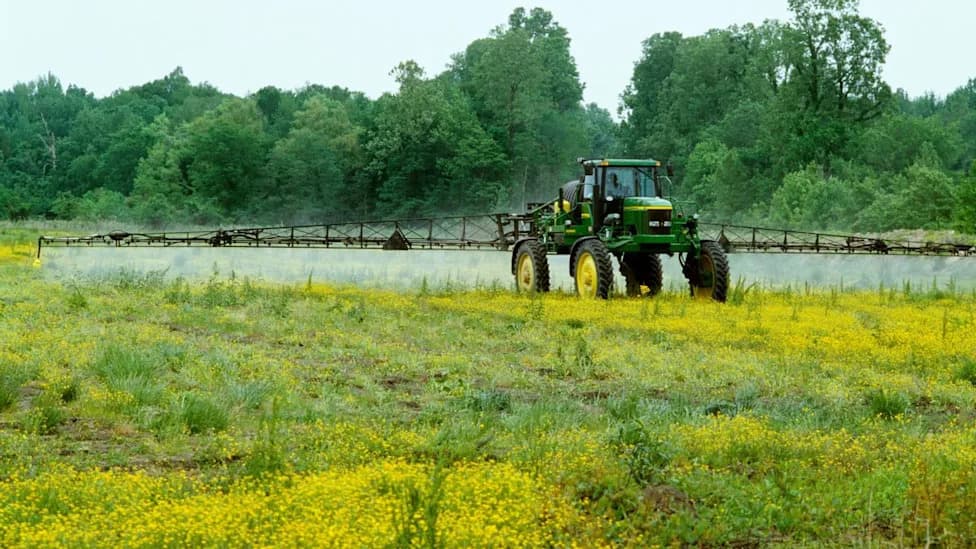
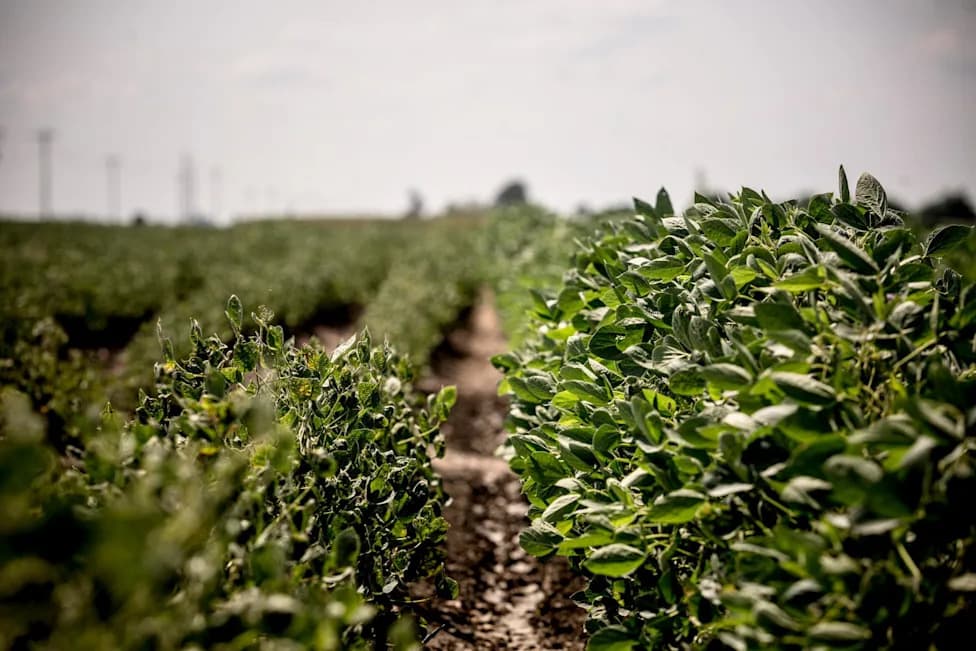
Atrazine is primarily applied to commodity crops such as corn, sugarcane and sorghum. More than 60 countries, including the European Union, have effectively banned atrazine since 2003. In the United States it remains among the most widely used pesticides, with about 70 million pounds applied to cropland annually; industry analysts estimate U.S. atrazine sales of $2–3 billion in 2025.
The Center For Biological Diversity and allied public-health groups have sued to overturn the EPA’s approval of atrazine. The EPA announced in 2020 it would develop a plan to address atrazine pollution; the Center reviewed a 2024 draft it called inadequate and expects litigation to resume after a final plan is issued.
The EPA and Syngenta, the chemical’s leading manufacturer, did not immediately respond to requests for comment on the new analysis.
What Advocates Want
Advocates call for a U.S. ban comparable to actions taken in more than 60 other countries. The report’s authors argue that continued widespread use risks human and wildlife health, especially for developing children and sensitive species, for decades to come unless regulators act.
Help us improve.