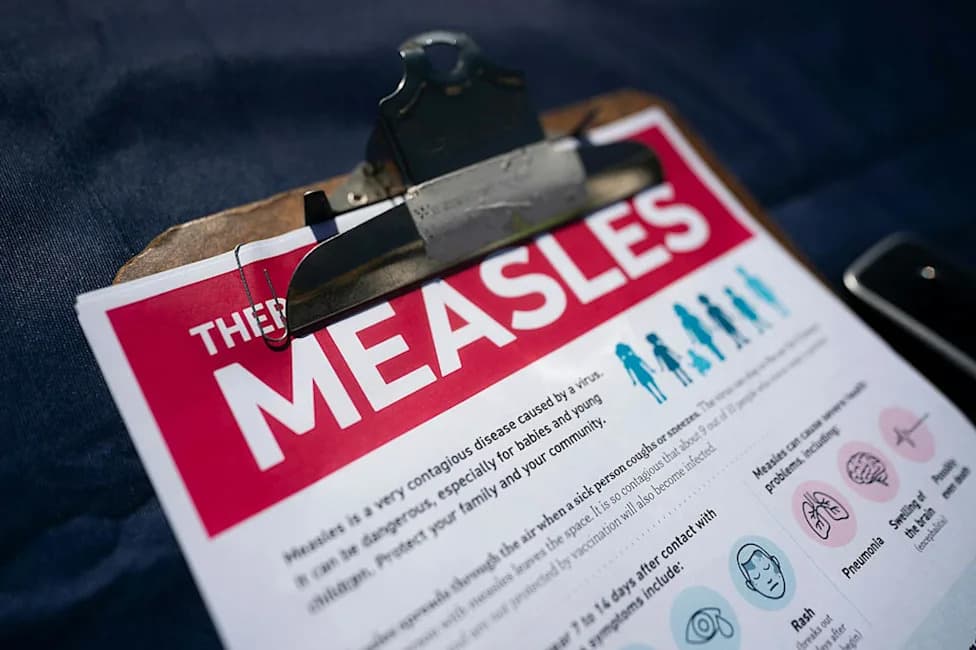
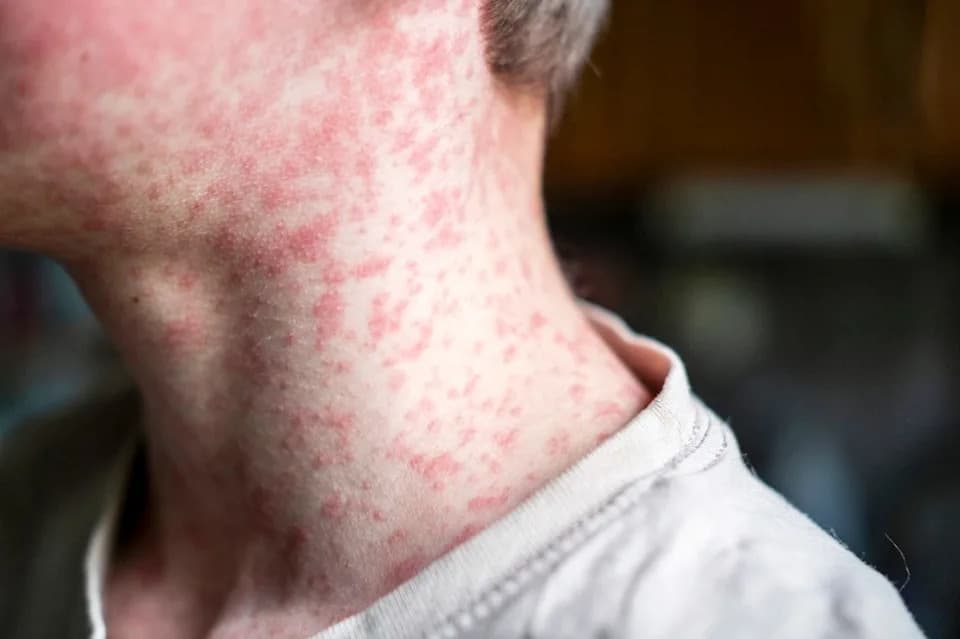
Pennsylvania has become the worst U.S. measles outbreak in 35 years, with at least 890 confirmed cases across 39 counties, 173 hospitalizations and four known deaths in 2026. The CDC recently acknowledged a measles death after initially questioning state reports and delaying data updates. The outbreak is concentrated in largely unvaccinated communities—only four cases were in fully vaccinated people—and public-health experts call for increased MMR vaccination to stop further spread.
Pennsylvania Has the Worst U.S. Measles Outbreak in 35 Years — Cases Still Rising
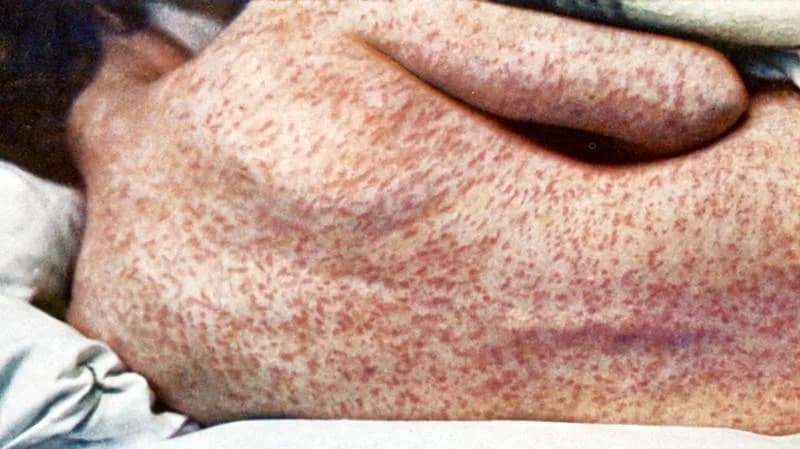
The federal government's official tally added a grim milestone this week: the CDC has for the first time acknowledged that a U.S. resident died of measles in 2026. That admission follows broader evidence that at least four U.S. residents have died from the highly contagious disease this year, even though the CDC, under new director Dr. Erica Schwartz, initially questioned whether some state-reported deaths in Pennsylvania were directly attributable to measles.
State health officials in Pennsylvania reported measles-related fatalities in late August; the CDC initially raised questions about whether those deaths were caused by measles or occurred in people who also had measles. Critics say this mirrors an earlier pattern of distinguishing deaths "with" versus "due to" an infection, a distinction that public-health experts argue can understate the toll of an outbreak. The CDC's hesitancy also coincided with a brief delay in updating national measles data, according to reporting and public-health sources.
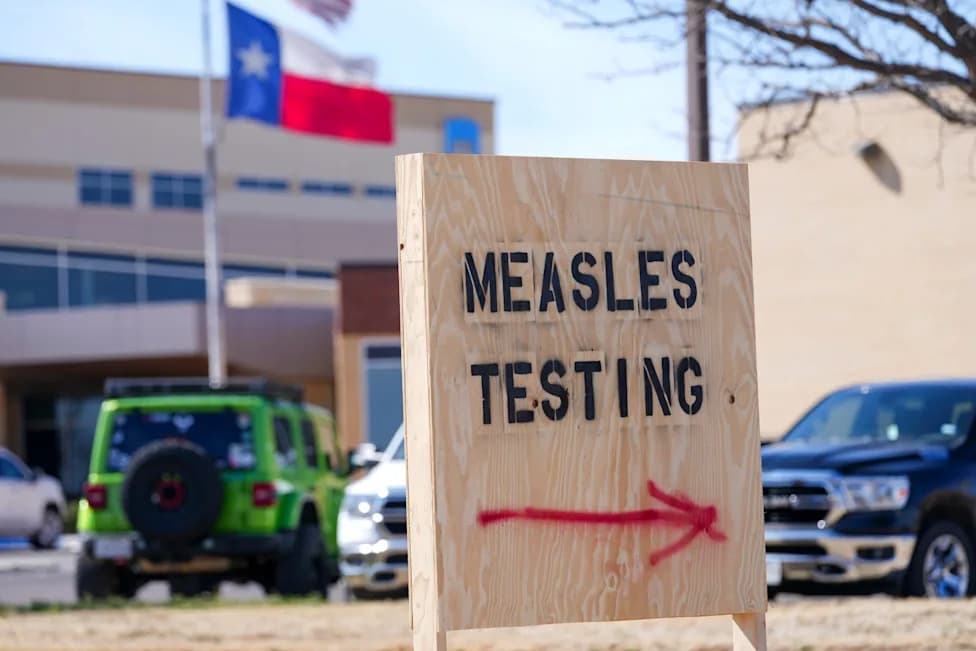
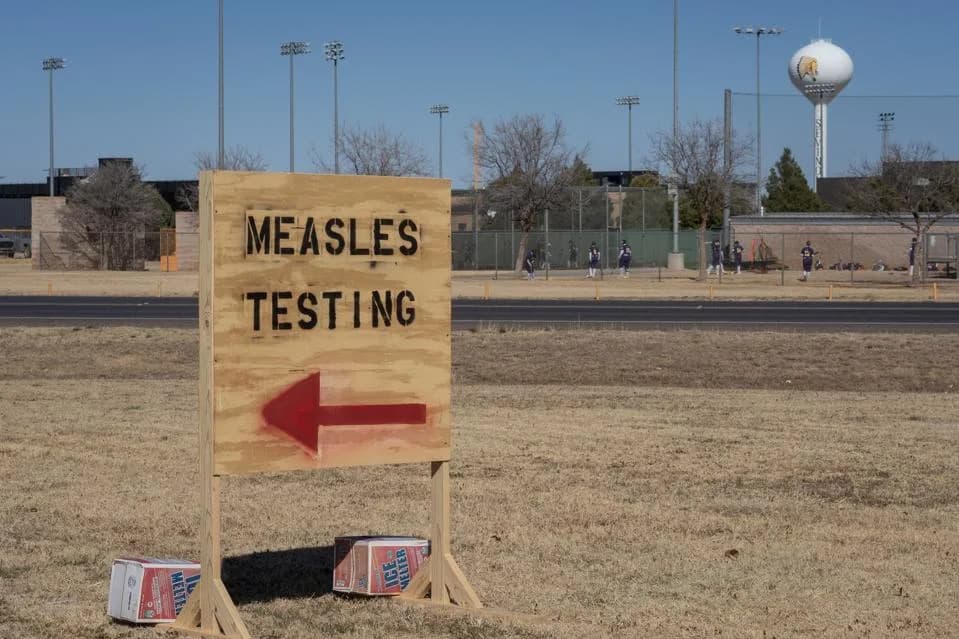
Pennsylvania has emerged as the nation's most severe measles hotspot in more than three decades, surpassing last year's total in Texas. The state has reported at least 890 confirmed cases across 39 counties, 173 hospitalizations, and four known deaths linked to the outbreak. The state added 55 new cases since Wednesday, indicating the outbreak is still expanding.
Public-health officials warn these figures are likely undercounts. The outbreak has been concentrated in rural Amish and Mennonite communities, where members may be less likely to seek modern medical care and therefore may not appear in official case records. Health officials have also reported infants born already infected with measles.
Vaccination Status and What It Means
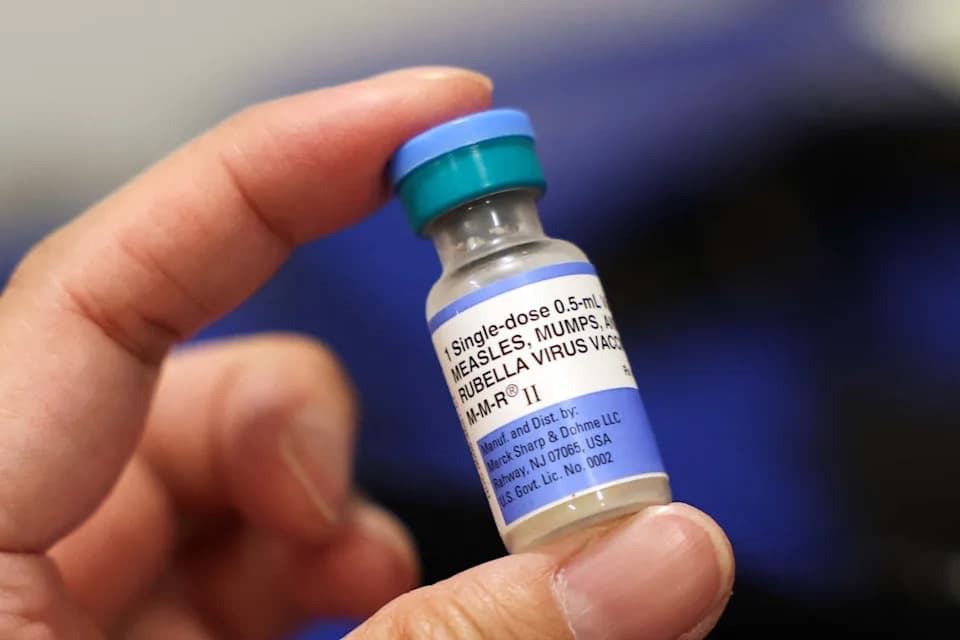
Vaccination data make the outbreak's cause starkly clear: of the 890 documented Pennsylvania cases in 2026, only four occurred in people who were fully vaccinated with the MMR vaccine. According to CDC data, the remaining 886 cases were in unvaccinated people, many of whom were otherwise healthy adults aged 18 to 49. That pattern has led public-health experts to describe this wave as largely preventable.
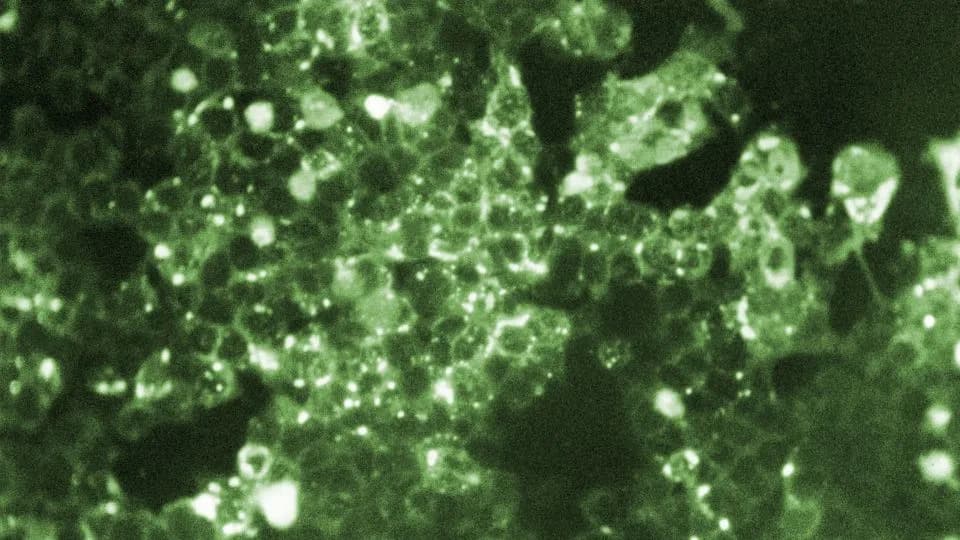
"Measles is a nasty virus and highly, highly contagious — the most contagious virus we know — and it's so sad that it continues to occur and afflict even a single child in the United States because it's a completely preventable disease," said Dr. William Schaffner, professor of preventive medicine at Vanderbilt University Medical Center, in an interview with ABC News.
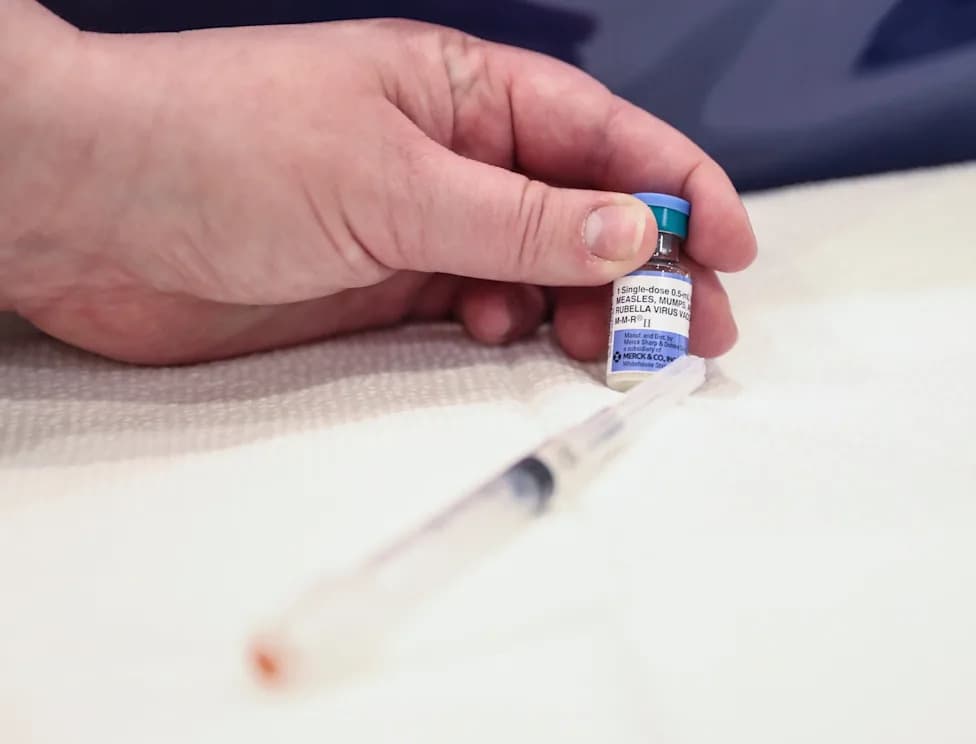
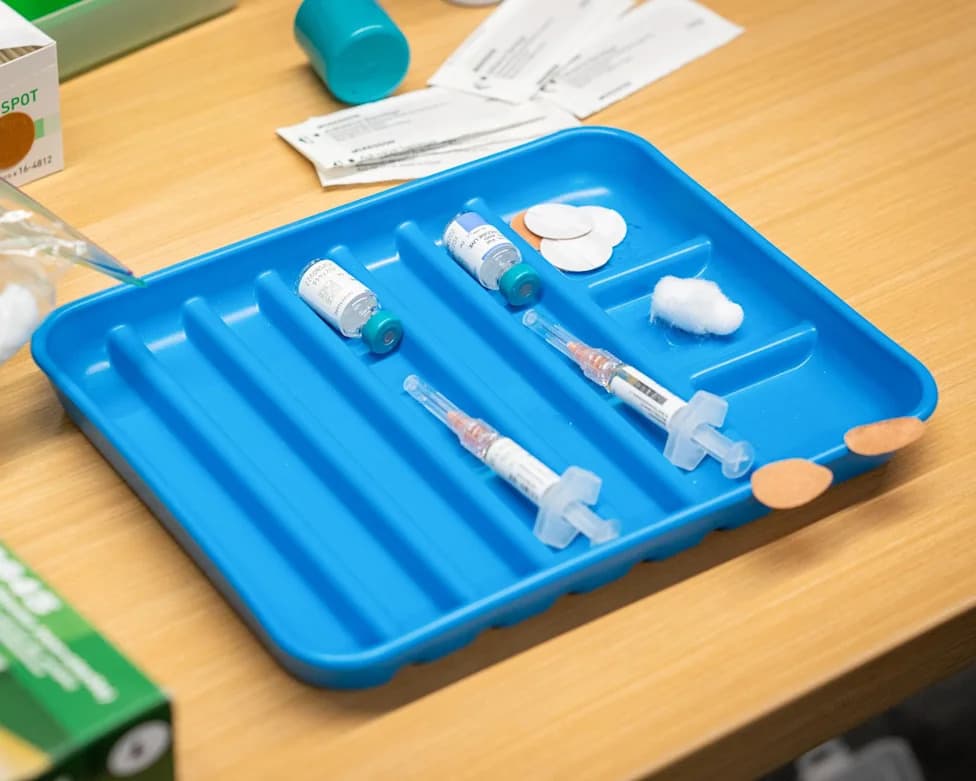
Measles was effectively driven out of routine circulation in the U.S. after high MMR uptake in the late 1990s and early 2000s. Declines in vaccination coverage have allowed the virus to re-establish, producing outbreaks concentrated in communities with low vaccine uptake. Public-health authorities emphasize that the remedy is clear: increase uptake of the safe, effective MMR vaccine that previously controlled and nearly eliminated measles in the U.S.
As the outbreak grows and debate continues over official reporting conventions, the personal decision to vaccinate remains consequential for individuals and communities. Public-health agencies continue to monitor the situation, urge immunization, and work with local partners to identify and respond to cases.
Help us improve.