Asylum protections in the United States have been steadily undermined by legal changes, administrative practices and shifting geopolitical incentives. Approval rates fell to under 20 percent by 2025 while a backlog surpassed three million cases, producing multi-year waits. Laws and programs from IIRIRA and the REAL ID Act to SBP, Remain in Mexico, CBP One, metering and the third-country bar have narrowed access, often privileging applicants from certain countries. The result: many displaced people are funneled into precarious, undocumented labor rather than lawful refuge.
Who Killed Asylum? The Slow Dismantling of America’s Right to Refuge
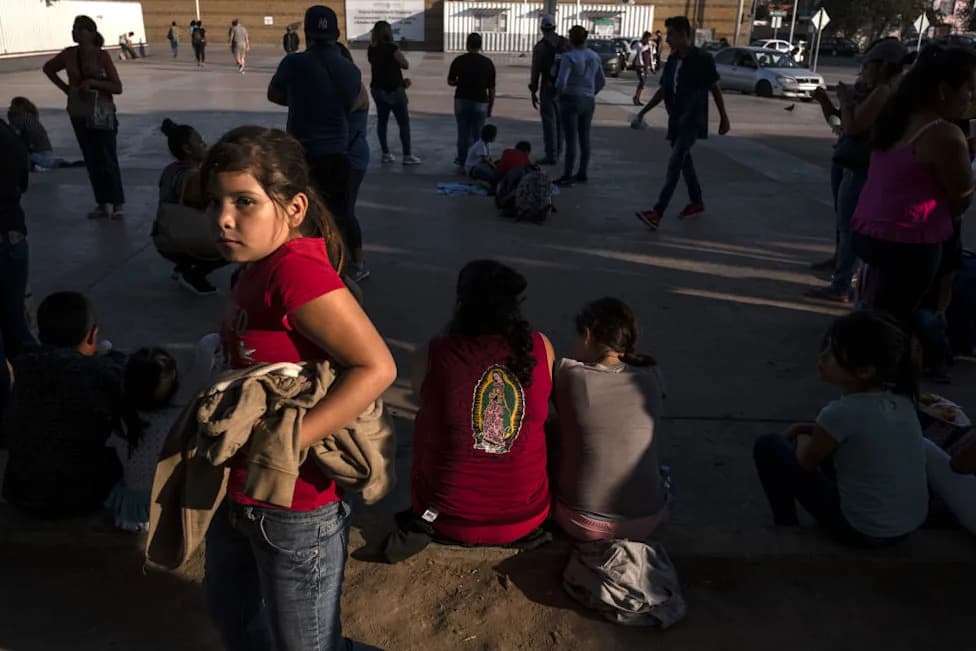
The US asylum system has heavily favored applicants from communist countries while systematically rejecting those fleeing US-backed violence. With the demise of the communist threat, the government has all but completely dismantled it. (Guillermo Arias / AFP via Getty Images)
Asylum, once a pillar of international human-rights practice, has been substantially weakened in the United States. For millions of displaced and vulnerable people, protections that historically allowed someone fleeing persecution to seek refuge have been hollowed out by legal changes, administrative practices and shifting geopolitical incentives.
How The System Collapsed
Plummeting Approval Rates and Growing Backlogs. By 2025 fewer than 20 percent of asylum applicants were granted protection, down from a 55.5 percent approval rate in 2012. At the same time the active backlog of immigration cases surpassed three million, forcing many asylum-seekers to wait five years or longer for a hearing. In 2012 there were roughly 300,000 pending cases and typical waits of about 18 months.
Indefinite Limbo. Lengthy delays have compounded other harms: many applicants are barred from working legally or traveling while their claims are pending, effectively putting lives on hold. Recent administrative moves to restrict the right to remain inside the country while pursuing claims, if fully implemented, would further curtail practical access to asylum.
Historical And Political Drivers
The modern refugee regime began after World War II with the 1951 Refugee Convention, a response to the failures that left Jewish refugees stranded during the Holocaust. Yet Cold War geopolitics shaped how states applied those principles. The Soviet Union declined to sign the convention, calling it a Western instrument; the United States, meanwhile, favored refugees fleeing communist regimes throughout much of the Cold War.
Between 1951 and 1979 the U.S. admitted large numbers of refugees from anti-communist migrations — Cuban, Indochinese and Eastern European arrivals among them. The Refugee Act of 1980 then established the individualized, legally grounded asylum process familiar today, protecting anyone who can show persecution or a well-founded fear of persecution based on race, religion, nationality, membership in a particular social group, or political opinion.
Even after 1980, decisions often reflected geopolitical preferences: during the 1980s applicants from communist countries enjoyed much higher approval rates than many people fleeing U.S.-backed violence in Central America.
The Legal Erosion Since The 1990s
Since the 1990s, a sequence of laws, administrative programs and judicial rulings narrowed access to asylum.
- IIRIRA (1996). Introduced an artificial one-year filing deadline for asylum claims, limiting the previously open-ended right to apply.
- REAL ID Act (2005). Raised evidentiary standards by requiring more concrete documentary proof of persecution — often impractical for people fleeing violence.
- Credible-Fear Narrowing. Administrations have tightened what counts as a "credible fear" of persecution. Notably, determinations excluding gang-related violence affected large numbers of Central American applicants.
- Programs To Keep Migrants Out Of U.S. Territory. Initiatives such as the Southern Border Program (SBP), Remain in Mexico (Migrant Protection Protocols), and digital queuing (CBP One) have required migrants to wait or apply from outside the United States, effectively denying many the chance to access asylum adjudication.
- Third-Country Bar And Metering. Rules that require migrants to seek protection in countries they transit through — paired with metering at ports of entry that limits daily entries — have further constrained access and concentrated people in precarious conditions on the Mexican side of the border.
Recent Developments
Administrations across the political spectrum have used different tools to limit asylum. Under Presidents from Clinton through Biden and Trump, policies cumulatively reduced routes to protection rather than eliminating asylum outright. Notable trends include the institutionalization of digital appointment systems (CBP One), the expansion of "remain abroad" policies, and judicial endorsements of restrictive metering practices.
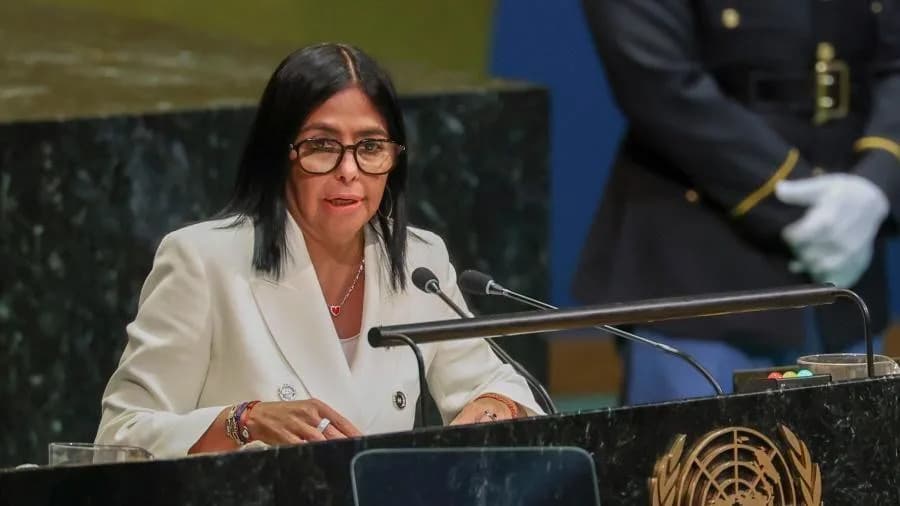
Policy outcomes have been uneven by nationality. In 2025 reported approval rates favored applicants from some countries: roughly 72 percent for Venezuelans and about 58 percent for Chinese applicants, compared with approximately 18 percent for applicants from India, illustrating continuing geopolitical and evidentiary disparities.
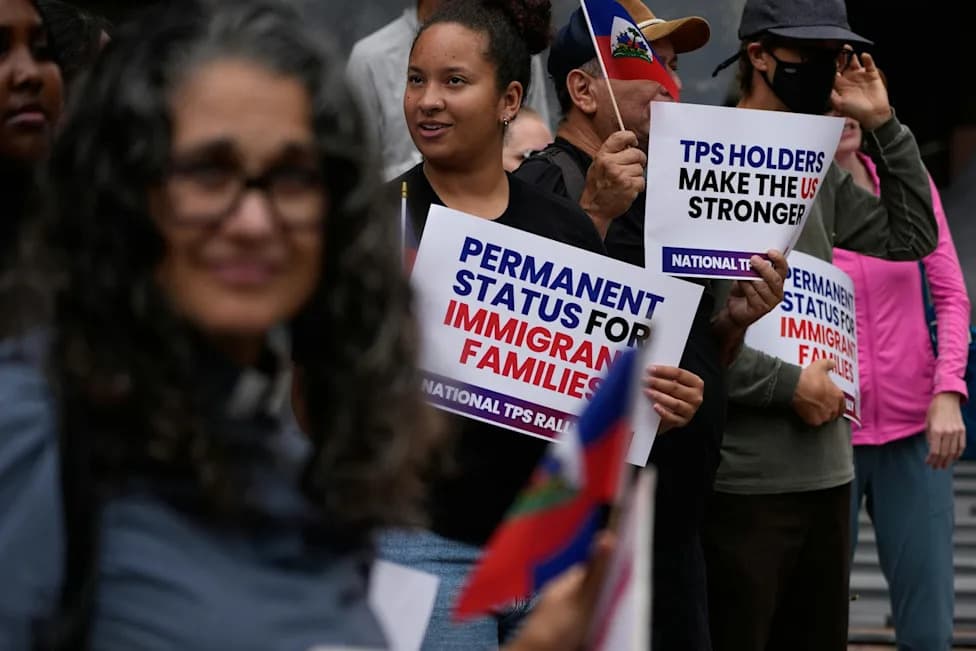
Temporary Protected Status (TPS). Established in 1990 to provide short-term relief for people from countries facing environmental disaster, armed conflict or other temporary crises, TPS has been applied selectively. Recent revocations and terminations — including announcements affecting Haiti and other countries — put hundreds of thousands at risk of detention or deportation.
Winners, Losers And The Broader Consequences
The combined effect of these policies is to funnel many displaced people into undocumented work or prolonged precariousness rather than into lawful, stable forms of protection. Where asylum was once a moral and legal commitment, it has been reshaped by foreign-policy priorities, domestic politics and administrative practice.
Asylum has not died overnight; it has been systematically weakened. The consequence is a global humanitarian emergency in which people displaced by conflict, repression and climate change face shrinking legal avenues to safety.
What To Watch
Key indicators to monitor include asylum approval rates by nationality, the size and age of court backlogs, enforcement of metering and third-country rules, CBP One or similar digital systems, and TPS designations or terminations. Policies that limit work authorization or residence while claims are pending will remain central to the practical availability of asylum.
Note: This article synthesizes reported developments, policy changes and statistical claims through 2025. Some assertions reflect contested political interpretations and have been framed accordingly.
Help us improve.