On Sept. 24 Finnish F/A-18s and Swedish JAS 39s conducted their first joint scramble to intercept a formation of Russian supersonic aircraft over the Gulf of Finland, underscoring deeper Nordic defence cooperation. The Russian group reportedly included a Tu-134, MiG-31 interceptors and Su-30 fighters. The intercept followed a string of airspace incidents along NATO's eastern flank and came as President Vladimir Putin dismissed European warnings and mocked Estonia's defence minister. NATO and European intelligence officials say tensions and probes of alliance defences have increased, prompting stepped-up readiness and resilience efforts.
Finnish and Swedish Jets Jointly Intercept Supersonic Russian Aircraft Over Gulf of Finland as Putin Dismisses Baltic Warnings
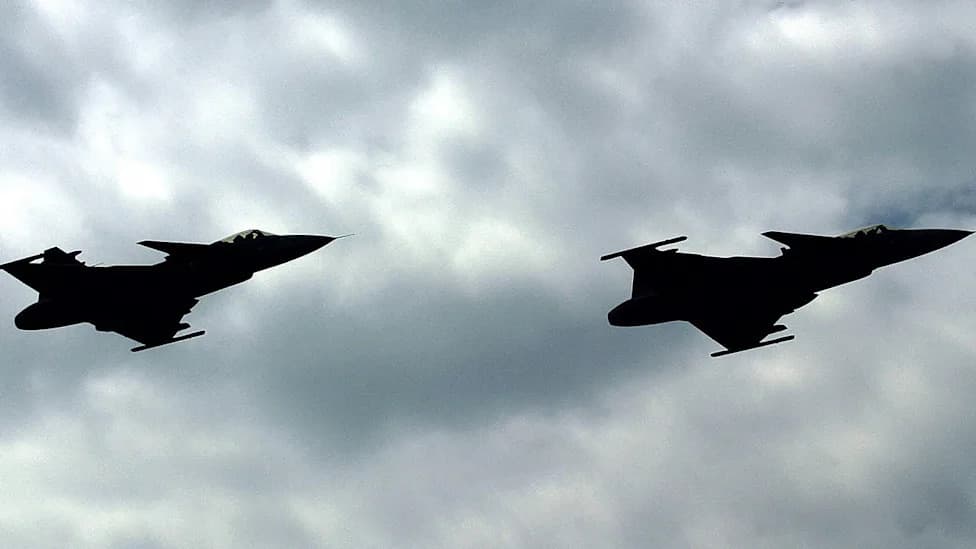
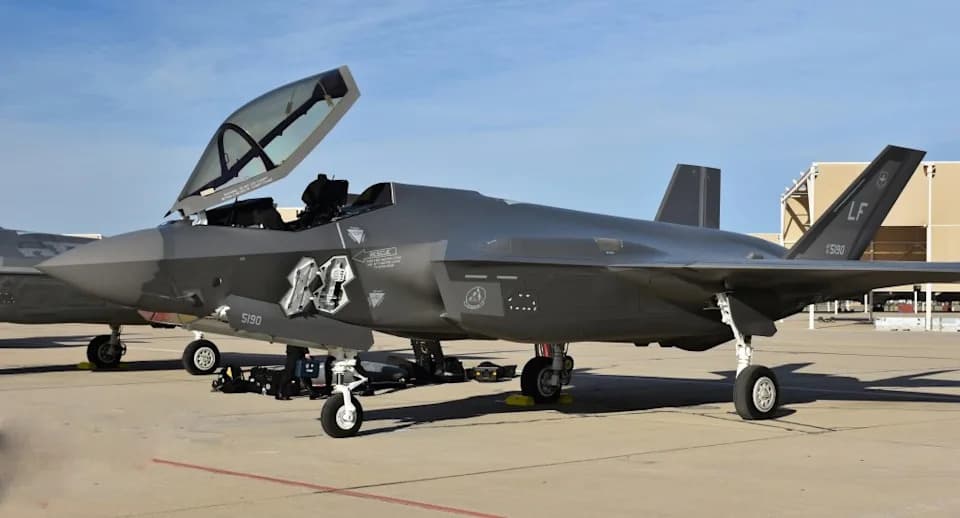
Swedish Jan-39 Gripen jet fighters
On Sept. 24, Finnish F/A-18 Hornets and Swedish JAS 39 Gripens carried out their first joint scramble to intercept a formation of supersonic Russian military aircraft transiting international airspace over the Gulf of Finland, officials said. The operation marked a tangible step in Nordic defence cooperation amid growing tensions with Moscow.
Intercept Details
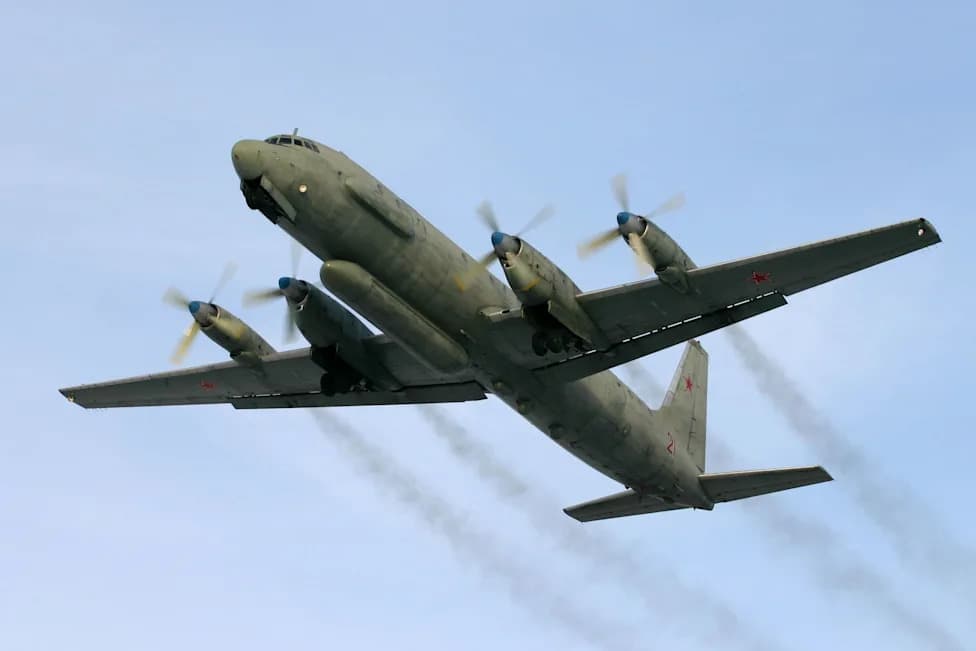
The Swedish Armed Forces reported the Russian formation included a Tu-134 transport, MiG-31 high-altitude interceptors built to detect and engage long-range targets at supersonic speeds, and Su-30 multirole fighters capable of air-to-air and air-to-ground missions. Finnish and Swedish fighters were scrambled after the aircraft were detected in international airspace, and the mission proceeded without reported incident.
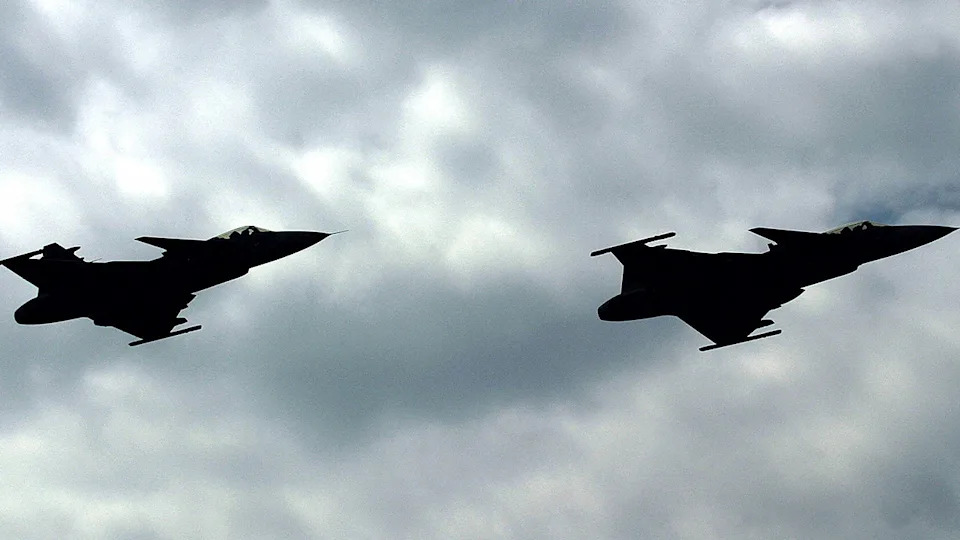
Finnish and Swedish fighter jets scrambled for the first time on Sept. 24 to intercept supersonic Russian military aircraft flying over the Gulf of Finland.
Allied Coordination and Reaction
Maj. Gen. Jonas Wikman, commander of the Swedish Air Force, described the sortie as "what close cooperation looks like in practice," saying years of trust and strong personal ties now allow the two air forces to operate seamlessly together as allies. The joint response was presented as a demonstration of readiness and interoperability in Nordic defence arrangements.
“Built over years on trust and strong personal relationships, we can now operate seamlessly together — as air forces, as nations and as Allies,” Maj. Gen. Wikman said.
Regional Context and Rising Incidents
The intercept came amid a broader pattern of incidents along NATO's eastern flank: Russian drones have entered Polish airspace, an Mi-8 helicopter crossed from Kaliningrad into Poland, unmanned aircraft have crashed in Romania and Moldova, and armed Russian jets entered Estonian airspace on Sept. 18 before being intercepted by NATO aircraft. Western officials and intelligence services say such episodes have increased since Russia's 2022 invasion of Ukraine.
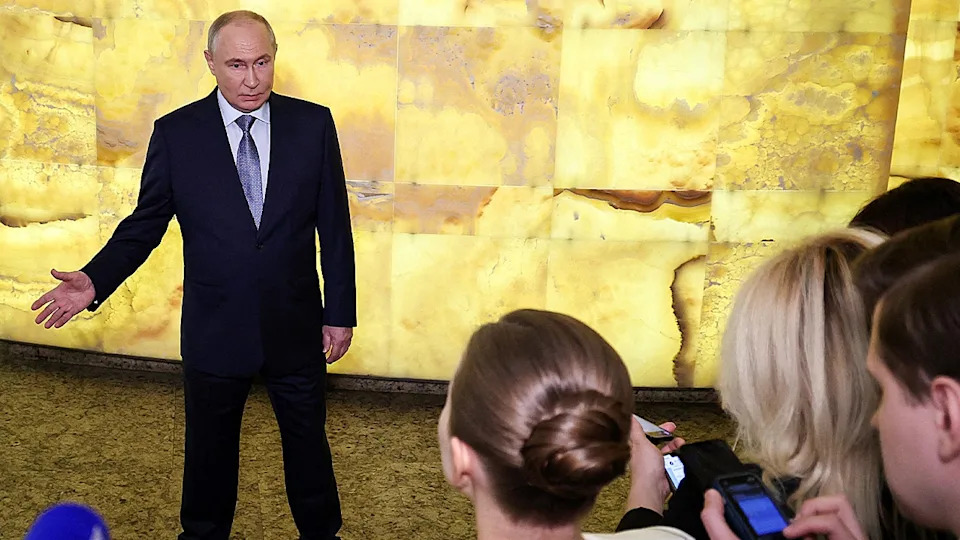
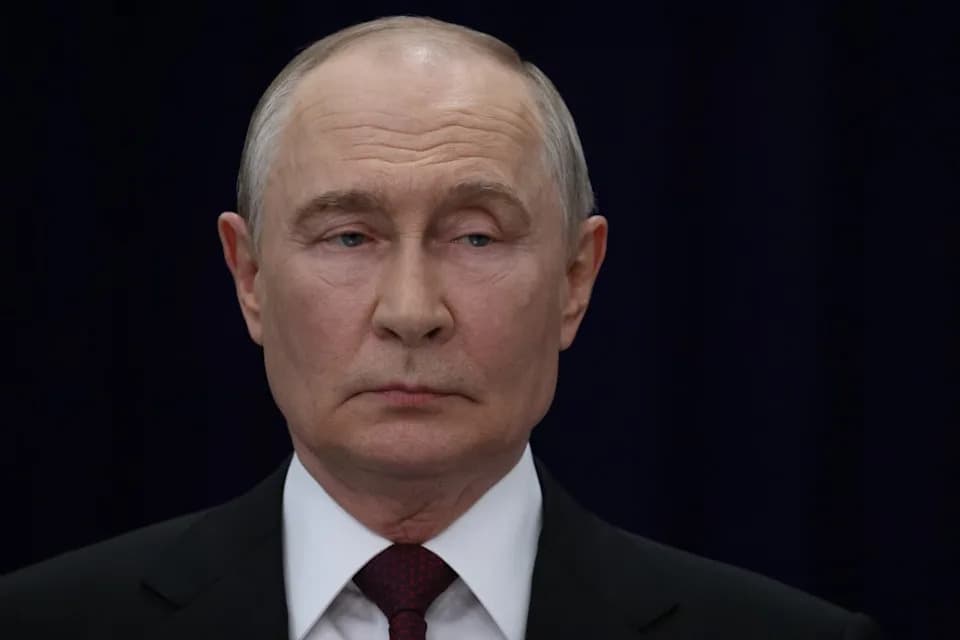
Putin spoke at the St. Petersburg International United Cultures Forum and downplayed comments made by Estonian Defense Minister Martin Herem, who warned that Russia could be capable of using military force against Estonia.
Political Reactions
A day earlier, Russian President Vladimir Putin spoke at the St. Petersburg International United Cultures Forum and pushed back against warnings from European leaders. He said Russia is not preparing military action against Europe and rejected suggestions that Moscow intends to escalate tensions.
Putin also mocked comments by Estonia's defence minister, Martin Herem, who recently warned that Russia could be capable of using force against Estonia within a year. According to reporting, Putin quipped, 'The circus has left, but the clowns remain,' calling the statements 'political clowning' and 'absurd.' Estonian leaders have warned Tallinn should assess whether its defences are sufficient and have said the government stands ready to close border crossings if threat assessments change.
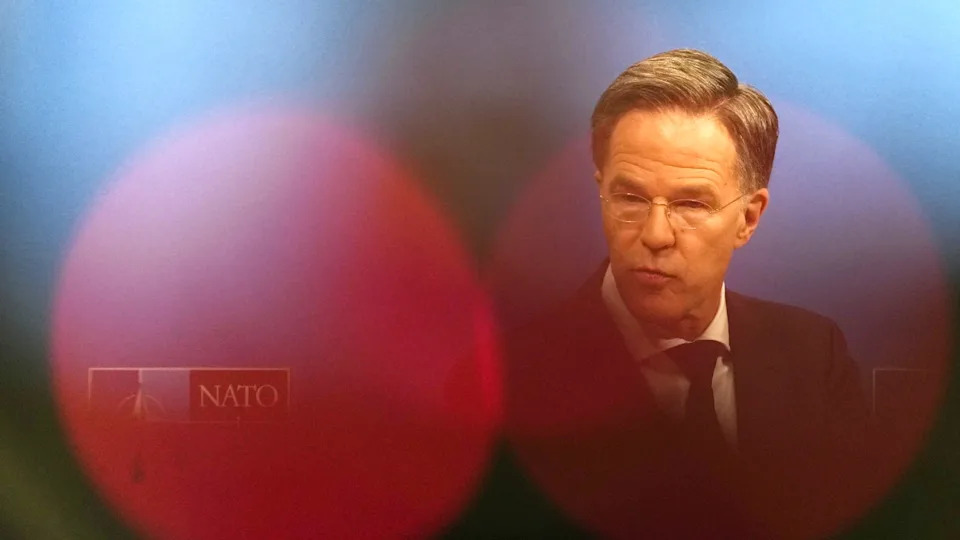
NATO Secretary General Mark Rutte speaks during the launch of the NATO Secretary General's Annual Report for 2025 at NATO headquarters in Brussels, Thursday, March 26, 2026.
NATO Responses and Assessments
NATO has reiterated that its military posture along the eastern flank is defensive and that any attack on a member would prompt a resolute response. NATO leaders say they are strengthening protection in cyber and space domains and helping eastern members build resilience against what the alliance describes as hostile Russian actions, including cyberattacks, sabotage and airspace violations.
European intelligence assessments on Sept. 24 warned Russia may probe NATO defences. Denmark's Defence Intelligence Service characterized the risk of a limited Russian military attack against a NATO country in the coming months as 'low but growing,' while noting that a full-scale invasion of a NATO member remains highly unlikely but cannot be entirely ruled out.
Geography And Membership
Geography underscores the sensitivity of the region: Estonia sits across the Gulf of Finland from Finland, and the three countries now form part of NATO's increasingly integrated northern and eastern defences. Finland joined NATO in April 2023 and Sweden in March 2024; Estonia has been a member since 2004.
The Baltic Sea region has remained on elevated alert since 2022 amid reports of sabotage, threats to infrastructure and hybrid operations. The Sept. 24 joint scramble by Finland and Sweden is likely to be seen in the region as both a defensive measure and a signal of greater Nordic cooperation within NATO.
Help us improve.