The study compiles an inventory of 920 chemicals linked to increased breast cancer risk that are widespread in U.S. products and environments. Using EPA, FDA and other federal data, researchers documented high production volumes and large releases — including billions of pounds emitted to air in 2020. They mapped exposure pathways (506 chemicals in consumer products; 162 in drinking water) and flagged estrogenic and endocrine-disrupting chemicals as especially concerning. Authors urge regulators to prioritize drinking water contaminants and limit use of BC-Chems in common products.
Study: 920 Chemicals Linked to Breast Cancer Found Across Everyday Products — Researchers Urge Action
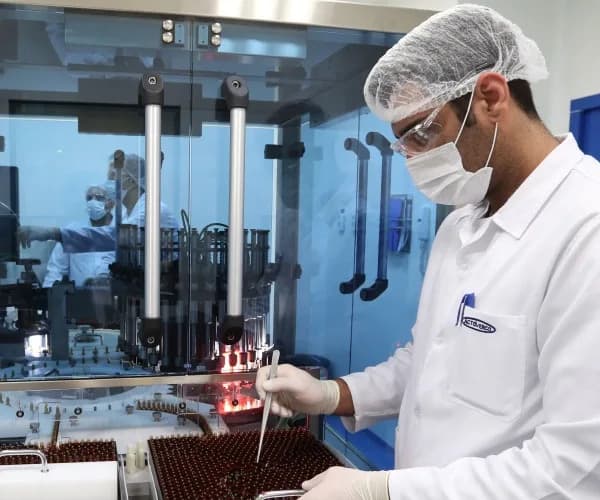
Pharmaceutical factory in Karaj, Iran, on February 18, 2020. (Photo by ATTA KENARE/AFP via Getty Images)
Researchers have identified 920 chemicals with biological properties associated with increased breast cancer risk that are widely present in consumer goods, food, drinking water and pharmaceuticals, a new analysis published in Environmental Health Perspectives reports. The study was led by Jennifer E. Kay, Rashmi Shakti, Jillian T. McEneaney, Claudia Polsky, Megan Schwarzman and Ruthann A. Rudel.
Using federal data sources — including databases from the Environmental Protection Agency (EPA), the Food and Drug Administration (FDA) and other agencies — the team compiled the first comprehensive inventory of so-called breast cancer–relevant chemicals (BC-Chems) across everyday products and environments in the United States.
“Exposure to these chemicals is ubiquitous,” the authors write, noting that BC-Chems appear in combustion products and industrial emissions as well as in consumer and building products, foods and drinking water, medicines and pesticides.
What the Study Found
The researchers documented widespread production and release of BC-Chems. Key production and release figures include:
- In 2019, 143 BC-Chems were produced at volumes exceeding 1 million pounds; 10 chemicals were manufactured in quantities surpassing 5 billion pounds.
- “Billions of pounds of BC-Chems were emitted to air in 2020,” and tens of millions of pounds were released to the environment through industrial activities in 2024, the study notes.
Exposure Pathways
The team mapped how people are likely to encounter these compounds in daily life and identified multiple exposure routes:
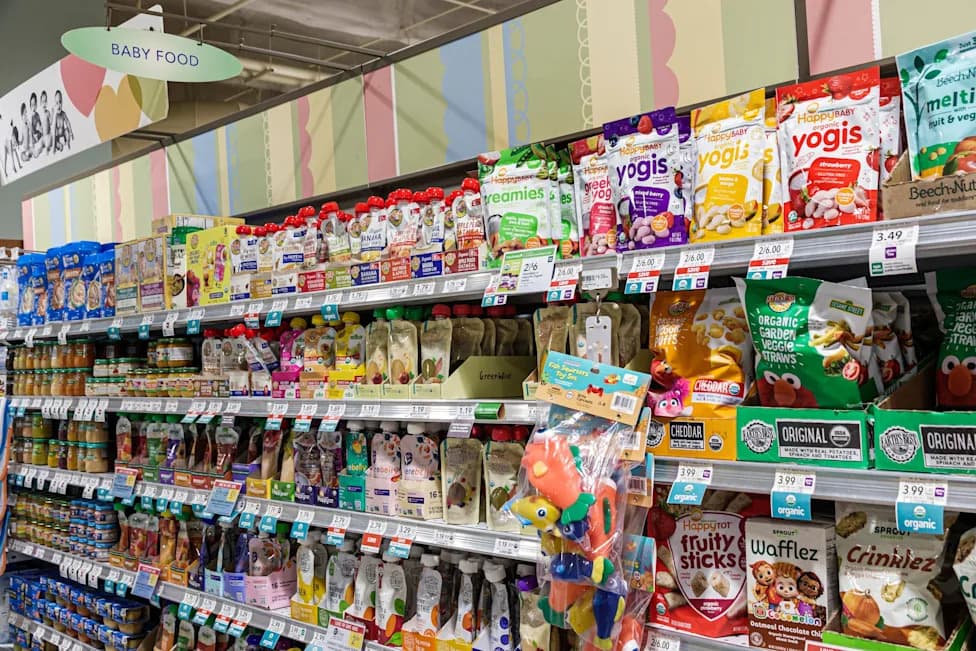
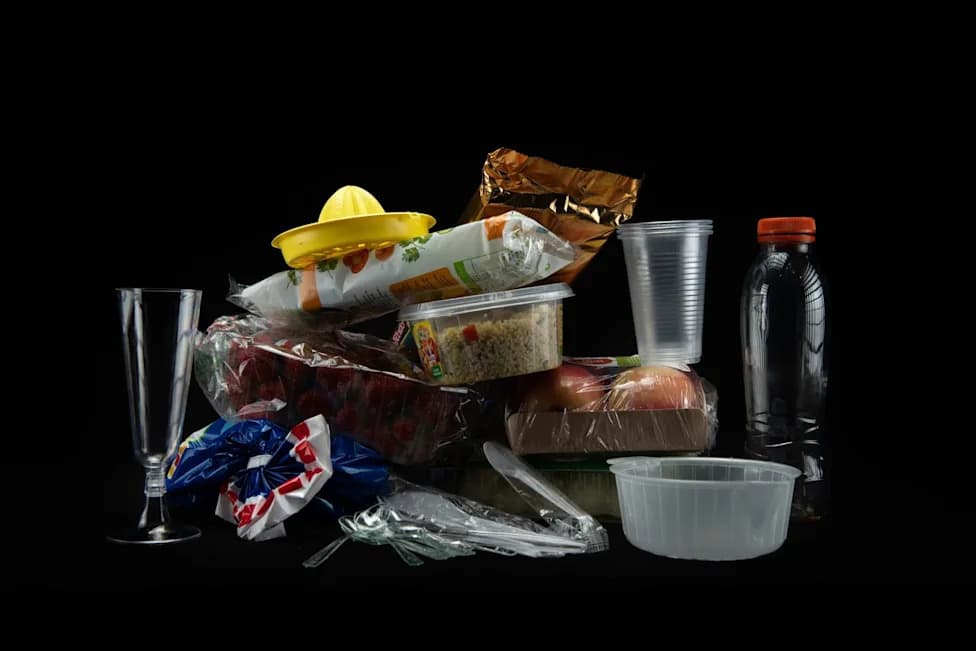
- 506 BC-Chems detected in consumer products (90 found exclusively in consumer goods)
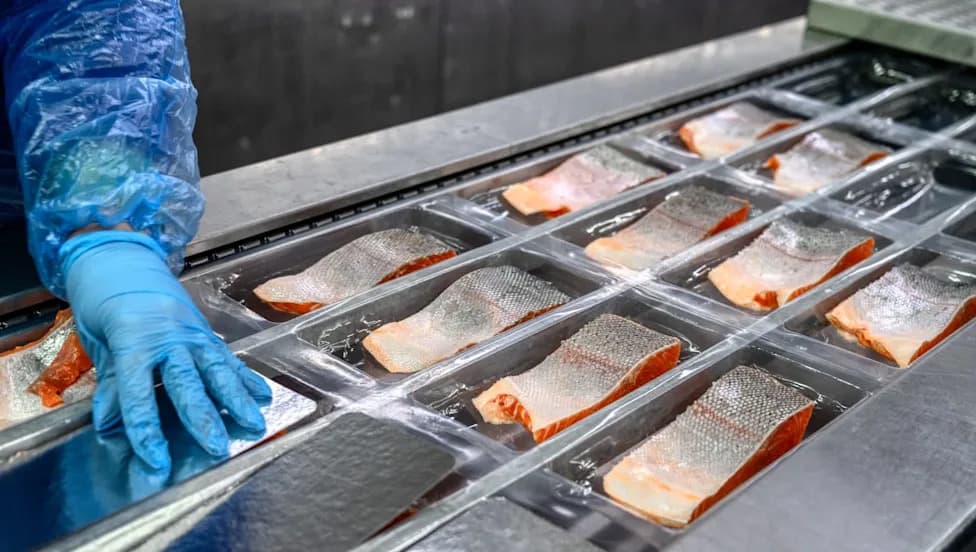
- 462 linked to dietary sources
- 142 present in pharmaceuticals
- 106 in construction materials
- 489 in pesticide formulations
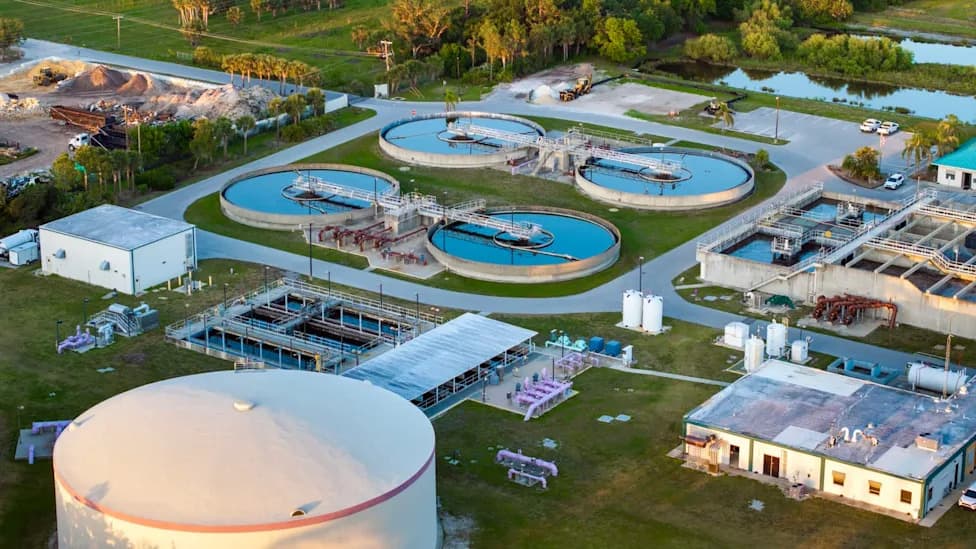
- 162 detected in drinking water
Overall, 652 BC-Chems had documented evidence of exposure in at least one category, and many chemicals appeared across multiple routes.
Chemicals Of Particular Concern
The study highlights chemicals with estrogenic activity or other endocrine-disrupting properties as especially concerning because they can influence breast cancer biology. The authors emphasize the need to prioritize such substances for further study and regulatory attention.
Implications And Recommendations
The researchers say the inventory provides quantitative evidence to help prioritize chemicals and mixtures for toxicological testing, exposure monitoring, risk assessment and interventions aimed at reducing harm. They recommend policymakers focus on reducing population-level exposure by:
- Strengthening regulation and monitoring of contaminants in drinking water
- Limiting or substituting BC-Chems in common consumer products
- Prioritizing chemicals with endocrine-disrupting activity for phase-out or tighter controls
The authors note the findings can help health agencies decide which chemicals should be prioritized for regulation or phase-out. Breast cancer incidence has risen substantially in recent decades, and environmental exposures are increasingly recognized as contributing to risk alongside established factors such as age, family history and hormone use.
Study source: Environmental Health Perspectives. Reporting based on the published analysis. Original reporting © 2026 Newsmax.
Help us improve.