Summary: The Trump administration's expanded "public charge" rule — effective September 18 — gives immigration officers broader authority to deny green cards and certain visas based on an applicant's or a household member's use of public benefits. Advocates warn the rule will create a chilling effect that may push eligible children, many of them U.S. citizens, to disenroll from Medicaid, CHIP, SNAP and WIC. Lawsuits from 21 states and D.C., plus research from KFF and Brookings, highlight significant potential harms to children's health, education and legal protections.
New 'Public Charge' Rule Takes Effect — Immigration Crackdown Threatens Millions of Children
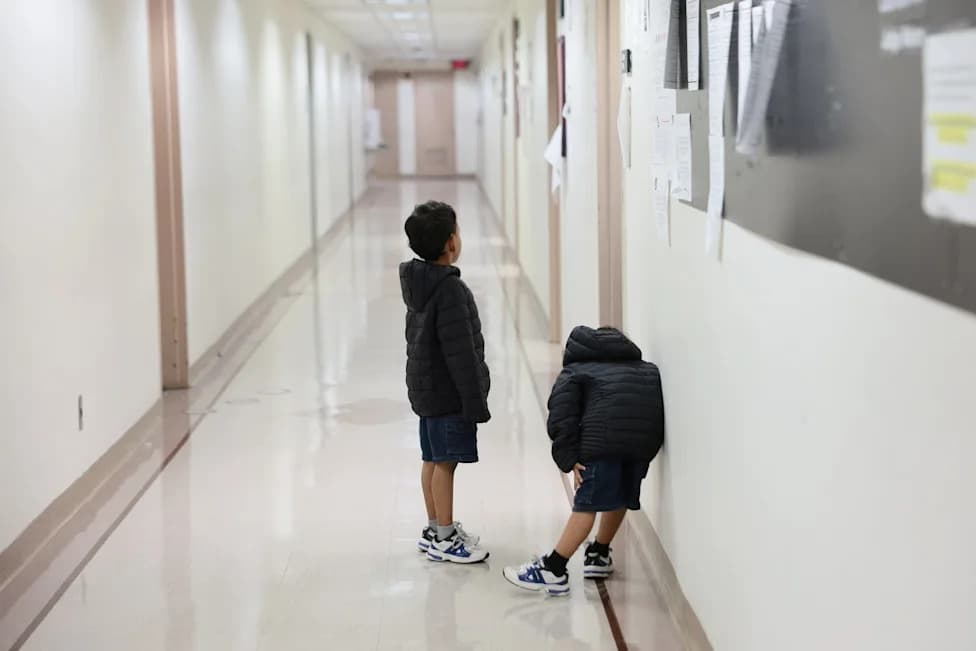
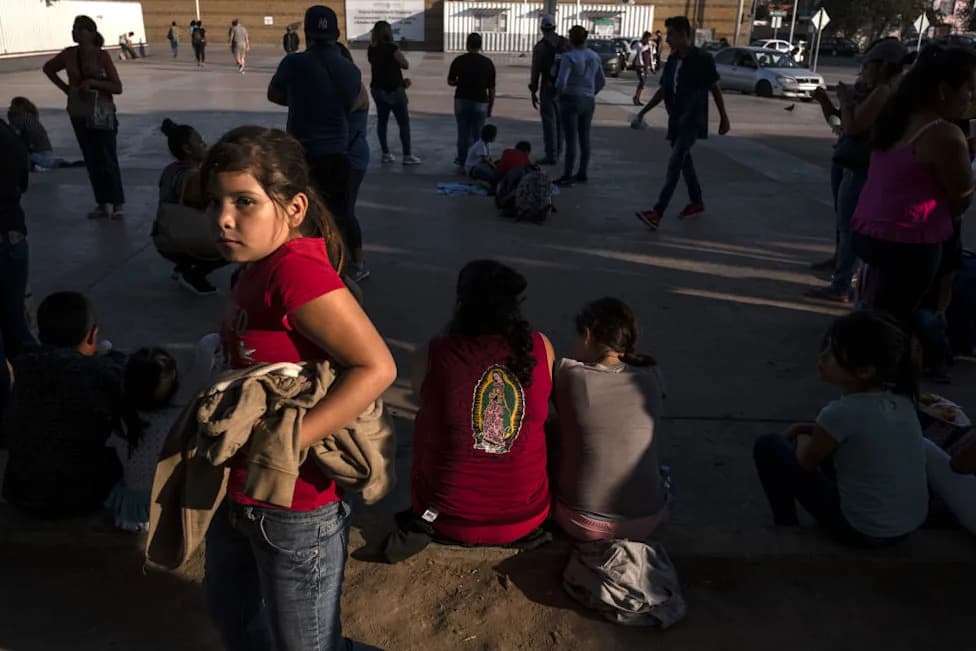
Children wait outside of an immigration court at the Jacob K. Javits Federal Building on July 31, 2026 in New York City.(Michael M. Santiago/Getty Images)
President Donald Trump's administration has reinstated a broadened "public charge" policy that gives immigration officers greater discretion to deny green cards and certain visas to applicants who have used, or whose family members have used, public benefits. The revised rule took effect on September 18 and has prompted a wave of lawsuits, warnings from health and child welfare experts, and concerns about a chilling effect that could push eligible children — including U.S. citizens — out of vital programs.
What The Rule Changes
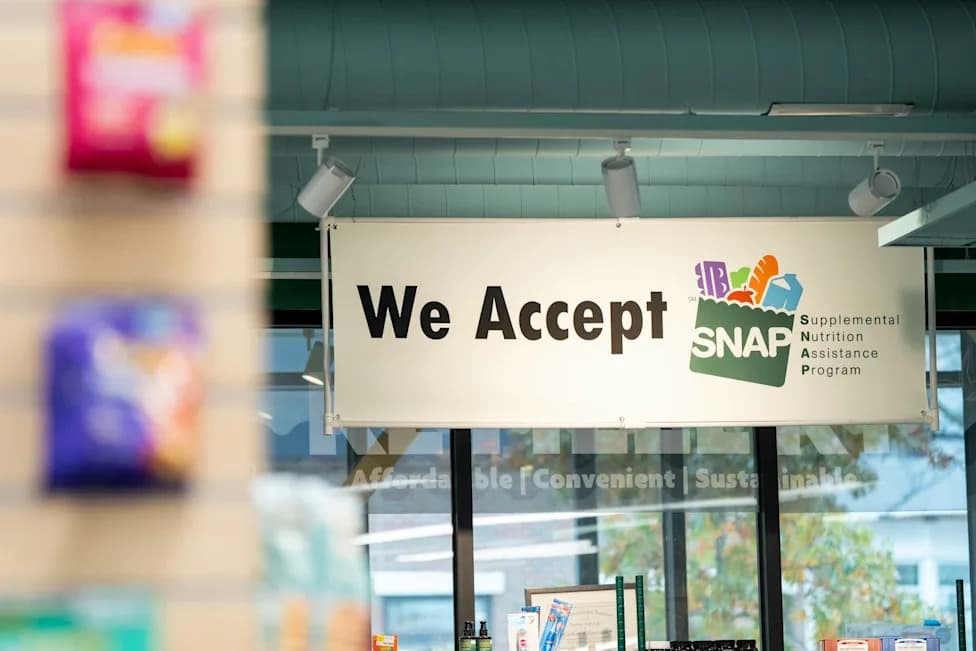
The "public charge" concept, used in various forms for centuries, is intended to screen immigrants who might become dependent on public support. The latest change expands the benefits immigration officials may consider when making determinations, including programs such as Medicaid (non-emergency), the Supplemental Nutrition Assistance Program (SNAP), and federal housing assistance. Officers may consider both past use and the likelihood of future use of benefits. Certain categories of immigrants — such as lawful permanent residents and some humanitarian parolees — remain eligible for federal safety-net programs, but the new standard makes participation riskier for applicants and their household members.
Legal Pushback
Twenty-one states and the District of Columbia — along with major cities led by New York City's mayor, Zohran Mamdani — have sued to block the rule, arguing the administration's own estimates show "catastrophic" harm to immigrant families. Plaintiffs contend Congress never intended public charge grounds to penalize immigrants and family members who use temporary or supplemental assistance they are lawfully entitled to receive.
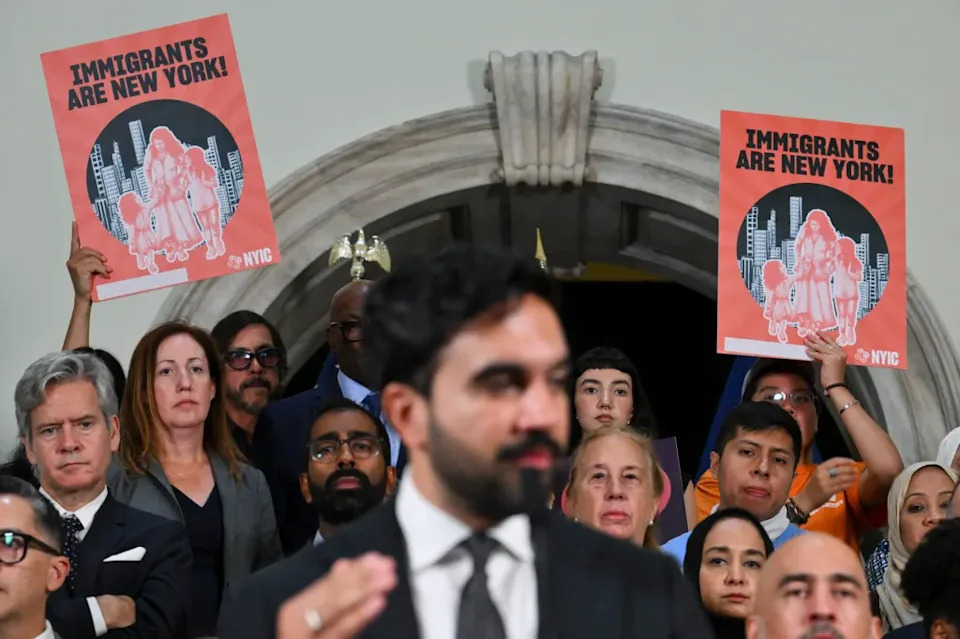
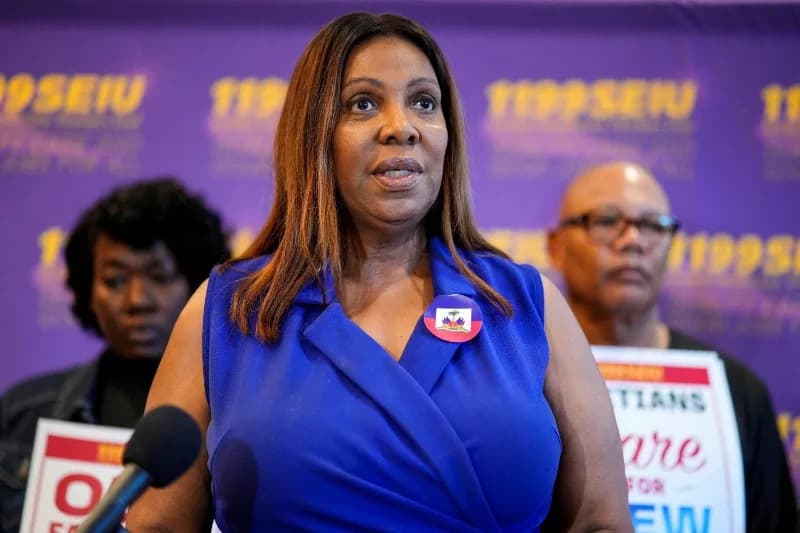
New York City Mayor Zohran Mamdani announces a lawsuit challenging the federal government's new public charge rule, which could make it harder for immigrants to obtain green cards if they rely on public benefits.
The Chilling Effect On Children
Because many eligible children in immigrant families are U.S. citizens, advocates and researchers warn the rule will drive parents to withdraw children from health and nutrition programs out of fear it could jeopardize immigration applications. A KFF analysis estimated 1.4 to 4.1 million people could disenroll from Medicaid and CHIP, including roughly 560,000 to 1.7 million citizen children. Experts say reduced participation in Medicaid, CHIP, SNAP and WIC can harm child development, nutrition, and long-term health.
"We'll primarily see disenrollment from these programs out of fear from individuals who are eligible, like U.S.-citizen children in immigrant families who have immigrant parents," — Maddie Geschu, Protecting Immigrant Families.
Other Policies That Compound Harms
- Family Separations: Trump's earlier "zero tolerance" policy separated thousands of children from parents; reunification remained incomplete years later.
- Detentions: Brookings estimates about 205,000 children — including roughly 145,000 U.S. citizens — likely experienced the detention of at least one parent during the administration's second term.
- Legal Representation: The government stopped funding a network of groups representing unaccompanied children, leaving tens of thousands without counsel, according to news reports.
- ORR Contracting: A $244 million no-bid contract for services to unaccompanied minors drew criticism because the contractor had limited track record representing children in immigration proceedings.
- Head Start And Program Exclusions: Moves to reclassify Head Start as a public benefit — which would bar undocumented children from the program — were blocked by courts; other legislative changes also exclude some legal immigrant groups from federal programs.
Expert Warnings
Medical and child welfare experts warn that fear and confusion around the rule can lead to worse outcomes for children: missed preventive care, delayed treatment, food insecurity, and educational disruptions when families avoid schools or keep children home because of enforcement fears. Dr. Sural Shah of the American Academy of Pediatrics notes that early deprivation has lifelong impacts on health and development.
What Comes Next
Legal challenges are pending in multiple courts. Plaintiffs seek injunctions to block the policy while litigation proceeds. Meanwhile, advocates urge clear federal guidance, community outreach, and local protections — including "safe zones" policies in schools — to mitigate harms. For families and providers, the immediate consequence is heightened uncertainty: eligible children may lose or be denied access to programs that support their health and development while immigration applications are at stake.
Note: This article summarizes reported developments related to public charge policy, legal actions, and associated immigration enforcement measures described by public-interest groups and research organizations.
Help us improve.