A Politico profile portrays a second-term Trump White House where many Cabinet members avoid open dissent and prioritize loyalty over candid advice. Sources say officials often act as "head-nodders," and that Trump sometimes tests aides by asking questions he already knows. During late-February action related to Iran, Cabinet officials were reportedly instructed to remain silent so the president's Truth Social posts served as the administration's primary public voice. Critics warn that a small circle of trusted aides and frequent, ad hoc assignments concentrate power around the president.
Report: Trump’s Cabinet Mutes Dissent, Prioritizes Loyalty Over Advice
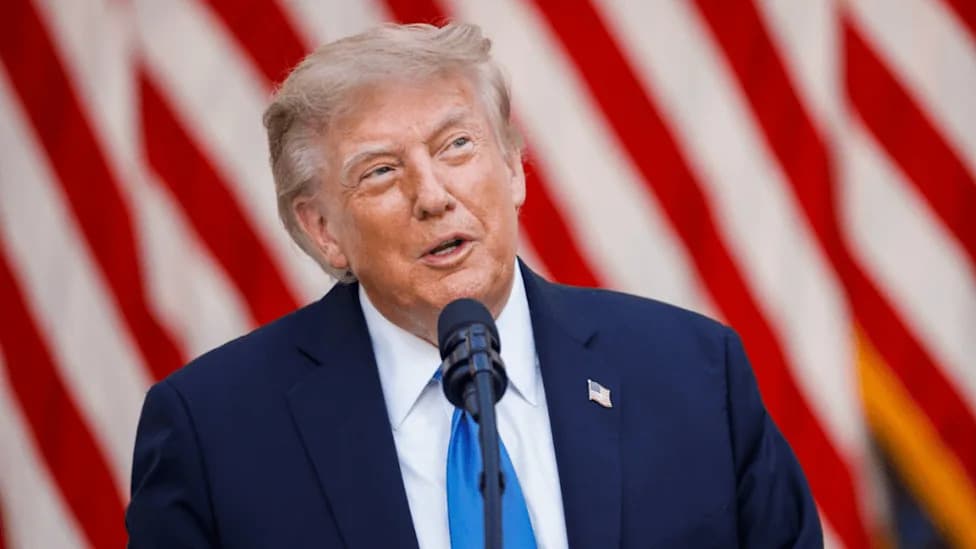
Evelyn Hockstein/Reuters
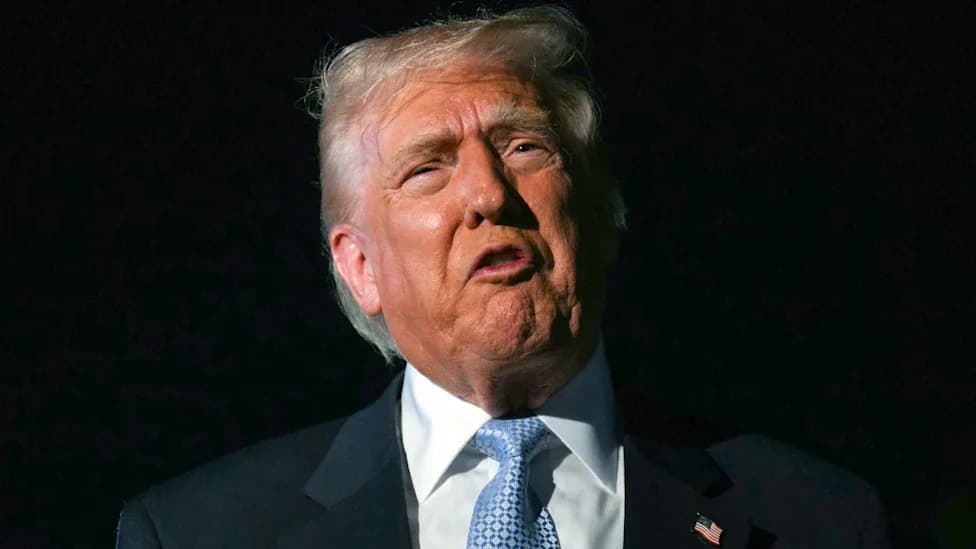
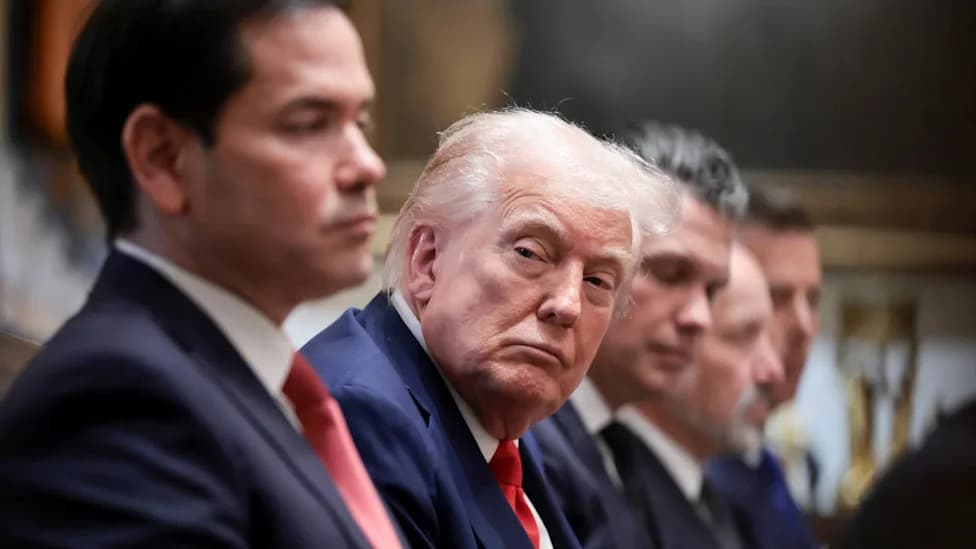
A lengthy Politico profile of President Donald Trump’s second-term White House portrays a Cabinet in which many top officials are reluctant to contradict the president, according to current and former administration insiders.
Cabinet Dynamics: Loyalty Over Pushback
Multiple sources tell Politico that an emphasis on loyalty and job preservation has left some Cabinet members acting as "head-nodders" rather than offering candid advice. A senior administration official described how the culture around the president "turns most of the Cabinet into yes people."
"There's a huge emphasis to basically steer where he's gonna go. It turns most of the Cabinet into yes people," a senior official told Politico.
Other sources say that officials who lack a pre-existing relationship with Trump are particularly hesitant to challenge him: "Everybody wants to keep their job, and those who haven't had a pre-existing relationship with the president don't have the ability to tell him the truth," one source said.
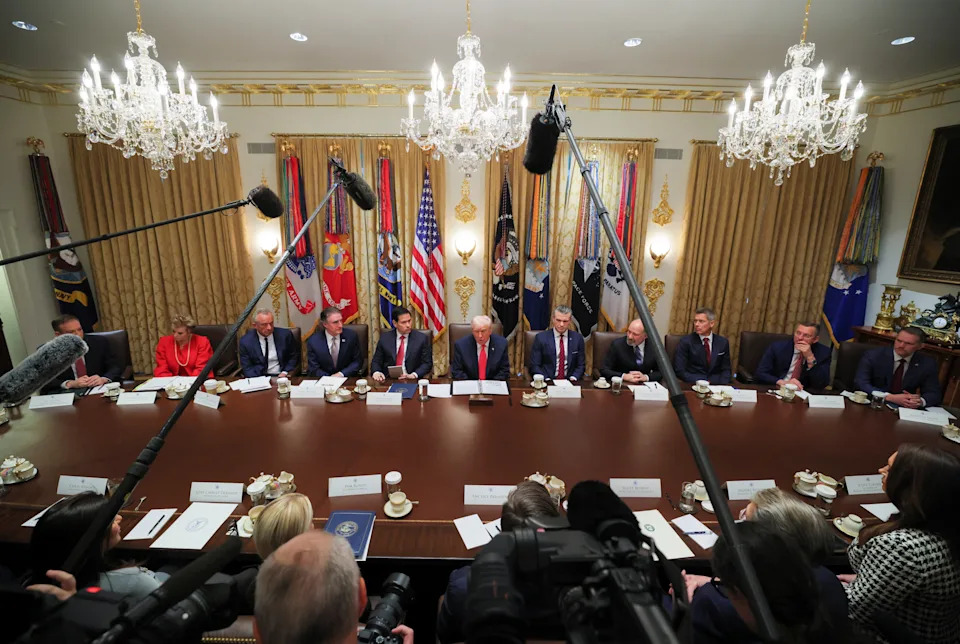
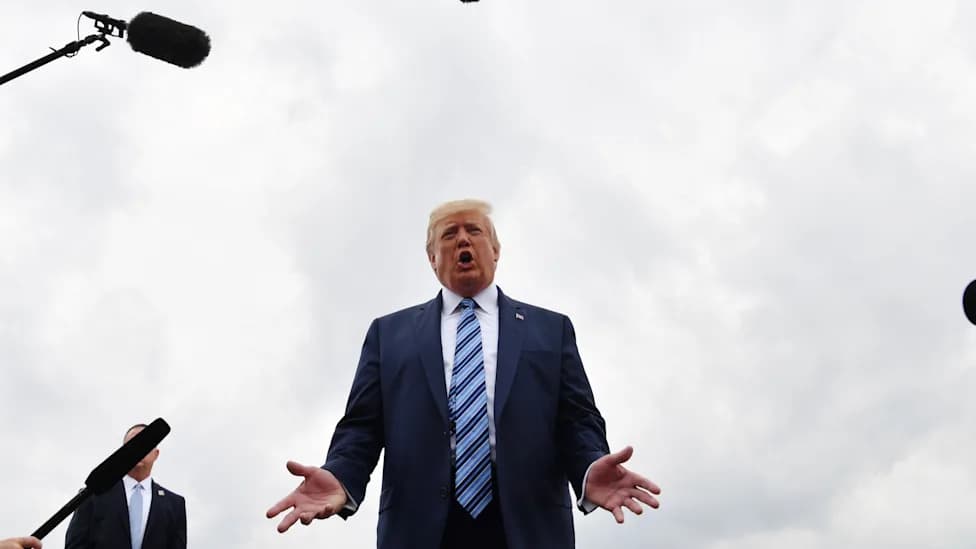
Donald Trump fawning Cabinet meeting can go on for hours and hours. / Brian Snyder/Reuters
Testing Loyalty and Controlling the Message
According to the profile, Trump sometimes asks questions he already knows the answers to as a way of testing aides' honesty. A person close to the White House described the dynamic bluntly: "The president likes watching people squirm a little. Or to put it differently: Who's a player and who's furniture?"
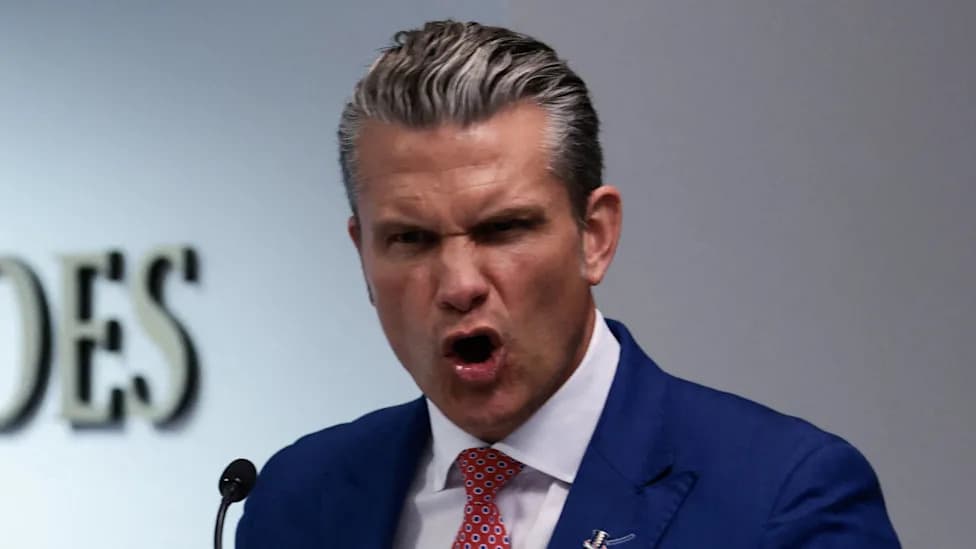
The piece highlights a specific episode at the end of February when the White House launched military action related to Iran. Officials, including Defense Secretary Pete Hegseth, were reportedly instructed to remain publicly silent over the weekend so that the president's posts on Truth Social would be the administration's primary public voice on the matter. Hegseth did not brief publicly on the operation until the morning of Monday, March 2, at the Pentagon.
Fluid Portfolios and Unconventional Assignments
Several officials said Cabinet roles have to be flexible to accommodate what they described as the president's erratic and impulsive approach. One example cited in the article: Commerce Secretary Howard Lutnick was tapped to address issues at the Kennedy Center after a federal judge ordered the president's name removed from the venue—despite the assignment being outside Lutnick’s standard Commerce portfolio.
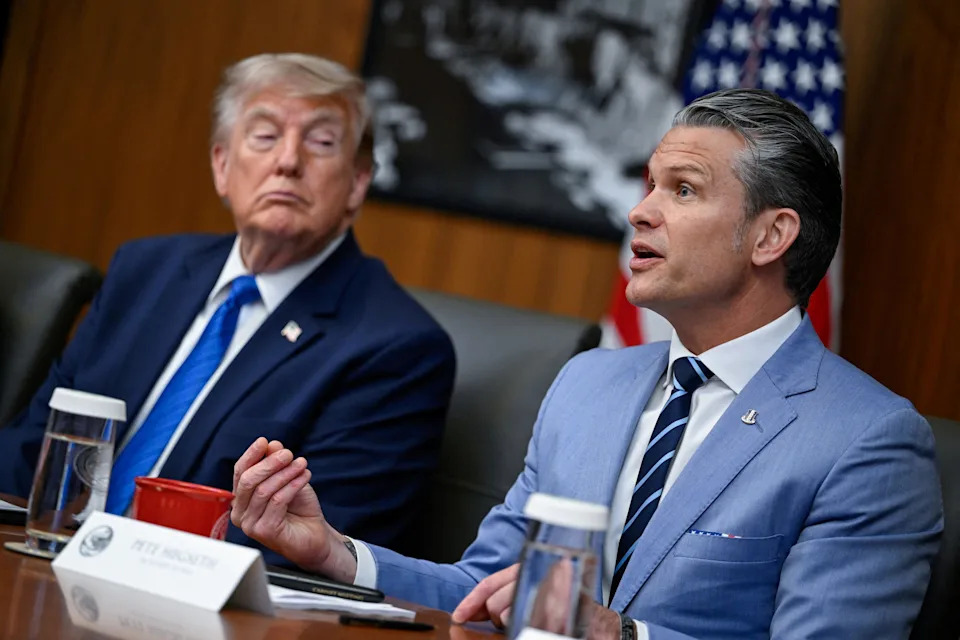
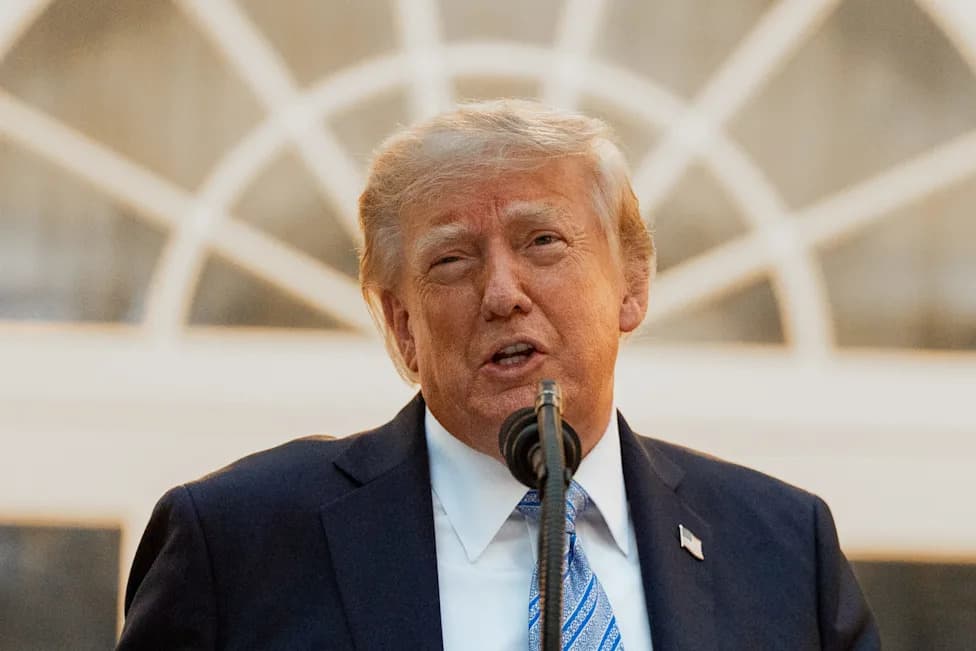
Donald Trump demanded that his own team be essentially invisible to the public when the Iran war broke out. / Daniel Heuer/File Photo/Reuters
"If you bring a problem up to the president, and it's not exactly in your lane, and it's really not in anybody else's lane, but there's a problem, you will inherit that problem," Homeland Security Secretary Markwayne Mullin said. "Because the president will listen to you, get your opinion, and he'll say, 'Well, go fix it.'"
Politico also reports that Trump relies on a relatively small circle of trusted aides who must remain ready to lead or oversee initiatives at short notice. A former senior official described the power dynamic as a strong centralized leader with weakened subordinates: "Trump is a very strong monarch, and when you have a strong monarch and weak barons, they've got to constantly go to the king for the ability to do anything."
White House Response
White House spokesperson Davis Ingle rejected the characterization that appointees treat the president like a monarch: "President Trump is working tirelessly on behalf of the American people to fulfill his commonsense America First agenda that nearly 80 million people elected him for," Ingle said.
The Daily Beast has contacted the White House for comment.
Help us improve.