The GOP's midterm strategy has elevated testosterone from a medical treatment to a political symbol. Recent moves include the FDA easing language around TRT and Defense Department plans for routine testosterone screening for service members over 30. Critics call the effort "sciencewashing": experts warn TRT has limited benefits outside diagnosed hypogonadism and can suppress natural production and cause infertility, while policy contradictions — especially toward transgender troops — have provoked legal and ethical disputes.
Are You Man Enough? How Republicans Are Turning Testosterone Into Politics Ahead Of The Midterms

Despite several studies around testosterone being debunked as non-scientific, one Columbia University researcher, Louis Berman, claimed in 1921 that 'we are justified in putting down the white man's predominance on the planet to a greater all-around concentration in his blood of the omnipotent hormones'.Illustration: Matt Chase/The Guardian
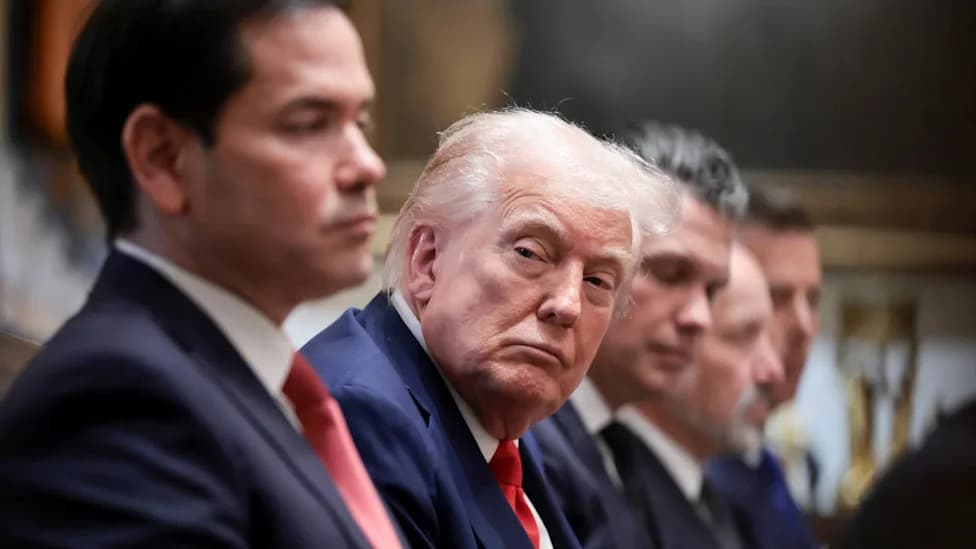
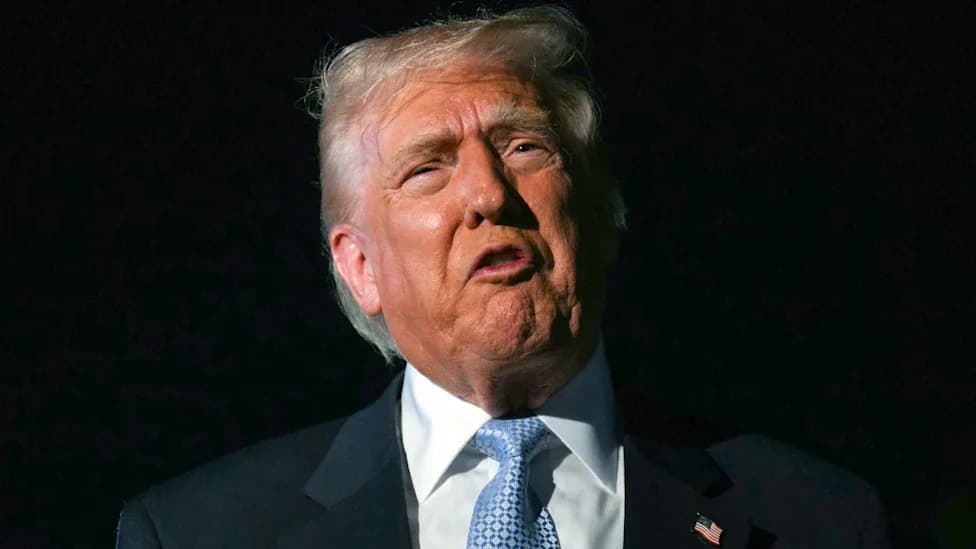
Two years after Donald Trump captured a decisive share of male voters, a new front has opened in the GOP's midterm playbook: testosterone. This summer, moves by senior officials signalled policy shifts that could increase access to testosterone replacement therapy (TRT) and normalize routine hormone screening in the military — decisions that critics say blend shaky science with political theater.
Policy Moves That Shifted The Conversation
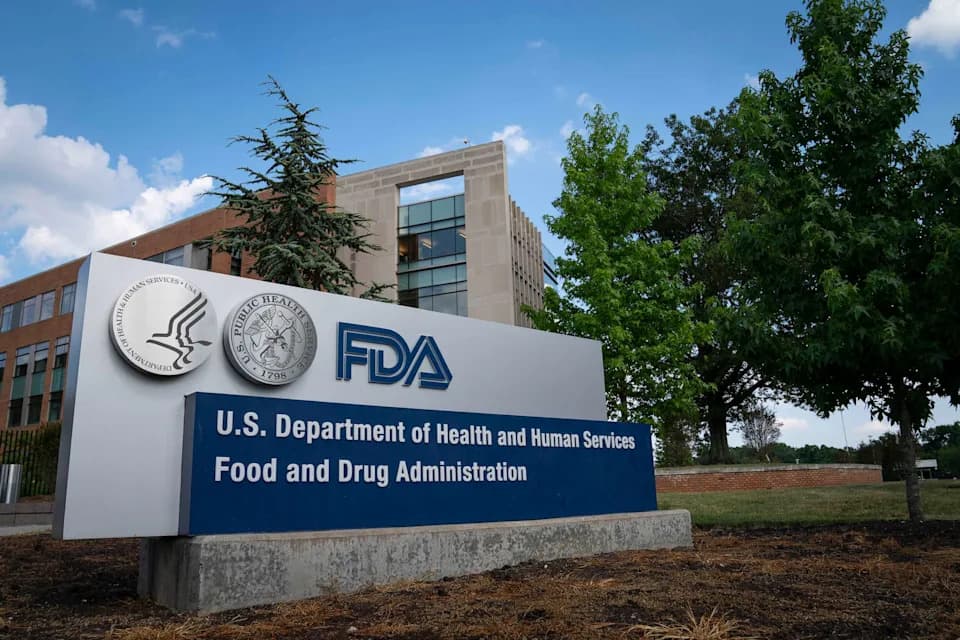
In June, Health Secretary Robert F. Kennedy Jr. announced that the FDA would remove language saying TRT's safety and effectiveness "have not been established," part of a package of regulatory changes expected to make prescriptions easier to obtain. Already, nearly 12 million TRT prescriptions were dispensed in 2025, up from fewer than 1 million in 2000.
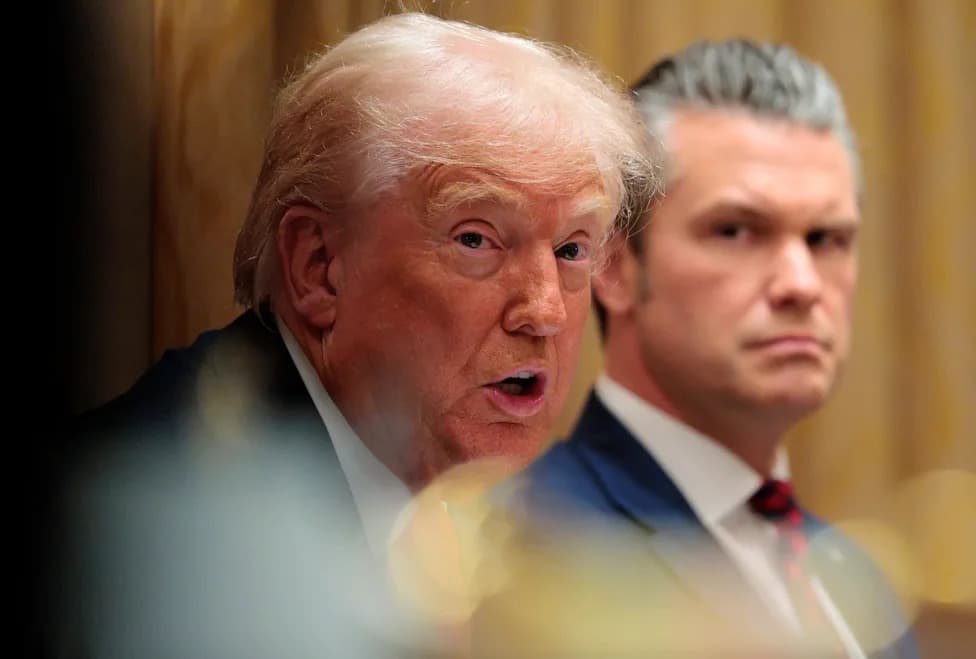
Weeks later, Defense Secretary Pete Hegseth said he would require testosterone screening for service members older than 30 and offer voluntary testing to others — part of what he calls a "High-T Department of War." Service members identified with low testosterone would be offered state-supported replacement therapy.
Politics, Branding And A Weaponized Hormone
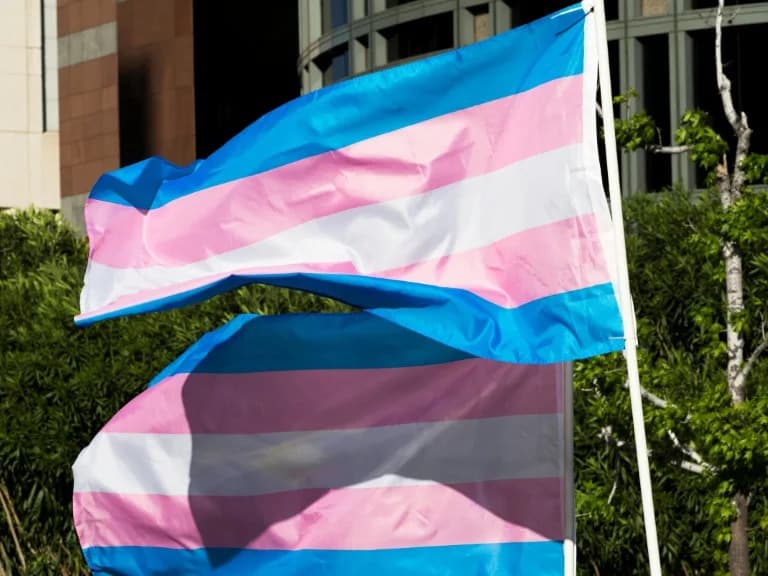
Republican operatives have used "low-T" rhetoric in campaigns: Texas Attorney General Ken Paxton ran ads calling Democratic opponent James Talarico "too low-T for Texas," and other allies have used the term to mock perceived weakness. At the same time, policy choices have revealed stark contradictions: gender-affirming care (including TRT) for transgender service members remains paused, while cisgender men may be screened and treated.
"The needle is apolitical but the content of the syringe is decided by who you vote for," said Jonathan Jarry, a science communicator at McGill University's Office for Science and Society.
What Science Actually Says
Testosterone is a hormone present in people of all sexes and plays multiple roles in reproduction, bone health, and metabolism. For men with clinically confirmed hypogonadism (true low-T), TRT can restore libido and muscle mass. But decades of research caution against oversimplifying the hormone as a singular source of aggression, athleticism or political belief.
Leading critics of "T-talk," including anthropologists Rebecca Jordan-Young and Katrina Karkazis, argue that folklore and selective science have long exaggerated testosterone's social effects. Classic studies that tied T to violence — such as early 1970s prison research — have been criticized for poor methods and post-hoc data choices. Small experimental findings, like a 2011 study that saw a limited short-term "red shift" in loosely affiliated voters after a single testosterone dose, have not been reliably replicated or shown to change long-term behavior.
Medical Concerns And Clinical Guidance
Endocrinologists warn of real risks when TRT is prescribed without strict diagnosis. Dr. Shalender Bhasin of Harvard, a co-author of the Endocrine Society guidelines, notes TRT should be reserved for men with clear symptoms and two blood tests confirming low levels. Research found only about 12% of people prescribed TRT in 2026 met those criteria. TRT in people with normal levels can suppress natural testosterone production, reduce testicular function and risk infertility; stopping therapy can cause levels to plummet and recovery to take months.
Large randomized trials show mixed benefits: an NIH study of nearly 800 older men found improvements in libido and erectile function but minimal effects on mood, memory, fatigue or overall wellbeing. A major Traverse study commissioned under the Biden administration found no increased prostate-cancer or cardiovascular risk from TRT among older men with hypogonadism, which supports some regulatory easing — but does not justify broad, unchecked prescribing.
Military Implications And Policy Gaps
Hegseth frames testing as a health measure to "restore and optimize your natural capabilities," but critics see a political motivation to rebrand military lethality. The Pentagon later clarified guidance indicating only men would be tested, with no announced equivalent program for women despite Veterans Affairs data showing female service members with PTSD have higher risk of early menopause. Civil liberties and medical ethics advocates have highlighted the inconsistency between expanding TRT access for cis men while maintaining bans on gender-affirming care for trans troops — a discrepancy now subject to ongoing litigation.
Market And Cultural Effects
Telemedicine providers and pharmaceutical companies are positioning for growth: firms such as Hims & Hers saw stock gains amid expectations of broader TRT availability. Cheap at-home hormone testing has given many men a numeric measure of masculinity, intensifying cultural anxieties and enabling political messaging around "low-T" identity.
Where The Debate Should Go
Experts urge separating clinical care from political theater. If a government were genuinely invested in men's health, Dr. Bhasin suggests focusing on evidence-based public-health problems — rising young male mortality, mental-health access for veterans, substance use — rather than weaponizing hormones for political advantage.
The controversy over testosterone this election cycle mixes real medical questions, centuries-old gender myths and contemporary political calculation. Distinguishing sound science from performance will matter for both public health and democratic debate.
Help us improve.