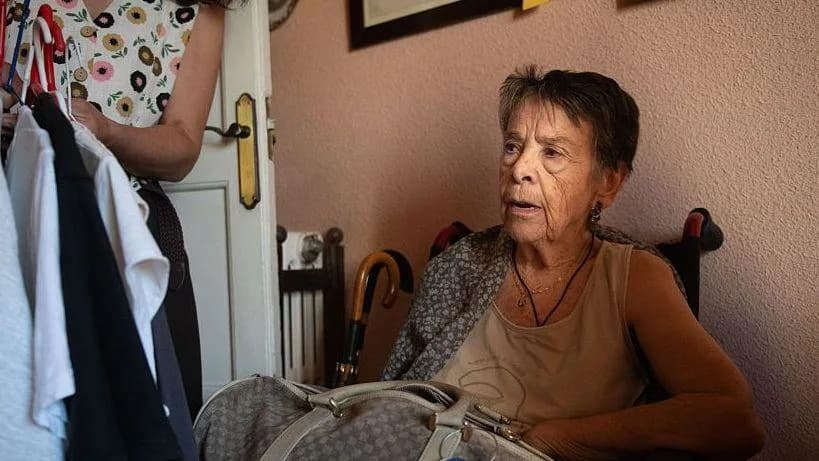
María del Carmen "Maricarmen" Abascal, 87, was evicted from the Madrid flat she had occupied since 1956, sparking mass protests and national debate over housing policy. Activists and supporters accused the investment firm that bought the building of pushing steep rent increases; legal appeals failed to stop the eviction. The case has intensified pressure on national and local leaders to approve emergency measures — including a proposed Royal Decree — to protect tenants and address Spain’s widening housing shortage.
“Please Fight”: How the Eviction of 87-Year-Old Maricarmen Put Spain’s Housing Crisis in the Spotlight

Reuters
María del Carmen Abascal — popularly known as Maricarmen — was evicted from the Madrid flat she had lived in for more than 70 years. Her forced removal has triggered mass protests, wide public outrage and renewed scrutiny of Spain’s housing shortage and tenant protections.
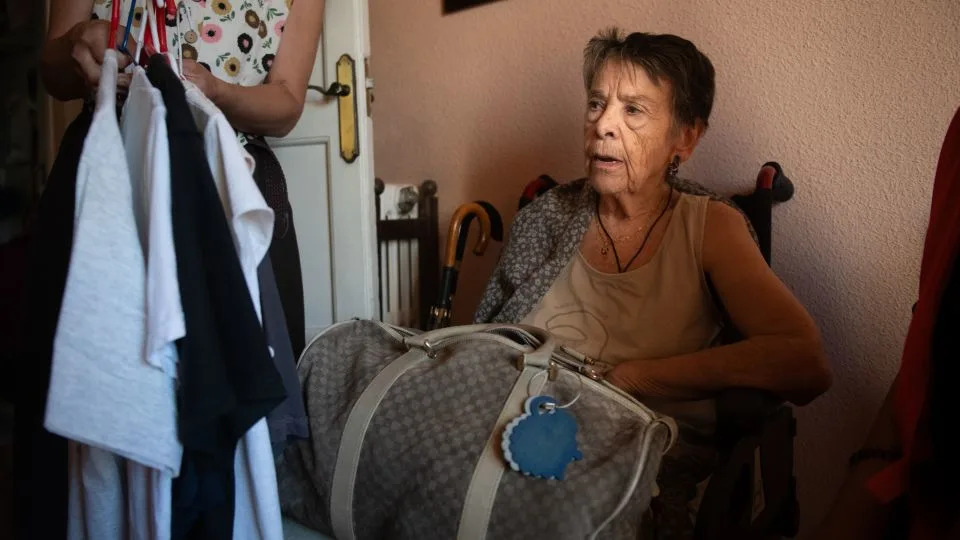
Maricarmen packs a bag with her belongings before being evicted from her home in Madrid, Spain, on September 23. - Fernando Sanchez/Europa Press/Getty Images
Protests and Solidarity
Tens of thousands of demonstrators marched through Madrid the weekend after the eviction, and many camped overnight in Puerta del Sol. Authorities estimated that nearly 10,000 people gathered in the capital to protest; solidarity actions were also reported in Barcelona, Seville and Valencia. Protesters are calling for stronger tenant protections and legal barriers to evictions when no suitable alternative housing is available nearby.

Demonstrators protest against evictions and the housing crisis in Madrid, on September 26. The banner reads 'Not a single more Maricarmen' in a reference to an 87-year-old evicted from her Madrid home. - Oscar Del Pozo/AFP/Getty Images
What Happened to Maricarmen
Abascal, 87, had lived on Alcalde Sainz de Baranda Street in Madrid’s El Retiro neighborhood since 1956, inheriting the lease from her parents. Under that long-standing contract she paid roughly $568 (500 euros) per month. That changed after investment firm Urbagestión Desarrollo e Inversión bought the building in March 2018 and sought rent increases of up to four times her existing rent, despite her pension of about $1,478 (1,300 euros).

Maricarmen Abascal, 87, is transported on a stretcher to an ambulance, after she was evicted from her home in Madrid, Spain, on September 23. Abascal had lived for more than seven decades after the apartment was acquired by an investment fund that sought a steep increase in her rent, despite efforts by housing activists to broker an alternative arrangement. - Susana Vera/Reuters
Legal Battle and Delays
The property company filed suit in March 2020 to terminate the lease. Abascal won in the lower court, but the company appealed and the Provincial Court ruled in the owner’s favor. Appeals to the Constitutional Court and the Supreme Court were dismissed. Urbagestión then pursued enforcement, and there were multiple attempted eviction dates. Delays and legal provisions temporarily stalled evictions — including a four-month delay in October 2025 and further suspensions in mid-2026 — but ultimately the eviction went ahead.

Spanish riot police remove a housing activist, who was trying to prevent the eviction of Maricarmen Abascal, 87, in Madrid, Spain, on September 23. - Susana Vera/Reuters
"I did not manage to defend my home, but I have fought so that others learn to fight for theirs," Abascal said in a video from hospital. "My house has been my life… Please fight. I send you all a very big hug and thank you for everything."
Health, Mediation Efforts and Aftermath
Abascal was taken on a stretcher to Gregorio Marañón Hospital after the eviction and was expected to remain under observation for several days. Activists, her legal team and agencies including Casa 47 tried to negotiate a solution: proposals included the state agency or a third party buying the flat so it could be rented back to her at an affordable rate. An anonymous benefactor even offered to contribute toward rent, but Abascal’s lawyer says Urbagestión rejected those alternatives. The company told the Madrid Municipal Housing and Land Agency (EMVS) it might include the property in the ReViVa program, but City Hall said the proposal did not meet legal requirements and offered mediation instead.

Demonstrators sleep and hang around tents after setting up a camp at Puerta del Sol square, on September 27, in protest against Spain's housing crisis after the forceful eviction Maricamen Abascal from her apartment in Madrid, Spain. - Susana Vera/Reuters
Housing Market Context
Spain’s housing affordability crisis — already decades in the making — framed public reaction. In Madrid, average rents nearly doubled from August 2016 to August 2026, rising from about $14.55 (12.8 euros) to $26.49 (23.3 euros) per square meter, according to Idealista. Purchase prices climbed 227.9% over the same period. By the government’s own and independent estimates, the country faces a substantial shortage of homes: the Bank of Spain has put the shortfall at roughly 755,000 units today, a gap that could approach one million by 2028. Those trends stand in stark contrast to average incomes; Spain’s average annual salary in 2024 was roughly $33,596 (29,540 euros), making housing costs an outsized share of many households’ budgets.
Political Fallout
The eviction has become a focal point for political debate. Prime Minister Pedro Sánchez pledged rapid action, saying the government would submit a Royal Decree on housing to the cabinet and urged swift parliamentary approval. Coalition partners from Sumar have proposed measures including temporary rent freezes and limits on evictions for tenants with no alternative housing. Regional leaders — including Madrid’s president Isabel Díaz Ayuso — pushed back, blaming national law and arguing that changes should have been made earlier. The government and local authorities have traded responsibility while activists demand concrete legal reforms.
Why It Matters
Maricarmen’s eviction crystallizes several broader trends: the rise of investor-owned residential buildings, the precariousness of long-standing tenants under modern market pressures, gaps in emergency rehousing, and the political difficulty of balancing property rights with housing as a social need. The case has reignited calls for stronger tenant protections, proactive public housing policies and clearer rules for when and how evictions may proceed.
Help us improve.