The sudden floods in Nepal killed more than 1,450 people and left over 6,000 missing, while officials warn of "billions in avoidable damage" tied to cuts in climate adaptation programs. The closure of SERVIR–Hindu Kush Himalaya removed critical flood forecasting and monitoring across five countries. Scientists say Himalayan glacier loss is accelerating—about 65% faster than a decade ago—yet only 0.1% of ~40,000 glaciers have long-term monitoring. Advocates warn that renewed funding for early warning and resilience is essential to protect nearly 2 billion people who depend on the region.
Nepal Floods Expose the Human and Economic Cost of Climate Aid Cuts
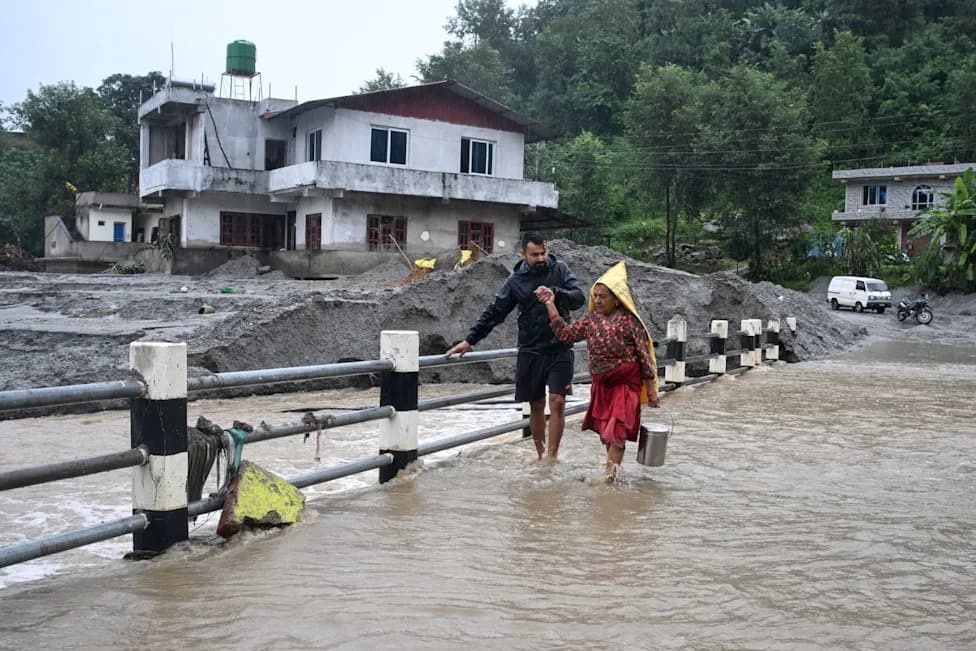
Photo Credit: Getty Images
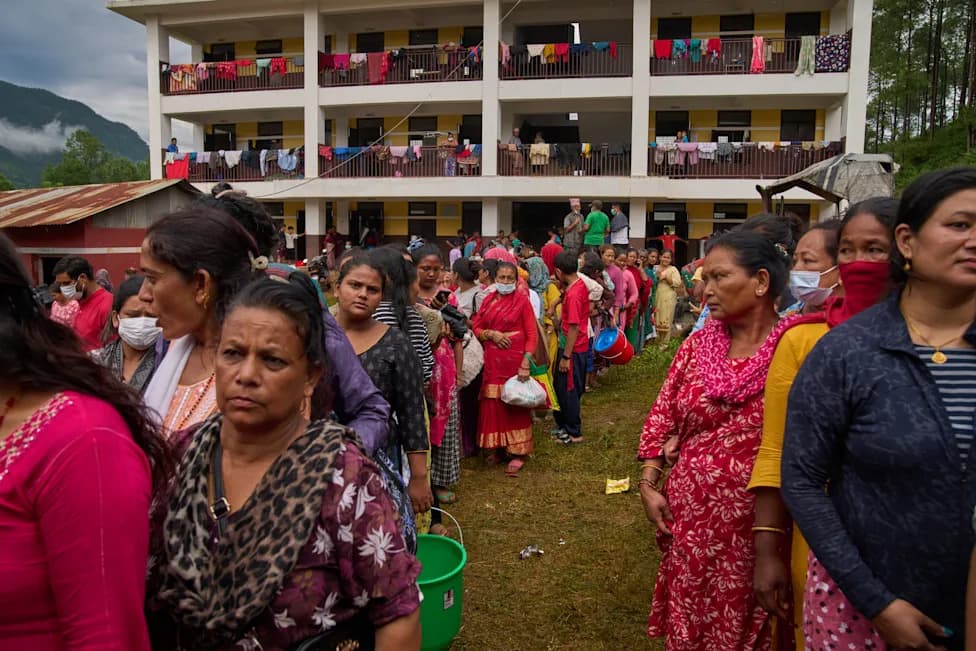
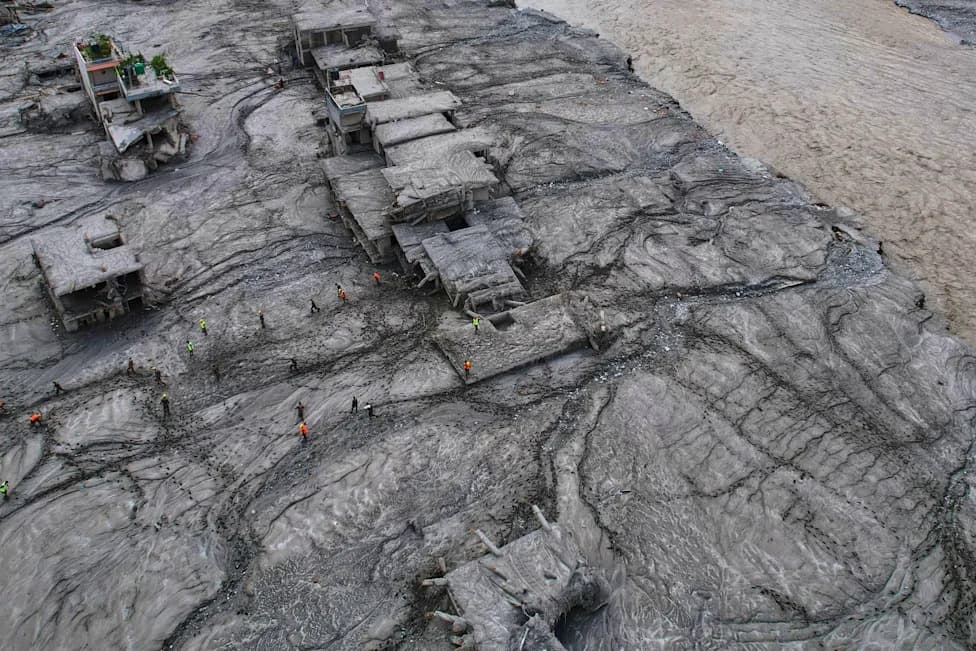
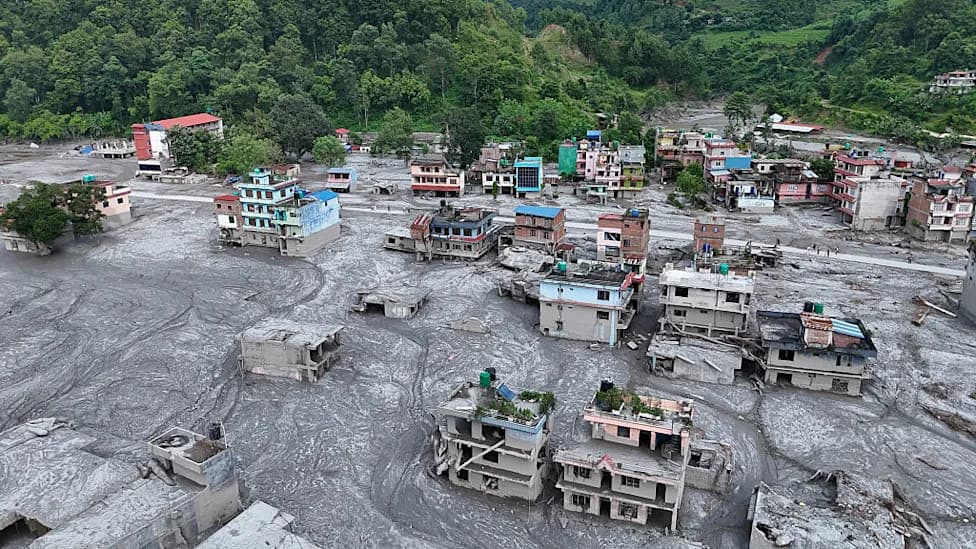
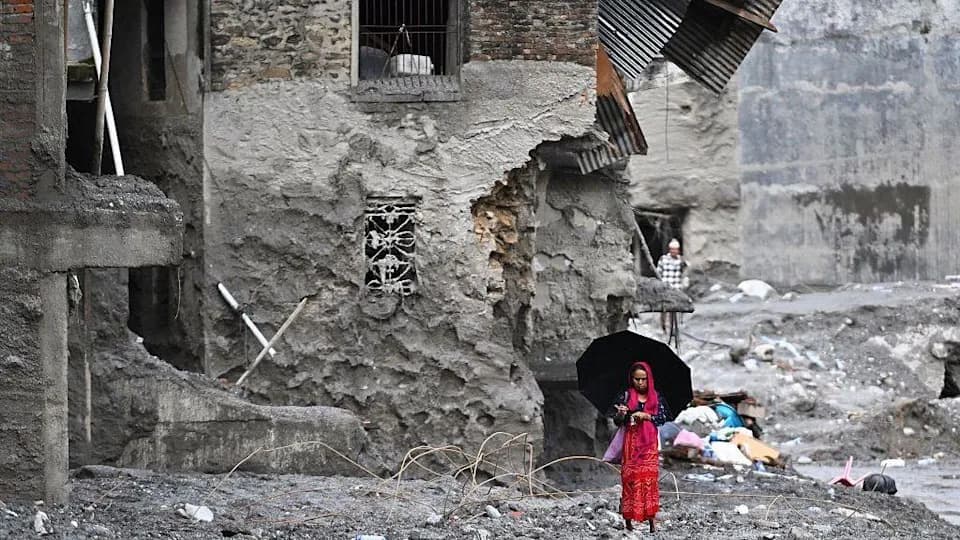
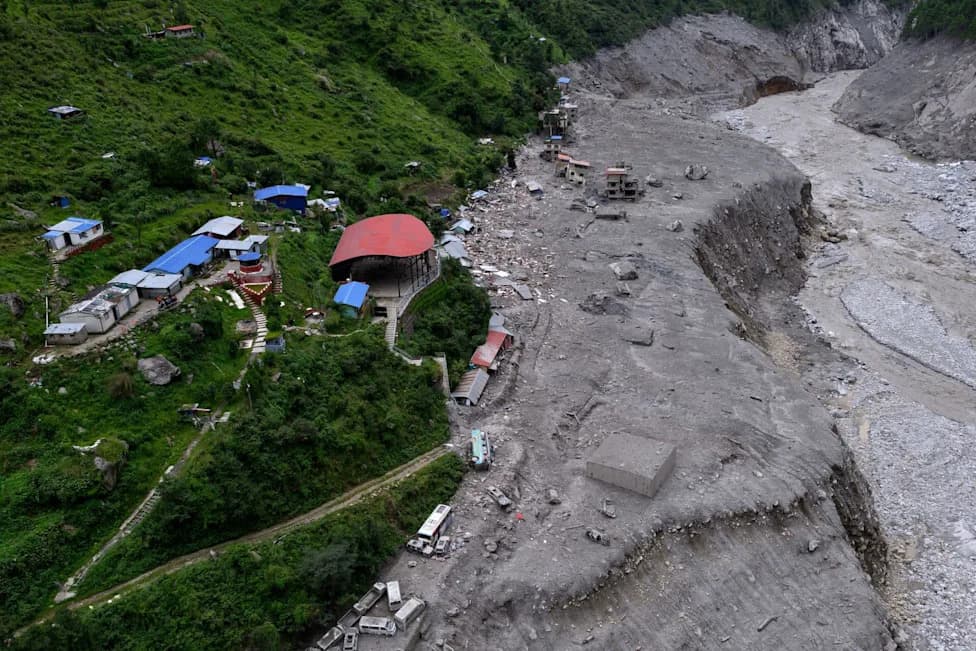
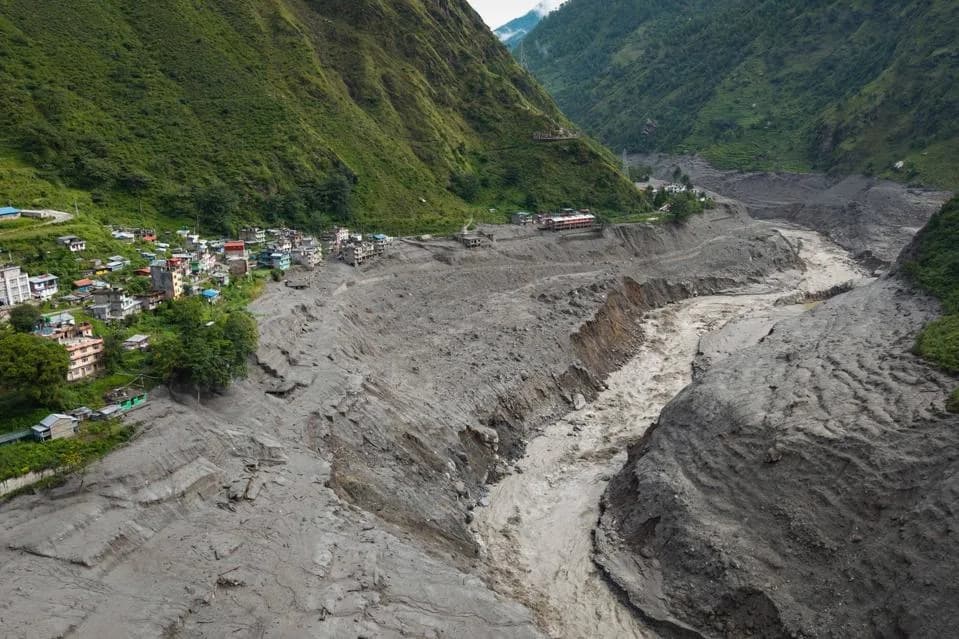
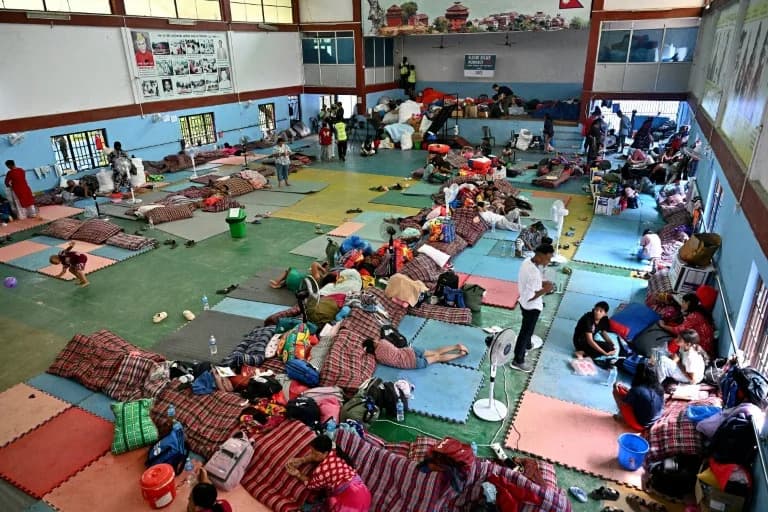
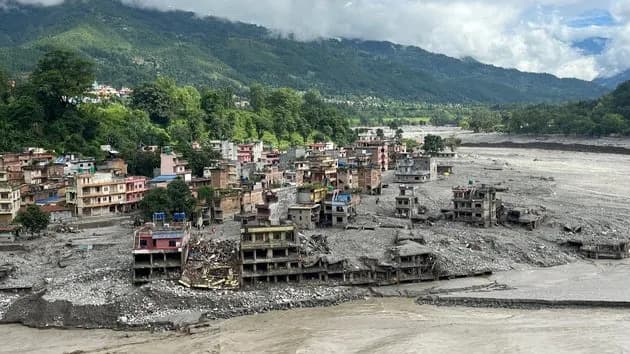
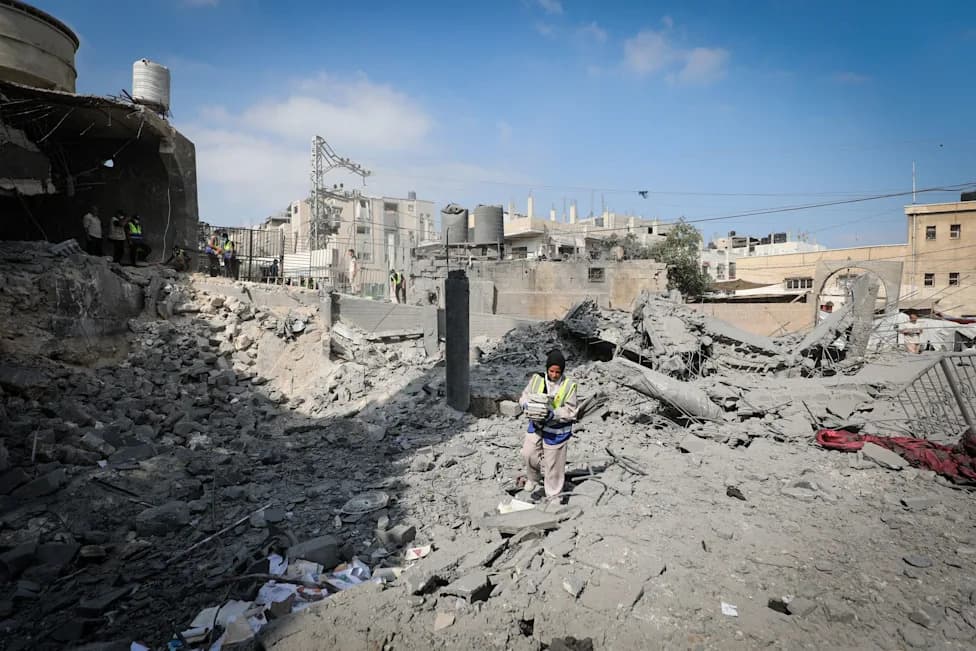
Following devastating flash floods in Nepal, more than 1,450 people have been reported dead and over 6,000 are missing. Authorities warn the country now faces "billions of dollars in avoidable damage" tied to shuttered programs, unmet commitments and shrinking budgets for adaptation and disaster preparedness.
The Associated Press reports the crisis was worsened by the closure of SERVIR–Hindu Kush Himalaya (SERVIR-HKH), a regional monitoring partnership led by USAID, NASA and the International Centre for Integrated Mountain Development (ICIMOD). SERVIR-HKH provided flood forecasting, landslide monitoring, risk communication and open data services across Afghanistan, Bangladesh, Myanmar, Nepal and Pakistan. The initiative was discontinued after reductions in U.S. foreign assistance in 2025, alongside similar cuts by other major donors.
Why Funding Cuts Matter
Programs such as SERVIR-HKH translate science into early warnings and actionable information that communities and governments use to reduce loss of life and property. Without those systems, vulnerable populations are less able to anticipate fast-moving hazards like glacial lake outburst floods (GLOFs) and flash floods.
The Science: Faster Glacial Loss, Limited Monitoring
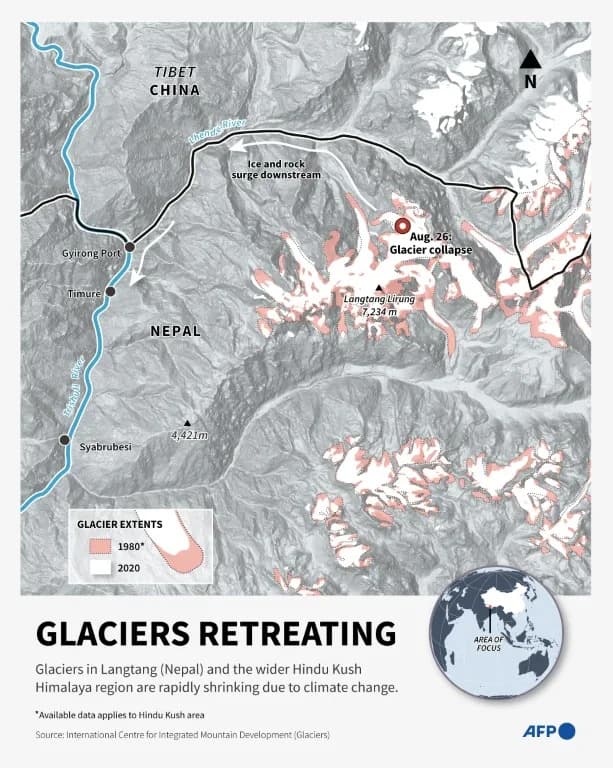
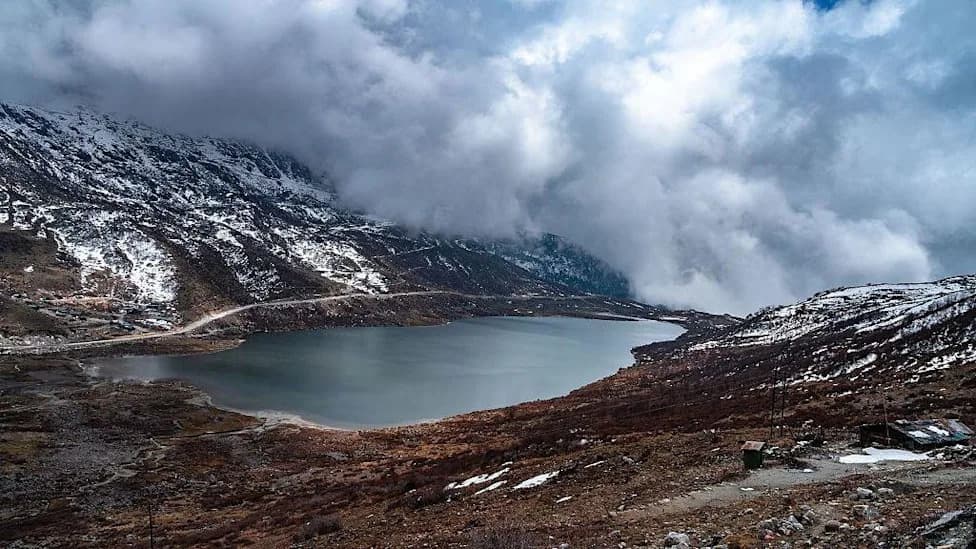
New analysis by consultancy Systemiq and ICIMOD finds Himalayan glacier mass loss is occurring roughly 65% faster than a decade ago. Yet long-term, detailed monitoring exists for only about 0.1% of the region's roughly 40,000 glaciers, leaving major gaps in risk detection and forecasting.
"The reality is that we need trillions of dollars every year, but developed countries have not met their obligation," said Harjeet Singh of the Satat Sampada Climate Foundation.
Regional Risks and Human Impact
In northern Pakistan, accelerating glacier melt has formed 3,044 glacial lakes, and the United Nations Development Programme reports that more than 30 of these lakes could burst and trigger destructive floods in areas where more than 7 million people live. ICIMOD estimates nearly 2 billion people live in or downstream of the greater Himalayan region and depend on its water for agriculture, energy, industry, tourism and household use.
The Emergency Events Database at the University of Louvain places climate-driven losses in the region for 2025 at at least $7 billion.
Responses and What Comes Next
The U.S. State Department told the AP it continues to support Nepal's flood-warning capacity through collaborations with the World Meteorological Organization and NOAA. Advocates say the goal is to build resilience. Richard Sherman, a board member of the Fund for Responding to Loss and Damage, told the AP: "We're not expecting developed countries to act as an ATM. But supporting vulnerable countries, helping them adapt and become more resilient means they're less likely to suffer the kind of impacts we have right now."
Survivors describe extreme loss: Tenzin Dolma Ghale said the waters swept through her village, took members of her family and left her with "only the clothes I was wearing. It's all finished."
These events underline how cuts to climate adaptation and disaster-preparedness programs can translate quickly into lives lost, agriculture devastated and long-term economic damage. Restoring and expanding monitoring, early warning and adaptation finance are central to reducing future catastrophe across the Himalayas and South Asia.
Help us improve.