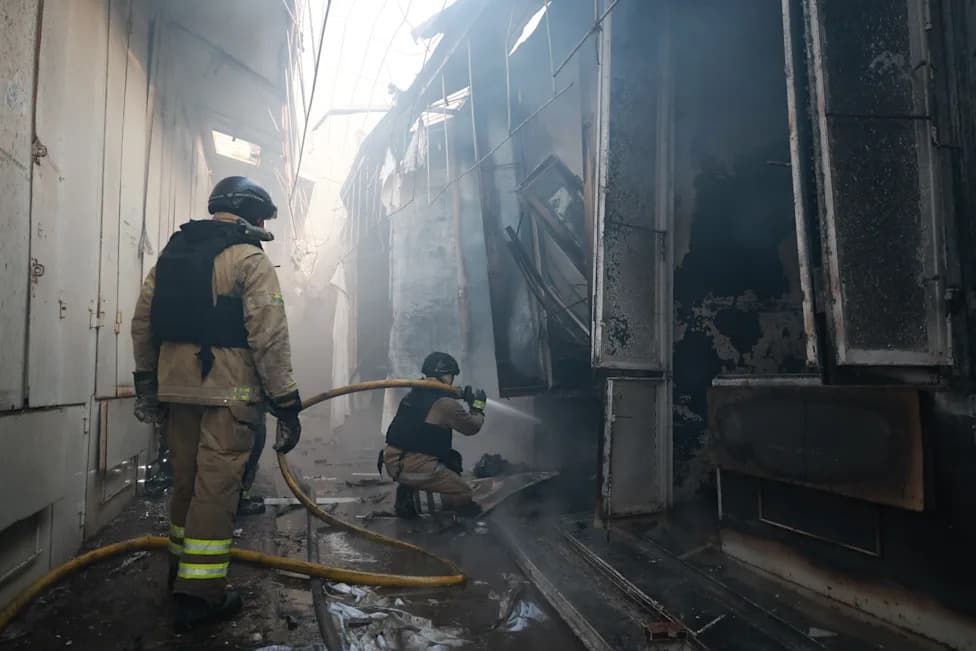
The BBC reported from Taiz and nearby hills as renewed Houthi offensives brought drones, mortars and artillery to the frontline. Civilians described desperate choices—staying to tend animals or fleeing with children—while hospitals filled with casualties, including a 12‑year‑old with catastrophic brain injuries. The Houthis' capture of Mokha has raised strategic and economic concerns, and the UN says more than 130,000 people were displaced this month alone.
Inside Taiz: Families on Yemen's Front Line as Houthis Push for Control
[BBC]
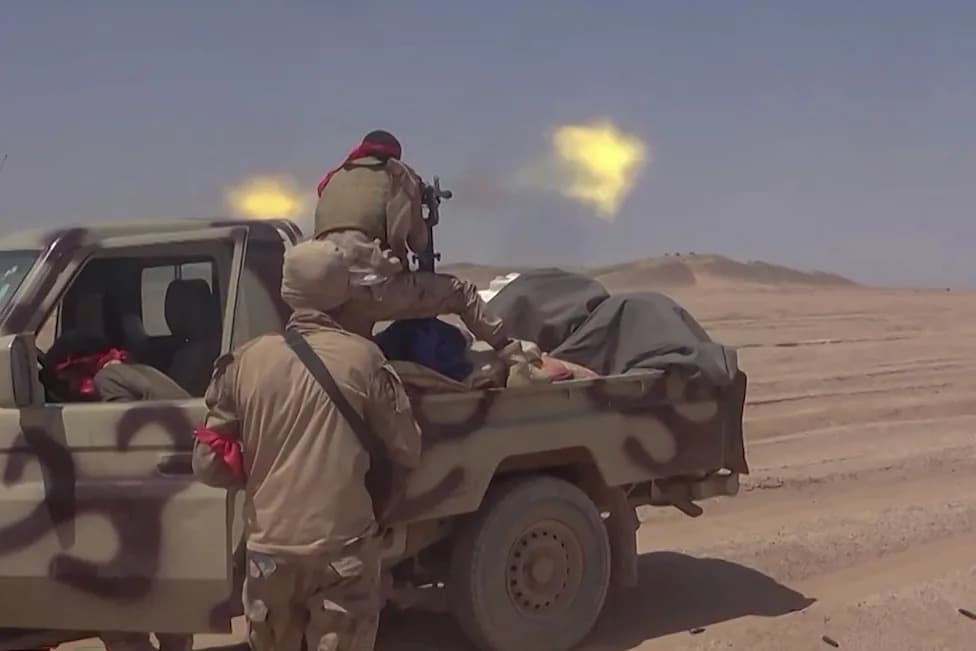
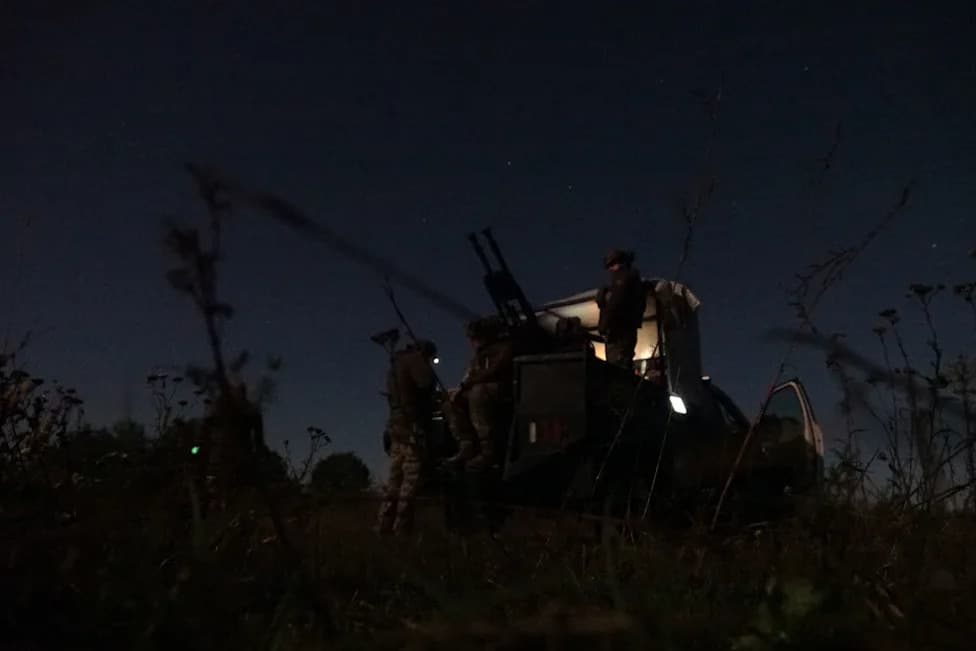
Bombs, drones and mortar fire interrupted a reporting trip to the hills southwest of Taiz, where residents and fighters describe a front line that slips and shifts across rocky slopes. The sound of a high-pitched drone drew soldiers and civilians into cover; roughly 10 minutes later a series of heavy explosions rattled the area.
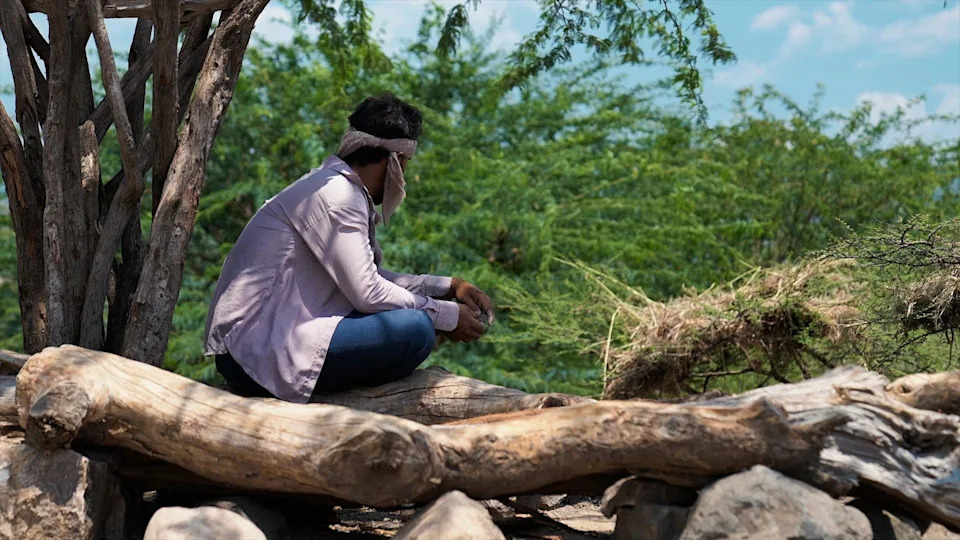
Ali has remained at home under mortar fire to look after his goats [Liam Weir/BBC]
Frontline Tension
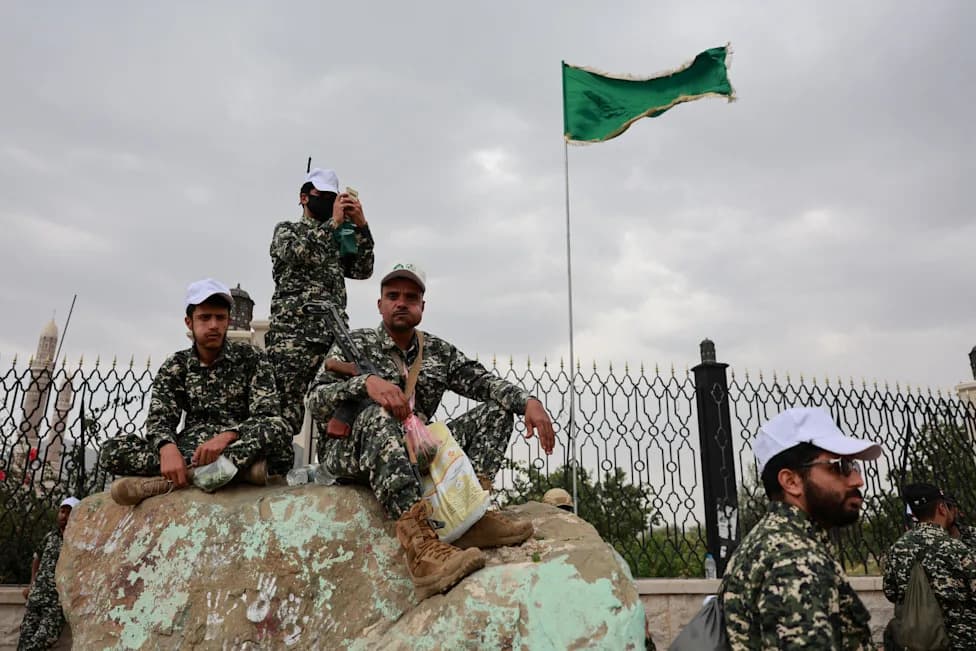
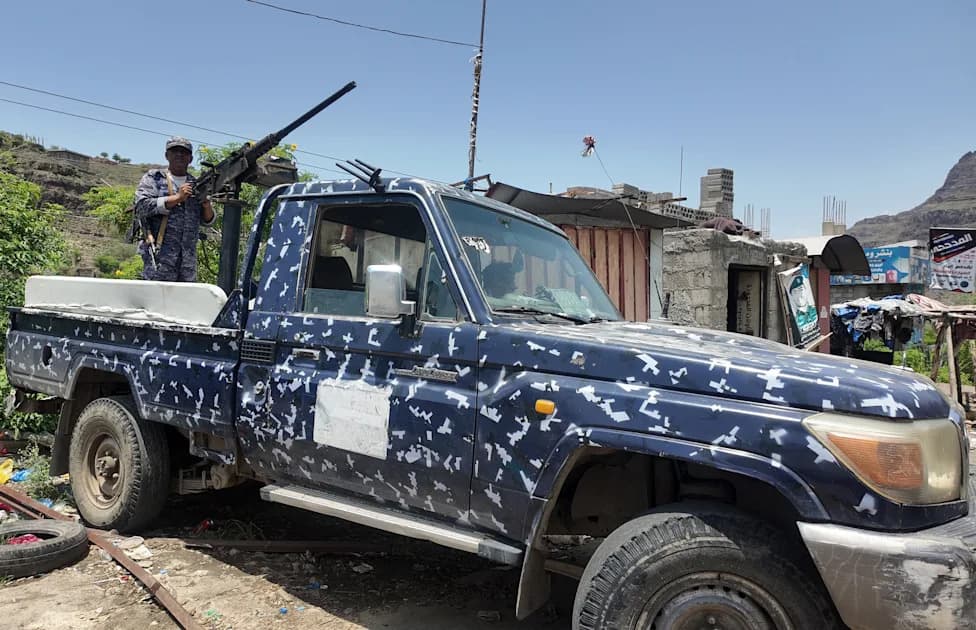
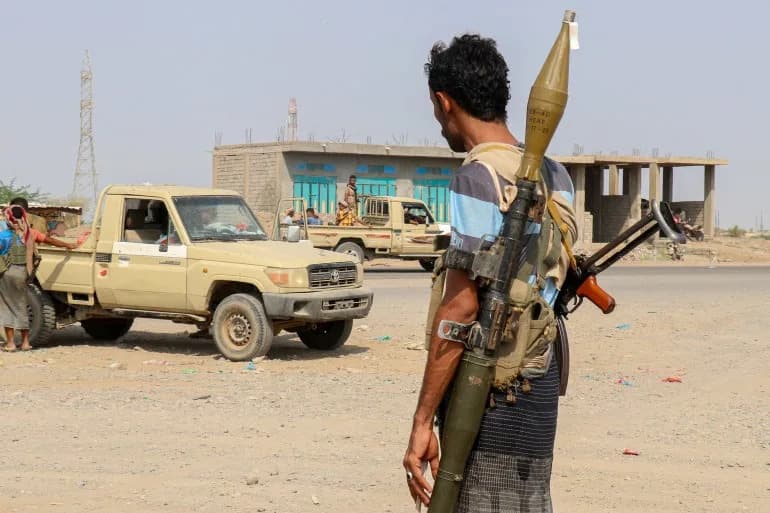
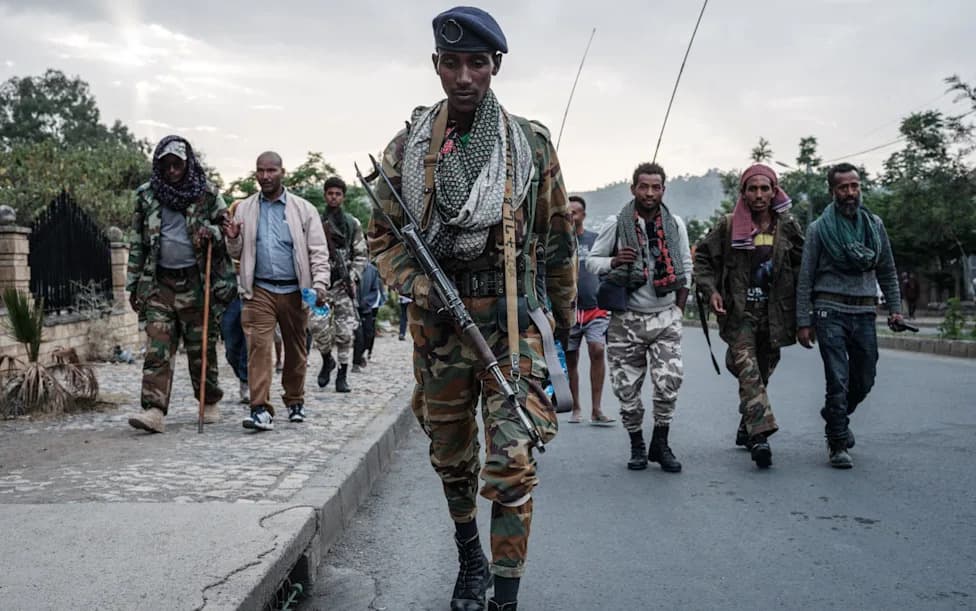
We accompanied government units from Taiz through a chain of checkpoints to the edge of their control, where no-man's-land begins. Homes dot the hillside but many stand empty after families fled. The usual city noise has been replaced by the bleating of goats and the intermittent crack of incoming and outgoing gunfire.
[BBC]
"This is the first drone. It is usually followed by an attack," a soldier said as the whine drew closer.
Human Cost
Residents living closest to the fighting spoke of loss, fear and impossible choices. Ali, about 1 km from the front, remained with his wife and sisters to tend goats after sending his children to a displacement camp: "I am terrified, but I have no choice; without the animals we will go hungry and die anyway." At Taiz's al-Thawra hospital, every intensive-care bed we saw was occupied. Among the wounded was 12-year-old Ghana Nabeel, who suffered catastrophic brain damage from mortar shrapnel.
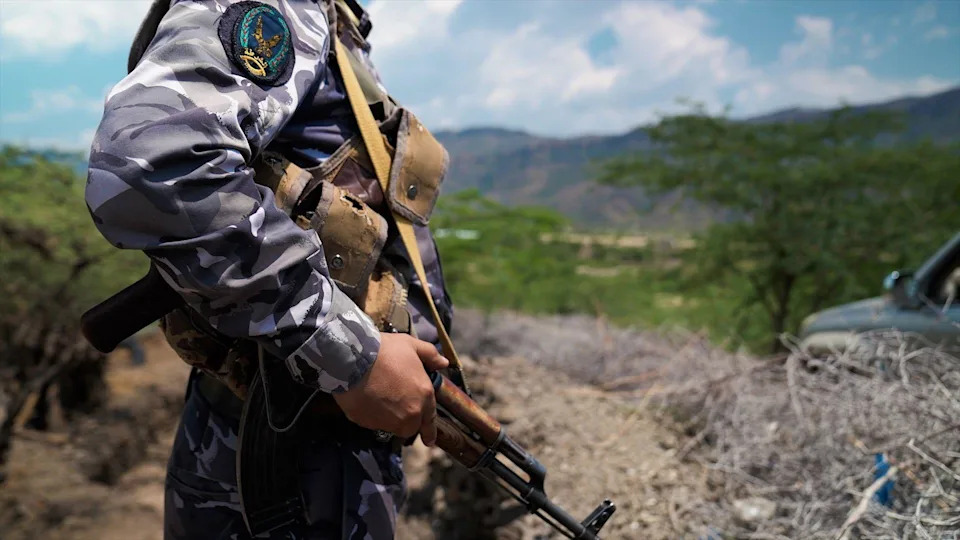
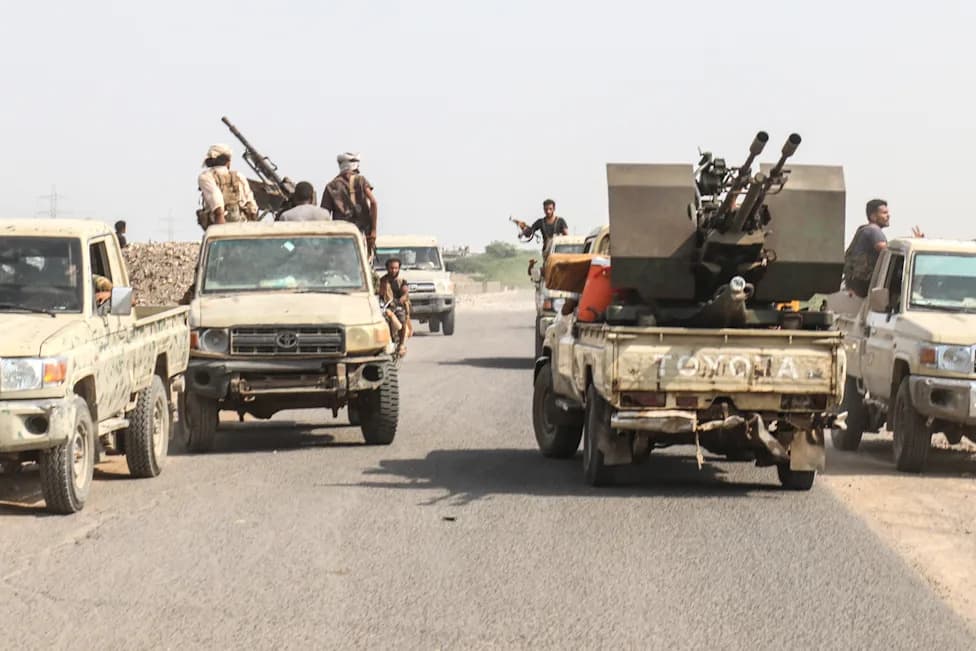
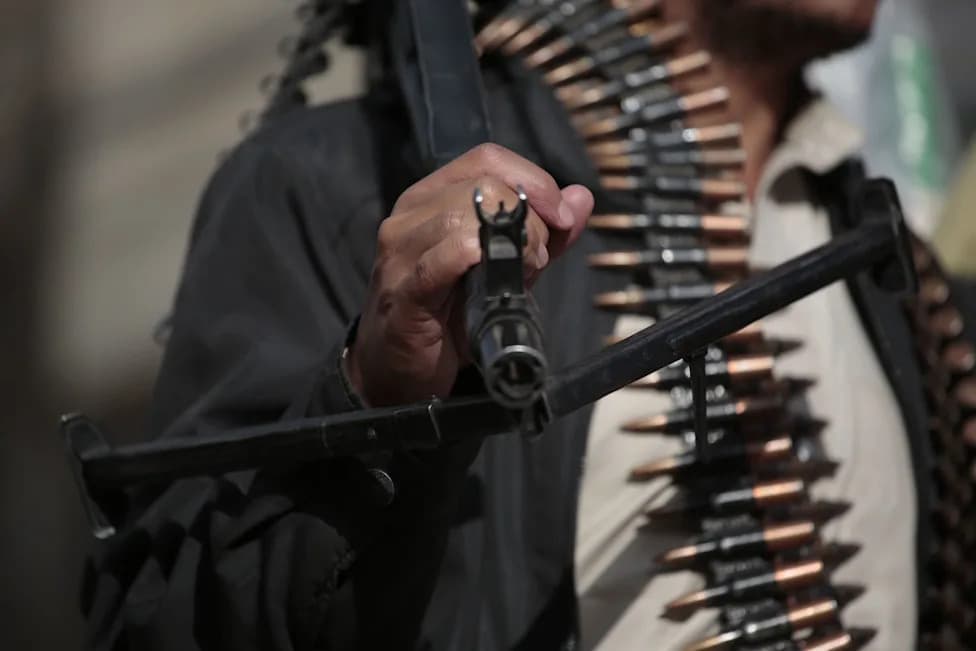
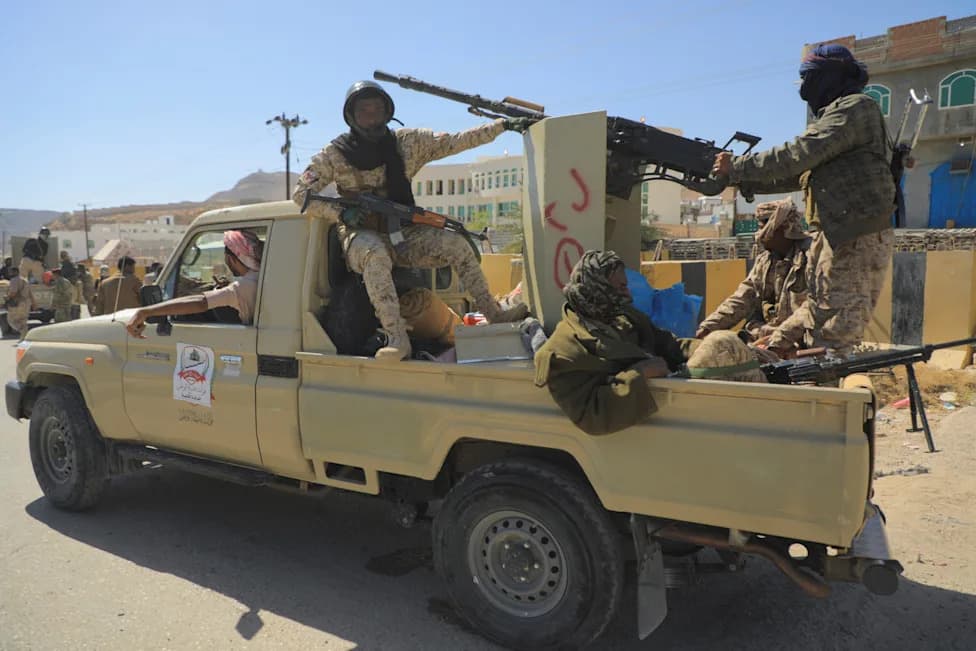
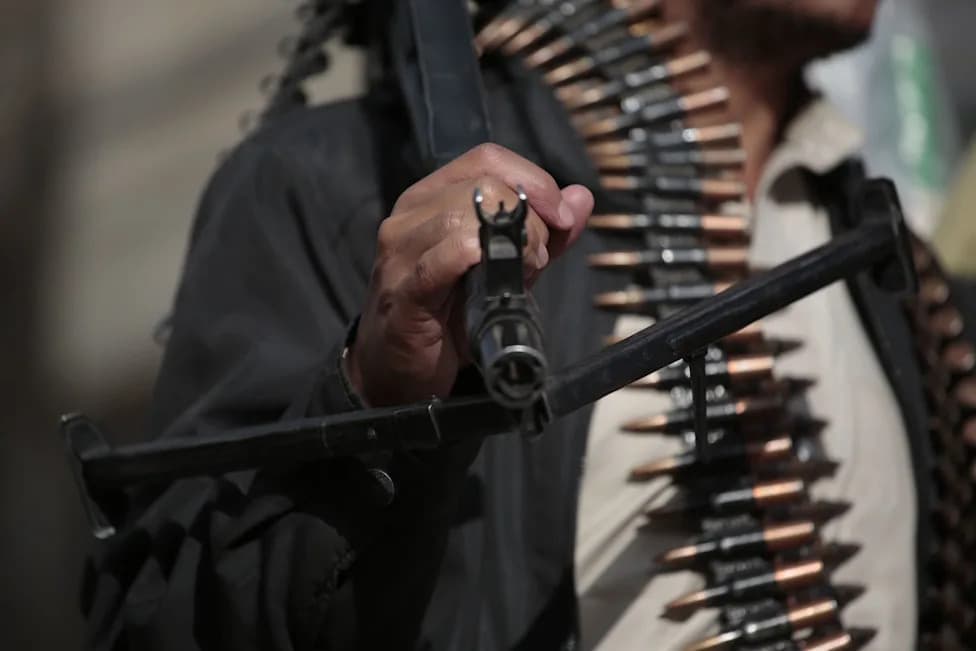
An international coalition led by Saudi Arabia is providing the Yemeni government with weapons [Liam Weir/BBC]
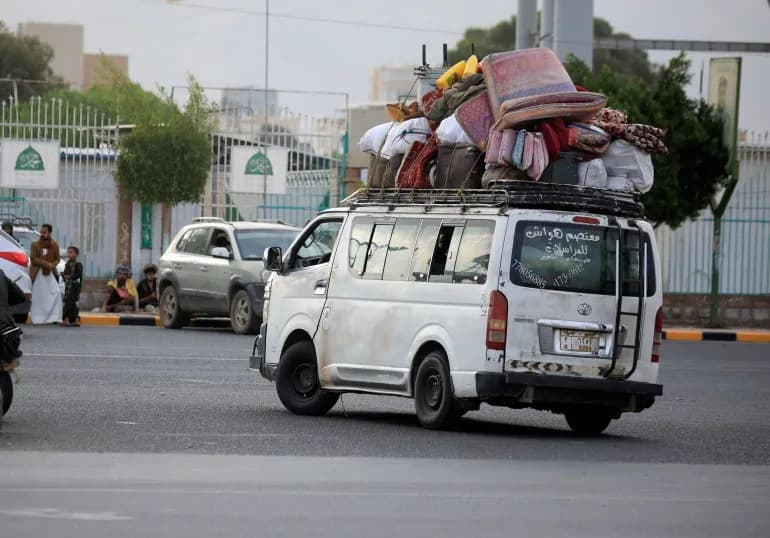
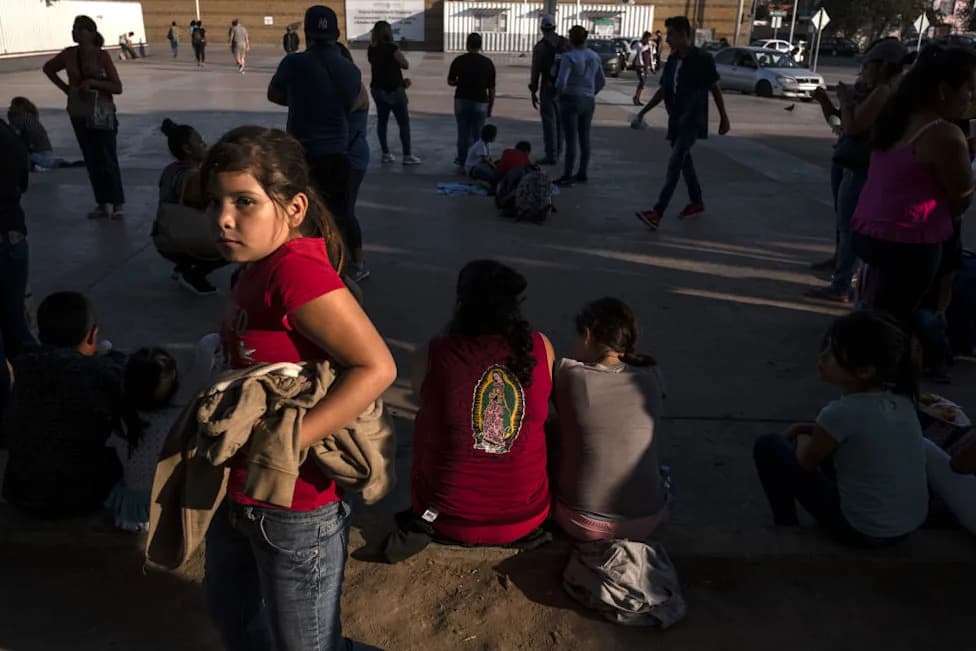
Fleeing families tell of harrowing journeys. Maryam Saleh (not her real name) said she and her children walked barefoot from Mokha; her nephew was killed by shrapnel. Fatma Mohammed Saleh, who cannot walk, crawled for two days before a stranger on a motorcycle brought her to a displacement camp; she has not seen her family since.
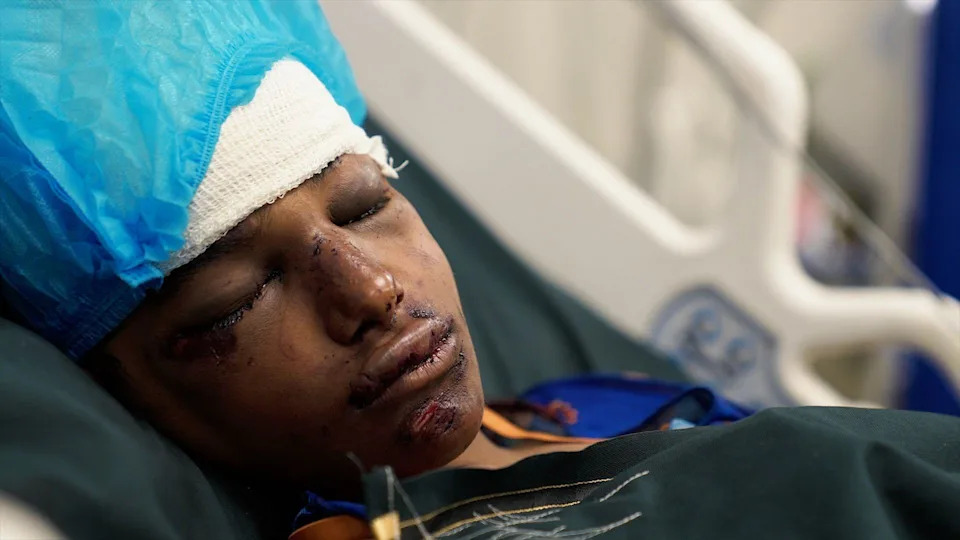
Twelve-year-old Ghana was seriously injured by a mortar while herding goats [Liam Weir/BBC News]
Strategic Stakes
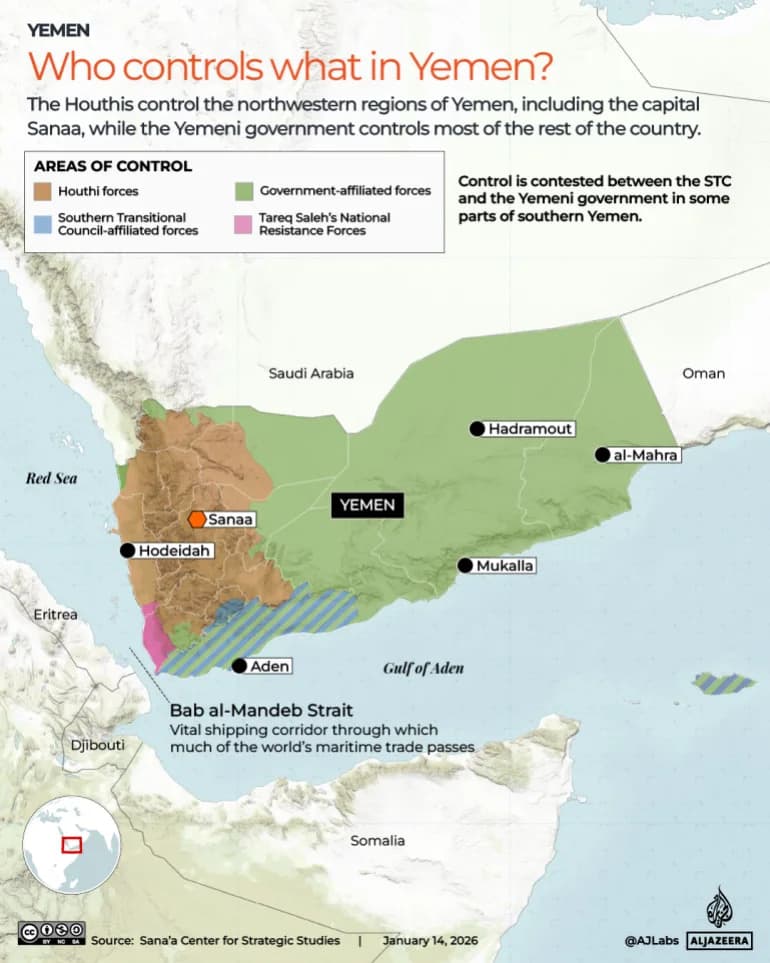
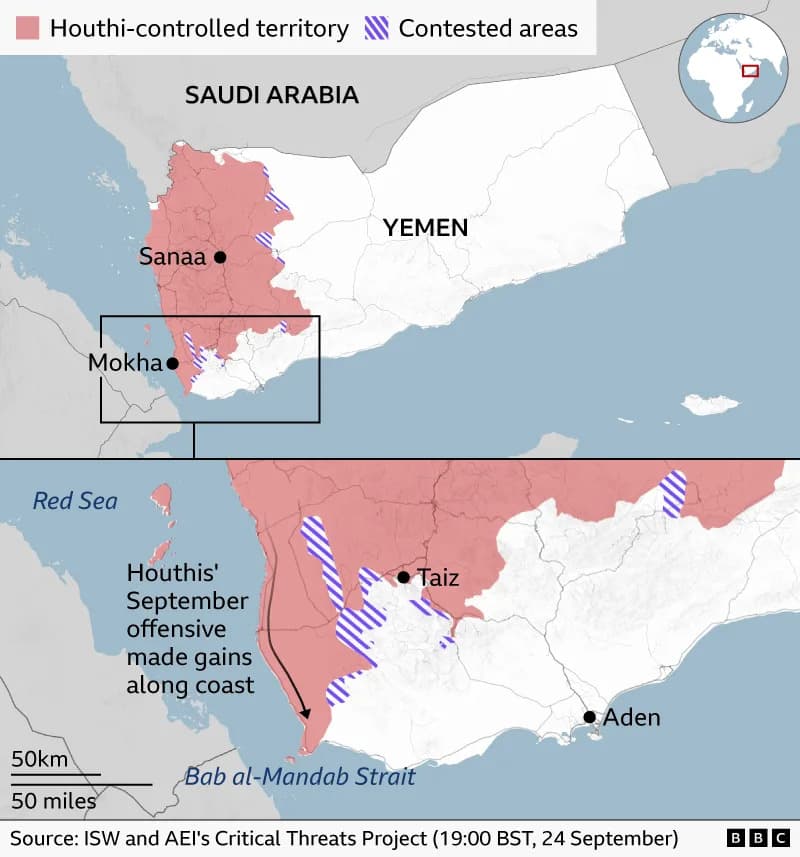
Hostilities intensified after the Houthis seized Mokha on 10 September, gaining positions that overlook the Bab al-Mandab Strait, a vital shipping corridor linking Europe and Asia. That advance has raised regional alarm and contributed to pressure on oil markets.
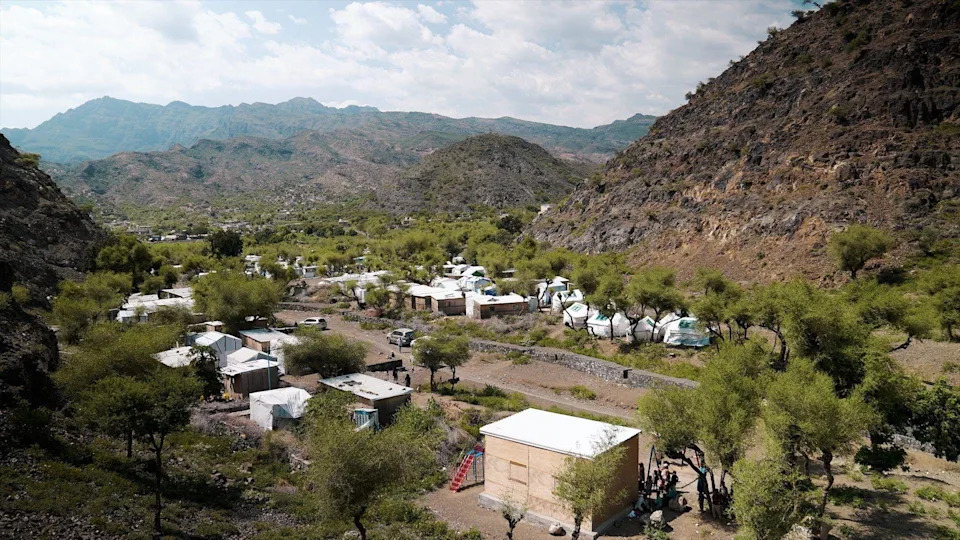
The UN says 130,000 people have been displaced by fighting in Yemen so far this month [Liam Weir/BBC]
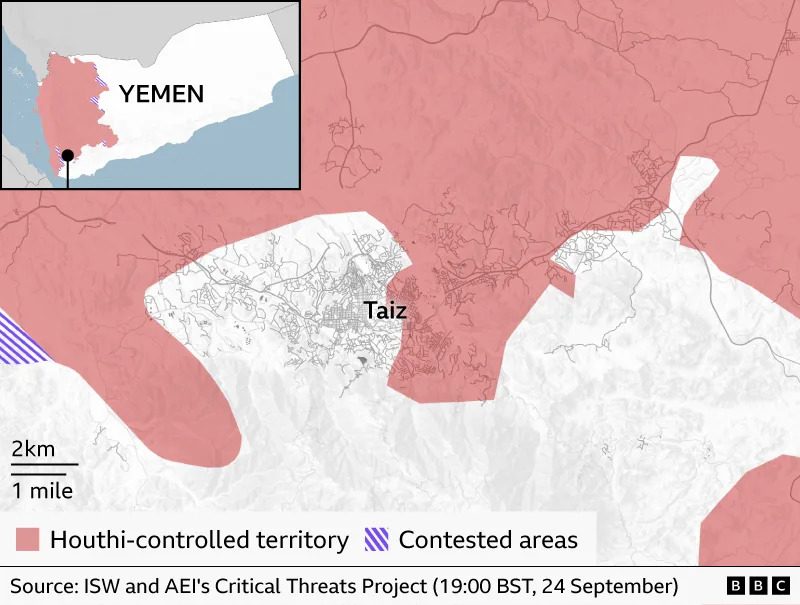
Taiz, Yemen's third-largest city and cultural centre, sits at a strategic crossroads between Houthi-held north and government-held south. Government forces control the city centre while Houthi units hold positions to the north, east and increasingly to the west, contesting high ground that could make retaking Mokha far more difficult.
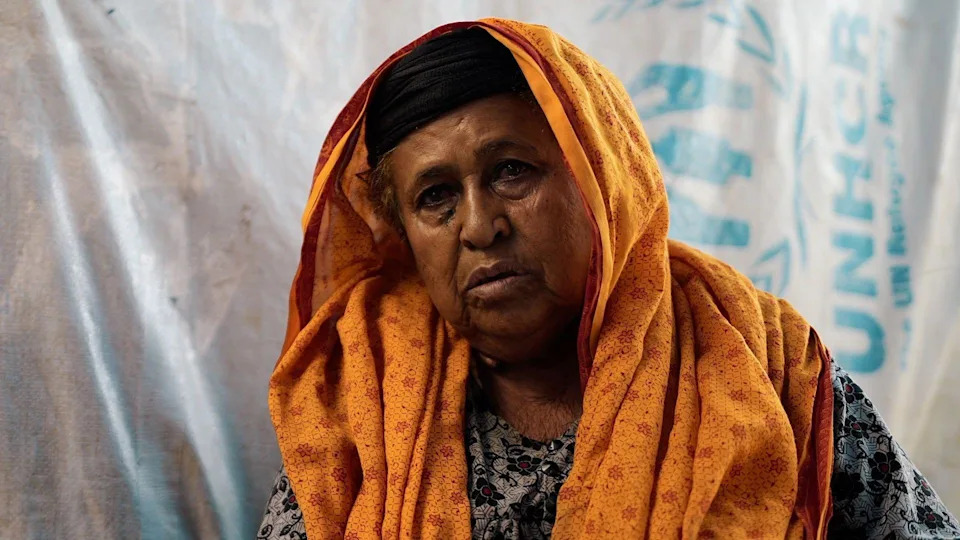
Fatma Mohammed Saleh, who cannot walk, says she crawled for two days before being given a lift by a motorcyclist [Liam Weir/BBC]
Military Backing And Tactics
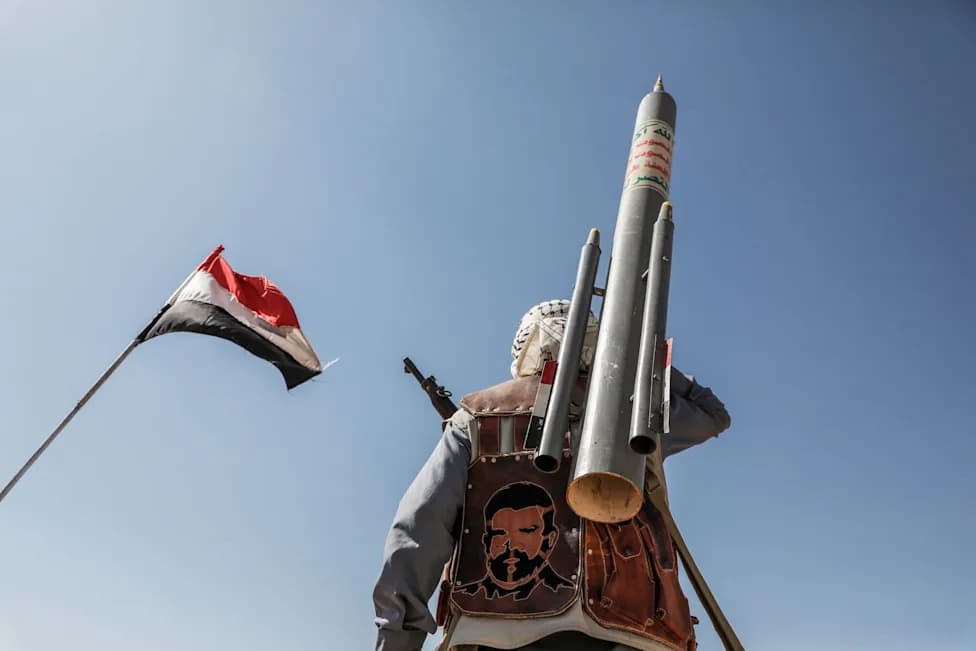
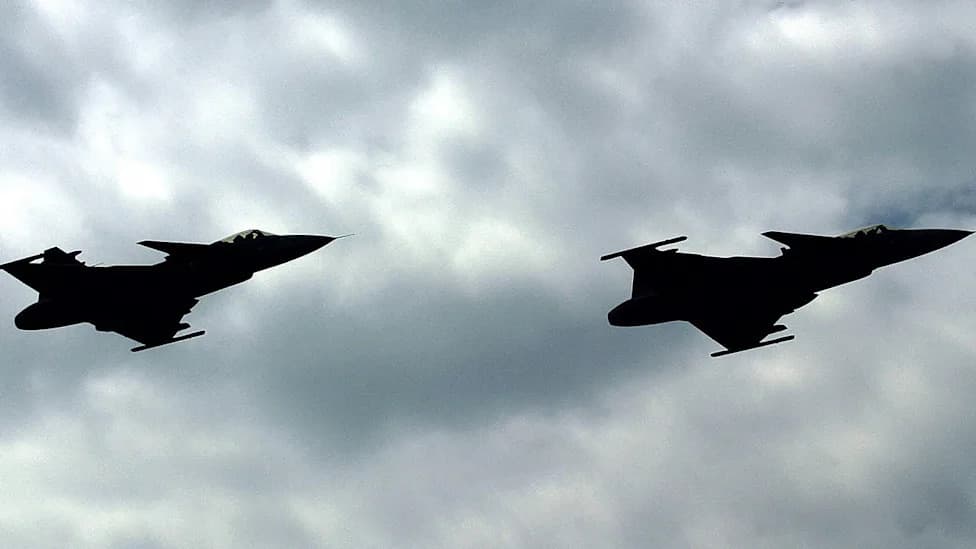
The conflict increasingly features drones, missiles and air strikes. Saudi Arabia and a coalition of allies back the internationally recognised government and have conducted hundreds of air strikes on Houthi positions. Saudi and Western officials and UN experts say Iran supplies weapons, funding and advice to the Houthis — an allegation Tehran denies. There are also persistent reports of child soldiers among Houthi ranks, despite a 2022 UN action plan aimed at ending the practice.
Displacement And Humanitarian Strain
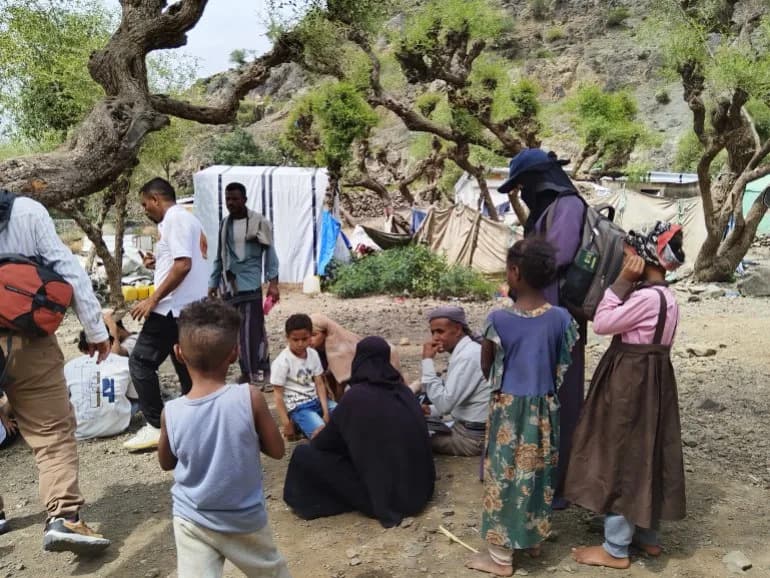
About 20 km south of Taiz, the al-Monig displacement camp has received hundreds of families in recent weeks; camp workers reported roughly 200 families arriving in ten days. The UN refugee agency said more than 130,000 people were displaced across Yemen this month alone, in addition to some 5.2 million people already uprooted by the civil war, and warned another 100,000 could be forced from their homes in the coming months.
The clashes around Taiz — a mix of drones, artillery and ground assaults amid a fragmented set of pro-government forces marked by roughly 30 checkpoints along the Aden–Taiz route — are producing an acute humanitarian toll: damaged hospitals, shattered communities and families living in tents uncertain whether the next strike will reach them.
Additional reporting by Jasmin Dyer.
Help us improve.