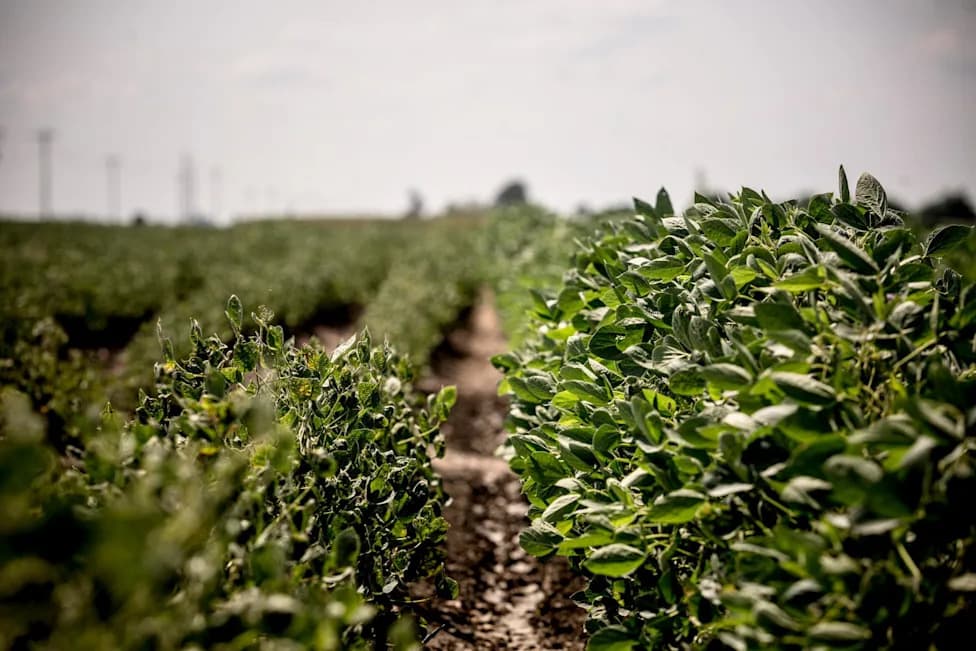
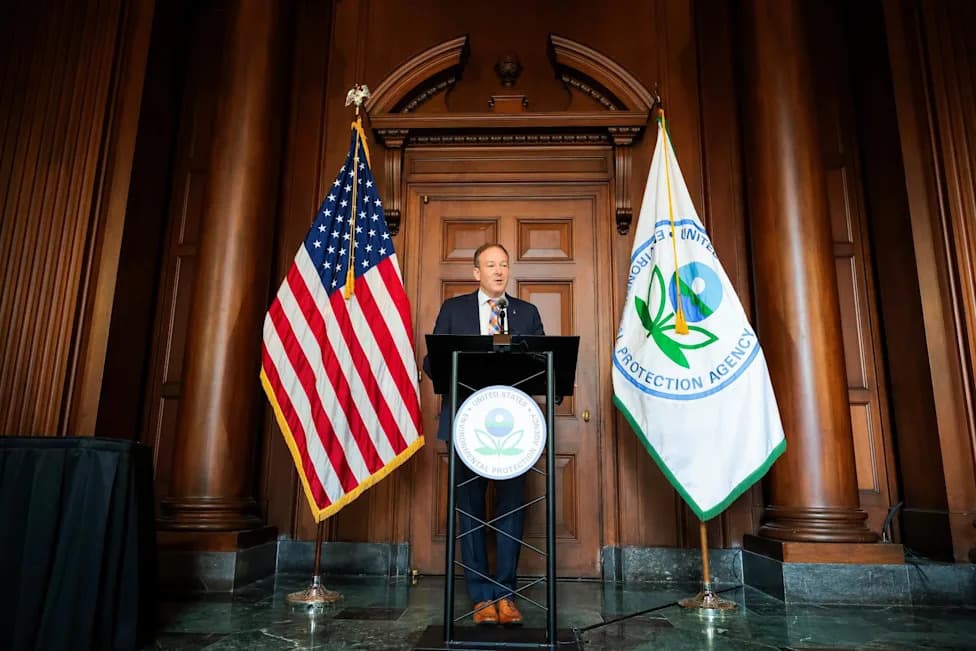
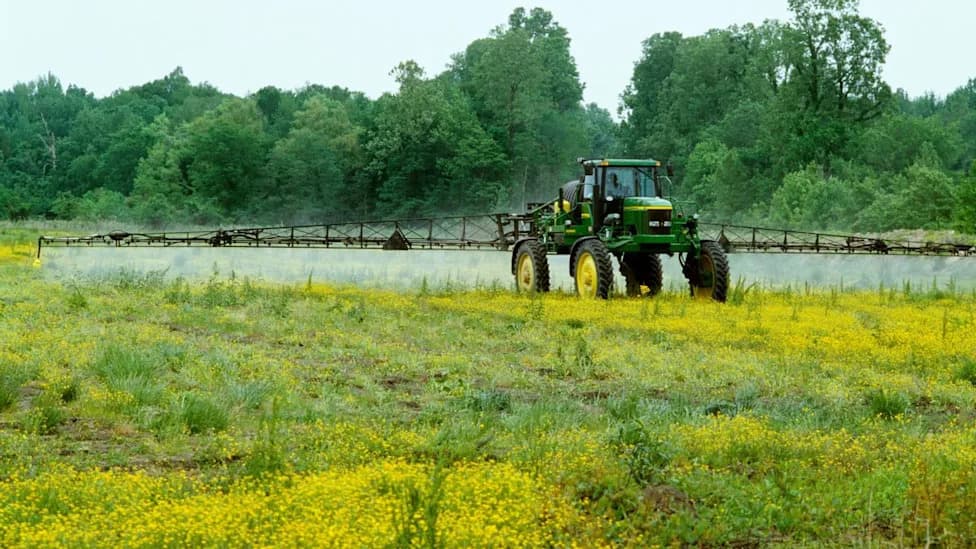
The EPA is facing scrutiny after internal records showed it asked Bayer to choose among options to limit dicamba's volatility and runoff and then incorporated those selections into a proposed rule. Critics say the approach allowed the registrant to influence safeguards, while the EPA defends its process as working as intended. Dicamba has repeatedly drifted off-target, damaging crops and vegetation, and studies have linked exposure to elevated risks of liver cancer and non-Hodgkin lymphoma.
EPA Records Show Bayer Chose Dicamba Safeguards That Were Folded Into Proposed Rule
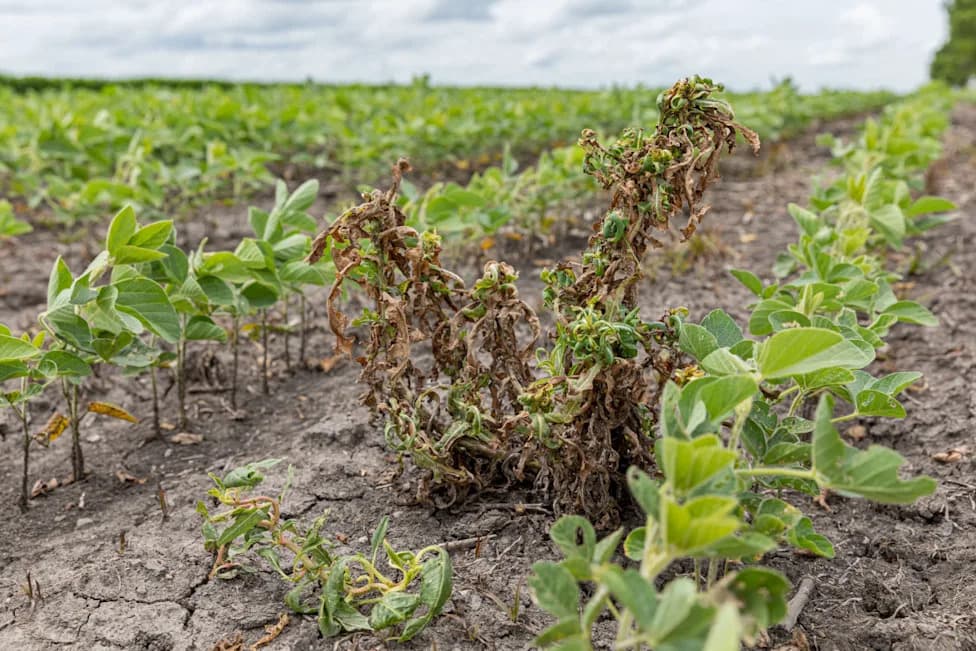
Photo Credit: iStock
Internal documents disclosed during ongoing litigation reveal the Environmental Protection Agency asked Bayer to select among mitigation options for the herbicide dicamba, then incorporated the company's choices into a proposed federal rule.
What the Records Show
The materials, produced in lawsuits brought by the Center for Biological Diversity and the Center for Food Safety, show the EPA presented Bayer with a "menu" of measures intended to reduce dicamba's volatility and runoff. In several cases Bayer selected the least restrictive option or a mid-tier alternative, and the documents indicate the company received an additional revision it sought.
Specifics of the Choices
At a May 2025 meeting, Bayer was reportedly given two approaches to limit dicamba volatility. The tougher option would have barred spraying when air temperatures exceeded 85°F; the alternative would permit spraying up to 95°F if fewer acres were treated. For runoff, the EPA outlined three mitigation frameworks and asked registrants for input on “what mitigation and mitigation implementation option they would like to move forward with,” according to an agency manager quoted in the records.
Concerns and Context
Dicamba has a long record of moving off-target after application, damaging neighboring crops, orchards, gardens, native vegetation, trees and wildlife refuges. Public health discussions have cited studies linking dicamba exposure with higher risks of liver cancer and non-Hodgkin lymphoma, intensifying concern about any rollbacks or weakened protections for people who live and work near treated areas.
"It becomes troublesome when the EPA allows them to regulate themselves by choosing the mitigations," said Nathan Donley, environmental health science director at the Center for Biological Diversity, describing the exchange as "crossing a line."
Critics also point to staffing ties between the EPA and the chemical industry. The agency's four top toxics-office positions are now held by former industry officials, including Kyle Kunkler, a former pesticide lobbyist who serves as a deputy assistant administrator overseeing the pesticides program.
In response, the EPA told The Guardian: "Make no mistake: this is not a compliance failure; it is the regulatory system working exactly as intended." The agency added that "the registrant does not dictate terms."
Why This Matters
The newly released records follow earlier legal and regulatory battles: courts have twice removed dicamba products from the market because of drift-related harms, only for the EPA to approve them again. The disclosures have renewed debate over whether the agency is sufficiently independent when developing pesticide safeguards and whether current rules adequately protect communities and ecosystems from drifting herbicides.
Key Players: Bayer (registrant), EPA (regulator), Center for Biological Diversity and Center for Food Safety (litigants).
What Happens Next: Litigation continues and public scrutiny of the rulemaking process has intensified, with environmental groups urging stronger safeguards and greater transparency.
Help us improve.