This year’s El Niño — dubbed the "Godzilla El Niño" — has broken instrumental records, with sea surface temperatures about 3.08°C above average as of Sept 24, 2026, and projections that it could approach ~4°C. The event weakens trade winds, shifts warm Pacific water eastward and alters jet streams, producing global changes in storms, droughts, fires and fisheries. Analysts warn of large economic and humanitarian impacts, and researchers say climate change is amplifying El Niño’s effects.
Explainer: This Year’s Record-Breaking “Godzilla” El Niño — What It Means
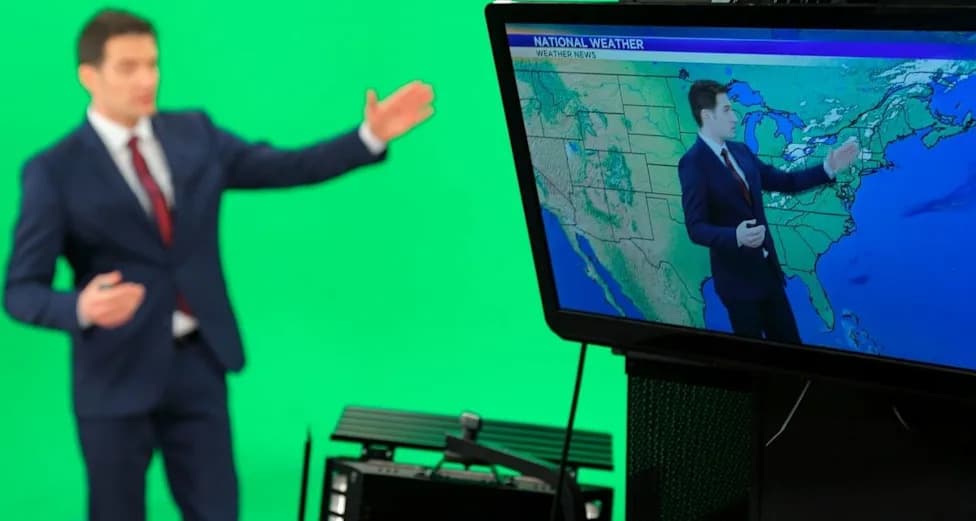
It's going to be a wild season for weather forecasters around the world.
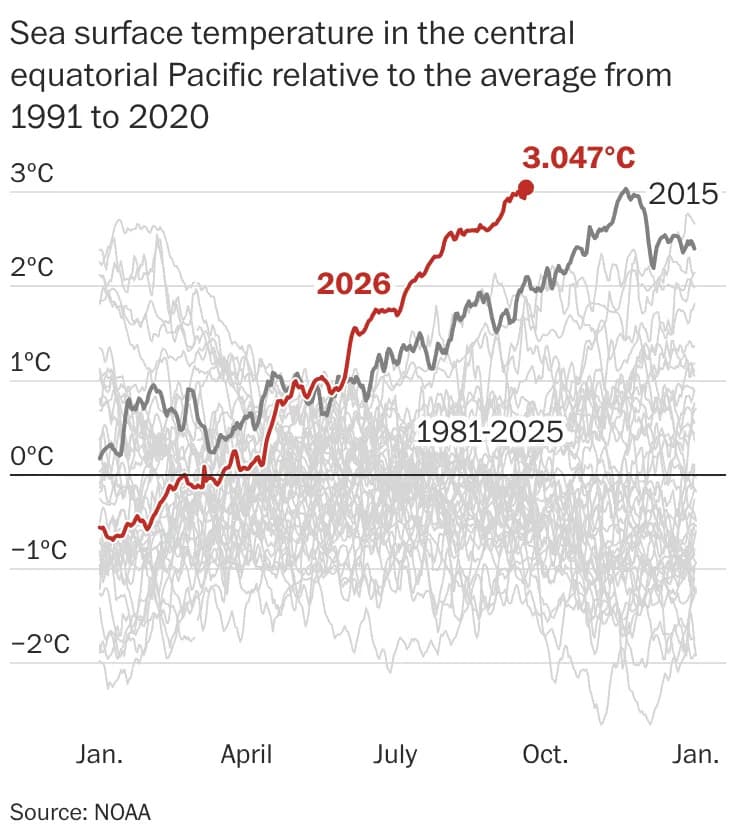
Every few years meteorologists label shifts in the tropical Pacific as El Niño or La Niña to indicate broad changes in temperature, rainfall and global weather patterns. This year’s event — already nicknamed the "Godzilla El Niño" — has drawn unusual attention because it has set a new measured record for sea surface temperature anomaly and may still strengthen.
What Is El Niño?
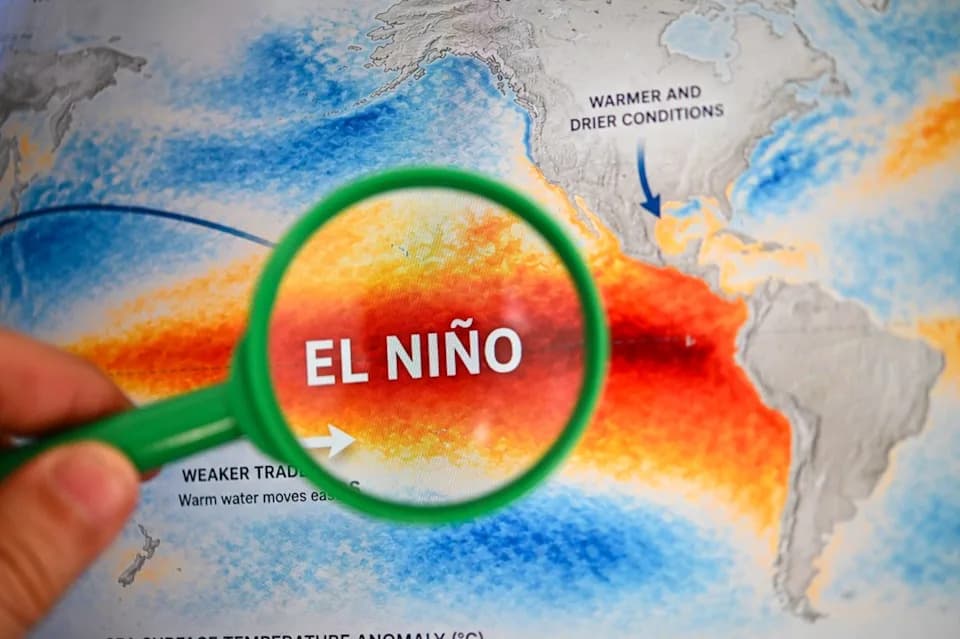
An El Niño is defined by sustained warming of equatorial Pacific sea surface temperatures about 0.5°C or more above the long-term average (La Niña is the opposite, a comparable cooling). When trade winds weaken, warm surface water shifts eastward, altering atmospheric pressure, jet streams and global weather patterns.
How Strong Is This Event?
In a short video published on September 24, 2026, Mitchell Moffit of AsapSCIENCE noted that sea surface temperatures tied to this event were roughly 3.08°C above the baseline at that time — higher than peaks recorded in modern instrumental records — and he described projections that the anomaly could approach ~4°C. Historical reconstructions suggest a massive late-19th-century El Niño (around 1877) may have had very large impacts as well, though satellite-era observations are more reliable for precise numbers.
How It Affects Weather and Climate
El Niño’s eastward shift of warm Pacific water heats the overlying atmosphere and reorganizes large-scale pressure patterns. Those changes alter jet streams and storm tracks, producing regional consequences such as:
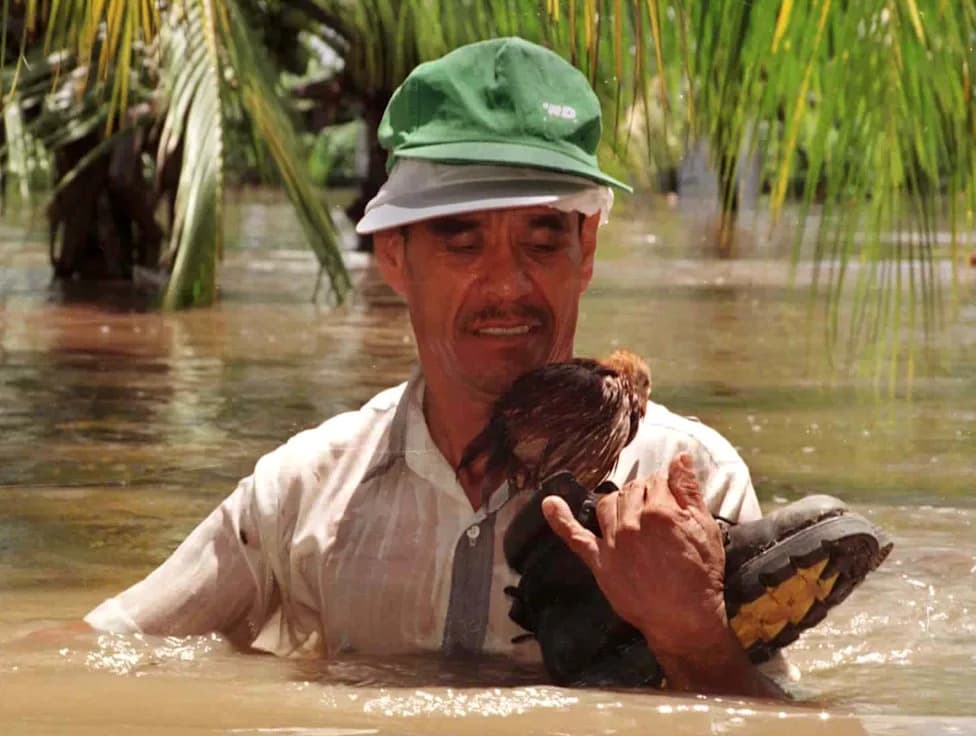
- Wetter, stormier conditions and elevated flood and mudslide risk along the west coasts of North and South America.
- Hotter, drier conditions in parts of Africa and Oceania, increasing the risk of heat waves and wildfires.
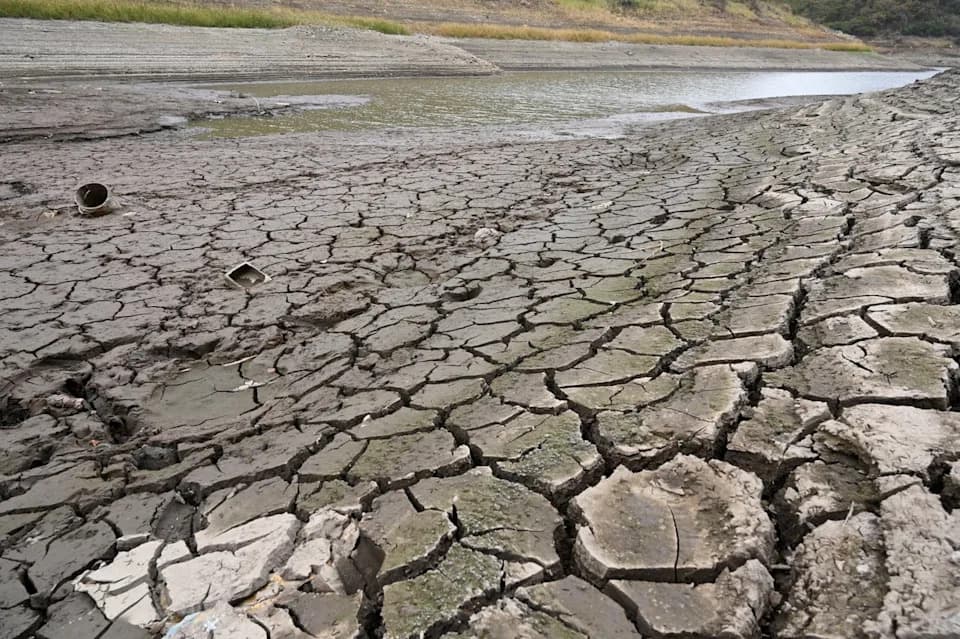
- Drought threats for regions including the Amazon, Central America and portions of the Sahel.
- Fewer Atlantic hurricanes during strong El Niño years, but increased activity in parts of the Pacific basin.
Economic, Humanitarian and Ecosystem Impacts
El Niño affects agriculture, fisheries and supply chains. For example, Peru suspended its anchovy season after fish moved deeper to find cooler water. Moffit cites a 2023 estimate that an average El Niño contributes roughly $3.4 trillion in global losses over the subsequent five years. For this unusually strong event, some projections warn of severe humanitarian impacts, including hundreds of thousands of heat-related deaths and tens of millions pushed into acute hunger due to crop failures and disruptions.
"It's almost like a steroid added to the warming from climate change," Moffit says, explaining that while El Niño is a natural climate oscillation, ongoing global warming can amplify its effects and make combined impacts worse.
What You Can Do
Local preparations depend on your region: communities on the Americas' west coasts should prepare for heavy rains and flooding risk, while areas prone to heat and drought should ready water-conservation and wildfire-response plans. Policymakers and humanitarian agencies should monitor evolving forecasts, strengthen early warning systems and plan for supply-chain and food-security responses.
If you want a concise visual overview, Moffit's AsapSCIENCE video on YouTube walks through the core points in under five minutes.
Help us improve.