Measles deaths have reappeared in the U.S. — Pennsylvania has reported four deaths, 693 cases and 133 hospitalizations, the most U.S. measles deaths in a year since 1992. Experts say the rise reflects lower vaccination rates and increased global spread rather than a change in the virus. The MMR vaccine, given in two doses, offers about 97% protection and remains the best defense against severe illness and death.
Measles Deaths Rise in Pennsylvania as U.S. Vaccination Rates Fall — What You Need to Know
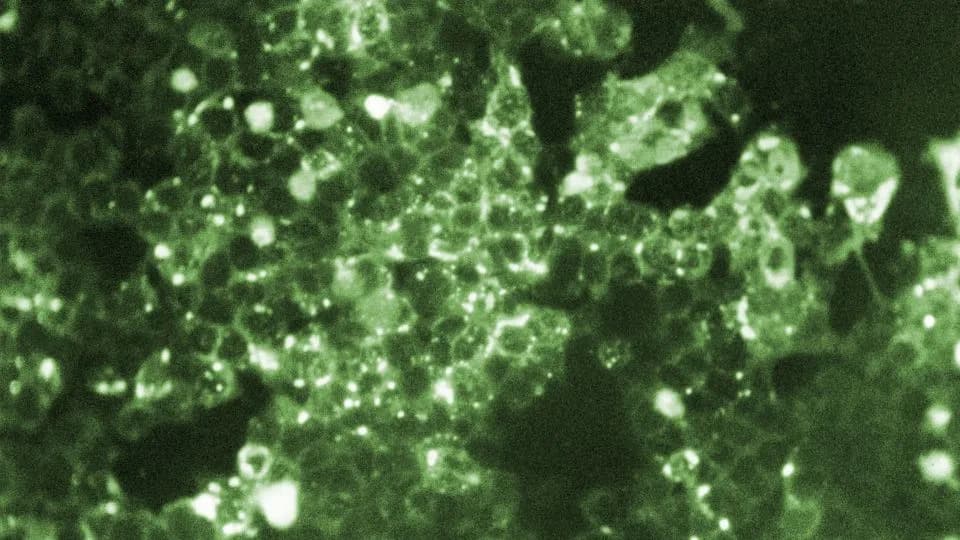
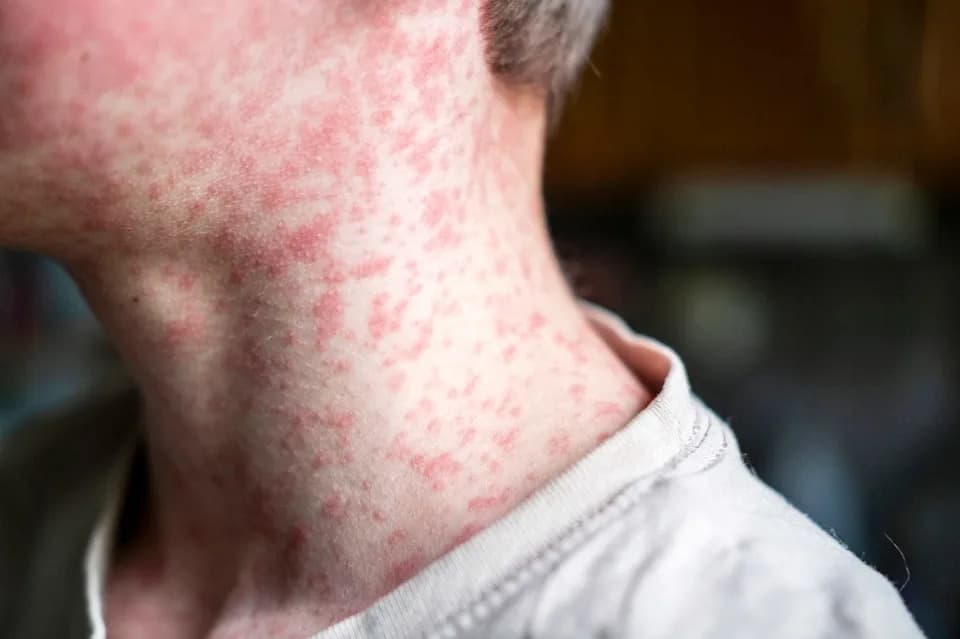
Measles is an extremely contagious virus, but deaths have been rare in the United States due to high rates of vaccination. - Centers for Disease Control
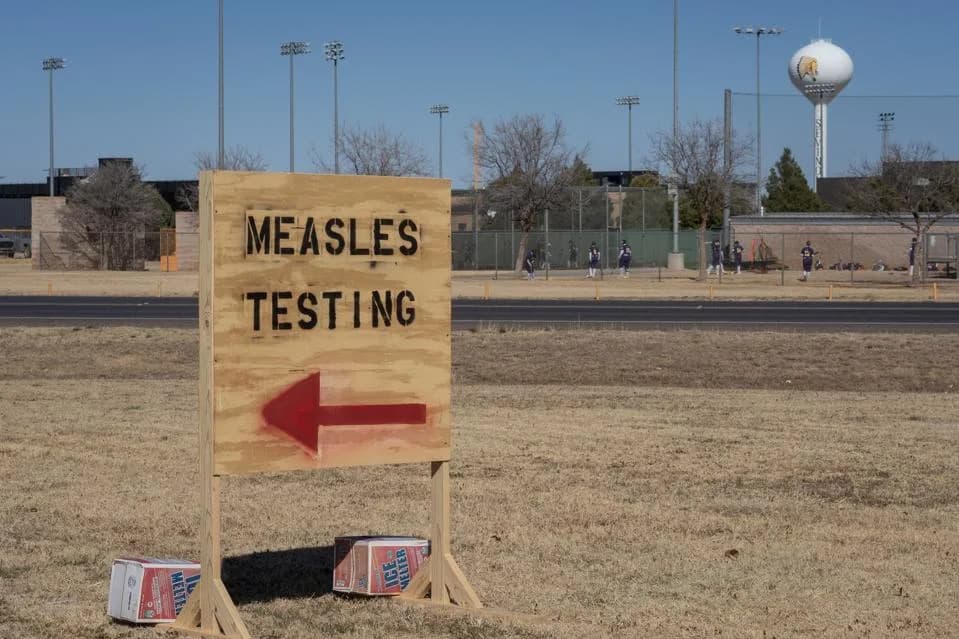
A fourth person with measles has died in Pennsylvania, state officials announced, marking the most measles deaths in a single U.S. year since 1992. The surge in cases and fatalities has renewed concerns about falling vaccination coverage and increasing international spread of the disease.
Current Situation
As of this week, the Pennsylvania Department of Health reported at least 693 measles cases, 133 hospitalizations and four deaths. Public health officials caution that official counts likely understate the full number of infections because mild cases may go unreported when people do not seek medical care.
Why Deaths Are Increasing
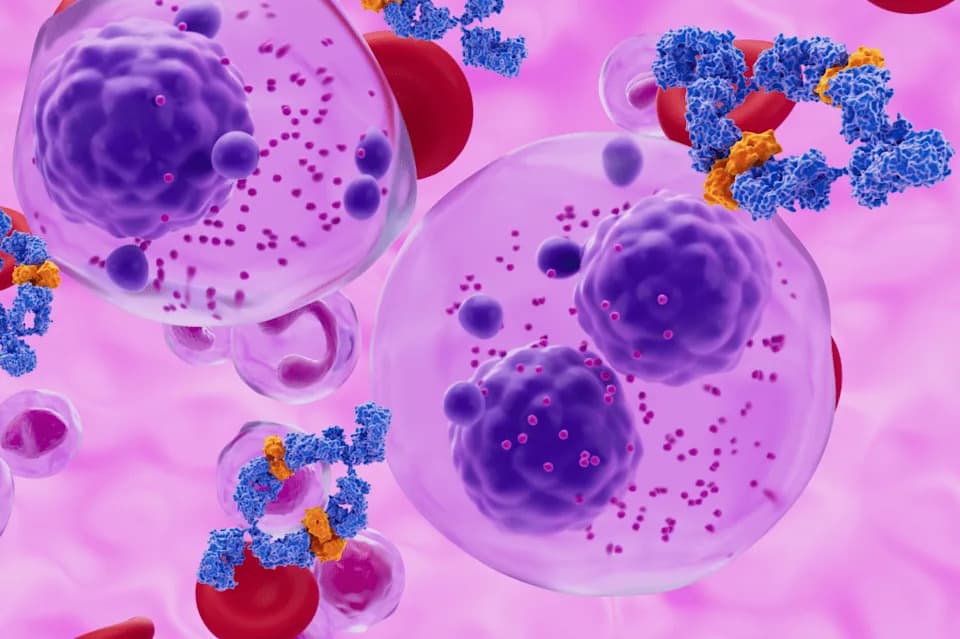
Measles deaths remain rare in the United States because most people are protected by a highly effective vaccine. Experts attribute the recent rise in U.S. deaths to two main factors: more infections overall, driven by lower vaccination rates in some communities, and infections occurring in people with underlying vulnerabilities.
Johns Hopkins epidemiologist William Moss said Pennsylvania's death toll is on the high side and reflects infections in people with risk factors for severe disease, including very young infants and people with chronic conditions.
Underlying Conditions and Complications
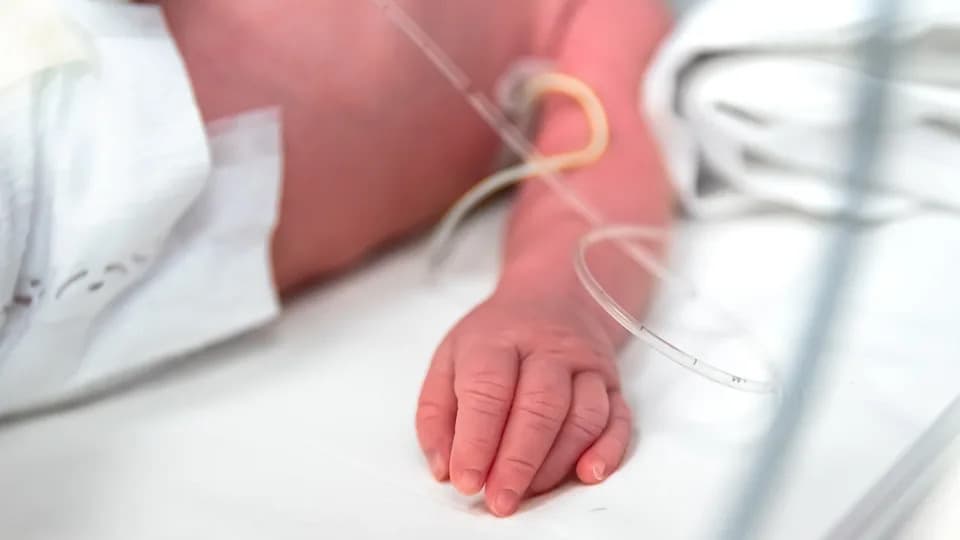
Officials noted the recent fatalities involved unvaccinated people, several of whom had significant underlying medical problems: two infants with severe preexisting health issues, a 40-year-old woman with chronic obstructive pulmonary disease (COPD), and an 18-year-old who died from acute disseminated encephalomyelitis (ADEM), a rare neurological complication.
ADEM is an inflammatory condition of the brain and spinal cord that develops in roughly 1 in 1,000 measles cases. Another rare but fatal long-term complication is subacute sclerosing panencephalitis (SSPE), which can appear seven to 10 years after infection.
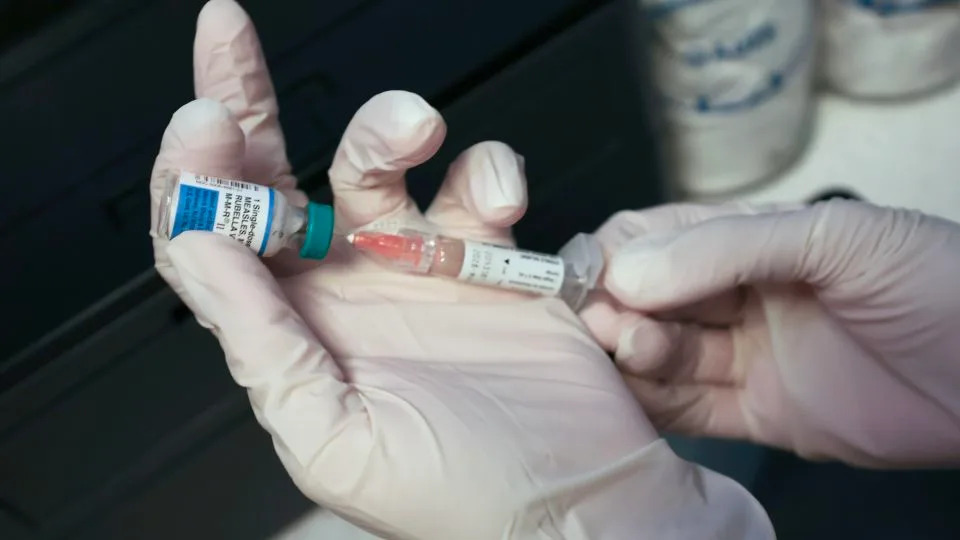
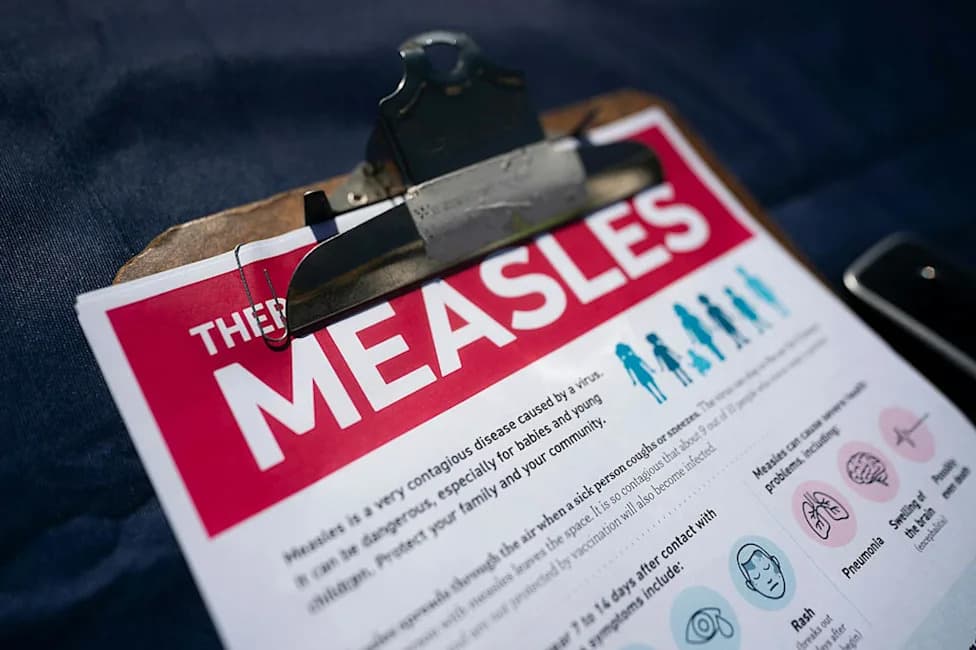
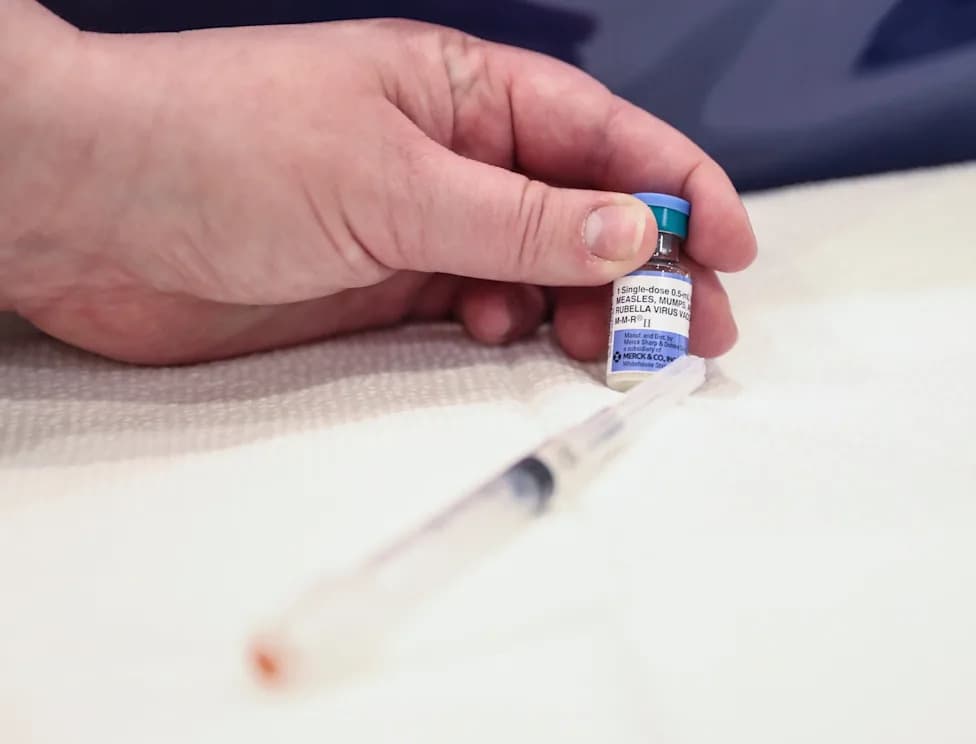
Measles vaccination is very safe and highly effective, providing lifelong protection for most people. - Joe Raedle/Getty Images
Context and Historical Perspective
Before the measles vaccine became available in 1963, the virus infected an estimated 3 to 4 million Americans each year and caused about 500 deaths annually in the United States. Measles was declared eliminated in the U.S. in 2000, but recent outbreaks have prompted a reassessment of that status.
Globally, the World Health Organization estimated about 95,000 measles deaths in 2024, with roughly 95% occurring in low-income countries with weaker health systems. Worldwide, measles historically caused millions of deaths before widespread vaccination; the WHO estimates immunizations prevented about 59 million deaths from 2000 to 2024.
Risk And Prevention
Measles is extremely contagious: up to 9 out of 10 unvaccinated people exposed to the virus will become infected. In the U.S., research indicates roughly 1 death per 1,000 measles cases, while worldwide the rate is closer to 3 deaths per 1,000 cases.
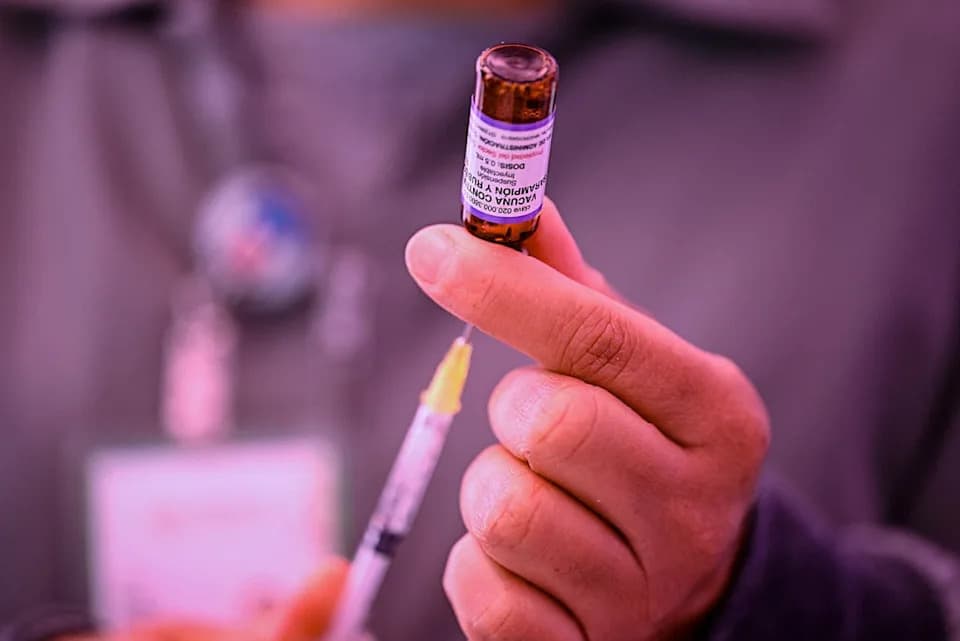
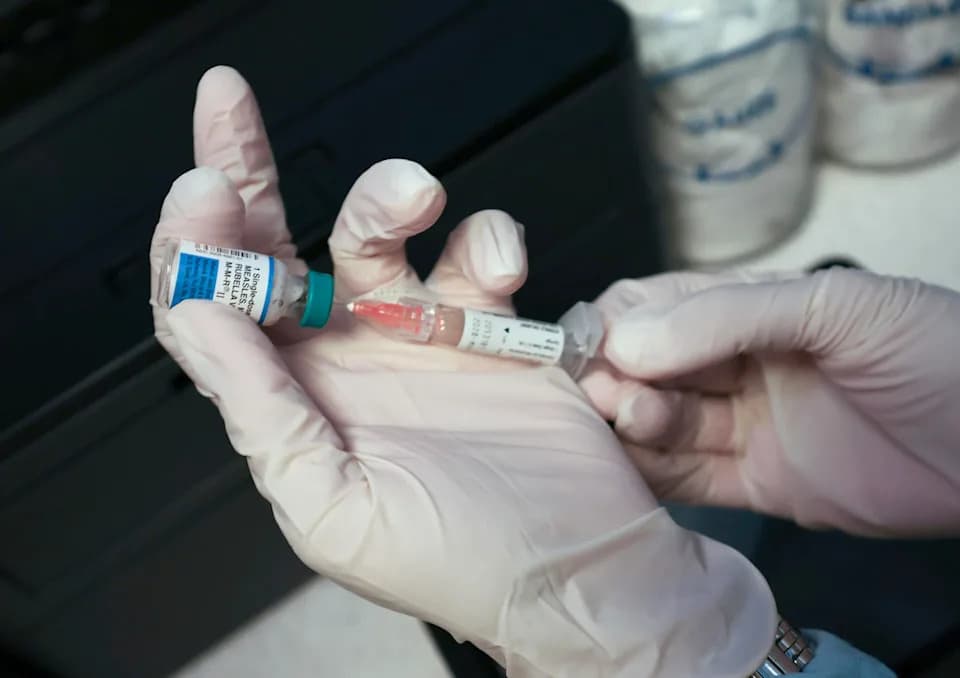
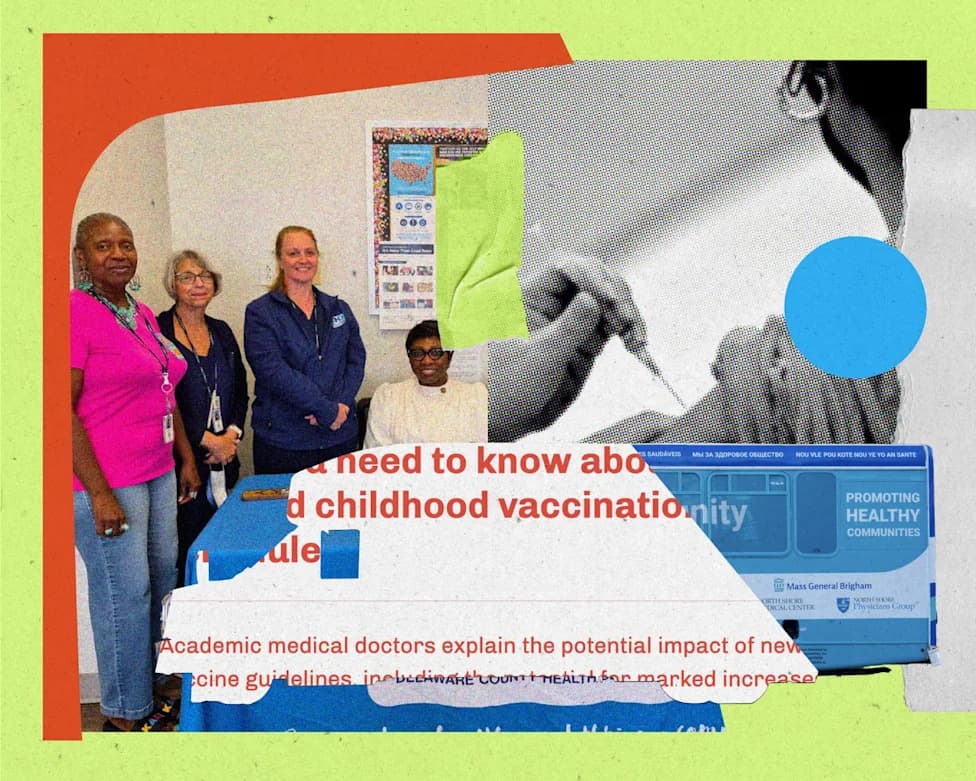
There is no specific antiviral treatment for measles, making prevention by vaccination the best protection. The measles, mumps and rubella (MMR) vaccine is given in a two-dose schedule: the first dose at 12 to 15 months and a second dose at 4 to 6 years. Two doses provide about 97% protection for most people and typically confer long-lasting immunity. Vaccinated people have very low risk of death unless they are immunosuppressed.
Takeaway
The recent fatalities are tragic reminders that measles can be deadly, particularly for unvaccinated people and those with underlying health vulnerabilities. Experts emphasize that the current increase in deaths reflects greater spread of the virus due to pockets of low vaccination, not a change in the virus itself. Strengthening vaccination coverage remains the most effective way to prevent severe illness and future deaths.
Sources: Pennsylvania Department of Health, World Health Organization, Johns Hopkins University, CDC.
Help us improve.