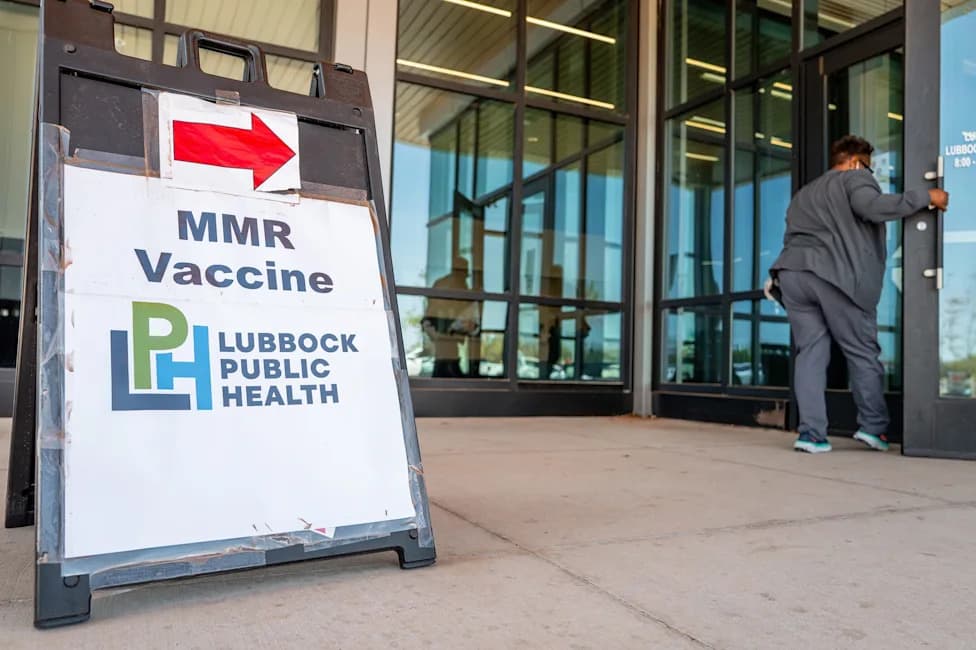
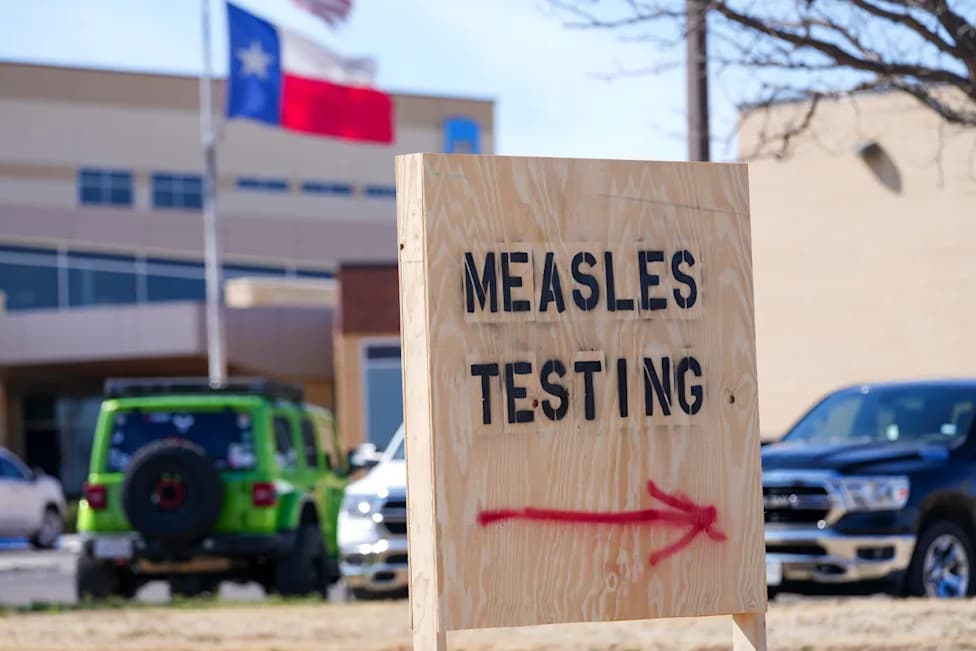
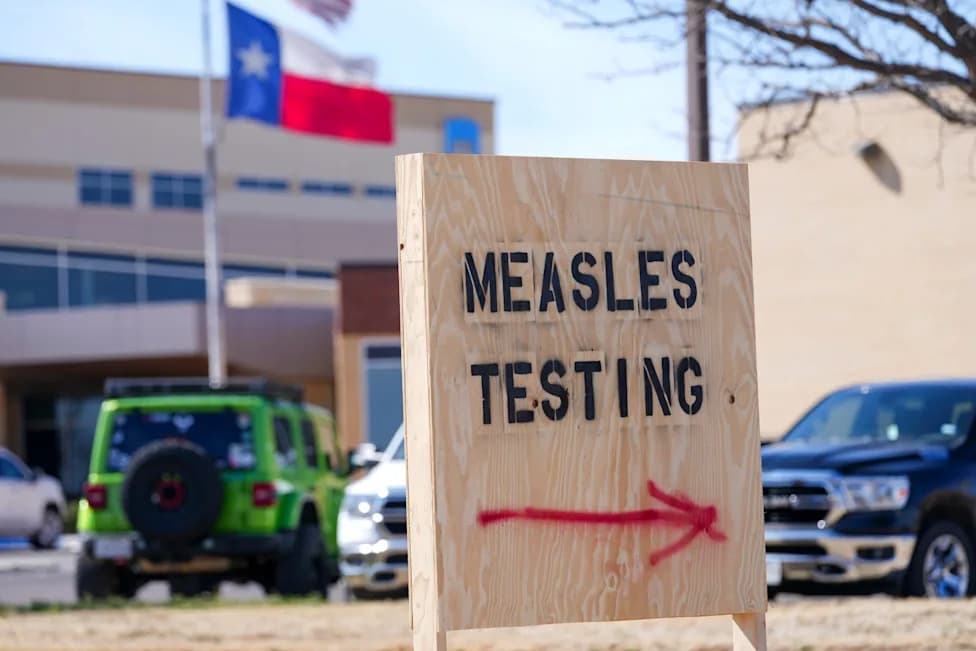
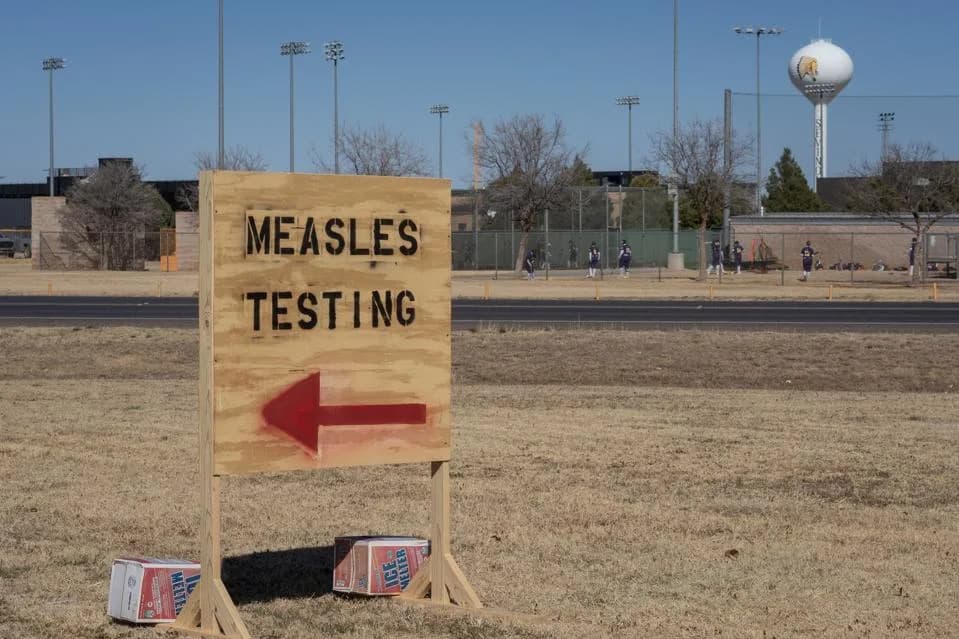
Measles cases have surged in Pennsylvania: 693 confirmed cases, 133 hospitalizations and three deaths among the unvaccinated as of Sept. 14, 2026. Allegheny County's kindergarten MMR rate was 91.8% for 2025–26, below the 95% threshold needed for herd immunity. Public health officials urge vaccination (two MMR doses by ages 4–6) and a 21-day quarantine for unvaccinated contacts after exposure.
Measles Cases Surge in Pennsylvania as Pittsburgh Kindergarten Vaccination Rates Fall Below Safety Threshold
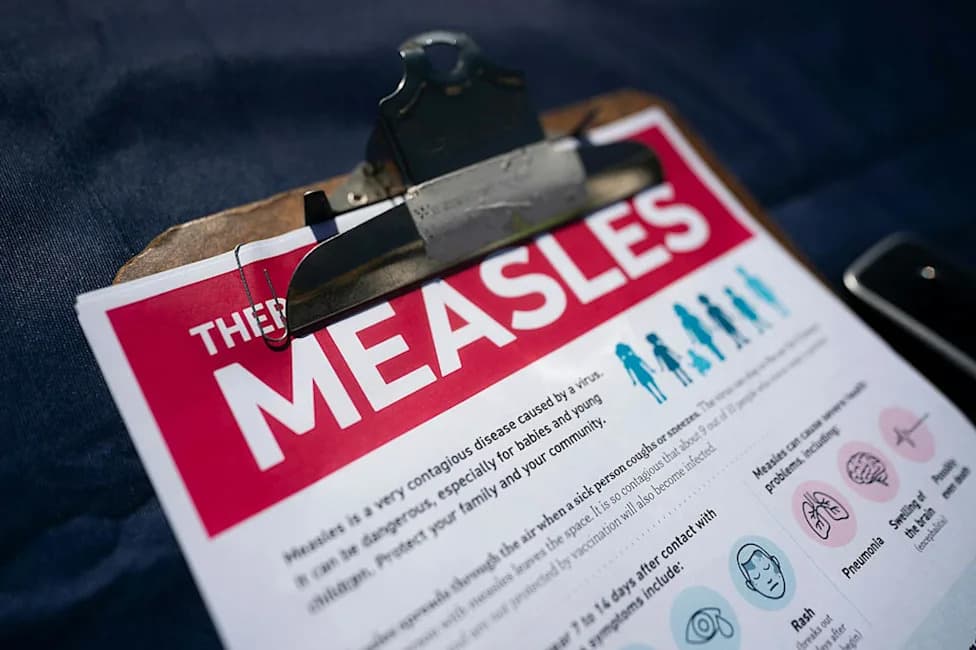
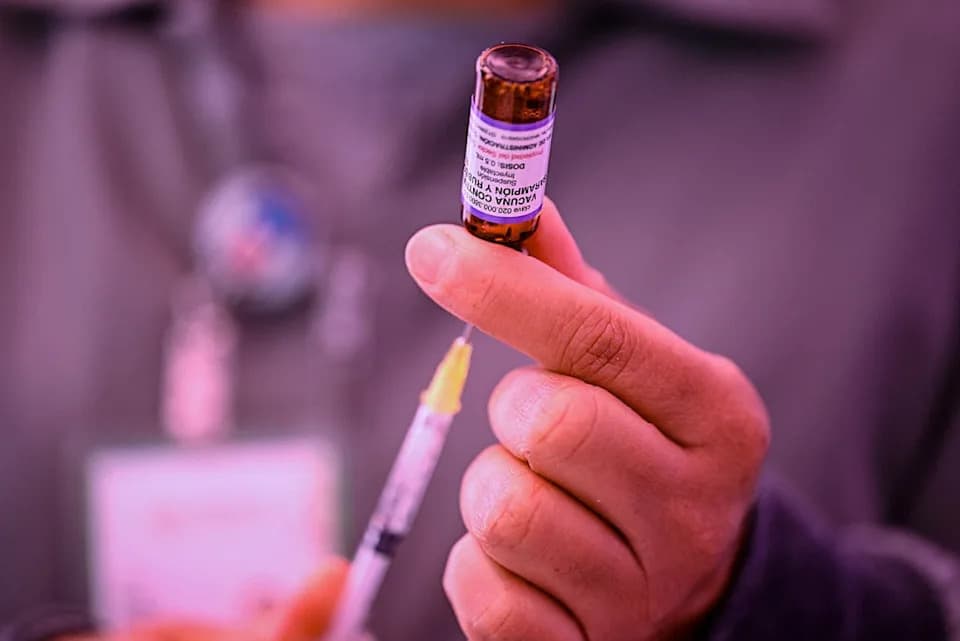
Pennsylvania's 2026 outbreak has grown to more than 670 confirmed cases statewide.Sean Rayford/Stringer via Getty Images
Reports of measles infections, exposure alerts and repeated reminders to check vaccination status have dominated Pittsburgh-area headlines since August 2026. Public health officials urge vaccination as the best defense against this highly contagious disease.
By the numbers: As of Sept. 14, 2026, the Pennsylvania Department of Health confirmed 693 measles cases across 38 of the state's 67 counties, including 133 hospitalizations and three deaths among unvaccinated people. For comparison, there were 16 cases statewide in all of 2025.
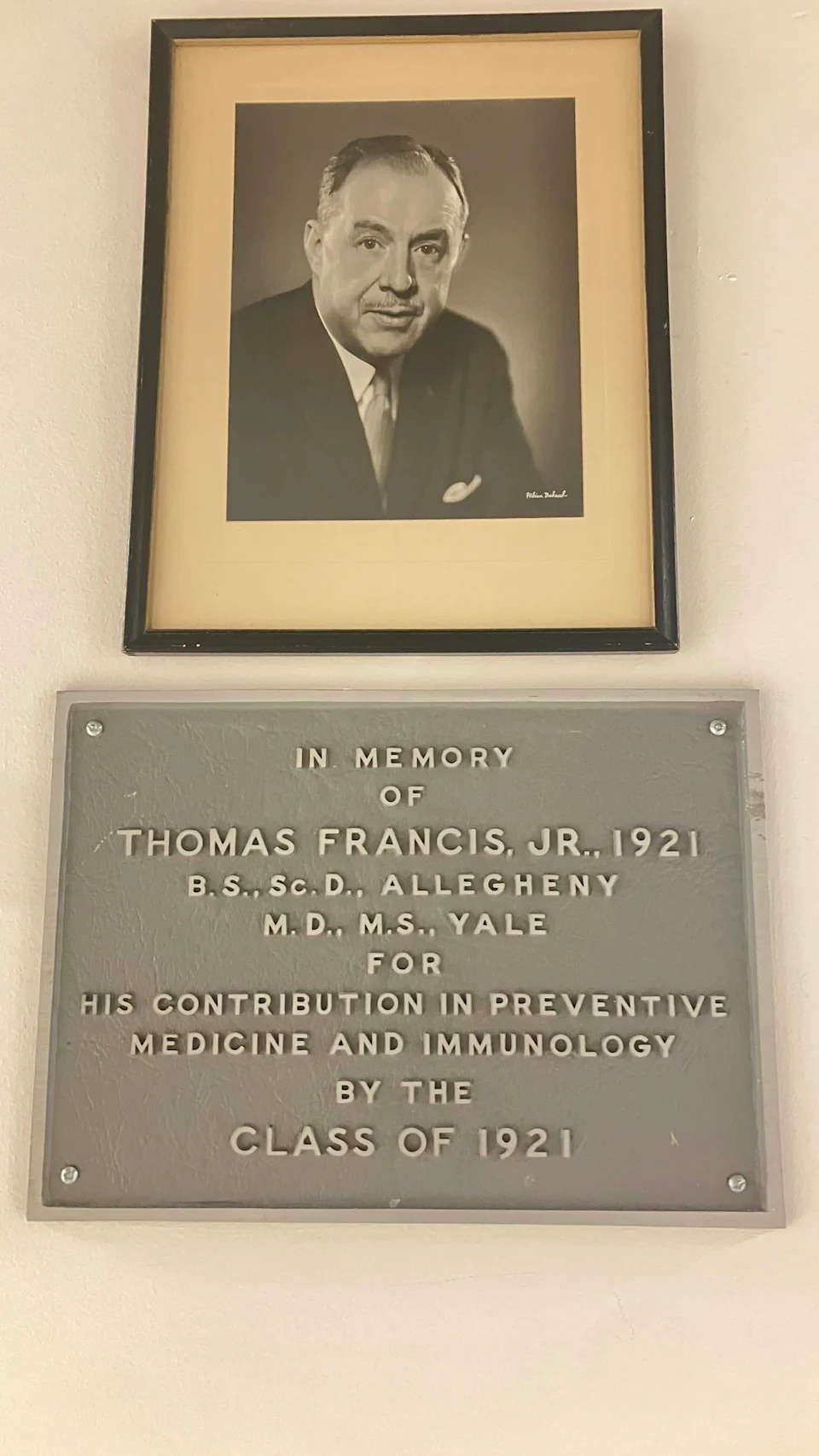
A plaque outside Thomas Francis classroom at Allegheny College in Crawford County, Pennsylvania. Photo submitted by Rebecca Dawson
Local Context and Historical Perspective
Pittsburgh has a long vaccine legacy: Dr. Jonas Salk developed the first polio vaccine at the University of Pittsburgh, and nearby Allegheny College honors Dr. Thomas Francis, who coordinated the large polio field trial. That history provides a useful lens for understanding how vaccination campaigns can stop outbreaks — and what happens when coverage falls.
How Measles Spreads and What To Watch For
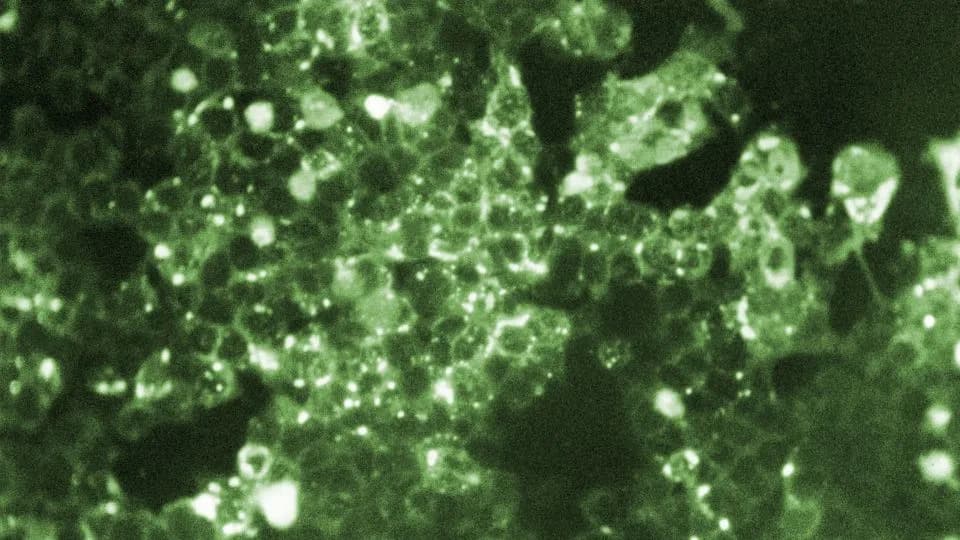
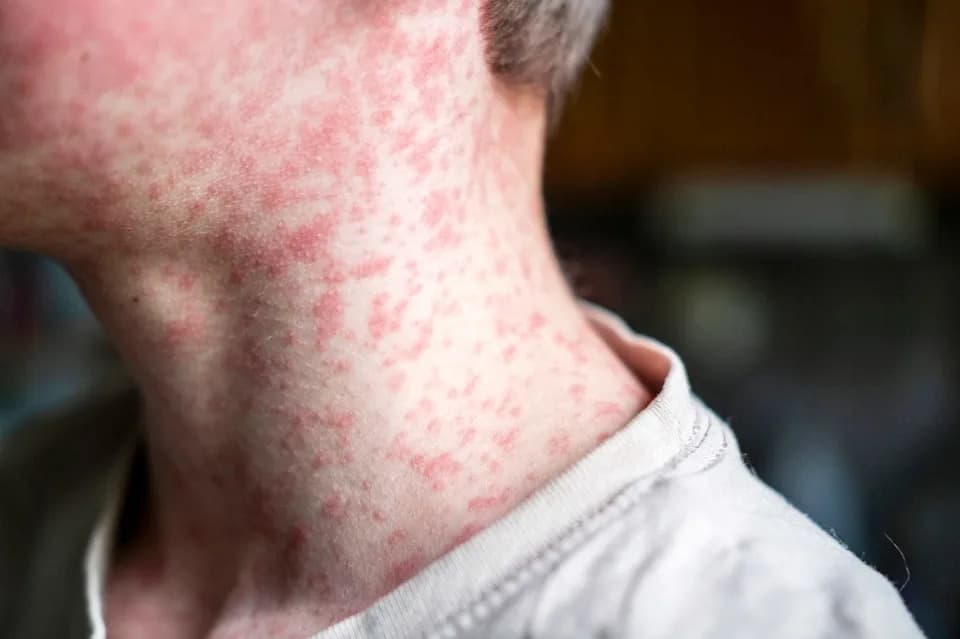
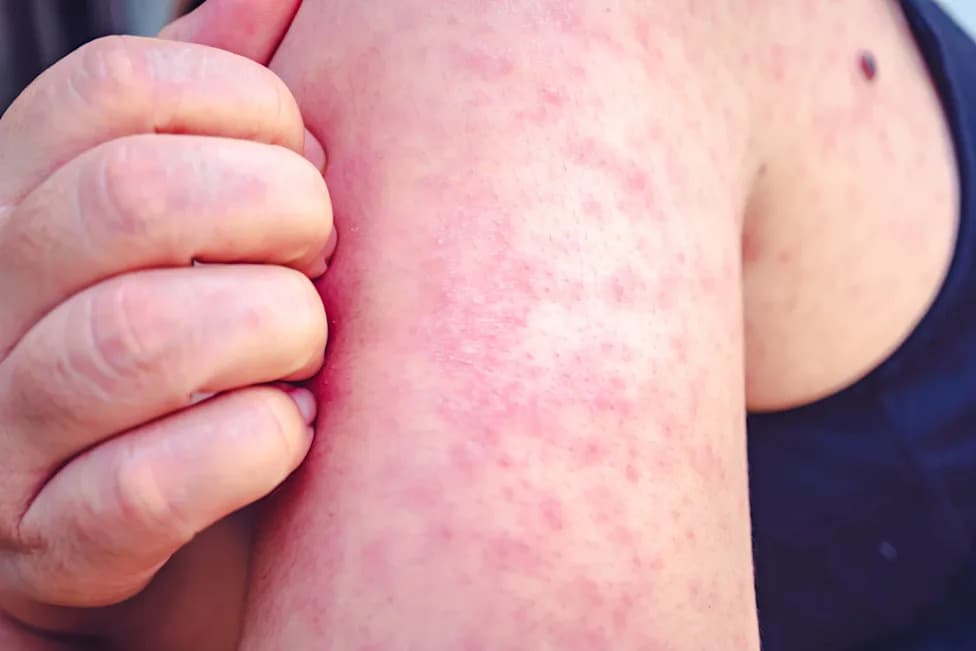
Measles is one of the most contagious viruses known. It is an acute respiratory virus: infected people can spread it about three to five days before symptoms appear, and viral particles can remain active and infectious in a room for up to two hours after an infected person leaves. Typical symptoms include high fever (often up to 105°F), cough, runny nose, conjunctivitis and Koplik spots (small white lesions inside the cheeks) followed by a distinctive red rash.
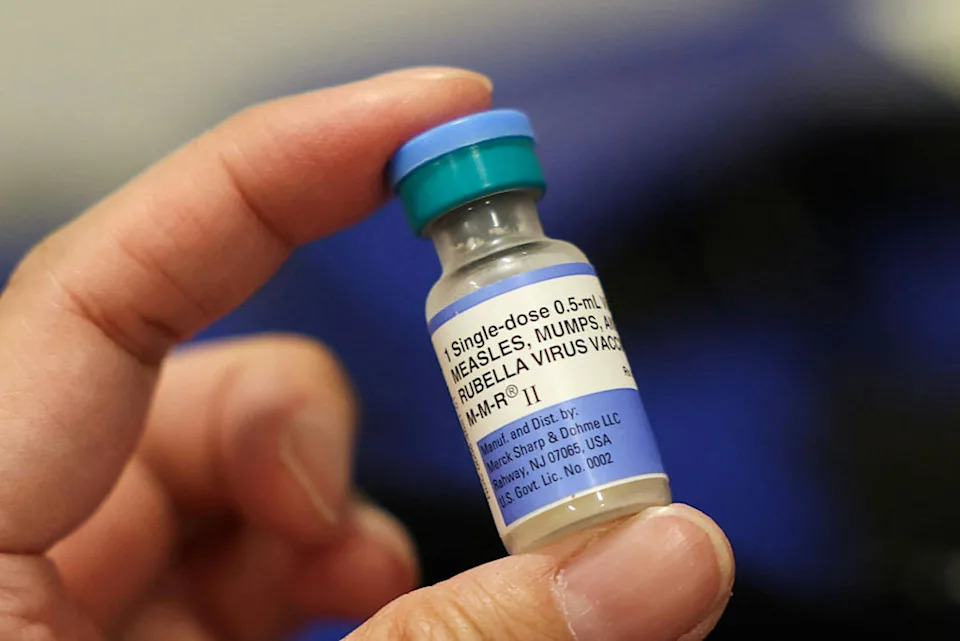
The measles was eliminated from the U.S. in 2000 through the effective use of the vaccine.PATRICK T. FALLON/AFP Collection via Getty Images
Complications and Costs
Before vaccination, measles infected up to 3 million Americans annually, led to roughly 48,000 hospitalizations and as many as 500 deaths each year. Today, about 20% of measles cases develop pneumonia and many require hospitalization. A Johns Hopkins review estimated the average direct cost to the U.S. health system of a single measles case at roughly US$43,000. The virus can also temporarily suppress the immune system, leaving survivors more susceptible to other infections for months or longer.
Vaccination: The Central Defense
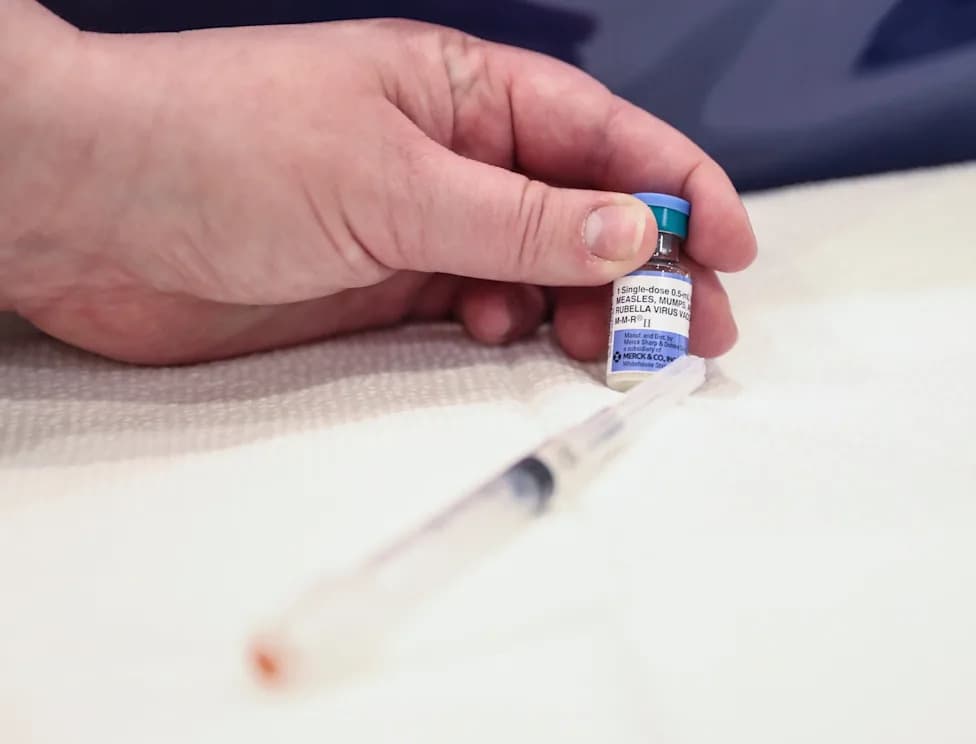
Public health experts say at least 95% vaccination coverage with two doses of the MMR (measles-mumps-rubella) vaccine is needed to prevent sustained community spread. For the 2025–26 school year, Allegheny County's kindergarten MMR rate was 91.8% — below that 95% threshold and part of a decline the county has tracked for more than a decade.
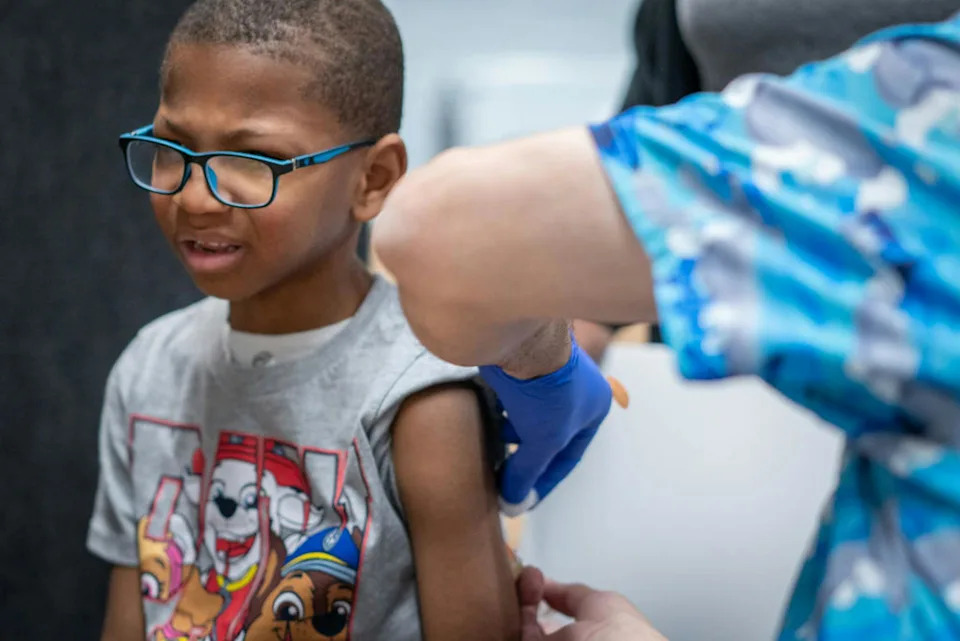
About 15% of Pennsylvania children who got the measles this year had to be hospitalized.Getty Images News via Getty Images
The MMR vaccine is typically covered at no out-of-pocket cost by private insurers. Medicaid-insured, uninsured or underinsured children can receive it free at any of Pennsylvania's 59 state health centers. The American Academy of Pediatrics recommends two doses of MMR by ages 4 to 6.
What To Do If There Is Exposure
If you are vaccinated or previously had measles, your risk of developing measles after exposure is low (about 3%), and you generally do not need to quarantine; you should monitor for symptoms. Unvaccinated people — including infants too young to be fully vaccinated — face an approximately 90% risk of infection after exposure and are required by local health departments to quarantine for 21 days to prevent asymptomatic transmission. If someone in quarantine becomes symptomatic, they move to a minimum 14-day isolation.
Why This Matters
The current outbreak, which has reached a majority of Pennsylvania counties, shows how even modest declines in vaccine coverage can trigger large outbreaks of a vaccine-preventable disease. Pittsburgh's past contributions to vaccine science — from Salk to Francis — underscore that vaccination works. The challenge now is restoring and maintaining high coverage to protect children and the broader community.
About the author: Rebecca Smullin Dawson is an epidemiologist at Allegheny College. This article is republished from The Conversation.
Help us improve.