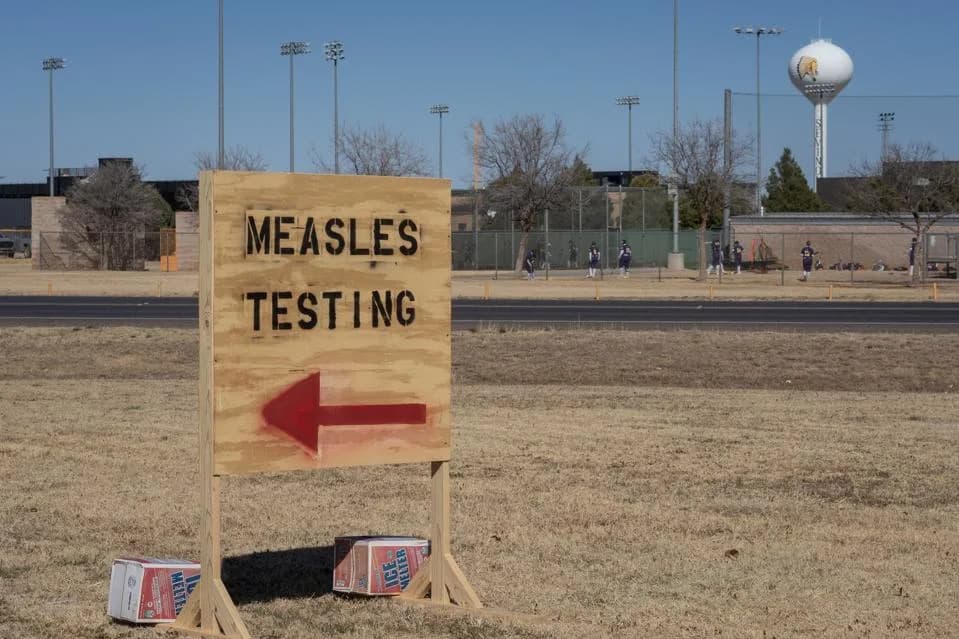
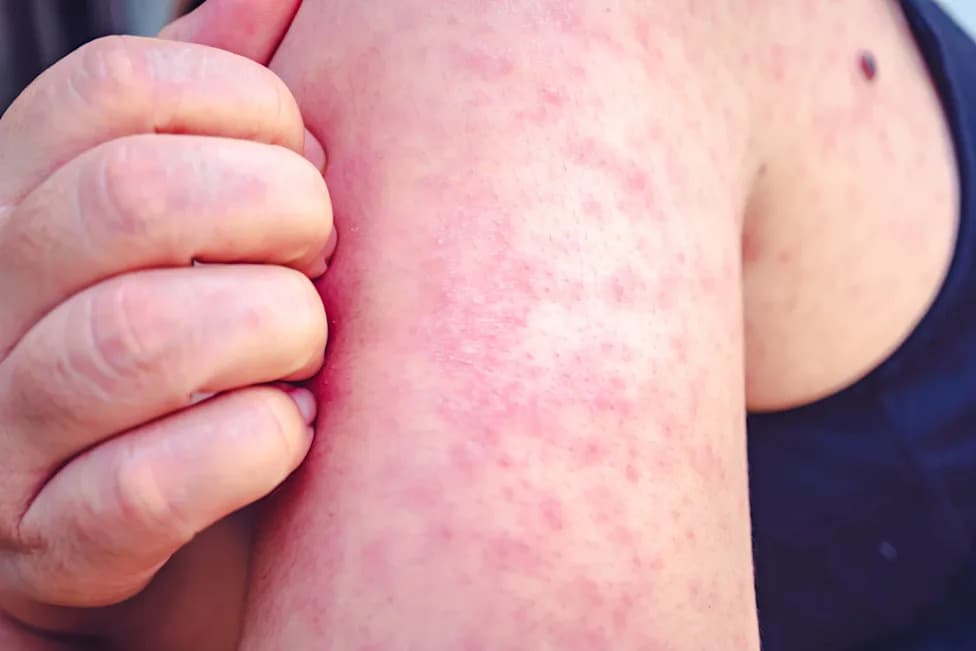
Local and state health officials are stepping in as federal vaccine guidance falters. Pennsylvania reported 693 measles cases and four deaths as of Sept. 14, prompting counties to expand outreach with mobile clinics, school partnerships and targeted communications. Medical leaders say misinformation has driven vaccine hesitancy, and states and regional coalitions are defending science-based schedules while some have taken legal action against federal changes.
Local Officials Fill the Void as Measles Deaths Rise and Federal Vaccine Guidance Falters
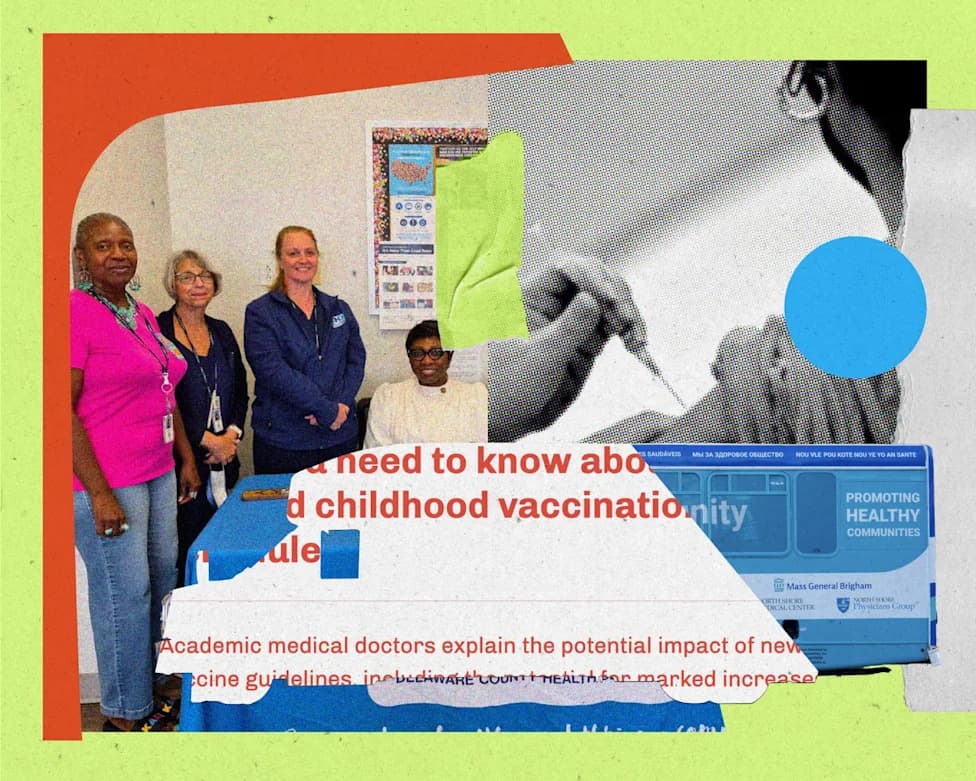
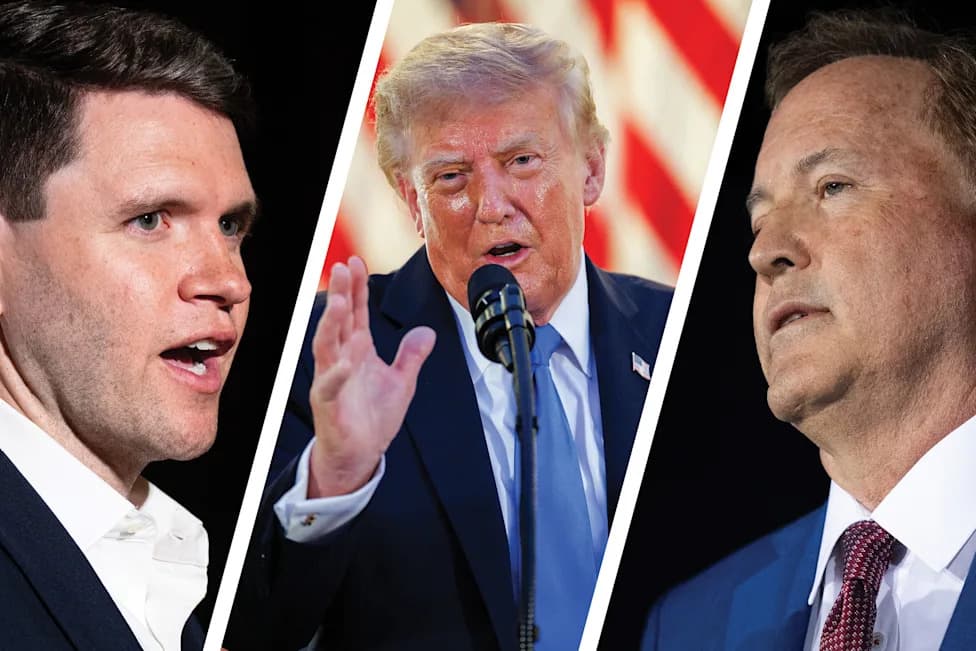
'Countering federal misinformation has fallen disproportionately on doctors and nurses who never expected to be doing that kind of work.'Composite: Rita Liu/The Guardian/Getty Images/Heather Grubola
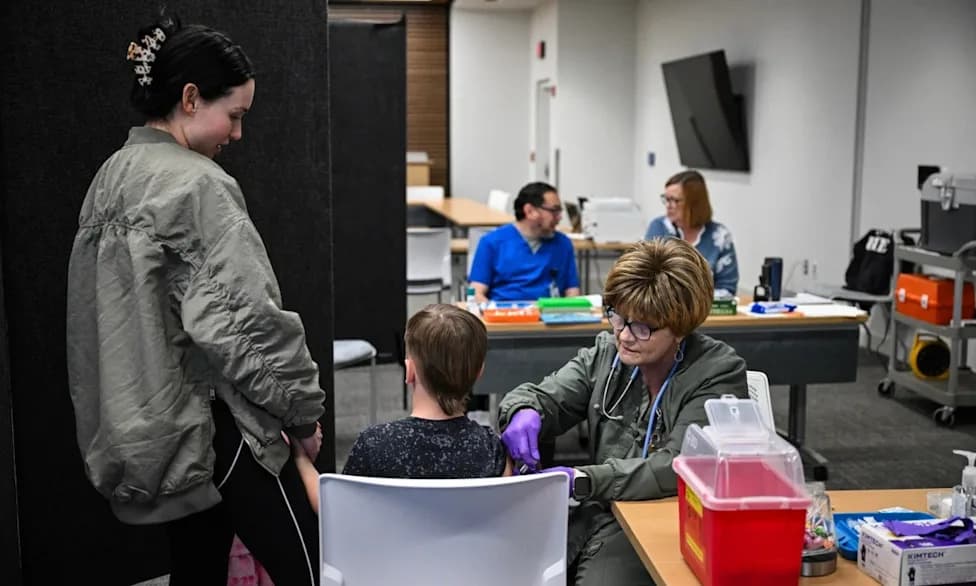
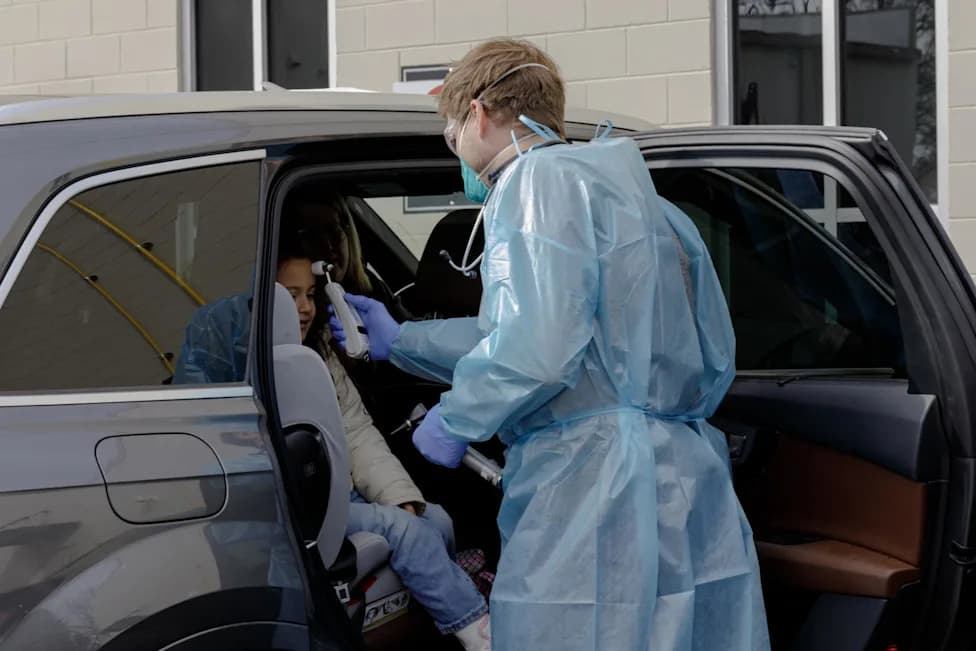
On an early September morning in Yeadon, Pennsylvania, dozens of families waited outside a clinic for the school district's "exclusion day" — the deadline that bars students without complete immunizations from returning to class. Instead of turning families away, district leaders partnered with the county health department to vaccinate children nearby so they could return to school. That day, 42 middle and high school students received vaccines protecting against tetanus, pertussis, meningitis and other diseases.
Local Response: Mobile Clinics, School Partnerships and Data Transparency
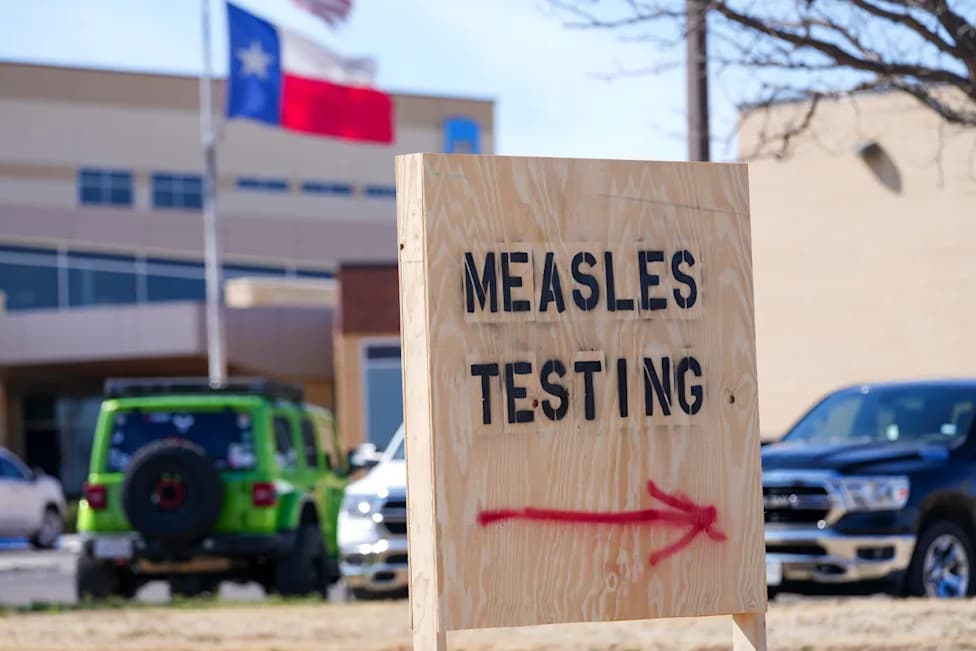
That school-based vaccination drive is one part of Delaware County's broader back-to-school effort. Pennsylvania reported 693 measles cases as of Sept. 14 and has recorded four deaths this year. The campaign includes a 33-foot mobile vaccine clinic that brings shots to pop-up community events, partnerships with school districts, targeted outreach to Spanish-speaking families and public reporting of school-level vaccination data to identify gaps and target resources.
"We've been doing this for a couple of years now, and it's really effective," said Lora Werner, director of the Delaware County Health Department.
Why Local Action Has Intensified
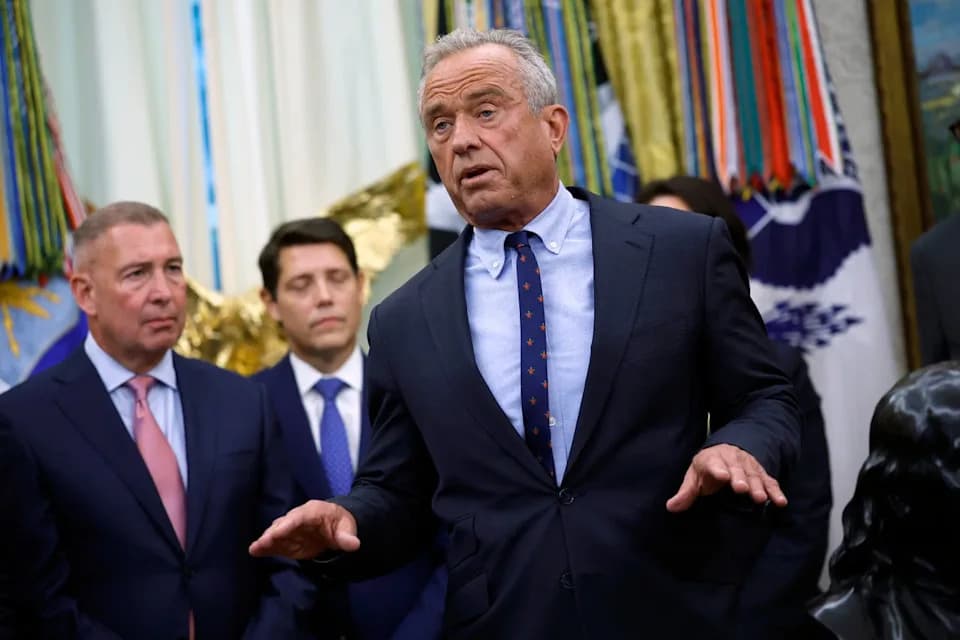
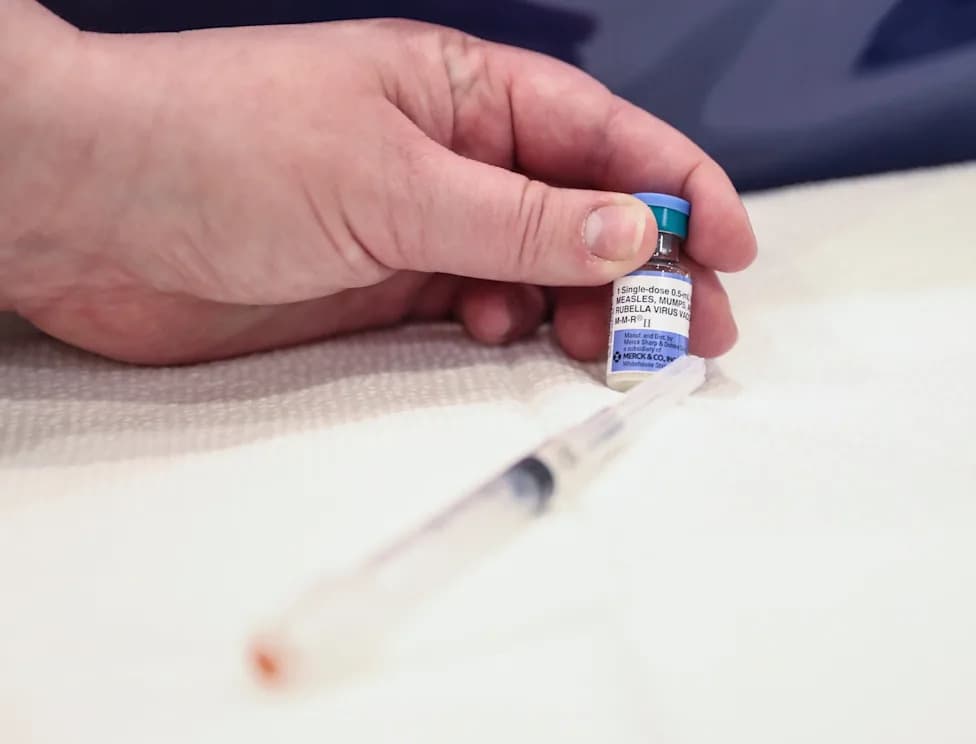
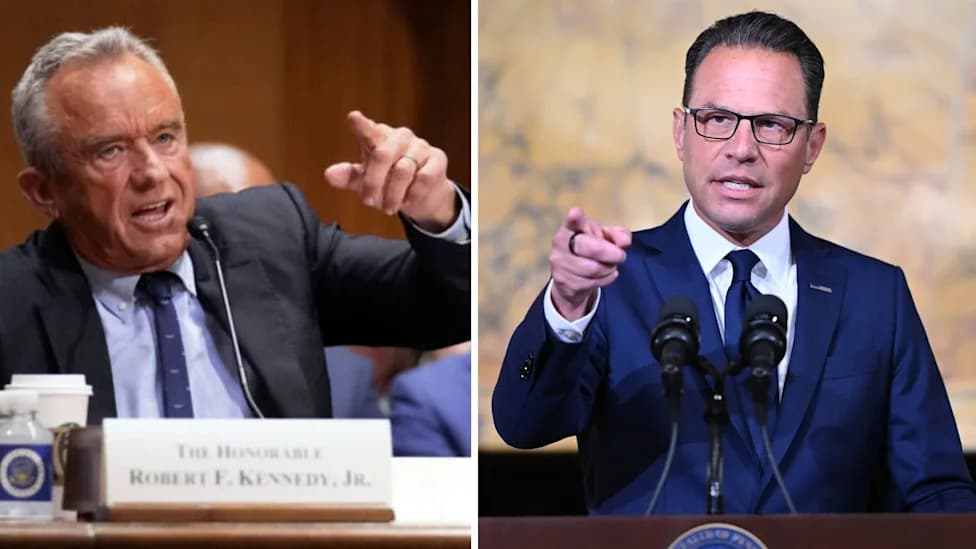
The local push comes as federal vaccine guidance has been undermined by the administration's public statements and policy changes. Robert F. Kennedy Jr., the administration's top public health official, has publicly questioned vaccine efficacy. President Trump signed an executive order proposing to reduce the number of universally recommended childhood vaccines from 17 to 11 and to split the combined measles-mumps-rubella (MMR) vaccine into three separate injections delivered over additional visits — a proposal experts say lacks scientific justification.
Leading vaccine experts and pediatric organizations argue those moves risk worsening vaccine hesitancy and causing preventable illness. Paul Offit, director of the Vaccine Education Center at Children’s Hospital of Philadelphia, notes the MMR vaccine has been used safely in the United States for roughly 60 years and that manufacturers have no plans to split the product because there is no safety benefit. Offit and others warn that more required visits could increase missed appointments and reduce coverage.
The Burden on States, Clinicians and Local Health Departments
With federal guidance no longer perceived as reliable, governors, state legislatures, state health departments, professional medical associations and front-line clinicians have taken on the work of reassuring families. Andrew Racine, president of the American Academy of Pediatrics, said, "Measles is a canary in the coal mine" — a warning that other vaccine-preventable diseases could re-emerge if immunization rates fall.
CDC data show vaccine exemptions among kindergarteners reached a record high for the 2025–26 school year while overall kindergarten vaccination rates dropped from the prior year. Hesitancy has grown particularly in some rural areas and in states that expanded exemption rules after previously having high coverage.
In response, 30 states now report relying on sources other than the CDC — such as the American Academy of Pediatrics and the American Academy of Family Physicians — for childhood vaccine guidance. Fifteen states have sued the administration over changes to the childhood vaccine schedule and the dismantling of the CDC's vaccine advisory panel, and regional coalitions like the West Coast Health Alliance and the Northeast Public Health Collaborative have formed to coordinate responses.
Local Lessons And Outreach
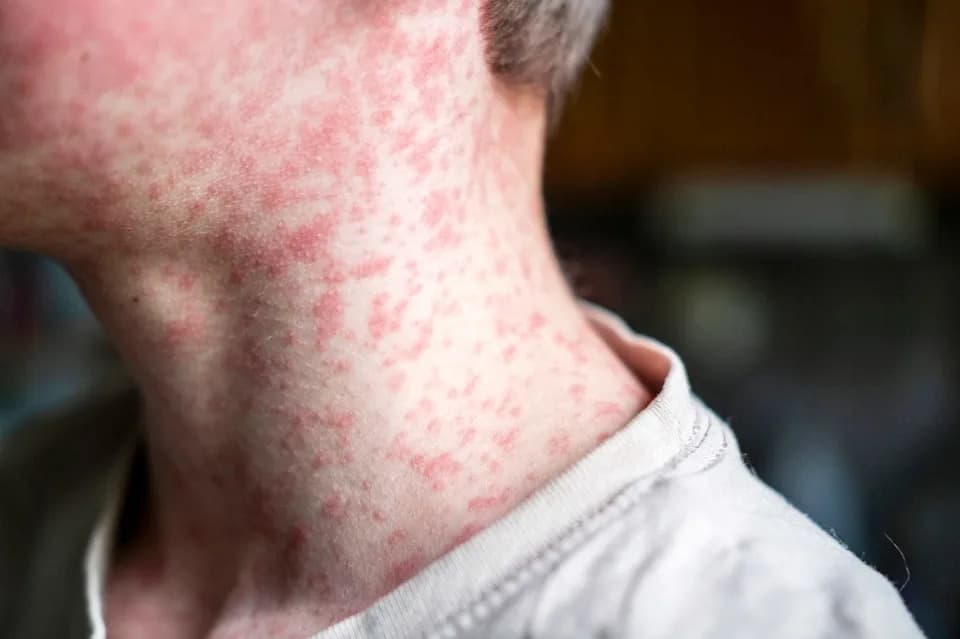
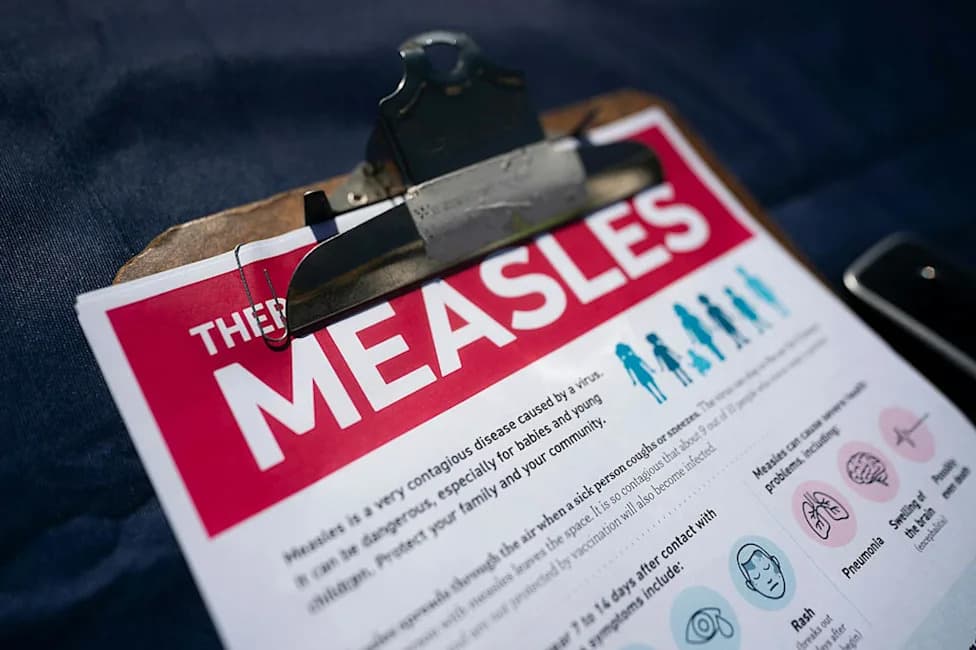
State and local officials are emphasizing clear, consistent communication and maintaining vaccine access. Pennsylvania officials say their outreach — including videos and infographics that explain how contagious measles is — has been well received. In August, providers in Pennsylvania administered more than 46,000 MMR doses compared with roughly 31,000 doses in the same month last year.
Hawaii Governor Josh Green, a physician who helped form the West Coast Health Alliance, described his approach as "like a family physician," sharing granular, local data to help families make informed decisions rather than relying solely on mandates. His urgency is informed by his experience volunteering during Samoa's catastrophic 2019 measles outbreak, where a vaccine scare helped fuel a deadly epidemic.
Health officials say countering federal misinformation has fallen disproportionately on clinicians and public health workers. "Many doctors have never seen measles before, and now they're seeing it for the first time in their careers," said Jeremy Funk, deputy director of the public health project at the nonprofit Protect Our Care. Local county health departments — some newly created during the pandemic and many facing funding challenges — are now running outreach, mobile clinics and school vaccination drives to reach underserved communities.
Delaware County launched a summer awareness campaign aimed at Spanish-speaking families and began publishing school-level vaccination data for the first time this year so parents and administrators can see where immunization levels are strong and where more support is needed. "It's a really hard place for public health right now with so much divisiveness being promoted," Werner said. "As public health officials, we want to help people hear the information they need to make safe decisions, regardless of insurance or immigration status."
Local officials and health experts warn that maintaining access, clear communication and regional coordination will be essential to preventing further spread of measles and other vaccine-preventable diseases as federal guidance shifts.
Help us improve.